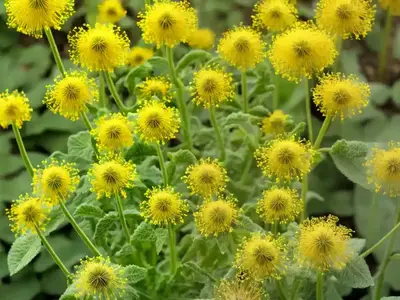
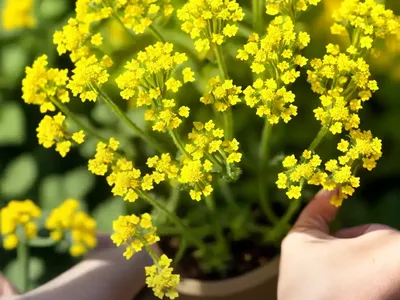
Slender Toothwort (Dentaria Diphylla)
Dentaria diphylla, commonly known as slender toothwort, is a native North American plant that belongs to the Brassicaceae family, which also includes.
Introduction
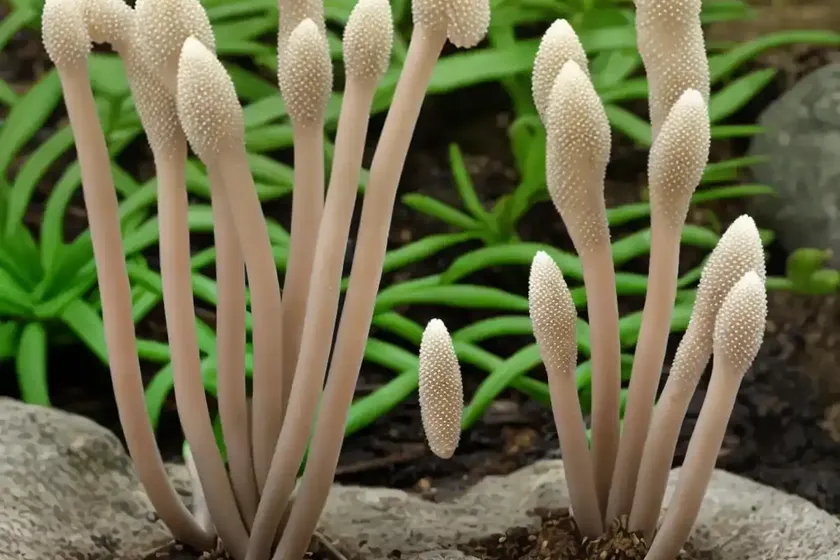
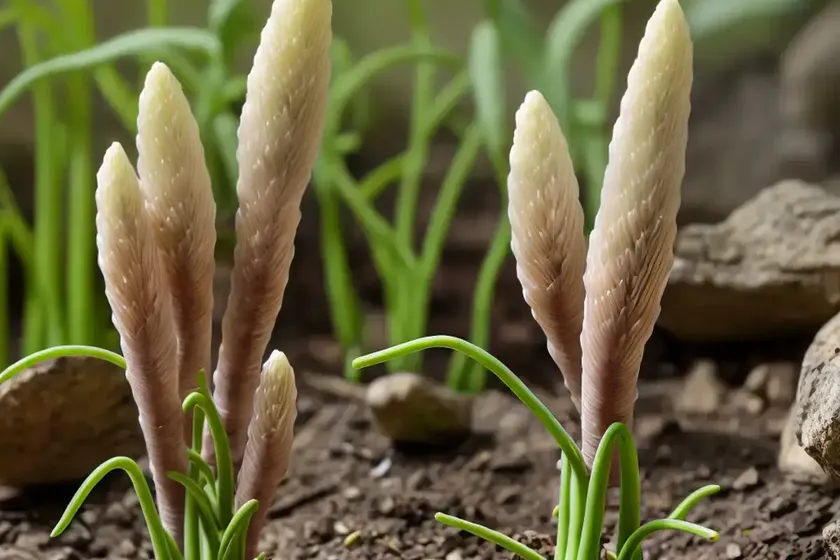
Dentaria diphylla, commonly known as slender toothwort, is a native North American plant that belongs to the Brassicaceae family, which also includes cruciferous vegetables such as broccoli and kale. This perennial herbaceous plant is known for its delicate white flowers and toothed compound leaves. In this comprehensive guide, we will delve into the characteristics, growing conditions, care tips, and folklore related to slender toothwort, providing a holistic view of this fascinating plant.
Slender Toothwort Characteristics
- Scientific Name: Dentaria diphylla
- Family: Brassicaceae
- Common Names: Slender toothwort, crinkle root
- Native Range: North America
Plant Profile
Description
Slender toothwort is a woodland plant that typically reaches a height of 12-18 inches. The plant features compound leaves with three leaflets and delicate white flowers that bloom in early spring, adding a touch of elegance to woodland gardens.
Habitat
This species is commonly found in rich, moist woodlands and along streams, where the soil is well-drained and rich in organic matter. It thrives in partially shaded environments and is often spotted in the understory of deciduous forests.
Growing Conditions
To successfully cultivate slender toothwort, it is essential to consider several key factors, including water, sunlight, soil, and temperature.
Water
Slender toothwort prefers consistently moist soil, making it an excellent choice for shaded garden beds or along streams. During dry periods, it may require supplemental watering to maintain soil moisture.
Sunlight
As a woodland plant, slender toothwort thrives in partial to full shade. It is well-suited for planting beneath deciduous trees or in areas with dappled sunlight.
Soil
The ideal soil for slender toothwort is rich in organic matter, well-drained, and slightly acidic. Adding compost to the planting area can help improve soil fertility and moisture retention.
Fertilizer
This plant generally does not require fertilization if grown in a suitable woodland environment with nutrient-rich soil. However, incorporating a balanced organic fertilizer in early spring may benefit its growth.
Pruning
Minimal pruning is necessary for slender toothwort. Deadheading spent flowers and removing any damaged or diseased foliage can help maintain the plant’s appearance and health.
Propagation Methods
Seed Propagation
Slender toothwort can be propagated from seeds, which are typically dispersed by ants in the wild. To simulate this natural process, collect fresh seeds in late summer and sow them in a prepared garden bed or container. Keep the soil consistently moist until germination occurs.
Division
Another propagation method involves dividing established clumps of slender toothwort in early spring or late summer. Carefully separate the rhizomes and replant them in suitable locations, ensuring they receive adequate water and shade.
Container Gardening Tips
While slender toothwort is primarily a woodland species, it can thrive in large, shaded containers filled with a well-draining potting mix. This makes it a suitable choice for shaded patios, balconies, or terraces.
Garden Management
Common Diseases
Slender toothwort is generally disease-resistant when grown in suitable conditions. However, it may be susceptible to fungal diseases such as powdery mildew in overly humid environments. Adequate air circulation and avoiding overhead watering can help prevent such issues.
Common Pests
While slender toothwort is relatively pest-free, it may occasionally attract aphids, slugs, or snails. Regularly inspecting the plant for signs of pest activity and promptly addressing any infestations can help maintain its health.
Botanist’s Tips
-
When selecting a planting site for slender toothwort, prioritize shaded areas with rich, moist soil to replicate its natural woodland habitat.
-
Consider companion planting with native woodland species such as trilliums, bloodroot, and woodland phlox to create a harmonious and ecologically beneficial garden.
-
Embrace the seasonal changes of slender toothwort, from its early spring blooms to the development of its toothed leaves, which add visual interest to shaded landscapes.
Ethnobotanical Uses and Folklore
Medicinal Uses
Slender toothwort has historical use in traditional herbal medicine among Native American communities. The plant’s rhizomes were utilized to alleviate coughs and colds, as well as for their potential diuretic and purgative properties.
Culinary Uses
While the culinary applications of slender toothwort are not as widely documented as its medicinal uses, some indigenous cultures reportedly incorporated the young shoots and leaves into their diet as a spring vegetable.
Wildlife Attractant
The delicate flowers of slender toothwort attract pollinators such as bees and butterflies, contributing to the biodiversity of woodland ecosystems. By including this plant in gardens, individuals can support local pollinator populations.
Folklore and Symbolism
In folklore, slender toothwort is associated with themes of renewal and rebirth due to its early spring blooming period. Its delicate appearance and perennial nature have contributed to its symbolic representation of resilience and new beginnings.
Conservation Status and Endangered Species
While slender toothwort is not classified as an endangered species, its natural habitats, such as rich, moist woodlands, are increasingly vulnerable to habitat loss and fragmentation. Urban development and land use changes have the potential to impact the availability of suitable growing environments for this woodland plant.
Conclusion
Slender toothwort (Dentaria diphylla) is a captivating and ecologically significant plant with a rich history of ethnobotanical uses and cultural symbolism. By understanding its growing requirements, conservation significance, and folklore, we can cultivate a deeper appreciation for this native woodland species and support its presence in diverse garden landscapes.
As botanists and plant enthusiasts, let us embrace the unique characteristics and ecological value of slender toothwort, integrating it into our gardens while promoting stewardship of its natural habitats for generations to come.
Keywords: Slender toothwort characteristics, Dentaria diphylla plant profile, Slender toothwort information, Dentaria diphylla facts, Slender toothwort habitat, Dentaria diphylla growing conditions, Slender toothwort care tips, Dentaria diphylla planting guide, Slender toothwort propagation methods, Dentaria diphylla garden benefits, Slender toothwort medicinal uses, Dentaria diphylla herbal remedies, Slender toothwort culinary uses, Dentaria diphylla edible parts, Slender toothwort folklore, Dentaria diphylla symbolism, Slender toothwort wildlife attractant, Dentaria diphylla pollinators, Slender toothwort companion plants, Dentaria diphylla landscape ideas, Slender toothwort garden design, Dentaria diphylla container gardening tips, Slender toothwort native range, Dentaria diphylla natural habitats, Slender toothwort conservation status, Dentaria diphylla endangered species, Slender toothwort ethnobotany, Dentaria diphylla traditional uses, Slender toothwort folklore and legends, Dentaria diphylla folklore and myths, Slender toothwort scientific classification, Dentaria diphylla taxonomy, Slender toothwort genus Dentaria, Dentaria diphylla family Brassicaceae, Slender toothwort related species, Dentaria diphylla similar plants, Slender toothwort plant morphology, Dentaria diphylla leaf shape, Slender toothwort flower characteristics, Dentaria diphylla root structure, Slender toothwort seed dispersal mechanisms, Dentaria diphylla growth cycle, Slender toothwort seasonal changes, Dentaria diphylla winter dormancy, Slender toothwort pests and diseases, Dentaria diphylla common issues, Slender toothwort garden management, Dentaria diphylla landscaping tips, Slender toothwort cultivation techniques, Dentaria diphylla soil requirements
External Resources:
1. Missouri Botanical Garden – Dentaria diphylla
2. United States Department of Agriculture – Plant Guide for Dentaria diphylla
3. Lady Bird Johnson Wildflower Center – Native Plant Database: Dentaria diphylla
4. North Carolina State Extension – Slender Toothwort Factsheet
5. United States Fish and Wildlife Service – Candidate Species Profile: Dentaria diphylla