Slender Iceplant (Mesembryanthemum Nodiflorum)
Plants are not only a beautiful addition to our surroundings but also play a vital role in our ecosystem. They provide us with food, medicine, and shelter.
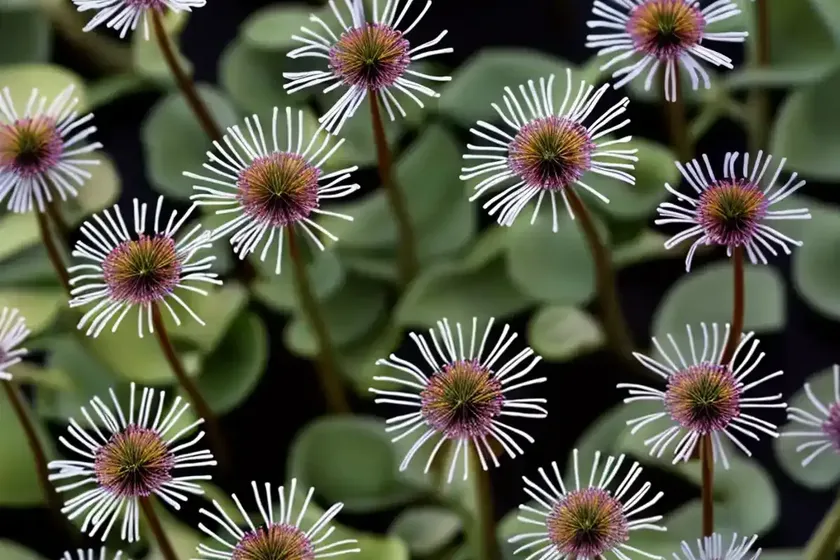

Plants are not only a beautiful addition to our surroundings but also play a vital role in our ecosystem. They provide us with food, medicine, and shelter, and contribute to the overall well-being of our environment. In this comprehensive guide, we will delve into the fascinating world of Slender Iceplant, scientifically known as Mesembryanthemum nodiflorum. We will explore its characteristics, uses, cultivation, and much more. So, let’s embark on this botanical journey and uncover the wonders of this captivating plant.
What is Slender Iceplant (Mesembryanthemum nodiflorum)?
Slender Iceplant, or Mesembryanthemum nodiflorum, is a low-growing, succulent perennial plant that belongs to the Aizoaceae family. It is native to South Africa and thrives in arid and coastal regions. This plant is renowned for its ability to withstand harsh environmental conditions and is often used for erosion control and as a ground cover in landscaping.
Key Takeaways
Scientific Name: Mesembryanthemum nodiflorum
Common Name: Slender Iceplant
Family: Aizoaceae
Native Habitat: South Africa
Now that we have an overview of the plant, let’s delve deeper into its various aspects.
Culture
Uses
Slender Iceplant serves several purposes, making it a versatile and valuable addition to gardens, landscapes, and even commercial applications.
-
Erosion Control: The dense growth and mat-forming nature of the Slender Iceplant make it an excellent choice for stabilizing slopes and preventing soil erosion.
-
Ground Cover: Its low-growing habit and vibrant blooms make it a popular choice for ground cover in various landscaping settings.
-
Coastal Gardening: Due to its tolerance for salt spray and sandy soils, Slender Iceplant is well-suited for coastal gardens and landscapes.
-
Rock Gardens: Its ability to thrive in rocky, dry conditions makes it an ideal candidate for rock gardens and xeriscaping.
-
Wildlife Habitat: The plant provides a habitat for beneficial insects and pollinators, contributing to the biodiversity of the ecosystem.
Water
Slender Iceplant is a drought-tolerant plant that thrives in dry, arid conditions. It is adapted to store water in its fleshy leaves, allowing it to survive extended periods of drought. When establishing new plants, regular watering is beneficial to promote root development and establishment. However, once established, the plant requires minimal supplemental watering.
Sunlight
This plant thrives in full sun and requires at least 6-8 hours of direct sunlight per day for optimal growth and blooming. In hot climates, some afternoon shade may be beneficial to prevent leaf scorch and excessive water loss.
Fertilizer
Slender Iceplant is not heavy feeder and generally thrives in nutrient-poor soils. Excessive fertilization can lead to overly lush growth and reduced flowering. A balanced, low-nitrogen fertilizer applied sparingly in the spring can support healthy growth and blooming.
Soil
Slender Iceplant thrives in well-draining, sandy or gravelly soils. It is adapted to poor, rocky soils and struggles in heavy, waterlogged soils. A slightly acidic to neutral soil pH is preferred, typically in the range of 6.0 to 7.0.
Pruning
Pruning requirements for Slender Iceplant are minimal. Deadheading spent blooms can encourage continuous flowering and maintain a tidy appearance. Additionally, removing any damaged or dead foliage can improve the overall aesthetics of the plant.
Propagation
Slender Iceplant can be propagated from seeds or stem cuttings. Seed propagation is relatively straightforward, while stem cuttings can be taken from healthy, established plants and rooted in a well-draining potting mix.
Container Popularity
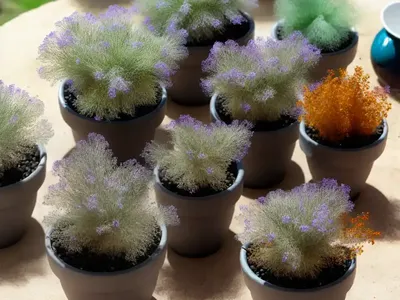
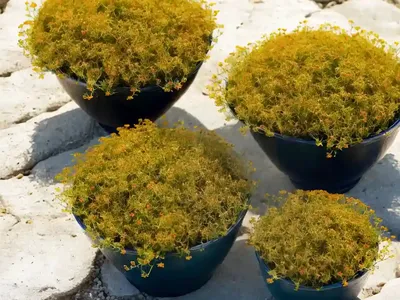
Due to its low-growing, spreading habit and adaptability to dry conditions, Slender Iceplant is a popular choice for container gardening, particularly in regions with hot, arid climates. Its ability to thrive in containers makes it an excellent choice for rooftop gardens, balcony planters, and other urban gardening settings.
Common Diseases
Disease Diagnosis
Slender Iceplant is relatively resistant to most diseases and pests. However, it may be susceptible to root rot in poorly-draining soils or in situations where overwatering occurs. Symptoms of root rot include wilting, yellowing foliage, and a general decline in plant health. Ensuring proper soil drainage and avoiding excessive watering can help prevent this issue.
Common Pests
Pest Prevention
Slender Iceplant is generally resistant to many common garden pests. However, it may occasionally attract aphids, mealybugs, or spider mites. Regular monitoring of the plant for signs of pest infestations, such as distorted growth or stippled leaves, can help in early detection and control.
Botanist’s Tips
-
Choosing the Right Location: Select a sunny, well-draining location for planting to ensure optimal growth and flowering.
-
Minimal Watering: Once established, Slender Iceplant requires minimal watering. Overly wet conditions can lead to root rot and decline.
-
Fertilize Sparingly: Avoid excessive fertilization, particularly with high-nitrogen fertilizers, as it can lead to reduced blooming and overly lush growth.
-
Enjoy the Wildlife: Slender Iceplant can attract beneficial insects and pollinators, contributing to the overall biodiversity of the garden.
Fun Facts
-
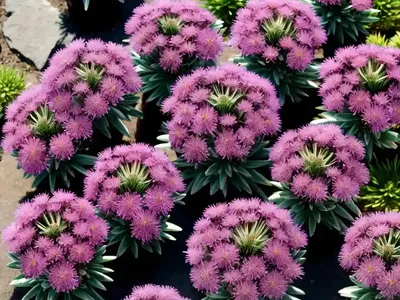
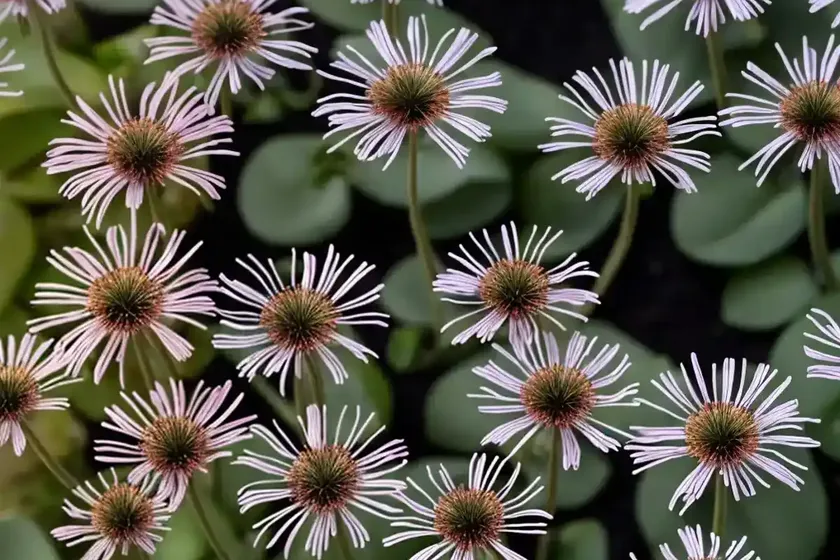
The vibrant, daisy-like flowers of Slender Iceplant come in a range of colors, including shades of pink, orange, and yellow.
-
In its native habitat, Slender Iceplant is often found in dry, rocky coastal regions, showcasing its adaptability to challenging environments.
-
Due to its drought tolerance and low maintenance requirements, Slender Iceplant is a popular choice for sustainable and water-wise landscaping.
With its captivating appearance and resilience, Slender Iceplant has much to offer to both gardeners and the environment. Let’s explore some additional resources to further expand our knowledge about this fascinating plant.
Links to External Resources
- Mesembryanthemum Nodiflorum Care Guide
- Propagation Techniques for Slender Iceplant
- Identifying Slender Iceplant: A Visual Guide
- Gardening Ideas and Tips for Mesembryanthemum Nodiflorum
- Mesembryanthemum Nodiflorum: Growing and Maintenance
In conclusion, Slender Iceplant (Mesembryanthemum nodiflorum) is a remarkable plant known for its adaptability, beautiful blooms, and low-maintenance qualities. Whether used as a ground cover, erosion control measure, or a vibrant addition to container gardens, this versatile plant adds beauty and resilience to various settings. By understanding its cultivation requirements, uses, and unique characteristics, we can appreciate the value that Slender Iceplant brings to our gardens and landscapes. If you are considering adding a resilient and visually stunning plant to your outdoor spaces, Slender Iceplant may be just the plant you are looking for.
Remember, the key to successfully cultivating Slender Iceplant lies in providing it with the right growing conditions, minimal water, and occasional pruning. With the proper care and attention, this plant will reward you with a colorful display of blooms and a touch of natural beauty.
Whether you are a novice gardener or a seasoned plant enthusiast, the allure of Slender Iceplant is undeniable. Its ability to thrive in challenging environments and its low-maintenance nature make it a valuable addition to any garden or landscape. So, go ahead and explore the fascinating world of Slender Iceplant – a true gem among succulents.