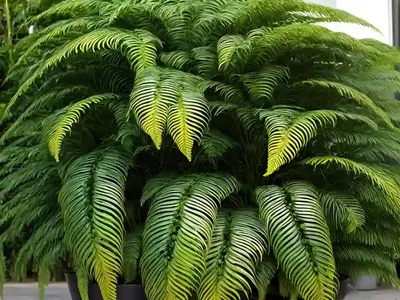
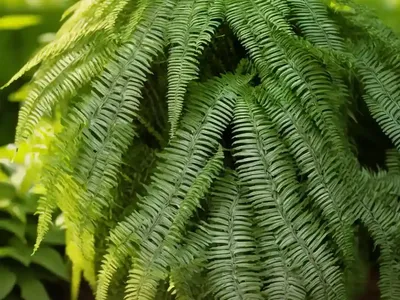
Silver Lady Fern (Blechnum Gibbum)
Plants are an essential part of the natural world, providing beauty, sustenance, and numerous environmental benefits. Among the vast array of plant.
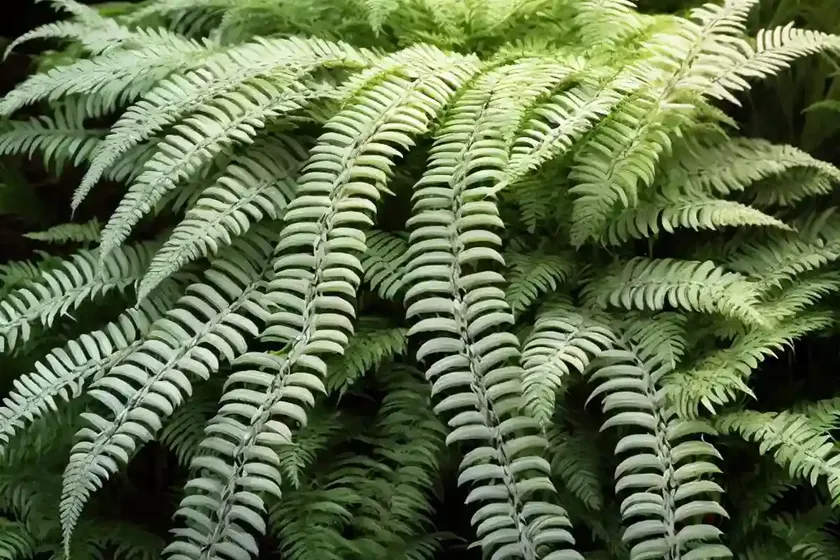
Plants are an essential part of the natural world, providing beauty, sustenance, and numerous environmental benefits. Among the vast array of plant species, ferns hold a special place, admired for their delicate fronds and unique growth habits. One standout fern is the Silver Lady Fern, scientifically known as Blechnum gibbum. In this comprehensive guide, we will delve into the fascinating world of the Silver Lady Fern, exploring its characteristics, cultivation, uses, and much more.
What is the Silver Lady Fern (Blechnum gibbum)?
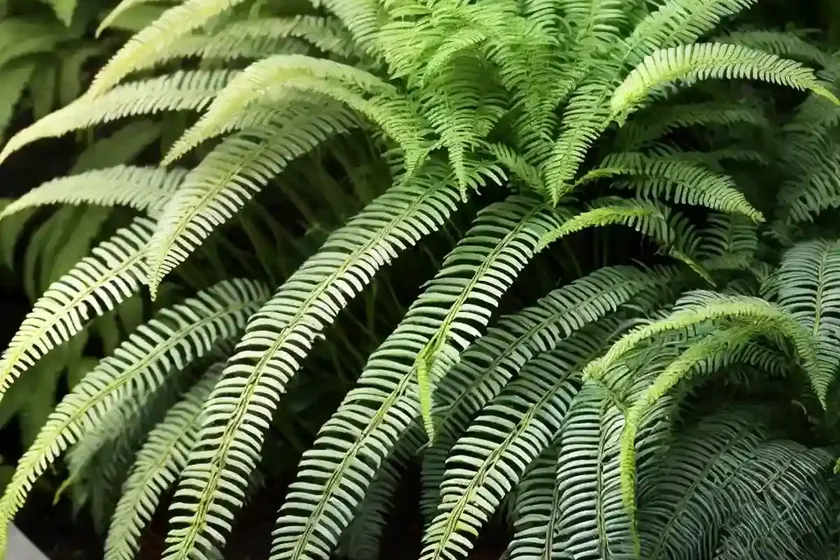
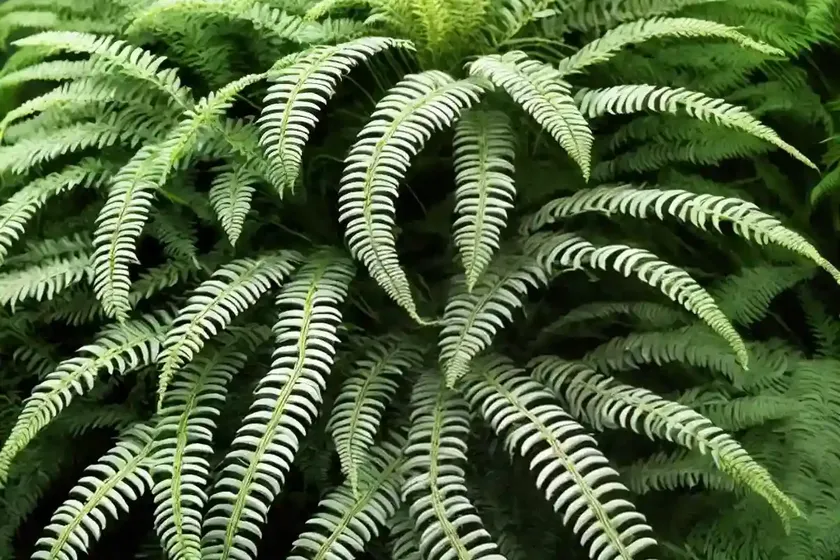
The Silver Lady Fern, or Blechnum gibbum, is a striking and compact fern native to New Zealand and the Pacific Islands. Its most prominent features are the glossy, bright green fronds that emanate from a central rosette. As the fronds unfurl, they reveal a silvery-white underside, adding to the plant’s allure.
This fern belongs to the family Blechnaceae and genus Blechnum. With its elegant appearance and manageable size, the Silver Lady Fern has become a coveted choice for indoor gardening and landscaping projects.
Key Takeaways – Silver Lady Fern (Blechnum gibbum)
Culture
Common Name: Silver Lady Fern
Botanical Name: Blechnum gibbum
Family: Blechnaceae
Genus: Blechnum
Origin: New Zealand, Pacific Islands
Type: Perennial, Evergreen
Uses
- Indoor Plant: Ideal for interior spaces due to its compact size and aesthetic appeal.
- Landscaping: Adds a touch of elegance to shaded garden areas.
- Air Purification: Contributes to indoor air quality by filtering pollutants.
Water
- Moderate: Requires regular watering to maintain moist soil.
Sunlight
- Low-Light Tolerant: Thrives in low to moderate light conditions.
Fertilizer
- Balanced Liquid Fertilizer: Apply during the growing season for optimal growth.
Soil
- Well-Draining: Flourishes in a rich, well-draining potting mix.
Pruning
- Maintenance: Regular removal of old fronds to maintain a neat appearance.
Propagation
- Spores: Can be propagated from spores or by division.
Container Popularity
- Commonly Potted: Well-suited for container gardening due to its compact size.
Container
- Size: Thrives in small to medium-sized pots.
- Drainage: Requires good drainage to prevent waterlogging.
Common Diseases
- Fungal Infections: Susceptible to fungal diseases if overwatered.
- Pest Infestations: Prone to scale and mealybugs.
Disease Diagnosis
- Visual Symptoms: Yellowing or browning of fronds, wilting, or stunted growth.
Common Pests
- Scale Insects: Sap-sucking pests that can weaken the plant.
- Mealybugs: Cause damage by feeding on plant sap.
Botanist’s Tips
- Consistent Moisture: Maintain even soil moisture without waterlogging.
- Filtered Light: Provide indirect or filtered light for healthy growth.
- Hygiene Practices: Regularly remove decaying fronds to prevent disease spread.
Fun Facts
- The Silver Lady Fern is also known as the Dwarf Tree Fern due to its compact growth habit.
- In its native habitat, Blechnum gibbum can reach impressive heights, but as a houseplant, it remains much smaller.
With these key points in mind, let’s explore the detailed care and cultivation requirements for the Silver Lady Fern.
Silver Lady Fern Care
Taking care of your Silver Lady Fern involves creating an environment that mimics its natural habitat while addressing its specific needs. By understanding the plant’s requirements for water, sunlight, soil, and more, you can ensure its health and vitality.
Watering Requirements
The Silver Lady Fern thrives when the soil is kept consistently moist but not waterlogged. It’s essential to water the plant thoroughly, ensuring that excess water drains away. Allow the top inch of the soil to dry out before the next watering to prevent root rot.
A useful technique for ensuring appropriate moisture levels is the finger test. Insert your finger into the soil; if it feels dry at a depth of about an inch, it’s time to water the fern. However, if the soil feels damp, it’s best to hold off on watering for a few more days.
Sunlight Preferences
Due to its native habitat in shaded locations, the Silver Lady Fern prefers low to moderate light conditions. Direct sunlight can scorch the delicate fronds, leading to damage and discoloration. Indirect or filtered light, such as that provided by curtains or sheer blinds, is ideal for this fern.
Placing the plant near a north or east-facing window can provide the right balance of light, ensuring healthy growth. It’s important to monitor the plant’s response to its light exposure and adjust as needed to avoid any negative effects.
Fertilizing Routine
During the growing season, which typically spans from spring to early fall, the Silver Lady Fern benefits from regular feedings with a balanced liquid fertilizer. This helps provide the necessary nutrients for steady growth and the development of vibrant fronds.
Using a half-strength fertilizer solution every four to six weeks can help prevent nutrient imbalances and minimize the risk of fertilizer burn. Cease fertilization during the plant’s dormant period in winter and resume when new growth emerges in spring.
Soil Conditions
Creating an optimal soil environment for the Silver Lady Fern is crucial for its well-being. A well-draining potting mix that retains moisture without becoming waterlogged is ideal. Incorporating organic matter such as peat moss or compost can enhance the soil’s ability to hold moisture.
When repotting or preparing the soil for a new plant, ensure that the pot has adequate drainage holes to prevent water from accumulating at the plant’s roots. This helps guard against root rot and other moisture-related issues.
Pruning Practices
Regular pruning is essential to maintain the Silver Lady Fern’s tidy appearance and encourage healthy growth. Remove any old or decaying fronds as soon as they become apparent, cutting them close to the base of the plant. This prevents the spread of diseases and allocates the plant’s resources towards new growth.
Inspect the plant regularly for any signs of yellowing or browning fronds, as these are indicative of age or stress. By promptly removing such fronds, you can promote the overall health and visual appeal of the fern.
Propagation Techniques
The Silver Lady Fern can be propagated through spores or by division, allowing you to create new plants from an established specimen. For spore propagation, collect mature spores from the underside of the fern’s fronds, then sow them onto a suitable propagation medium.
Division involves separating the plant’s root mass into smaller sections, each containing both roots and fronds. These sections can then be potted individually, giving rise to new plants. Maintain high humidity and moderate light levels during the propagation process to support successful establishment.
Best Practices for Thriving Silver Lady Fern
To ensure that your Silver Lady Fern flourishes, consider the following tips and guidelines tailored to its specific requirements:
- Maintain Adequate Humidity: Given its native habitat in humid climates, the Silver Lady Fern benefits from increased moisture in the air. Misting the plant regularly or using a humidifier can help create the ideal environment.
- Avoid Temperature Extremes: Protect the fern from drafts, sudden temperature changes, and exposure to cold or hot air. Consistent, moderate temperatures are best for its well-being.
- Observe for Pests: Monitor the plant for signs of pest infestations, particularly scale insects and mealybugs. If detected, implement appropriate pest control measures to prevent damage.
- Ensure Proper Drainage: Whether in a pot or the ground, maintaining good drainage is essential to prevent waterlogging, which can lead to root rot.
- Regular Inspection: Periodically check the plant for any signs of stress, disease, or nutrient deficiencies, addressing any issues promptly to support its overall health.
By implementing these best practices and providing attentive care, you can create an environment where your Silver Lady Fern thrives and exhibits its full splendor.
Silver Lady Fern in Landscaping and Indoor Gardening
The Silver Lady Fern’s compact size, graceful fronds, and tolerance for shade make it a popular choice for both interior and exterior landscaping. Whether you’re considering adding this fern to your indoor plant collection or incorporating it into your garden design, understanding its versatile applications is essential.
Indoor Plant Companion
Adding the Silver Lady Fern to your indoor plant selection brings a touch of elegance and greenery to your interior spaces. Due to its manageable size and low-light tolerance, it can thrive in areas where other plants may struggle, such as dimly lit corners, bathrooms, or offices with limited natural light.
The textured fronds of the Silver Lady Fern contribute to a lively and refreshing ambiance, creating a natural focal point in any room. As a houseplant, it offers a solution for those seeking to introduce greenery into areas that receive minimal sunlight.
Landscaping Highlight
In shaded garden areas, the Silver Lady Fern can serve as a captivating addition, bringing a lush, tropical feel to the landscape. Whether planted in clusters or featured as a standalone specimen, its glossy fronds and vibrant greenery make it an eye-catching choice for shaded beds, borders, or woodland gardens.
This fern’s adaptability to low-light conditions enables it to thrive in areas where sunlight is limited, allowing for artistic and diverse landscaping possibilities. Its presence can enhance the visual appeal of outdoor spaces while providing a sense of tranquility and natural beauty.
Choosing the Right Pot for Blechnum gibbum
When selecting a pot for your Silver Lady Fern, it’s vital to consider the plant’s specific needs regarding size, drainage, and material. Pots play a crucial role in providing a suitable environment for the fern’s root system and overall growth.
Size Considerations
Given the compact nature of the Silver Lady Fern, it is well-suited for small to medium-sized pots. A container that allows the plant’s roots to spread comfortably without excessive room is ideal. Consider the plant’s current size and growth potential when choosing a pot, ensuring that it provides sufficient space for healthy development.
Drainage Requirements
The selected pot should feature adequate drainage holes to facilitate the removal of excess water. Good drainage prevents waterlogging, maintaining the oxygen levels in the soil and safeguarding against root rot. Without proper drainage, the plant’s health may be compromised, making it essential to prioritize this aspect when selecting a pot.
Material Preferences
Pots made from porous materials such as terracotta or unglazed ceramics can be beneficial for the Silver Lady Fern, as they allow excess moisture to evaporate through the pot’s walls. This aids in maintaining appropriate soil moisture levels and supports the plant’s root health. Additionally, porous pots can help prevent water accumulation, reducing the risk of overwatering.
Silver Lady Fern’s Impact on Indoor Air Quality
As an indoor houseplant, the Silver Lady Fern plays a significant role in enhancing indoor air quality, contributing to a healthier and more pleasant living environment. Certain ferns, including Blechnum gibbum, are known for their air-purifying capabilities, making them valuable additions to indoor spaces.
Air-Purifying Properties
Through a process known as phytoremediation, plants like the Silver Lady Fern can remove indoor pollutants, improving air quality. This fern has the capacity to absorb harmful compounds such as formaldehyde and xylene, commonly found in indoor settings due to furniture, flooring, and adhesives.
The presence of plants like the Silver Lady Fern can lead to a reduction in airborne toxins, helping to create a cleaner and more breathable indoor atmosphere. This is particularly beneficial for individuals sensitive to indoor air pollutants or those seeking to enhance the overall quality of their living spaces.
Well-Being Benefits
In addition to its air-purifying abilities, the presence of the Silver Lady Fern can positively impact occupants’ overall well-being. Its lush green foliage and visually appealing fronds can contribute to a sense of relaxation and vitality, promoting a connection with nature even within indoor settings.
Creating a natural and inviting environment through the strategic placement of air-purifying plants like Blechnum gibbum can foster a sense of tranquility and well-being, supporting the concept of biophilic design within interior spaces.
Natural Pest Control for Silver Lady Fern
As with any plant, the Silver Lady Fern is susceptible to pest infestations that can compromise its health and appearance. Common pests such as scale insects and mealybugs may target this fern, requiring effective pest control measures to prevent damage.
Organic Pest Control Methods
Implementing natural and organic pest control methods can help safeguard the health of your Silver Lady Fern while minimizing the use of synthetic chemicals. These methods are often safer for the plant, the environment, and any individuals who may interact with the fern.
Neem Oil Solution
Neem oil is a natural and effective solution for controlling pests such as scales and mealybugs. Diluting neem oil in water and applying it to the plant can disrupt the pests’ life cycle, inhibiting their ability to feed and reproduce. Regular applications can help reduce pest populations and prevent widespread damage.
Insecticidal Soap
Insecticidal soap, made from readily available and biodegradable ingredients, can also be used to treat pest infestations. Its ability to penetrate pests’ protective coatings and disrupt cellular functions makes it a valuable tool in pest control. When applied as directed, insecticidal soap can target pests while minimizing harm to beneficial insects.
Beneficial Predators
Introducing or attracting natural predators of common pests, such as ladybugs or lacewings, can help maintain a balanced ecosystem and prevent pest populations from escalating. These predators feed on harmful insects, offering a natural and sustainable approach to pest management.
By incorporating these natural pest control methods, you can protect your Silver Lady Fern from pest-related issues while supporting a healthy and eco-friendly approach to plant care.
Silver Lady Fern as a Houseplant
The Silver Lady Fern’s qualities make it a sought-after choice for houseplant enthusiasts, offering an appealing combination of beauty and adaptability. As an indoor plant, it adds a touch of natural elegance to interior spaces while requiring minimal maintenance.
Aesthetic Appeal
The glossy, bright green fronds of the Silver Lady Fern, coupled with their silvery-white underside, create a visually captivating display. The fern’s compact size and ability to thrive in low-light conditions make it an ideal choice for enhancing the aesthetic appeal of interior spaces.
Placed in a decorative pot or hanging basket, the Silver Lady Fern can serve as a focal point, brightening up corners, shelves, or tabletops. Its natural beauty and graceful fronds contribute to a sense of tranquility and natural harmony within indoor environments.
Low-Maintenance Care
For individuals seeking a low-maintenance plant, the Silver Lady Fern offers an attractive solution. Its moderate water and light requirements, combined with relatively infrequent fertilization needs, make it an accessible choice for those new to plant care or with limited availability for plant maintenance.
This fern’s ability to thrive in moderate to high humidity levels aligns with typical indoor environments, reducing the need for extensive adjustments or specialized care routines. As such, it can be an excellent introductory plant for individuals embarking on their indoor gardening journey.
Conclusion: Embracing the Enchantment of the Silver Lady Fern
The Silver Lady Fern, or Blechnum gibbum, bears testament to nature’s boundless beauty and resilience. From its lush, glossy fronds to its adaptability to indoor and outdoor settings, this fern captures the heart and imagination of plant enthusiasts and landscape designers alike.
As we’ve delved into its care requirements, cultivation practices, and versatile applications, a deeper understanding of the Silver Lady Fern’s unique charm has undoubtedly emerged. Whether gracing interior spaces with its graceful presence, enriching shaded garden landscapes, or contributing to a healthier indoor environment, this fern continues to captivate and inspire those who encounter it.
By embracing the enchantment of the Silver Lady Fern and integrating its timeless allure into our surroundings, we honor and celebrate the wonders of the natural world.