Shrimp Plant (Justicia Brandegeeana)
Plants are a diverse and fascinating group of living organisms that form an integral part of the ecosystem. They are not only visually appealing but also.
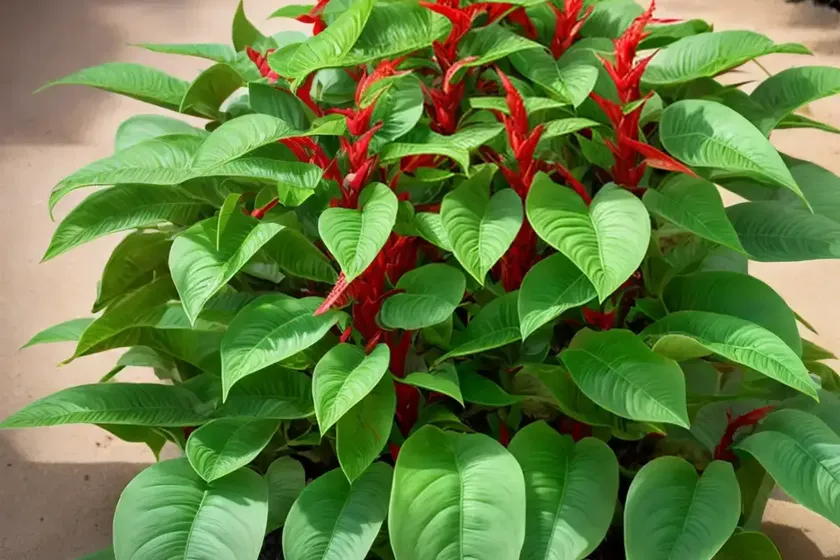
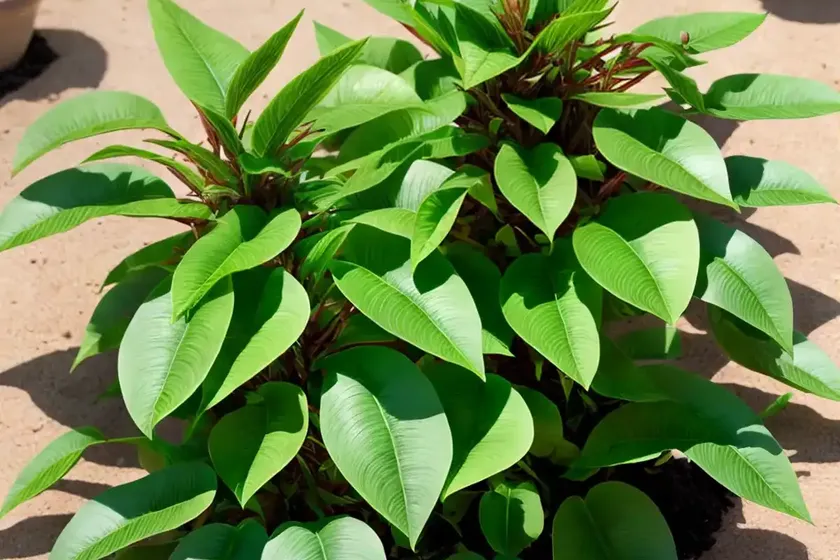
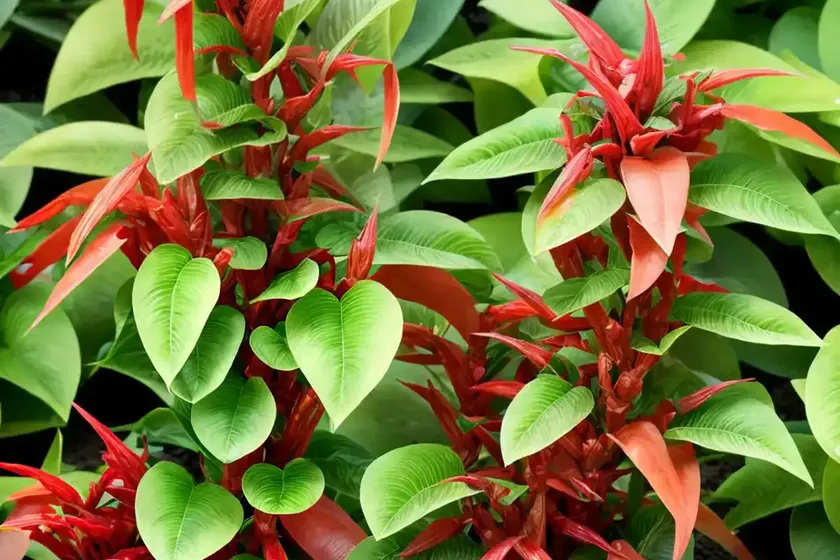
Plants are a diverse and fascinating group of living organisms that form an integral part of the ecosystem. They are not only visually appealing but also play crucial roles in providing food, shelter, and oxygen for various forms of life on Earth. As a plant scientist, I am always captivated by the beauty and diversity of plant species. In this blog post, I will delve into the captivating world of the Shrimp plant (Justicia brandegeeana), a stunning tropical plant known for its unique and vibrant flowers.
What is a Plant?
Plants are multicellular organisms belonging to the kingdom Plantae, encompassing a wide range of species with varying shapes, sizes, and habitats. They are primarily autotrophic, utilizing photosynthesis to convert light energy, carbon dioxide, and water into organic compounds, thereby serving as the foundation of the food chain. Plants exhibit remarkable adaptations that allow them to thrive in diverse environments, from lush rainforests to arid deserts. They are essential for the conservation of the environment, soil formation, and the regulation of the Earth’s climate.
Shrimp Plant (Justicia brandegeeana)
The Shrimp plant, scientifically known as Justicia brandegeeana, is a captivating tropical plant celebrated for its striking inflorescences that resemble a shrimp’s pink and white tails, thus giving rise to its common name. This plant belongs to the Acanthaceae family and is native to Mexico and Central America. The distinctive appearance of the Shrimp plant, coupled with its relative ease of care, has garnered popularity among gardeners and plant enthusiasts worldwide.
Key Takeaways – Shrimp Plant (Justicia brandegeeana)
Before delving into the specific care and cultivation practices for the Shrimp plant, it’s essential to understand the fundamental aspects of this plant, including its cultural significance, uses, water and sunlight requirements, fertilizer needs, soil preferences, pruning techniques, propagation methods, container gardening suitability, common diseases, and pest management.
Culture
The Shrimp plant holds cultural importance in various regions, where its vibrant and showy flowers are utilized in traditional practices, including garland-making and decorative arrangements. In some cultures, the plant is also associated with symbolism and used in religious ceremonies and rituals.
Uses
In addition to its ornamental value, the Shrimp plant is renowned for its potential medicinal properties. Various parts of the plant have been traditionally used to treat ailments in herbal medicine, highlighting its significance beyond its aesthetic appeal.
Water
Requirements
When it comes to watering, the Shrimp plant thrives in consistently moist but not waterlogged soil. It is essential to maintain adequate moisture levels to support healthy growth and flowering. However, it is crucial to avoid overwatering, as excessive moisture can lead to root rot and other complications.
Sunlight
The Shrimp plant exhibits a preference for bright, indirect sunlight. While it can tolerate partial shade, providing sufficient light is key to promoting robust growth and vibrant flowering. Therefore, it is best to position the plant in a location that receives ample natural light without being subjected to direct, intense sunlight.
Fertilizer
The Shrimp plant benefits from regular fertilization during the growing season, utilizing a balanced, water-soluble fertilizer to provide essential nutrients. When choosing a fertilizer, opting for a formulation designed for flowering plants can aid in stimulating prolific blooming and sustaining overall plant health.
Soil
A well-draining, rich potting mix is ideal for the Shrimp plant. The soil should possess adequate moisture retention while allowing excess water to drain freely, preventing waterlogged conditions that can compromise root health. Additionally, incorporating organic matter into the soil mix can contribute to the plant’s nutrient uptake and vitality.
Pruning
Techniques
Pruning plays a pivotal role in shaping the growth of the Shrimp plant and managing its overall appearance. Regular pruning of spent flowers and leggy growth can encourage continuous blooming and promote a compact, bushy form. It is advisable to use sharp, sterile tools when carrying out pruning to minimize stress and potential damage to the plant.
Propagation
The Shrimp plant can be propagated through stem cuttings, allowing for the creation of new plants from existing specimens. By carefully selecting healthy, non-flowering stems and providing the appropriate environmental conditions, successful propagation can be achieved, enabling the expansion of one’s Shrimp plant collection.
Container Popularity
Given its manageable size and visually striking flowers, the Shrimp plant is well-suited for container gardening, making it an appealing choice for indoor and outdoor displays. Its adaptability to containers renders it a versatile ornamental option for various living spaces, from homes to offices and outdoor patios.
Common Diseases
Disease Diagnosis
The Shrimp plant is susceptible to certain fungal diseases, such as leaf spot and powdery mildew, particularly under conditions of high humidity and inadequate air circulation. Timely identification and intervention are crucial in addressing potential disease issues and safeguarding the plant’s health.
Common Pests
Despite its resilience, the Shrimp plant can be targeted by common garden pests, including aphids and spider mites. Regular inspection of the plant and prompt action to mitigate pest infestations are essential for preventing significant damage and sustaining the plant’s vitality.
Botanist’s Tips
Optimal Care
Providing a conducive growing environment, including appropriate watering, sunlight exposure, and regular fertilization, is fundamental to fostering the well-being of the Shrimp plant. Furthermore, maintaining good airflow around the plant and employing proper cultural practices can contribute to its overall vigor.
Fun Facts
- The unique flowers of the Shrimp plant boast a fascinating resemblance to the tails of shrimps, captivating the attention of onlookers and contributing to its appeal as an ornamental plant.
- Traditionally, the Shrimp plant has been associated with symbolism and utilized in cultural practices and ceremonies, underscoring its cultural significance in various regions.
- The Shrimp plant’s mesmerizing flowers have inspired its inclusion in gardens, landscapes, and indoor spaces, adding a vibrant and distinctive touch to diverse settings.
Links to External Resources
For further information on the Shrimp plant, its care, and cultivation, refer to the following authoritative resources:
– Royal Horticultural Society: Justicia brandegeeana
– University of Florida IFAS Extension: Shrimp Plant
Shrimp plant care, Justicia brandegeeana plant, Growing shrimp plants, shrimp plant varieties, Shrimp plant flowers, Shrimp plant propagation, Shrimp plant pruning, Shrimp plant indoor, Shrimp plant outdoor, Shrimp plant water requirements, Shrimp plant sunlight needs, Shrimp plant soil type, Shrimp plant pests, Shrimp plant diseases, Shrimp plant maintenance, Shrimp plant blooming, Shrimp plant foliage, Shrimp plant potting, Shrimp plant fertilizer, Shrimp plant winter care, Shrimp plant toxicity, Shrimp plant companion plants, Shrimp plant natural habitat, Shrimp plant landscape use, Shrimp plant striking blooms, Shrimp plant low maintenance, Shrimp plant humidity requirements, Shrimp plant flower colors, Shrimp plant showy flowers, Shrimp plant container gardening, Shrimp plant unique features, Shrimp plant interesting facts, Shrimp plant perennial plant, Shrimp plant evergreen foliage, Shrimp plant colorful leaves, Shrimp plant tropical plant, Shrimp plant medicinal uses, Shrimp plant native habitat, Shrimp plant attract wildlife, Shrimp plant groundcover, Shrimp plant vibrant blooms, Shrimp plant fragrant flowers, Shrimp plant landscape design, Shrimp plant drought-tolerant, Shrimp plant shade-loving, Shrimp plant heat-tolerant, Shrimp plant cold-hardy, Shrimp plant unique appearance, Shrimp plant architectural plant, Shrimp plant striking foliage
In conclusion, the Shrimp plant (Justicia brandegeeana) stands as a captivating and versatile addition to the realm of ornamental plants, showcasing distinctive inflorescences and robust performance as an indoor and outdoor ornamental option. Understanding and implementing appropriate cultural practices, from watering and fertilization to pruning and disease management, are integral to fostering the health and vibrancy of the Shrimp plant, thus allowing enthusiasts to revel in its striking blooms and unique appeal.
As we continue to appreciate and learn about the remarkable diversity of plant species, the Shrimp plant serves as a testament to the captivating beauty and intriguing qualities that plants offer, enriching our living spaces and connecting us with the wonders of the natural world.