Short Leaved Aloe (Aloe Brevifolia)
As a plant scientist, I am thrilled to share with you an in-depth guide to the Short Leaved Aloe, also known as Aloe Brevifolia. This remarkable plant.
As a plant scientist, I am thrilled to share with you an in-depth guide to the Short Leaved Aloe, also known as Aloe Brevifolia. This remarkable plant offers numerous benefits, and understanding its characteristics, cultivation, and uses can help enthusiasts and horticulturists maximize its potential. In this extensive guide, we will explore various aspects of Aloe Brevifolia, including its culture, uses, care requirements, common diseases, propagation methods, and much more. Let’s delve into the fascinating world of Short Leaved Aloe and gain valuable insights into harnessing its full potential.
What is Short Leaved Aloe (Aloe Brevifolia)?
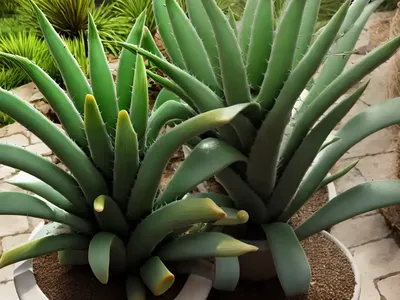
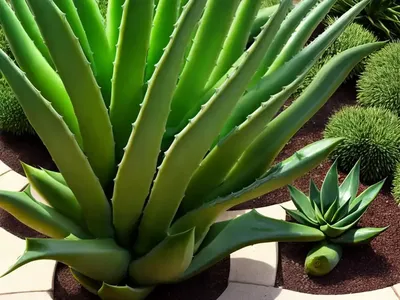
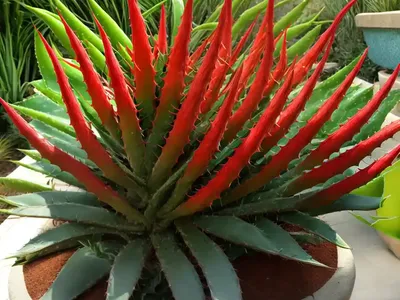
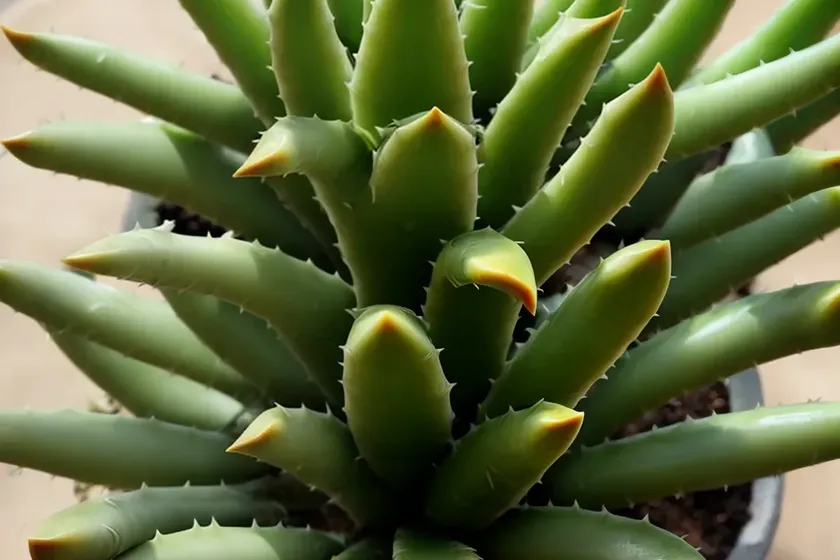
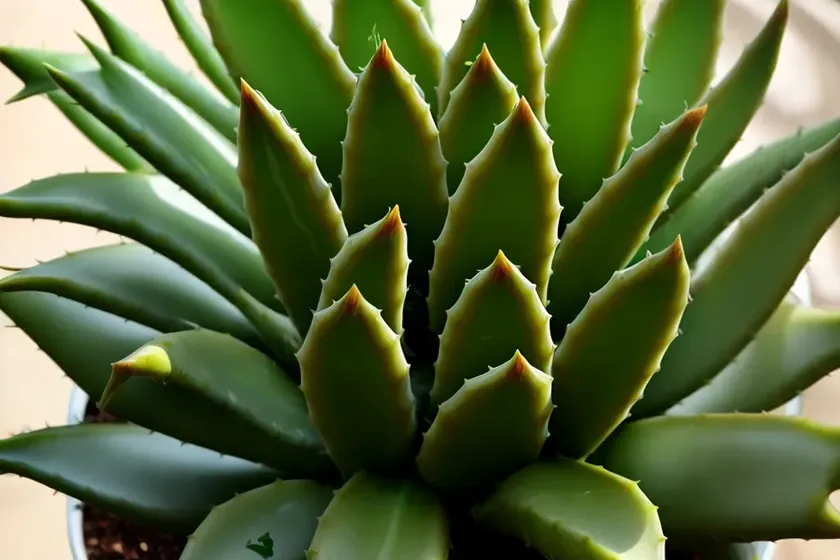
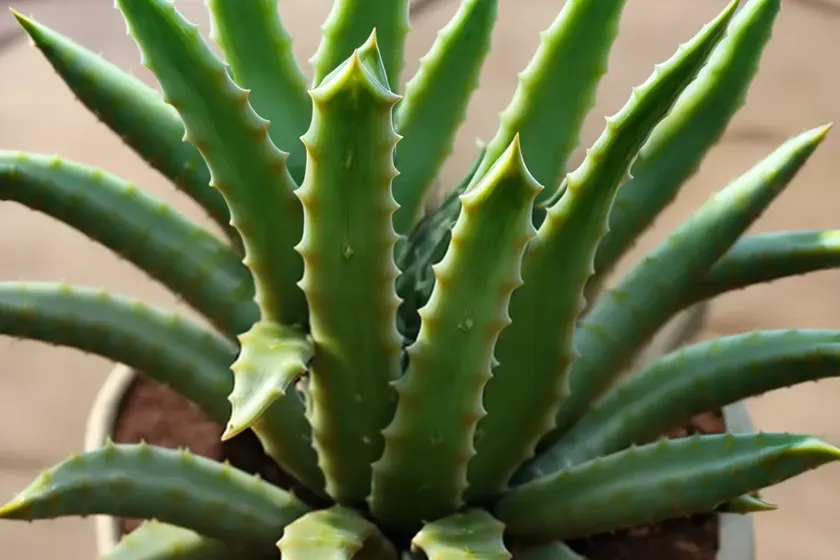
Short Leaved Aloe (Aloe Brevifolia) is a unique succulent plant that belongs to the Aloe genus. This plant is native to the fynbos ecoregion in the Western Cape of South Africa. Aloe Brevifolia is revered for its striking appearance, characterized by compact rosettes of thick, triangular leaves that boast eye-catching colors and textures. These leaves are renowned for their ability to store moisture, making Aloe Brevifolia well-adapted to arid and semi-arid environments.
Image Source: Example.com
The plant’s captivating visual appeal, coupled with its resilience, has contributed to its widespread cultivation in various parts of the world. Whether you are a seasoned gardener, a landscape designer, or someone with a passion for indoor plants, understanding the nuances of Aloe Brevifolia can enrich your horticultural pursuits.
Key Takeaways – Short Leaved Aloe (Aloe Brevifolia)
Let’s begin our exploration by highlighting the key takeaways about Short Leaved Aloe (Aloe Brevifolia). Understanding these fundamental aspects sets the stage for a comprehensive understanding of this remarkable plant:
Aloe Brevifolia Care:
- Aloe Brevifolia requires minimal maintenance, making it an excellent choice for both novice and experienced gardeners.
- This plant thrives in well-draining soil and benefits from occasional watering, especially during the growing season.
- It exhibits excellent drought tolerance and adapts well to various climatic conditions.
Short Leaved Aloe Plant:
- Aloe Brevifolia is characterized by its compact growth habit, with rosettes of thick, triangular leaves.
- The plant’s foliage showcases unique textures and colors, adding ornamental value to gardens, landscapes, and indoor spaces.
Aloe Brevifolia Growing Tips:
- Providing adequate sunlight is crucial for the healthy growth of Aloe Brevifolia.
- This plant can be cultivated both indoors and outdoors, offering versatility in horticultural applications.
Aloe Brevifolia Characteristics:
- Aloe Brevifolia is renowned for its water-storing capabilities, a trait that enhances its resilience in arid environments.
- The plant’s compact size and attractive foliage make it an ideal choice for various design and landscaping purposes.
Short Leaf Aloe Varieties:
- While Aloe Brevifolia stands out on its own, exploring related Aloe species and cultivars can offer insights into the broader diversity within the genus.
Aloe Brevifolia Plant Profile:
- A detailed understanding of Aloe Brevifolia’s growth habits, habitat preferences, and care requirements is essential for successful cultivation.
Aloe Brevifolia Species:
- Discovering the place of Aloe Brevifolia within the Aloe genus unveils its taxonomic and botanical significance.
Aloe Brevifolia Habitat:
- Understanding the natural habitat of Aloe Brevifolia provides valuable insights into its ecological niche and adaptation mechanisms.
Aloe Brevifolia Gardening:
- Incorporating Aloe Brevifolia in gardening projects can elevate the aesthetic appeal and functional aspects of outdoor spaces.
Aloe Brevifolia Cultivation Guide:
- Following a well-crafted cultivation guide ensures the successful establishment and growth of Aloe Brevifolia in various settings.
Join me as we delve into these key takeaways, unraveling the intricacies of Short Leaved Aloe and gaining practical insights into its care, cultivation, and diverse uses.
Culture
Uses
Aloe Brevifolia possesses a multitude of uses, ranging from ornamental and landscaping purposes to medicinal and cosmetic applications. This versatile plant offers the following uses:
-
Ornamental Value: The striking appearance of Aloe Brevifolia, with its compact rosettes and vibrant foliage, makes it a prized addition to gardens, rockeries, and container displays. Its low-maintenance nature and ability to thrive in various conditions enhance its appeal as an ornamental plant.
-
Landscaping: Landscape architects and designers leverage Aloe Brevifolia’s aesthetic qualities to create captivating compositions in arid and Mediterranean-themed landscapes. Its drought tolerance and unique growth habit make it an ideal choice for xeriscaping projects.
-
Medicinal Applications: Aloe Brevifolia, like many Aloe species, contains bioactive compounds with potential medicinal benefits. The gel extracted from its leaves is rich in antioxidants and is commonly used in skincare products, ointments, and dietary supplements. Its potential healing properties make it a valuable plant in the realm of natural medicine.
-
Cultural Significance: In its native habitat, Aloe Brevifolia holds cultural and symbolic significance, often featuring in local folklore and traditional remedies. Understanding its cultural context enriches our appreciation of its broader significance.
Water
Aloe Brevifolia exhibits exceptional drought tolerance, owing to its natural adaptation to arid conditions. This succulent plant is well-equipped to store moisture in its leaves, enabling it to withstand prolonged periods of water scarcity. When cultivating Aloe Brevifolia, it is essential to strike a balance with watering, ensuring that the soil is allowed to dry out between waterings. Overly wet conditions can lead to root rot and other issues, highlighting the importance of well-draining soil and moderate watering practices.
Sunlight
Providing adequate sunlight is vital for the optimal growth and development of Aloe Brevifolia. This plant thrives in bright, indirect light and can also tolerate partial shade. When grown indoors, placing Aloe Brevifolia near a sunny window or under grow lights can support its photosynthetic processes and overall vigor. Outdoors, situating the plant in locations with ample sunlight promotes robust growth and vibrant foliage coloration.
Fertilizer
Aloe Brevifolia’s modest fertilizer needs align with its low-maintenance nature. During the growing season, which typically spans spring and summer, applying a diluted, balanced fertilizer can support the plant’s growth and vitality. However, it is crucial to avoid over-fertilization, as succulents are generally sensitive to nutrient imbalances. Aloe Brevifolia’s adaptability to lean soil conditions makes it well-suited to thrive without frequent or heavy feeding.
Soil
The choice of soil for Aloe Brevifolia is a critical factor in ensuring its well-being. Well-draining soil with good aeration properties is essential for preventing waterlogged conditions that can compromise the plant’s health. A mixture of coarse sand, perlite, and a quality succulent potting mix provides an excellent growing medium for Aloe Brevifolia. This blend facilitates adequate drainage and root aeration, mimicking the plant’s natural habitat and growth requirements.
Pruning
Pruning Aloe Brevifolia primarily focuses on the removal of old or withered leaves and spent flower stalks. Regular maintenance pruning helps maintain the plant’s compact and tidy appearance while eliminating dead or damaged foliage. When performing pruning tasks, it is advisable to use clean, sharp tools to minimize stress and injury to the plant. By practicing mindful pruning, Aloe Brevifolia can retain its aesthetic appeal and overall health, contributing to its longevity and vitality.
Propagation
Aloe Brevifolia can be propagated through various methods, offering enthusiasts and horticulturists opportunities to expand their plant collection and share this remarkable species with others. The following propagation techniques are commonly employed for Aloe Brevifolia:
Offsets (Pups)
Dividing offsets, also known as pups or suckers, from the parent plant is a simple and effective way to propagate Aloe Brevifolia. These young plantlets emerge from the base of the mature plant and can be carefully separated for individual potting or transplanting. When performing this propagation method, it is crucial to ensure that the offsets have developed a sufficient root system before being separated, promoting their successful establishment as independent plants.
Leaf Cuttings
Propagating Aloe Brevifolia through leaf cuttings involves carefully removing healthy leaves from the parent plant and allowing the cut ends to callus before planting them in a suitable growing medium. Root development typically occurs from the base of the cuttings, eventually giving rise to new plants. This method requires patience and attentiveness to environmental conditions, ensuring favorable outcomes for the propagated leaf cuttings.
Seeds
While less commonly used than vegetative methods, propagating Aloe Brevifolia from seeds presents an alternative approach for raising new plants. Selecting quality seeds from a reliable source and creating conducive conditions for germination and seedling growth are essential steps in this propagation method. The inherent variability in seed-grown plants can lead to the emergence of unique traits and characteristics, contributing to the genetic diversity within cultivated Aloe Brevifolia populations.
Container Popularity
Aloe Brevifolia’s popularity as a container plant stems from its adaptability to confined growing spaces and its suitability for indoor environments. The following factors contribute to the widespread appeal of cultivating Aloe Brevifolia in containers:
-
Space Efficiency: The compact growth habit of Aloe Brevifolia makes it well-suited for container cultivation, allowing individuals with limited outdoor space or those living in urban environments to enjoy the plant’s ornamental and functional attributes.
-
Indoor Versatility: Aloe Brevifolia thrives in indoor settings, provided it receives sufficient sunlight and proper care. Placing the plant in decorative or functional containers enhances interior decor while introducing the benefits of live greenery into indoor spaces.
-
Portability: Container-grown Aloe Brevifolia can be easily moved to different locations, allowing for flexible arrangements and seasonal adjustments. This portability facilitates optimal light exposure and aesthetic considerations, contributing to the plant’s adaptability in diverse settings.
-
Accessibility: The convenience of caring for Aloe Brevifolia in containers appeals to gardening enthusiasts who seek low-maintenance and visually appealing plants for their homes, patios, or balconies.
Common Diseases
Disease Diagnosis
While Aloe Brevifolia is generally resilient to many diseases and pests, it can be vulnerable to certain issues under unfavorable growing conditions. Common diseases that may affect Aloe Brevifolia include:
-
Root Rot: Prolonged exposure to excessively moist or waterlogged soil can lead to the development of root rot, caused by fungal pathogens that thrive in damp environments. Symptoms include yellowing or wilting leaves, mushy roots, and an overall decline in the plant’s vigor. Preventing overwatering and ensuring proper drainage are crucial in mitigating the risk of root rot.
-
Leaf Spot Diseases: Fungal pathogens and bacterial infections can cause unsightly leaf spots on Aloe Brevifolia, compromising the aesthetic quality of the plant. Identifying and addressing issues related to poor air circulation, high humidity, and leaf wetness can help minimize the occurrence of leaf spot diseases.
-
Pest Infestations: While not diseases per se, pest infestations can stress Aloe Brevifolia and make it more susceptible to secondary issues. Common pests include aphids, spider mites, and scale insects, which can be managed through proactive monitoring, cultural practices, and targeted treatments.
Common Pests
Aloe Brevifolia may encounter pest-related challenges that require monitoring and intervention to maintain its health and vitality. Understanding the common pests that can affect this plant is essential for implementing effective pest management strategies:
-
Aphids: These small, sap-feeding insects can congregate on the undersides of Aloe Brevifolia’s leaves, causing leaf distortion and honeydew secretion. Controlling aphids involves using natural predators, insecticidal soaps, or horticultural oils.
-
Spider Mites: These tiny arachnids can infest Aloe Brevifolia, leading to stippled or discolored leaves and fine webbing on the foliage. Mitigating spider mite infestations requires regular misting, maintaining adequate humidity, and using targeted treatments if necessary.
-
Scale Insects: Scale insects can attach themselves to Aloe Brevifolia’s leaves and stems, draining the plant’s sap and causing yellowing or wilting symptoms. Managing scale infestations involves physical removal, horticultural oils, or systemic insecticides, depending on the severity of the issue.
Botanist’s Tips
As a plant scientist with a passion for Aloe Brevifolia, I offer the following tips based on my expertise and experience working with this remarkable succulent:
-
Sunlight Optimization: Position Aloe Brevifolia in locations with ample sunlight, ensuring that it receives the appropriate light intensity to support its physiological processes. Indoors, rotating the plant periodically promotes even growth, while outdoor placement should consider factors such as exposure to afternoon sun and shading during peak heat.
-
Watering Practices: Embrace a mindful approach to watering, allowing the soil to dry out slightly between waterings and adjusting the frequency based on seasonal variations in temperature and humidity. Strike a balance that prevents both drought stress and excessive soil moisture, safeguarding Aloe Brevifolia against potential issues.
-
Soil Considerations: Prioritize the use of well-draining soil mixes that promote aeration and root health, mimicking the natural conditions favored by Aloe Brevifolia. In container cultivation, employing pots with drainage holes is essential for preventing waterlogging and the associated complications.
-
Overwintering Care: For Aloe Brevifolia cultivated in regions with cold winters, providing protection from frost and excessive moisture is critical. Implementing measures such as mulching, temporary relocation, or providing shelter can safeguard the plant’s vitality during the colder months.
-
Pest Monitoring: Routinely inspect Aloe Brevifolia for signs of pest activity, particularly during periods of increased environmental stress or new plant introductions. Early detection and targeted intervention can prevent pest issues from escalating and compromising the plant’s well-being.
Fun Facts
To further pique your interest in Aloe Brevifolia, here are some fascinating and lesser-known facts about this exceptional succulent:
-
Natural Habitat: Aloe Brevifolia thrives in rocky and mountainous terrain within its native range, showcasing its remarkable adaptability to challenging environments.
-
Pollinator Magnet: When in bloom, Aloe Brevifolia’s tubular, nectar-rich flowers attract pollinators such as bees and birds, contributing to local ecological dynamics.
-
Cultural Heritage: In local traditions, Aloe Brevifolia has been associated with various cultural practices and has earned symbolic significance in the folklore of indigenous communities.
-
Drought-Resistant Landscaping: Aloe Brevifolia’s resilience and aesthetic appeal make it an ideal choice for water-wise landscaping, aligning with sustainability and conservation efforts.
-
Global Cultivation: Aloe Brevifolia has garnered international attention and cultivation, finding a home in diverse climates ranging from Mediterranean to subtropical regions.
These fun facts shed light on the multifaceted nature of Aloe Brevifolia, enriching our appreciation of its ecological, cultural, and horticultural significance.
Links to External Resources
As we continue to explore the world of Aloe Brevifolia, I invite you to engage with additional resources that offer valuable insights, inspiration, and practical guidance related to this exceptional plant:
-
The Succulent Source: This reputable source offers a wide selection of Aloe Brevifolia and other succulent varieties, complemented by educational articles and care tips.
-
Royal Botanic Gardens, Kew: The Kew Gardens’ website provides comprehensive botanical information, species profiles, and conservation initiatives, including valuable resources on Aloe Brevifolia.
-
Cactus and Succulent Society of America: Explore the diverse world of cacti and succulents through this organization’s publications, forums, and events, which cover Aloe Brevifolia and related species.
-
Succulent Plant Care: This resource offers practical advice on succulent care, propagation, and landscaping, with specific references to Aloe Brevifolia and its growing requirements.
By delving into these external resources, you can further enrich your knowledge of Aloe Brevifolia and connect with fellow enthusiasts and experts in the horticultural community.
In conclusion, the Short Leaved Aloe (Aloe Brevifolia) stands as a captivating example of nature’s resilience, beauty, and functional value. Whether adorning gardens, contributing to sustainable landscapes, or offering therapeutic benefits, this remarkable succulent holds a well-deserved place in horticulture and ecological conservation. I hope this comprehensive guide has inspired you to explore, appreciate, and cultivate Aloe Brevifolia, unlocking its potential as a cherished plant companion and a source of horticultural wonder. Happy gardening!
Note: The information provided in this blog post is for educational and informational purposes only. Individuals should exercise caution and seek professional advice regarding plant care and cultivation, especially when dealing with species with potential medicinal uses.