Sensation Peace Lily (Spathiphyllum ‘Sensation’)
Sensation Peace Lily, scientifically known as Spathiphyllum ‘Sensation’, is a stunning plant valued for its lush foliage and beautiful white blooms. This.
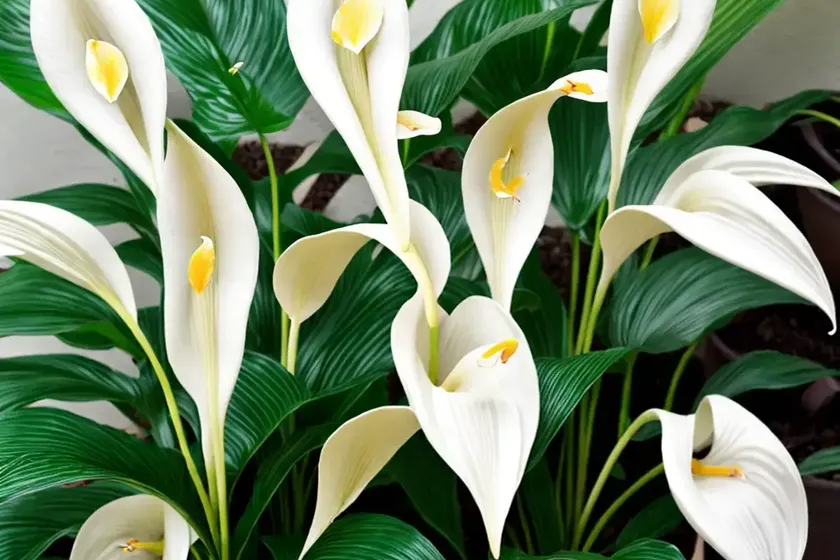
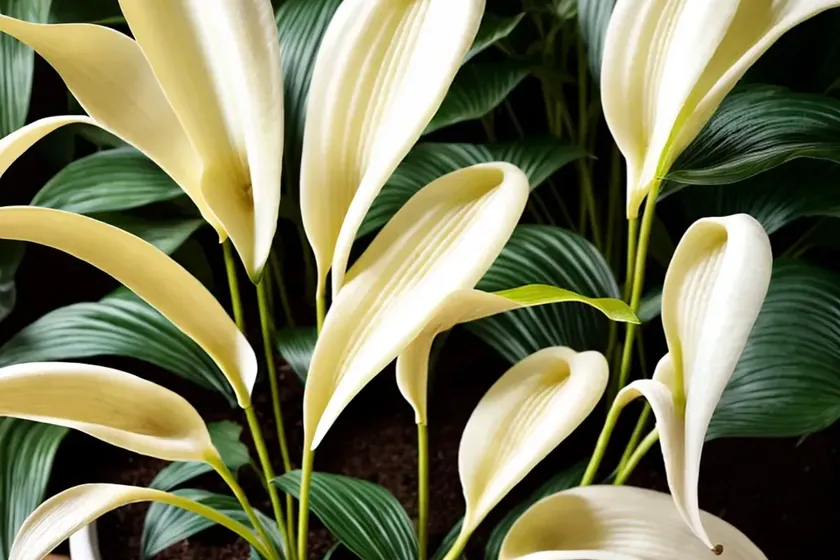
Sensation Peace Lily, scientifically known as Spathiphyllum ‘Sensation’, is a stunning plant valued for its lush foliage and beautiful white blooms. This tropical beauty is a popular choice for indoor gardening due to its air-purifying qualities and low maintenance requirements. In this comprehensive guide, we will delve into the various aspects of caring for the Sensation Peace Lily, including its culture, uses, common diseases, pests, and much more. Whether you are a seasoned plant enthusiast or just beginning your indoor gardening journey, this guide will equip you with valuable insights to ensure the optimal health and growth of your Sensation Peace Lily.
What is a Peace Lily?
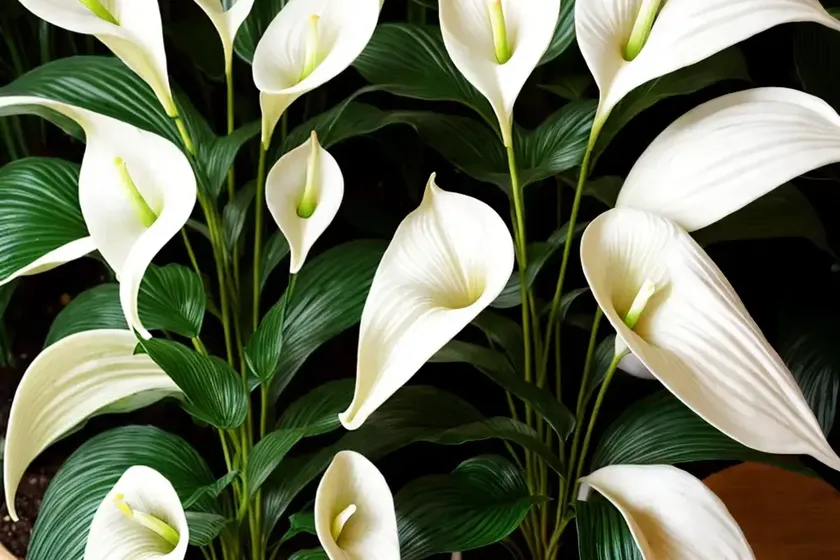
Before we dive into the specifics of the Sensation Peace Lily, it’s essential to understand the broader category of Peace Lilies. Peace Lilies refer to the flowering plants belonging to the Spathiphyllum genus, comprising approximately 47 species, primarily found in tropical regions of the Americas and Southeast Asia. These plants are renowned for their elegant, white flower spathes and deep green, glossy leaves, making them a sought-after choice for both indoor and outdoor gardens.
The Sensation Peace Lily, a cultivar of the Spathiphyllum genus, stands out for its larger size compared to other Peace Lily varieties, making it a captivating focal point in any indoor space.
Key Takeaways – Sensation Peace Lily (Spathiphyllum ‘Sensation’)
Let’s begin our exploration of the Sensation Peace Lily by summarizing its key characteristics and care requirements. Understanding these fundamental aspects will set the stage for a successful cultivation experience.
- Scientific Name: Spathiphyllum ‘Sensation’
- Common Name: Sensation Peace Lily
- Family: Araceae
- Native Habitat: Tropical regions of the Americas and Southeast Asia
- Light Requirements: Indirect, bright light
- Watering: Moderate and consistent moisture
- Air Purification: Excellent air-purifying qualities
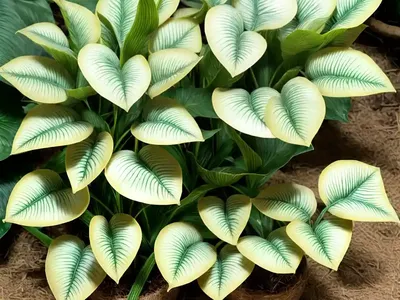
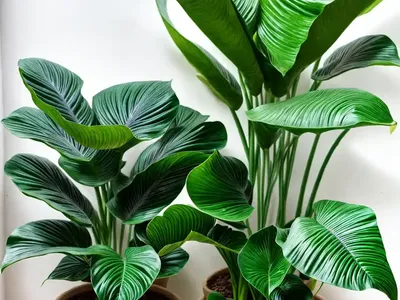
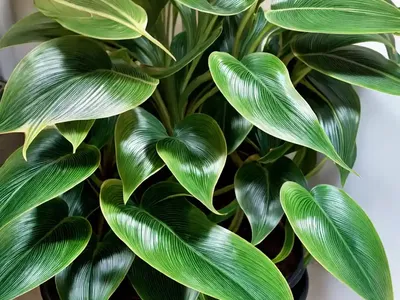
- Foliage: Large, dark green, glossy leaves
- Flowering: White spathes; blooms periodically throughout the year
- Toxicity: Mildly toxic to pets and humans if ingested
Now that we have outlined the fundamental aspects of the Sensation Peace Lily, let’s delve into the specific care aspects to ensure its thriving growth.
Culture
Uses
The Sensation Peace Lily is not only admired for its aesthetic appeal but also for its air-purifying capabilities. Its lush foliage and white blooms make it a popular choice for indoor decoration, while its ability to filter common air pollutants such as benzene, formaldehyde, and trichloroethylene adds a functional dimension to its allure.
In addition to its ornamental and air-purifying uses, the Sensation Peace Lily holds cultural significance in some societies, where it is believed to symbolize peace, prosperity, and tranquility, making it a thoughtful gift for various occasions.
Water
Proper watering is key to the health and vitality of the Sensation Peace Lily. As a tropical plant, it thrives in consistently moist soil, but it’s crucial to avoid waterlogged conditions, which can lead to root rot. The frequency of watering will vary based on environmental factors such as humidity, temperature, and light levels.
To gauge the watering needs of your Sensation Peace Lily, perform the “finger test” by inserting your index finger into the soil. If the top inch of the soil feels dry, it’s time to water the plant. Ensure thorough watering until the excess water drains out from the bottom of the pot, and then discard any accumulated water from the saucer to prevent waterlogging.
Sunlight
Sensation Peace Lilies flourish in bright, indirect light. While they can tolerate lower light conditions, consistent exposure to low light may reduce the frequency of flowering and weaken the overall growth. Avoid placing the plant in direct sunlight, as this can scorch the leaves and lead to sunburn.
Indoor locations such as near east or north-facing windows are ideal for providing the appropriate light levels for the Sensation Peace Lily. If natural light is limited, supplemental fluorescent lighting can be beneficial, particularly during the darker months.
Fertilizer
Proper fertilization contributes to the robust growth and prolific blooming of the Sensation Peace Lily. During the growing season, which typically spans from spring to early fall, use a balanced, water-soluble fertilizer diluted to half its strength. Apply the fertilizer every 6-8 weeks to provide the plant with essential nutrients.
It’s important to refrain from over-fertilizing, as this can result in salt accumulation in the soil, leading to potential root damage. During the dormant winter months, reduce or halt the fertilization regimen, resuming it as the plant enters its active growing phase.
Soil
The selection of an appropriate potting mix is pivotal in ensuring the optimal growth of the Sensation Peace Lily. A well-draining, high-quality potting mix with a proportionate blend of peat moss, perlite, and organic matter serves as an ideal medium for the plant.
The soil should retain moisture without becoming waterlogged, promoting healthy root development and preventing the onset of root rot. When repotting the Sensation Peace Lily, choose a slightly larger container to accommodate its expanding root system and replenish the soil to provide ample nutrients.
Pruning
Pruning plays a significant role in maintaining the attractive appearance of the Sensation Peace Lily and managing its growth. Regular removal of yellowed or fading leaves not only enhances the plant’s aesthetic appeal but also prevents the potential spread of diseases and pests.
When pruning the plant, use sharp, sterile scissors or pruning shears to make clean cuts, minimizing the risk of damage or infection. It’s essential to prune at a slight angle, ensuring that excess water does not pool on the cut surface, which can invite pathogens.
Propagation
Propagation of the Sensation Peace Lily can be achieved through various methods, including division, root cuttings, and offshoots. The most common and straightforward approach is division, typically carried out during the spring when the plant is actively growing.
To propagate through division, carefully remove the plant from its pot and gently separate the root ball into smaller sections, each containing several stems and healthy roots. Replant the divisions in individual containers filled with fresh potting mix and provide them with adequate moisture and light to encourage new growth.
Container Popularity
Due to its impressive size and striking appearance, the Sensation Peace Lily is often showcased as a standalone specimen in decorative containers, accentuating its elegance and visual impact. Various container materials, including ceramic, terracotta, and plastic, complement the lush, vibrant foliage and radiant white blooms of the plant, enhancing its aesthetic appeal.
When selecting a container for the Sensation Peace Lily, prioritize options that offer ample drainage holes to prevent waterlogging, allowing excess water to escape and maintain a healthy root environment.
Common Diseases
Disease Diagnosis
Despite its overall resilience, the Sensation Peace Lily is susceptible to certain diseases and conditions that can hinder its growth if left unchecked. Understanding the symptoms and appropriate management measures is crucial for maintaining the plant’s vitality.
Here are some common diseases and their diagnostic signs:
- Root Rot: Yellowing and wilting of leaves, accompanied by a foul odor and dark, mushy roots when inspected.
- Leaf Spot: Circular, dark spots or lesions on the foliage, often surrounded by a yellow halo, indicating fungal or bacterial infection.
- Powdery Mildew: White, powdery patches on the leaves, typically occurring in humid conditions and inadequate air circulation.
- Botrytis Blight: Brown or grayish mold on flowers and leaves, often accompanied by wilting and decay.
Common Pests
Botanist’s Tips
Caring for the Sensation Peace Lily can be a deeply rewarding experience when approached with attentiveness and diligence. Here are some expert tips to ensure the optimal health and beauty of your plant:
- Consistent Watering: Maintain a steady watering schedule, keeping the soil moist but not soggy to promote healthy growth and flowering.
- Regular Grooming: Prune and remove spent blooms and foliage regularly to maintain the plant’s appearance and prevent the spread of diseases.
- Observation: Monitor the plant for any signs of pests, diseases, or nutritional deficiencies, addressing them promptly to mitigate their impact on the plant.
- Humidity Management: Provide adequate humidity levels by misting the foliage or placing the pot on a pebble tray filled with water to create a humid microenvironment around the plant.
Fun Facts
- Peace Lilies, including the Sensation variety, are renowned for their remarkable air-purifying capabilities, effectively filtering common indoor pollutants and enhancing the quality of the surrounding environment.
- While the white blooms of the Sensation Peace Lily are visually captivating, the plant is relatively low-maintenance, making it an excellent choice for novice gardeners and busy households.
- The Sensation Peace Lily’s ability to thrive in low light conditions makes it an adaptable and versatile addition to various indoor settings, including offices, bedrooms, and living spaces.
Links to External Resources
For further enrichment of your knowledge on Sensation Peace Lily care and cultivation, the following external resources provide valuable insights and guidance:
- University of Florida IFAS Extension: Peace Lily – Spathiphyllum spp.
- The Old Farmer’s Almanac: Peace Lily (Spathiphyllum)
- American Society for the Prevention of Cruelty to Animals (ASPCA): Toxic and Non-Toxic Plants – Peace Lily
In conclusion, cultivating the Sensation Peace Lily offers an enriching and aesthetically rewarding journey for plant enthusiasts and indoor gardeners. By providing the plant with the appropriate cultural conditions, regular care, and attentive monitoring, you can enjoy the exquisite beauty and air-purifying benefits of this remarkable tropical specimen. Whether adorning your home or office, the Sensation Peace Lily is a captivating addition that brings tranquility and elegance to its surroundings.