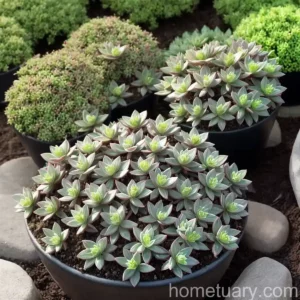
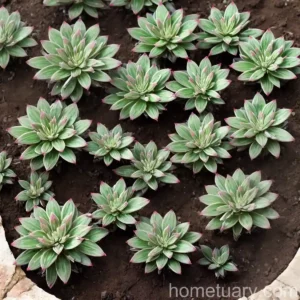
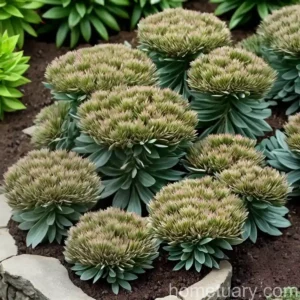
Sedum ‘Herbstfreude’ (‘Autumn Joy’) Plant Care Guide
Sedum ‘Herbstfreude’, commonly known as ‘Autumn Joy’, is a delightful perennial plant that adds a delightful touch of color to any garden. This resilient and low-maintenance plant is a favorite among gardeners due to its ability to thrive in various conditions and its stunning fall display. In this comprehensive plant care guide, we will delve into the various aspects of caring for Sedum ‘Herbstfreude’, including its culture, uses, water requirements, sunlight needs, fertilizer, soil, pruning, propagation, container gardening, common diseases, and pests. Additionally, we will explore essential botanist’s tips, fun facts, and provide links to external resources for further information.
What is Sedum ‘Herbstfreude’ (‘Autumn Joy’)?
Sedum ‘Herbstfreude’, known as ‘Autumn Joy’, is a herbaceous perennial plant that belongs to the Crassulaceae family. This succulent plant is native to China and is characterized by its fleshy, succulent leaves and large clusters of tiny flowers that bloom in late summer and autumn, attracting pollinators such as bees and butterflies.
Key Takeaways – Sedum ‘Herbstfreude’ (‘Autumn Joy’)
Before we delve into the details of caring for Sedum ‘Herbstfreude’, let’s explore its key takeaways, including its growth habits, drought tolerance, and landscape uses.
- Growth Habits: Sedum ‘Herbstfreude’ is a clump-forming perennial that typically grows to a height of 18-24 inches and spreads about 18-23 inches.
- Drought Tolerant: This plant exhibits excellent drought tolerance, making it an ideal choice for water-wise gardens and landscapes.
- Landscape Uses: Sedum ‘Herbstfreude’ is commonly used in rock gardens, borders, and as a ground cover due to its low-growing and spreading nature.
Now, let’s delve into the essential aspects of caring for this versatile plant.
Culture
USDA Hardiness Zones: 3-11
Uses
Sedum ‘Herbstfreude’ offers a multitude of uses in various garden settings, ranging from traditional landscapes to modern and minimalist designs. Some of its popular uses include:
- Ground Cover: Due to its low-growing and spreading nature, ‘Autumn Joy’ sedum is an excellent ground cover option, particularly on slopes or areas that require erosion control.
- Rock Gardens: Its drought tolerance and low-maintenance nature make it an ideal candidate for rock gardens, adding texture and color to the landscape.
- Borders and Edging: The mounding form and vibrant flowers of Sedum ‘Herbstfreude’ make it a stunning choice for borders and edging in garden beds.
- Container Planting: This Sedum variety thrives in containers, adding visual interest to patio pots, window boxes, and mixed planters.
Water
Sedum ‘Herbstfreude’ is known for its remarkable drought tolerance, making it an excellent choice for dry and arid climates. While this plant can survive prolonged periods without water, it thrives best with moderate moisture, particularly during its active growing season. Adequate watering is crucial during the plant’s establishment phase.
Water Needs
- Established Plants: Once established, ‘Autumn Joy’ sedum generally requires minimal watering. Water deeply but infrequently, allowing the soil to dry out between waterings.
Sunlight
Proper sunlight is crucial for the health and blooming of Sedum ‘Herbstfreude’.
Sunlight Requirements
- Full Sun: This plant thrives in bright, full sunlight. Ensure that it receives at least 6-8 hours of direct sunlight per day for optimal growth and flowering.
Fertilizer
Sedum ‘Herbstfreude’ is not particularly demanding when it comes to fertilization. However, providing it with occasional nourishment can promote healthier growth and more vibrant blooms.
Fertilizer Application
- Spring Feeding: In early spring, apply a balanced, slow-release fertilizer around the base of the plant to provide it with essential nutrients for the growing season.
- Avoid Excessive Fertilization: Refrain from over-fertilizing, as excessive nutrients can lead to leggy growth and reduced flowering.
Soil
The right soil conditions are essential for the success of Sedum ‘Herbstfreude’.
Soil Requirements
- Well-Draining Soil: ‘Autumn Joy’ sedum thrives in well-draining, moderately fertile soil. It is highly adaptable and can tolerate various soil types, including sandy or rocky soils.
- pH Levels: It prefers slightly acidic to slightly alkaline soil with a pH range of 6.0-7.5.
Pruning
Proper pruning plays a vital role in maintaining the appearance and vigor of Sedum ‘Herbstfreude’.
Pruning Techniques
- Spring Pruning: In early spring, remove any remaining foliage from the previous year to allow new growth to emerge.
- Deadheading: To promote continuous blooming and prevent self-seeding, deadhead the faded flowers throughout the summer and early fall.
Propagation
Propagating Sedum ‘Herbstfreude’ is relatively straightforward and can be done through several methods.
Propagation Techniques
- Division: Divide mature clumps in spring or early summer, ensuring that each division has several healthy stems and roots.
- Cuttings: Take stem cuttings in late spring and place them in well-draining soil to encourage root development.
Container Popularity
Sedum ‘Herbstfreude’ is a popular choice for container gardening due to its compact growth habit and low-maintenance nature.
Container Care
- Well-Draining Soil: Use a well-draining potting mix to ensure adequate drainage for the roots.
- Watering: Monitor the soil moisture in containers, ensuring that it doesn’t become waterlogged, particularly during the winter months.
Common Diseases
While Sedum ‘Herbstfreude’ is relatively resistant to most diseases, there are a few issues to watch out for.
Disease Diagnosis
- Powdery Mildew: In humid conditions, the plant may be susceptible to powdery mildew, presenting as a white, powdery coating on the foliage. Improve air circulation and consider fungicidal treatments if the issue persists.
- Root Rot: Overly wet soil can lead to root rot in sedums. Ensure proper drainage to prevent this issue.
Common Pests
Despite its resilience, ‘Autumn Joy’ sedum may occasionally attract certain pests.
Pest Control
- Aphids: Keep an eye out for aphids, particularly on new growth, and use insecticidal soap to control infestations.
- Slugs and Snails: These pests may feed on the tender foliage of sedums. Use organic slug and snail control methods to protect the plants.
Botanist’s Tips
- Incorporate Sedum ‘Herbstfreude’ in pollinator gardens to attract bees, butterflies, and other beneficial insects.
- Combine it with ornamental grasses, coneflowers, and other late-season bloomers for a visually stunning fall display.
- Consider using ‘Autumn Joy’ sedum in xeriscaping projects to create water-wise landscapes.
Fun Facts
- The flowers of Sedum ‘Herbstfreude’ undergo a captivating transformation, starting as pale green buds and gradually turning to pink, then deepening to a rich copper color in the fall.
- This plant’s succulent leaves store water, making it well-suited to hot, dry conditions.
Links to External Resources
For further information on Sedum ‘Herbstfreude’ (‘Autumn Joy’) and its care, refer to the following resources:
- The Spruce – Sedum ‘Herbstfreude’
- Missouri Botanical Garden – Sedum ‘Herbstfreude’
- Royal Horticultural Society – Sedum ‘Herbstfreude’ Plant Profile
In conclusion, Sedum ‘Herbstfreude’ (‘Autumn Joy’) is a versatile and resilient perennial plant that is cherished for its low-maintenance nature, stunning flowers, and adaptability to various growing conditions. By following the recommended care guidelines and incorporating it into diverse garden settings, you can enjoy the beauty and charm of this remarkable plant throughout the seasons.