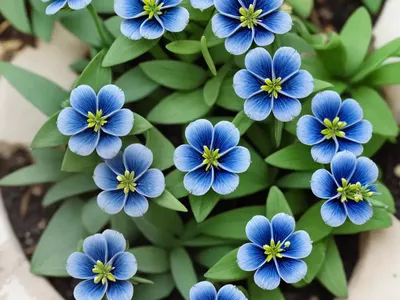
Scarlet Pimpernel (Anagallis Arvensis)
Plants are living organisms belonging to the kingdom Plantae, encompassing a wide range of species, varying from tiny mosses to towering trees. These.
What is a Plant?
Plants are living organisms belonging to the kingdom Plantae, encompassing a wide range of species, varying from tiny mosses to towering trees. These organisms play a crucial role in the ecosystem, providing oxygen, food, and habitats for numerous organisms. Their diversity and adaptability make them integral components of the Earth’s biosphere.
Among the multitude of plant species, the Scarlet Pimpernel (Anagallis arvensis) stands out as a fascinating and versatile plant. From its cultural significance to its uses and care requirements, this plant offers a rich tapestry of botanical interest. In this comprehensive guide, we will explore the various aspects of the Scarlet Pimpernel, encompassing its cultural significance, uses, and tips for its cultivation and care.
Plant Name: Scarlet Pimpernel (Anagallis arvensis)
The Scarlet Pimpernel, known scientifically as Anagallis arvensis, is a delicate flowering plant that belongs to the Primulaceae family. This bright and cheerful plant is native to Europe and has been introduced to various other parts of the world.
Key Takeaways – Scarlet Pimpernel (Anagallis arvensis)
Before delving into the cultivation and care of the Scarlet Pimpernel, it is essential to understand its key attributes and characteristics. Here are the key takeaways about this captivating plant:
– Scarlet Pimpernel has cultural and historical significance, with references in folklore and literature.
– It possesses medicinal properties and has been used in traditional herbal remedies.
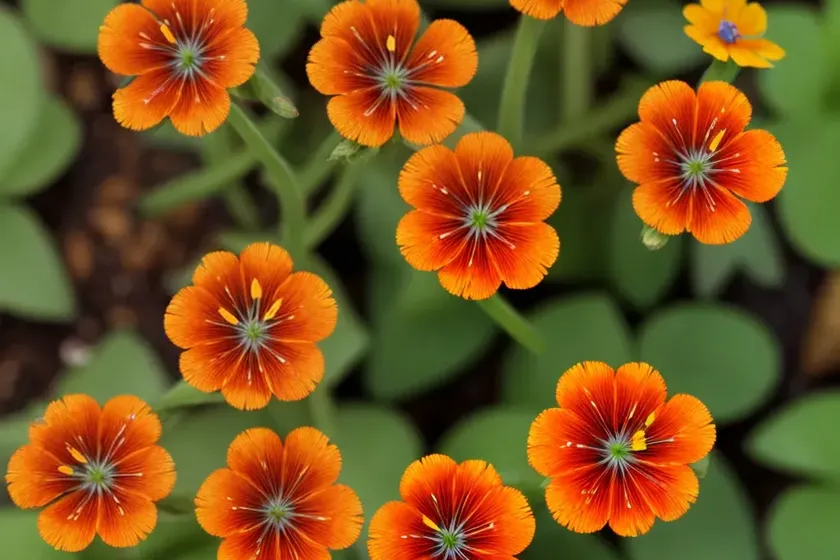
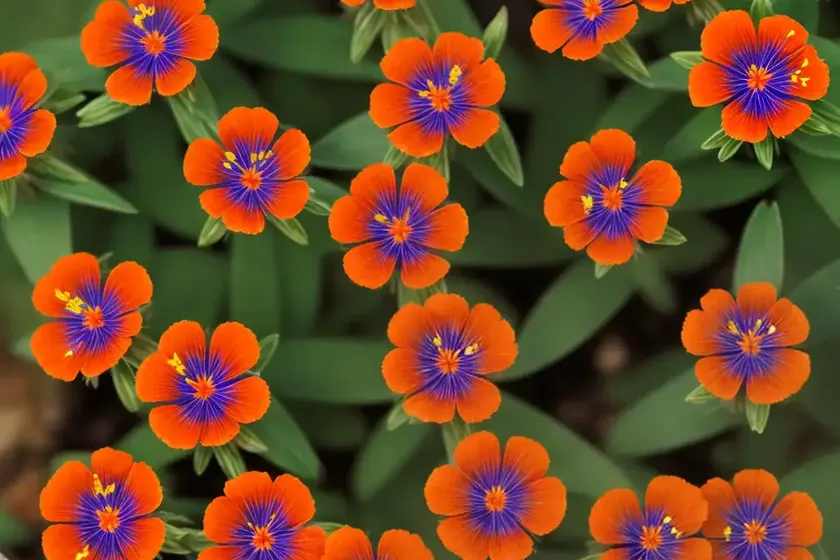
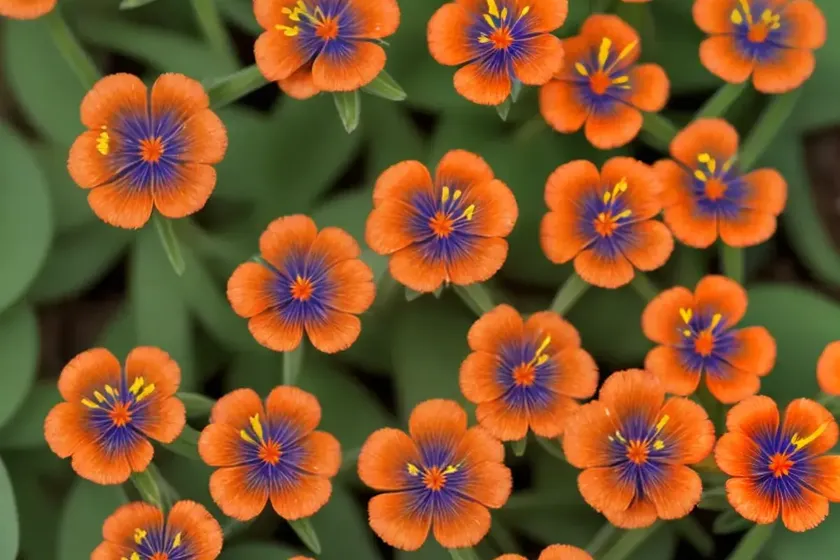
– The Scarlet Pimpernel is known for its vibrant red flowers and is a favorite in ornamental gardening.
– This plant requires specific cultural conditions, including sunlight, water, and soil preferences, for optimal growth.
– Susceptibility to certain diseases and pests requires careful attention to maintenance and care.
Now that we have an overview of the key aspects of the Scarlet Pimpernel, let’s delve into each aspect in detail to gain a comprehensive understanding of this captivating plant.
Culture
The culture of the Scarlet Pimpernel encompasses its historical and cultural significance, as well as its uses and interactions in the natural environment. Understanding the culture of this plant provides valuable insights into its broader importance and applications.
Uses
The uses of the Scarlet Pimpernel span traditional remedies, ornamental gardening, and ecological interactions. It is crucial to appreciate the diverse applications of this plant to comprehend its significance fully.
Medicinal Properties
Scarlet Pimpernel benefits:
– The Scarlet Pimpernel is known for its medicinal properties, with historical applications in traditional herbal remedies.
– Its extracts have been used to address various conditions, highlighting its therapeutic potential and importance in traditional medicine.
Ornamental Gardening
Anagallis arvensis uses:
– Due to its vibrant red flowers and delicate appearance, the Scarlet Pimpernel is highly valued as an ornamental plant.
– The plant’s aesthetic appeal makes it a popular choice for gardens and landscaping, contributing to its cultural and horticultural significance.
Ecological Interactions
Scarlet Pimpernel wildlife interactions:
– The Scarlet Pimpernel plays a role in supporting pollinators and contributes to the biodiversity of its native habitats.
– Understanding its interactions with wildlife provides insights into its ecological importance and its place in natural ecosystems.
Water
Water is an essential element for the growth and survival of the Scarlet Pimpernel. Proper watering practices are integral to maintaining its health and promoting optimal blooming.
- Watering Requirements: The Scarlet Pimpernel thrives in well-drained soil and prefers moderate watering. It is essential to avoid waterlogging, which could lead to root rot.
- Seasonal Variations: Adjusting the watering frequency based on seasonal variations is crucial. During periods of high temperatures, the plant may require more frequent watering to prevent dehydration.
Sunlight
Sunlight plays a vital role in the growth and flowering of the Scarlet Pimpernel. Understanding its sunlight requirements is essential for cultivating this plant successfully.
- Sunlight Preferences: The Scarlet Pimpernel thrives in partial to full sunlight, requiring at least 6 hours of direct sunlight per day for optimal growth.
- Light Intensity: Providing adequate sunlight promotes robust growth and enhances the vibrancy of the plant’s flowers.
Fertilizer
Fertilization is an important aspect of nurturing the Scarlet Pimpernel, ensuring that it receives the necessary nutrients for healthy development and prolific blooming.
- Fertilizer Type: A balanced, all-purpose fertilizer can be applied during the plant’s active growth periods, following the manufacturer’s recommended dilution and application instructions.
- Frequency: Fertilization can be carried out in early spring to support the plant’s growth and again in midsummer to sustain flowering.
Soil
The soil composition and quality significantly influence the growth and development of the Scarlet Pimpernel. Understanding its soil preferences is essential for creating an optimal growing environment.
- Soil Type: Well-drained, loamy soil that is rich in organic matter is ideal for cultivating the Scarlet Pimpernel.
- Acidity: The plant thrives in slightly acidic to neutral soil conditions, with a pH range of 6.0 to 7.0 being suitable for its growth.
Pruning
Pruning is an essential aspect of maintaining the health and aesthetics of the Scarlet Pimpernel. Proper pruning practices contribute to the plant’s overall vitality and appearance.
- Pruning Techniques: Regular deadheading of spent flowers and the removal of damaged or diseased foliage can promote continuous blooming and prevent the spread of diseases.
- Timing: Pruning can be performed throughout the growing season, with more significant pruning carried out in early spring to rejuvenate the plant.
Propagation
Propagation methods provide opportunities to expand the presence of the Scarlet Pimpernel in gardens and landscapes. Understanding effective propagation techniques is valuable for plant enthusiasts and horticulturalists.
Propagation Methods
Scarlet Pimpernel propagation methods:
1. Seed Propagation: The Scarlet Pimpernel can be propagated from seeds sown directly into the soil in the spring or fall, fostering new plants with minimal intervention.
2. Division: Clump division can be carried out to separate and replant established clumps of the Scarlet Pimpernel, enabling the expansion of its presence in the garden.
Container Popularity
The Scarlet Pimpernel’s ornamental value and adaptability make it a popular choice for container gardening. Its vibrant flowers and low-growing habit contribute to its appeal in container plantings.
Container Common Diseases
Container cultivation of the Scarlet Pimpernel presents unique considerations, including the management of potential diseases that may affect the plant in confined growing environments.
Disease Diagnosis
Anagallis arvensis disease diagnosis:
– Common diseases, such as powdery mildew and leaf spot, may affect the Scarlet Pimpernel when grown in containers, requiring timely diagnosis and intervention to mitigate their impact.
Common Pests
Pests can pose challenges to the successful cultivation of the Scarlet Pimpernel in containers, necessitating vigilant monitoring and pest management measures.
Pest Control
Scarlet Pimpernel pest control:
– Control measures, including the use of horticultural oils and insecticidal soaps, can be employed to manage pests such as aphids and spider mites that may target the Scarlet Pimpernel in container settings.
Botanist’s Tips
As a plant scientist, I offer the following tips for the cultivation and care of the Scarlet Pimpernel based on its botanical characteristics and requirements.
Fun Facts
Uncover intriguing insights about the Scarlet Pimpernel through engaging fun facts that shed light on its unique attributes and cultural significance.
- The Scarlet Pimpernel’s scientific name, Anagallis arvensis, reflects its association with the field or arable land, emphasizing its natural habitat preferences.
- Its vibrant flowers, which open during sunny weather and close in overcast conditions, have earned it the common name “Poor man’s weather-glass.”
Links to External Resources
For additional information and resources on the Scarlet Pimpernel, explore the following links:
– Royal Horticultural Society – Scarlet Pimpernel Information
– USDA Plants Database – Anagallis arvensis
In summary, the Scarlet Pimpernel (Anagallis arvensis) represents an intriguing and versatile plant with cultural, medicinal, and ornamental significance. Its cultivation and care entail attention to specific cultural practices and disease management, ensuring the optimal growth and blooming of this captivating species.
Through a deeper understanding of its uses, ecological significance, and cultural associations, we can appreciate the multifaceted nature of the Scarlet Pimpernel and its contributions to horticulture, folklore, and natural ecosystems.
References:
– Royal Horticultural Society. “Anagallis arvensis (Scarlet Pimpernel).” https://www.rhs.org.uk/plants/1138/i-anagallis-arvensis-i/details
– USDA Plants Database. “Anagallis arvensis.” https://plants.sc.egov.usda.gov/home/plantProfile?symbol=ANAR3