Sansevieria Ehrenbergii (Sansevieria Samurai Dwarf’)
Sansevieria, commonly known as snake plant or mother-in-law’s tongue, is a popular and low-maintenance houseplant. Among the numerous varieties of.
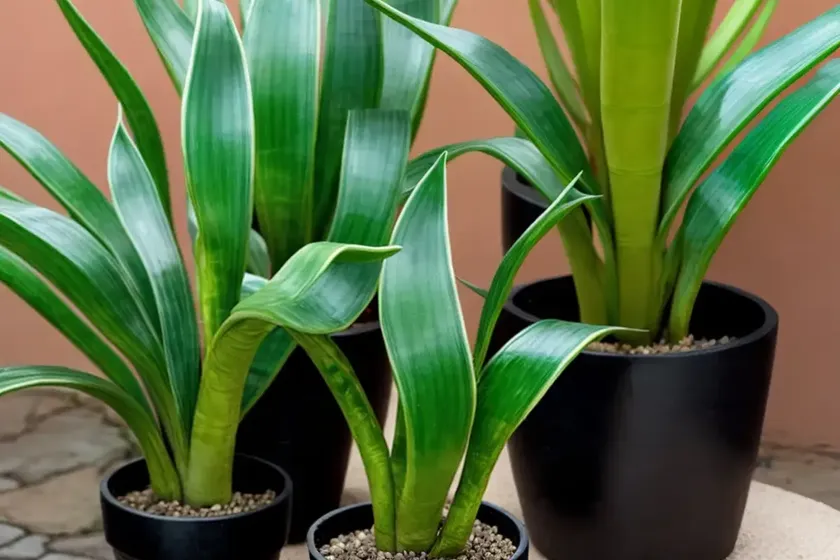
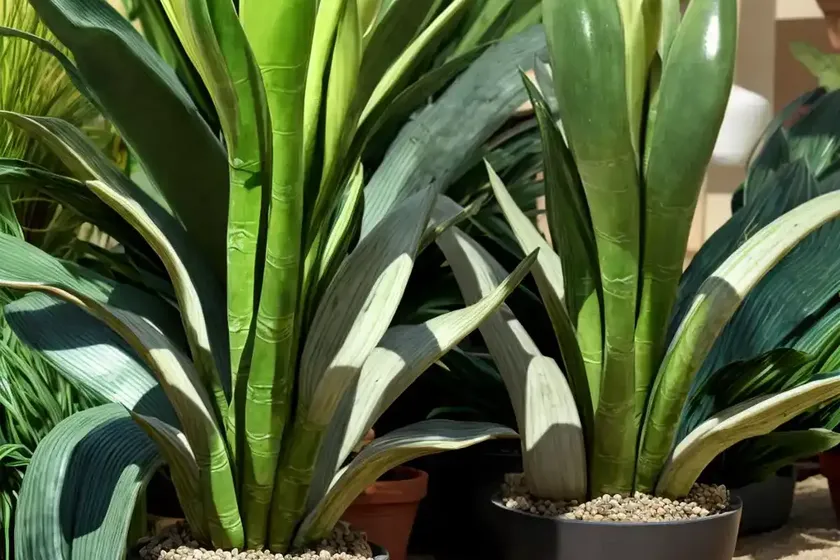
Sansevieria, commonly known as snake plant or mother-in-law’s tongue, is a popular and low-maintenance houseplant. Among the numerous varieties of Sansevieria, the Sansevieria ehrenbergii, particularly the ‘Sansevieria Samurai Dwarf,’ stands out for its unique appearance and ease of care. In this comprehensive care guide, we will delve into everything you need to know about the Sansevieria Samurai Dwarf, from its cultural requirements to its role in enhancing home decor and promoting indoor air quality.
What is Sansevieria Ehrenbergii (Sansevieria Samurai Dwarf)?
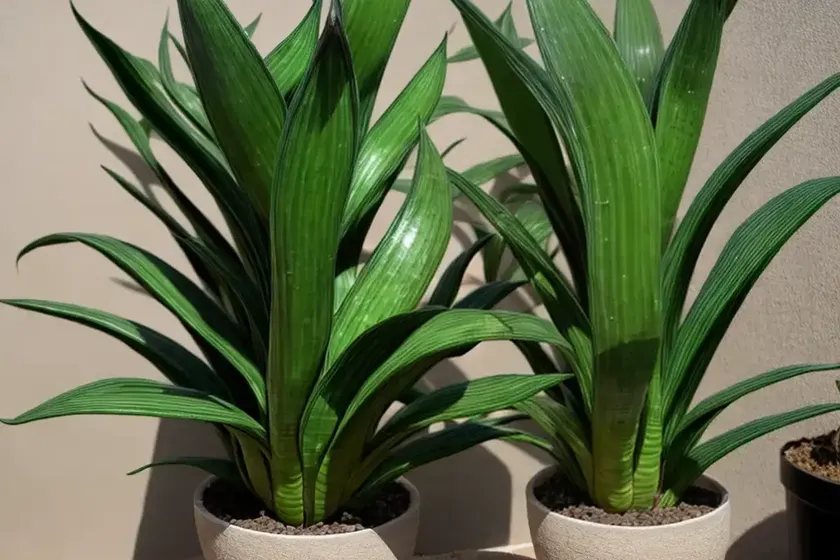
Sansevieria ehrenbergii, also known as the samurai dwarf, is a stunning succulent plant belonging to the Asparagaceae family. It is a compact and attractive variety of Sansevieria characterized by its striking sword-shaped leaves with intricate patterns. The Sansevieria Samurai Dwarf is a slow-growing plant, which makes it an excellent choice for beginners and enthusiasts alike. Its upright growth habit and variegated foliage make it an ideal addition to indoor and outdoor gardens, as well as office spaces and various decorative settings.
Key Takeaways – Sansevieria Ehrenbergii (Sansevieria Samurai Dwarf)
Before diving into the specifics of caring for the Sansevieria Samurai Dwarf, let’s take a look at the key takeaways that we will explore in this care guide:
- Culture – Understanding the natural habitat and growth habits of the Sansevieria Samurai Dwarf.
- Uses – Exploring the practical and aesthetic uses of this unique plant variety.
- Water – Establishing a suitable watering schedule for optimal growth.
- Sunlight – Determining the sunlight requirements for the Sansevieria Samurai Dwarf.
- Fertilizer – Selecting appropriate fertilizers and understanding the feeding needs of this plant.
- Soil – Identifying the best soil composition for healthy growth.
- Pruning – Learning about the occasional pruning requirements for the Sansevieria Samurai Dwarf.
- Propagation – Exploring propagation methods to expand your collection of Sansevieria Samurai Dwarf plants.
- Container – Selecting the right container and addressing the potential challenges of container gardening.
- Popularity – Understanding the appeal and rising popularity of the Sansevieria Samurai Dwarf.
- Common Diseases – Identifying and addressing potential diseases that may affect this plant.
- Disease Diagnosis – Understanding the symptoms and diagnosing diseases in Sansevieria Samurai Dwarf.
- Common Pests – Identifying and implementing pest control measures for common invaders.
- Botanist’s Tips – Expert advice and tips for successful Sansevieria Samurai Dwarf care.
- Fun Facts – Discovering intriguing and lesser-known facts about this unique plant variety.
Now, let’s explore each of these aspects in detail to ensure that you can provide the best possible care for your Sansevieria Samurai Dwarf.
Culture
Understanding the cultural requirements of the Sansevieria Samurai Dwarf is essential for providing an environment that promotes healthy and vigorous growth. This section will explain the plant’s natural habitat and growth habits, enabling you to mimic these conditions to the best of your ability.
Habitat and Growth Habits
Native to the arid regions of East Africa, including Kenya and Tanzania, the Sansevieria ehrenbergii thrives in environments characterized by well-draining soil, ample sunlight, and infrequent watering. This species has adapted to survive in dry, challenging conditions, leading to its remarkable tolerance to neglect and resilience in the face of various environmental stressors.
Uses
The Sansevieria Samurai Dwarf boasts a diverse range of practical and aesthetic uses, making it a versatile and valuable addition to any plant collection. Understanding these uses can help you appreciate the plant’s significance and determine the most suitable placement within your home or garden.
Practical Uses
Beyond its ornamental value, the Sansevieria Samurai Dwarf serves practical purposes in indoor environments. Due to its capacity to purify indoor air, this variety of Sansevieria makes for an ideal choice in spaces where air quality may be a concern. Its air-purifying abilities stem from its capability to remove toxins such as formaldehyde and benzene from the surrounding atmosphere, contributing to a healthier indoor environment.
Aesthetic Uses
The Sansevieria Samurai Dwarf’s unique appearance and striking foliage make it a popular choice for interior decoration and landscaping. Its compact size and slow growth make it suitable for small spaces and intricate plant arrangements, while its variegated leaves add visual interest and texture to any setting. Whether used as a standalone specimen or combined with other plants, the Samurai Dwarf creates an appealing and captivating display.
Water
Establishing a proper watering schedule is crucial for the successful cultivation of the Sansevieria Samurai Dwarf. As a drought-tolerant plant, the Samurai Dwarf has specific water requirements that must be met to ensure healthy growth without risking root rot or other moisture-related issues.
Watering Schedule
Due to its natural adaptation to dry environments, the Sansevieria Samurai Dwarf is best characterized as a low-water plant. It is essential to allow the soil to dry out almost completely between waterings. Prolonged periods of moisture can lead to root rot and other water-related problems, making it crucial to exercise restraint when watering this species.
Monitoring Moisture Levels
To ensure that you are providing optimal care in terms of watering, consider using a simple moisture meter to gauge the soil’s dryness. Insert the meter into the soil to determine whether it is time to water the plant. Alternatively, you can perform the “finger test” by inserting your finger into the soil to assess its moisture content. If the top few inches of the soil feel dry, it is likely time to water your Sansevieria Samurai Dwarf.
Avoiding Overwatering
Overwatering is one of the primary threats to the health of the Sansevieria Samurai Dwarf. It is essential to resist the temptation to water the plant too frequently or excessively. By adhering to the recommended watering schedule and allowing the soil to dry out appropriately between waterings, you can mitigate the risk of water-related issues and promote robust growth in your Samurai Dwarf.
Sunlight
Understanding the sunlight requirements of the Sansevieria Samurai Dwarf is essential for providing an environment that promotes healthy growth and vibrant foliage. Adequate exposure to sunlight is crucial for sustaining the plant’s metabolic processes and maintaining its attractive appearance.
Sunlight Preferences
The Sansevieria Samurai Dwarf thrives in bright, indirect light. While it can tolerate some degree of direct sunlight, prolonged exposure to intense sun rays may lead to sunburn and damage the plant’s leaves. Therefore, it is advisable to position the plant in a location that receives filtered or indirect sunlight, such as near a north-facing window or in a well-lit room with ample natural light.
Adapting to Low-Light Conditions
One of the remarkable features of the Sansevieria Samurai Dwarf is its ability to adapt to low-light conditions. While it prefers bright, indirect light, it can also thrive in areas with reduced natural light. This adaptability makes the Samurai Dwarf an excellent choice for spaces with limited sunlight, such as offices, hallways, or rooms with small windows.
Fertilizer
While the Sansevieria Samurai Dwarf is relatively low-maintenance, providing appropriate fertilization can help promote healthy growth and vibrant foliage. Understanding the fertilizer requirements and feeding needs of this plant is crucial for ensuring that it receives the necessary nutrients to thrive.
Fertilization Frequency
The Sansevieria Samurai Dwarf has modest fertilizer requirements and can thrive with infrequent fertilization. A general guideline is to fertilize the plant every 2-3 months during the growing season, which typically spans from spring to early autumn. Avoid over-fertilizing the Samurai Dwarf, as excessive nutrients can lead to salt build-up in the soil, potentially harming the plant’s roots.
Selecting Fertilizers
When choosing a fertilizer for your Sansevieria Samurai Dwarf, opt for a balanced, water-soluble formula designed for houseplants or succulents. A balanced fertilizer, such as a 20-20-20 or 10-10-10 blend, provides equal proportions of essential nutrients, promoting overall plant health and vigor. Additionally, consider using a diluted or half-strength solution to minimize the risk of overfeeding and maintain the plant’s well-being.
Soil
The choice of soil for your Sansevieria Samurai Dwarf significantly influences its overall health and growth. As a succulent plant that has adapted to arid environments, the Samurai Dwarf thrives in well-draining soil that prevents waterlogged conditions and supports healthy root development.
Soil Composition
An ideal soil mix for the Sansevieria Samurai Dwarf consists of a combination of well-draining components, such as cactus or succulent potting mix, coarse sand, and perlite. This blend allows excess moisture to drain efficiently, reducing the risk of water-related problems such as root rot. Ensure that the soil mix provides adequate aeration and minimizes the retention of excess water, creating a favorable growing medium for your Samurai Dwarf.
Soil pH and Composition
In addition to well-draining qualities, the soil for the Sansevieria Samurai Dwarf should ideally have a slightly acidic to neutral pH level, ranging from 6.0 to 7.0. This pH range supports the plant’s nutrient uptake and overall physiological functions, contributing to its vitality and resilience. When preparing or selecting a soil mix, consider incorporating materials that promote optimal drainage and maintain a suitable pH for the Samurai Dwarf’s well-being.
Pruning
While the Sansevieria Samurai Dwarf is relatively low-maintenance, occasional pruning can help maintain its attractive appearance and manage its growth. This section will cover essential pruning techniques and considerations for optimizing the plant’s aesthetics and overall health.
Leaf Maintenance
The Sansevieria Samurai Dwarf’s distinctive sword-shaped leaves contribute to its visual appeal and unique charm. To keep the plant looking its best, it is important to remove any browning or damaged leaves as they occur. Use clean, sharp scissors or pruning shears to carefully trim away unsightly portions of the leaves, focusing on maintaining the plant’s overall symmetry and appearance.
Controlling Growth
As the Samurai Dwarf is a slow-growing plant, it typically requires minimal intervention in terms of growth management. However, if the plant begins to produce offsets or suckers, you may choose to prune and propagate these to maintain the plant’s size and shape. By controlling the growth of your Sansevieria Samurai Dwarf, you can ensure that it remains well-proportioned and continues to flourish in its environment.
Propagation
Expanding your collection of Sansevieria Samurai Dwarf plants through propagation can be a rewarding experience for plant enthusiasts. This section will explore common propagation methods and techniques, enabling you to multiply your Samurai Dwarf and share its beauty with others.
Propagation Techniques
The Sansevieria Samurai Dwarf can be propagated through various methods, including division, leaf cuttings, and rhizome division. Division involves separating the plant into multiple sections, each with its own root system, while leaf cuttings entail rooting individual leaves to generate new plants. Rhizome division involves separating the plant at the rhizome, an underground stem that produces roots and shoots.
Division
To propagate the Sansevieria Samurai Dwarf through division, carefully remove the plant from its container and gently divide the root system into sections, ensuring that each segment has several healthy leaves and roots. Replant these divisions in individual containers with well-draining soil, providing the appropriate care and conditions for them to establish and grow.
Leaf Cuttings
For leaf cuttings, select a healthy leaf and cut it into smaller sections, each consisting of a portion of the leaf and a section of the base where it attaches to the rhizome. Plant the cuttings in well-draining soil, ensuring that the cut end is inserted into the soil, and provide consistent moisture and warmth to encourage root development. Over time, these cuttings will produce new roots and eventually form individual plants.
Rhizome Division
In rhizome division, separate the Sansevieria Samurai Dwarf at the rhizome, ensuring that each segment has a portion of the rhizome and a healthy root system. Plant these segments in separate containers with well-draining soil, providing the necessary care to support their growth and establishment as independent plants.
Container
Selecting the right container for your Sansevieria Samurai Dwarf is essential for creating an environment that supports the plant’s growth and well-being. This section will outline considerations for container selection and address potential challenges associated with container gardening for this plant variety.
Container Size
When choosing a container for your Sansevieria Samurai Dwarf, opt for a pot that provides ample space for the plant’s root system to develop. While the Samurai Dwarf is relatively slow-growing, it is important to avoid confining it in a container that restricts its growth and causes root binding. A slightly larger container than the plant’s current size can accommodate future growth while still providing a suitable environment for the plant.
Drainage
Ensure that the container has adequate drainage holes to allow excess water to escape freely, preventing waterlogged conditions that can harm the plant. Proper drainage is essential for preventing root rot and maintaining a healthy root system, making it imperative to select containers with sufficient drainage capacity when cultivating the Sansevieria Samurai Dwarf.
Potential Challenges
One potential challenge associated with container gardening for the Sansevieria Samurai Dwarf is overwatering, which can lead to detrimental consequences for the plant’s health. By selecting containers with good drainage and adhering to a suitable watering schedule, you can overcome this challenge and create an optimal growing environment for your Samurai Dwarf.
Popularity
The rising popularity of the Sansevieria Samurai Dwarf is a testament to its unique appeal and the increasing interest in low-maintenance, visually striking plants. This section will explore the factors contributing to the Samurai Dwarf’s popularity and its growing presence in indoor and outdoor gardening.
Visual Appeal
The Sansevieria Samurai Dwarf’s visual appeal stems from its compact size, striking foliage, and intricate leaf patterns. As a standout variety of Sansevieria, the Samurai Dwarf adds a touch of elegance and charm to any setting, making it a sought-after choice for plant enthusiasts and interior decorators alike.
Low-Maintenance Characteristics
One of the key factors driving the popularity of the Sansevieria Samurai Dwarf is its low-maintenance nature. With minimal water and sunlight requirements, as well as exceptional resilience, the Samurai Dwarf is an attractive option for individuals seeking a plant that thrives with little intervention and care.
Indoor and Outdoor Gardens
The versatility of the Sansevieria Samurai Dwarf makes it suitable for both indoor and outdoor gardens. Whether used as a decorative element in interior landscapes or as a resilient addition to outdoor plantings, the Samurai Dwarf offers flexibility and aesthetic value, contributing to its increasing popularity among gardeners and plant enthusiasts.
Common Diseases
While the Sansevieria Samurai Dwarf is known for its resilience and ability to withstand various environmental conditions, it is susceptible to certain diseases and health issues. Understanding and identifying these common diseases is crucial for implementing timely interventions and protecting the plant’s well-being.
Leaf Rot
Leaf rot, typically caused by excessive or prolonged moisture, can affect the Sansevieria Samurai Dwarf’s foliage, leading to browning, wilting, and deterioration of the leaves. To prevent leaf rot, ensure that the plant’s soil dries out adequately between waterings and avoid overwatering, particularly during periods of low light or cooler temperatures.
Root Rot
Root rot can occur when the Sansevieria Samurai Dwarf’s roots are exposed to consistently wet conditions, leading to decay and impairment of the plant’s root system. To mitigate the risk of root rot, maintain appropriate soil moisture levels and ensure that the plant’s container provides ample drainage to prevent waterlogging.
Fungal Infections
Fungal infections, such as those caused by soil-borne pathogens, can affect the Sansevieria Samurai Dwarf’s overall health and vitality. These infections may manifest as discoloration, lesions, or unusual growth patterns on the plant. Implementing proper watering practices, using well-draining soil, and maintaining good air circulation can help minimize the risk of fungal diseases.
Disease Diagnosis
Diagnosing diseases in the Sansevieria Samurai Dwarf requires careful observation and attention to the plant’s overall condition and symptoms. By recognizing the signs of common diseases, you can take appropriate steps to address the underlying issues and restore the plant to good health.
Leaf Discoloration
Changes in the color and texture of the Sansevieria Samurai Dwarf’s leaves can be indicative of underlying health issues, including overwatering, nutrient deficiencies, or fungal infections. Observing any unusual discoloration, spotting, or wilting of the leaves can provide valuable insight into the plant’s health status and guide appropriate diagnostic and remedial actions.
Soil and Root Examination
Inspecting the plant’s soil and root system can offer valuable clues about potential diseases, particularly root rot and soil-borne pathogens. Examine the soil for excessive moisture, odor, or signs of fungal growth, and carefully inspect the roots for discoloration, softness, or decay. By routinely monitoring the plant’s soil and roots, you can identify and address disease-related issues promptly.
Consultation with Experts
If you encounter persistent or severe health issues with your Sansevieria Samurai Dwarf, consider seeking advice from experienced plant professionals or botanists. Their expertise and guidance can help you pinpoint the underlying causes of the plant’s health problems and develop effective strategies for remediation and recovery.
Common Pests
While the Sansevieria Samurai Dwarf exhibits resilience against various environmental stressors, it is not immune to pest infestations. Identifying and addressing common pests that may affect this plant is crucial for protecting its health and ensuring its continued vitality.
Mealybugs
Mealybugs are common pests that may target the Sansevieria Samurai Dwarf, particularly in indoor environments. These small, white insects feed on the plant’s sap, causing wilting, yellowing, and deformation of the foliage. To combat mealybug infestations, consider using insecticidal soaps or horticultural oils to eliminate the pests and protect the plant.
Spider Mites
Spider mites are another potential pest threat to the Sansevieria Samurai Dwarf, especially in dry and warm conditions. These tiny arachnids feed on the plant’s juices, leading to stippling, discoloration, and webbing on the foliage. Implementing regular misting, maintaining adequate humidity, and using natural predators or miticides can help manage spider mite infestations and safeguard the plant’s health.
Scale Insects
Scale insects, characterized by their armored or soft bodies, can infest the Sansevieria Samurai Dwarf and lead to weakening and decline of the plant. To eradicate scale infestations, consider using horticultural oils or insecticidal soaps to disrupt the pests’ protective coats and effectively eliminate them from the plant.
Botanist’s Tips
Expert advice and tips from botanists and experienced plant professionals can provide valuable insights into successful Sansevieria Samurai Dwarf care. Incorporating these tips into your plant care routine can help optimize the plant’s health and overall well-being.
Maintain Adequate Drainage
Ensuring that the Sansevieria Samurai Dwarf’s container provides ample drainage is essential for preventing water-related issues and promoting a healthy root system. By using containers with drainage holes and a well-draining soil mix, you can safeguard the plant against root rot