Sansevieria Boncel Starfish (Sansevieria Cylindrica Hybrid)
Sansevieria boncel starfish, also known as Sansevieria cylindrica hybrid, is a stunning and unique succulent plant that belongs to the Asparagaceae family..
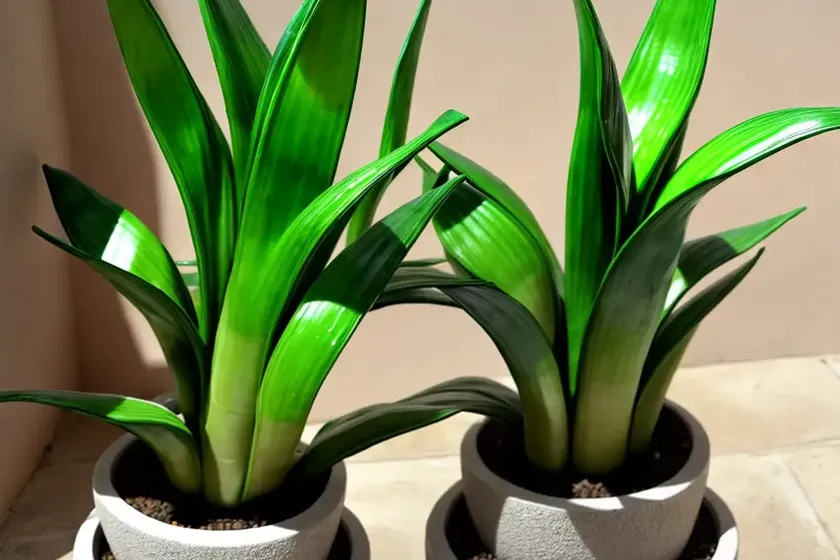
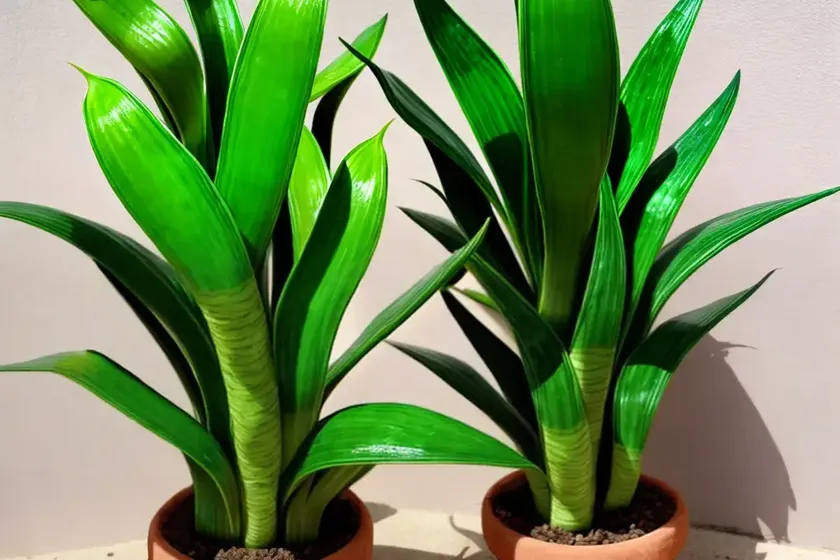
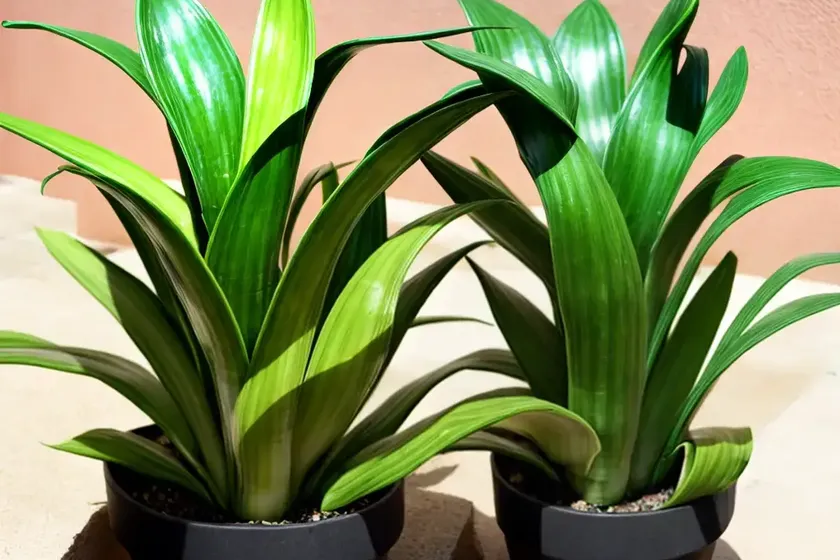
Sansevieria boncel starfish, also known as Sansevieria cylindrica hybrid, is a stunning and unique succulent plant that belongs to the Asparagaceae family. It is a hybrid variety of Sansevieria cylindrica that exhibits characteristics reminiscent of a starfish, hence the name “starfish.”
This beautiful plant is admired for its striking, cylindrical, and compact foliage that radiates from the center, resembling the shape of a starfish. Its architectural form and adaptability have made it a popular choice among plant enthusiasts, both for indoor and outdoor settings.
In this comprehensive guide, we will delve into the various aspects of caring for Sansevieria boncel starfish, including its culture, uses, water requirements, sunlight needs, fertilizer application, soil preferences, propagation methods, popular containers, common diseases, pest management, and much more. Whether you are a beginner or an experienced plant enthusiast, this guide will provide you with valuable insights into the care and maintenance of this remarkable plant.
Key Takeaways – Sansevieria boncel starfish (Sansevieria cylindrica hybrid)
Before we dive into the specific care requirements of the Sansevieria boncel starfish, let’s highlight some key takeaways about this unique plant:
- The Sansevieria boncel starfish is a hybrid variety of Sansevieria cylindrica, prized for its starfish-like foliage and low-maintenance nature.
- It is a versatile plant that can thrive both indoors and outdoors, making it an ideal choice for various environments.
- Sansevieria boncel starfish is known to be an excellent air purifier, enhancing the quality of indoor air by removing toxins and impurities.
- This plant exhibits a high tolerance for low light conditions, making it suitable for spaces with minimal natural light.
- With appropriate care, Sansevieria boncel starfish can thrive for many years, adding an exotic and visually captivating element to any indoor or outdoor garden.
Now that we have a brief overview of the Sansevieria boncel starfish, let’s explore the detailed care guidelines for this remarkable plant.
Culture
The cultural requirements of Sansevieria boncel starfish encompass various aspects that contribute to its overall well-being and thriving growth. From its water and sunlight needs to its fertilizer application and soil preferences, understanding the cultural requirements of this plant is essential for providing it with optimal conditions for growth and development.
Uses
Sansevieria boncel starfish serves a multitude of purposes, ranging from ornamental and decorative uses to its air-purifying capabilities. The following are some common uses of this intriguing plant:
-
Ornamental Purposes: The unique and visually appealing foliage of the Sansevieria boncel starfish makes it a popular choice for enhancing the aesthetic appeal of both indoor and outdoor spaces. It serves as a captivating focal point in gardens, living rooms, offices, and various other settings.
-
Air Purification: This plant is revered for its ability to purify the air by removing harmful toxins such as formaldehyde, xylene, toluene, and other volatile organic compounds. Its air-purifying qualities make it a valuable addition to indoor environments, promoting healthier and cleaner air quality.
Water
Understanding the water requirements of Sansevieria boncel starfish is crucial for maintaining the optimal moisture levels for this plant. Proper watering practices play a significant role in preventing issues such as root rot and dehydration, ensuring the plant’s vitality and longevity.
Watering Guidelines
-
Frequency: Sansevieria boncel starfish requires infrequent watering, as it is highly tolerant of drought conditions. It is essential to allow the soil to dry out partially between watering sessions to prevent waterlogging and root rot. Typically, watering once every 2-3 weeks during the growing season is sufficient, and even less frequent watering may be necessary during the dormant period.
-
Watering Technique: When watering the plant, ensure that the water penetrates the root zone thoroughly. Water the plant until the excess moisture starts draining from the bottom of the pot, and then empty the saucer to prevent water accumulation.
-
Monitoring Moisture Levels: To determine when the plant requires watering, perform a moisture check by inserting a finger into the soil. If the soil feels dry to the touch at a depth of 1-2 inches, it is an indication that the plant is ready for watering.
-
Avoid Overwatering: Overwatering can be detrimental to the health of Sansevieria boncel starfish, leading to root rot and other complications. It is crucial to err on the side of underwatering rather than overwatering, as this plant thrives in arid conditions.
Sunlight
The sunlight requirements of Sansevieria boncel starfish are relatively undemanding, making it well-suited for various light conditions. Understanding the plant’s sunlight preferences is essential for determining the most suitable location for its growth and ensuring its overall well-being.
Sunlight Exposure
-
Light Intensity: Sansevieria boncel starfish thrives in moderate to bright indirect light. It can tolerate low light conditions, but its growth may slow down, and the foliage may become less vibrant in such settings.
-
Indoor Placement: When grown indoors, position the plant near a window where it can receive ample indirect sunlight. Avoid placing it in direct sunlight, especially during the intense midday hours, as prolonged exposure to direct sunlight can lead to leaf damage.
-
Outdoor Placement: When grown outdoors, choose a location that offers partial shade or filtered sunlight. Protect the plant from prolonged exposure to harsh afternoon sun, especially in regions with hot and arid climates.
-
Light Duration: Ensure that Sansevieria boncel starfish receives approximately 6-8 hours of indirect sunlight daily to promote healthy and vigorous growth.
Fertilizer
Fertilizing Sansevieria boncel starfish is essential for providing it with the necessary nutrients for robust growth and vibrant foliage. While this plant is known for its resilience and ability to thrive in nutrient-poor conditions, occasional fertilization can contribute to its overall health and appearance.
Fertilizer Application
-
Frequency: Apply a balanced, liquid houseplant fertilizer to Sansevieria boncel starfish once every 2-3 months during the growing season (spring and summer). Refrain from fertilizing the plant during the dormant period (fall and winter) to align with its natural growth cycle.
-
Dilution: Dilute the fertilizer to half or quarter of the recommended strength to avoid the risk of over-fertilization. A mild, diluted solution of fertilizer is sufficient to provide the plant with the essential nutrients it requires.
-
Application Method: Apply the diluted fertilizer solution to the soil around the base of the plant, ensuring that it is distributed evenly. Water the plant lightly after fertilization to facilitate the absorption of nutrients into the root zone.
-
Organic Alternatives: For those who prefer organic fertilization, options such as compost tea or organic liquid fertilizers can be used to supplement the nutritional needs of Sansevieria boncel starfish.
Soil
The choice of soil for Sansevieria boncel starfish plays a critical role in providing it with a well-draining and nutrient-rich growing medium. The right soil composition is instrumental in preventing waterlogging, promoting healthy root development, and supporting the overall vitality of the plant.
Soil Requirements
-
Well-Draining Mix: Sansevieria boncel starfish thrives in well-draining soil that allows excess moisture to escape easily. A combination of potting mix with perlite, coarse sand, or pumice helps create a porous and aerated soil structure that is conducive to the plant’s root health.
-
Potting Mix Formula: A recommended potting mix for Sansevieria boncel starfish consists of a blend of standard potting soil, coarse sand, and perlite in equal proportions. This mix provides the necessary balance of moisture retention and drainage, along with essential aeration for the roots.
-
Avoid Water Retentive Soils: Steer clear of using heavy, water-retentive soils such as dense clay-based mixes that can lead to waterlogging and hinder the plant’s ability to thrive.
-
Repotting Needs: Repot Sansevieria boncel starfish every 2-3 years to refresh the soil, provide additional space for root expansion, and rejuvenate the plant’s vitality. Choose a slightly larger pot size during repotting to accommodate the plant’s growing root system.
Pruning
Sansevieria boncel starfish requires minimal pruning and maintenance, thanks to its enduring nature and slow growth habits. However, periodic pruning can help manage any damaged or discolored foliage, enhance the plant’s appearance, and promote a tidy and compact growth habit.
Pruning Guidelines
-
Dead Leaf Removal: Remove any dead, yellowed, or discolored leaves by gently tugging them from the base of the plant. Use clean pruning shears or scissors to trim off any damaged foliage to maintain the plant’s aesthetic appeal.
-
Prune Tangled Foliage: In cases where the foliage becomes intertwined or overcrowded, thin out the clusters of leaves to create space and foster better air circulation. This aids in preventing moisture buildup and potential pest infestations.
-
Cutting Techniques: When pruning Sansevieria boncel starfish, use sharp and sanitized pruning tools to make clean cuts without causing unnecessary damage to the remaining foliage. Disinfect the tools with rubbing alcohol before and after each use to prevent the spread of diseases.
-
Pruning Frequency: Perform pruning activities as needed, such as when the plant exhibits excessive dead or damaged foliage, or when aesthetic adjustments are desired. Avoid over-pruning, as this can stress the plant and disrupt its natural growth cycle.
Propagation
Propagation of Sansevieria boncel starfish can be carried out through various methods, including leaf cuttings and division. Replicating new plants from established specimens allows for the expansion of your Sansevieria collection and the sharing of these captivating plants with fellow enthusiasts.
Leaf Propagation
-
Selecting Healthy Leaves: Choose a healthy and mature leaf from the Sansevieria boncel starfish for propagation. Look for leaves that are free from damage, infections, or pest infestations, as these can affect the success of the propagation process.
-
Leaf Cutting Technique: Cut a healthy leaf into sections measuring approximately 2-3 inches in length using clean and sharp scissors or pruning shears. Each section should have multiple leaf nodes present, as these serve as the sites for new root and shoot development.
-
Rooting Medium: Plant the leaf cuttings in a well-draining propagation medium, such as a mixture of perlite and coarse sand. Insert the cuttings into the medium, ensuring that the lower portion of the cutting (containing the leaf nodes) is buried while leaving the leaf portion exposed.
-
Root Establishment: Place the leaf cuttings in a warm and bright location with indirect sunlight. Mist the cuttings lightly to maintain a slightly moist environment while avoiding waterlogging. Over time, new roots will develop from the buried nodes, signaling the successful initiation of propagation.
Division
-
Established Plants: To propagate Sansevieria boncel starfish through division, start with a well-established plant that has multiple offsets or pups emerging from the base. These offsets can be separated and transplanted to create new individual plants.
-
Separation Process: Gently remove the offsets from the main plant by carefully detaching them from the rhizome or root system using a clean and sharp knife. Ensure that each offset has its own intact root system for successful transplantation.
-
Transplanting: Plant the separated offsets in their individual pots filled with well-draining potting mix. Provide them with appropriate care and favorable growing conditions to support their establishment and subsequent growth.
Container Popularity
Sansevieria boncel starfish is frequently showcased in a variety of containers, ranging from classic terracotta pots to modern and decorative planters. The choice of container not only contributes to the visual aesthetic of the plant but also influences its overall growth and health.
Common Container Types
-
Terracotta Pots: The classic appeal of terracotta pots makes them a popular choice for displaying Sansevieria boncel starfish. These porous pots allow for better airflow to the roots and facilitate the absorption of excess moisture from the soil. However, they may require more frequent watering due to their tendency to wick moisture away from the soil.
-
Ceramic Planters: Ceramic planters come in a wide range of colors, designs, and sizes, offering versatility in complementing different decor styles. When using ceramic planters, ensure that they have drainage holes to prevent water accumulation and potential root rot issues.
-
Modern Containers: Sleek and contemporary containers crafted from materials such as fiberglass, metal, or plastic provide a stylish backdrop for showcasing Sansevieria boncel starfish. These containers often feature innovative designs and textures, adding a touch of modern sophistication to the plant’s display.
-
Hanging Baskets: Sansevieria boncel starfish can also be displayed in hanging baskets, allowing its foliage to cascade gracefully from elevated positions. Use well-draining potting mix within the baskets to prevent waterlogging and promote healthy root development.
-
Terrariums and Glass Containers: For a creative and unique display, consider showcasing Sansevieria boncel starfish in glass terrariums or containers. These enclosed setups create a visually captivating environment and are ideal for those who appreciate miniature landscapes.
-
Self-Watering Pots: Self-watering pots offer convenience and efficiency in maintaining optimal moisture levels for the plant. They feature a reservoir that provides water to the soil as needed, reducing the frequency of manual watering while ensuring consistent moisture for the plant.
Common Diseases
Sansevieria boncel starfish is known for its resilience against diseases, thanks to its robust nature and adaptability. However, it is essential to be aware of potential disease issues that may arise and take preventive measures to safeguard the plant’s health.
Disease Diagnosis
-
Root Rot: One of the primary concerns for Sansevieria boncel starfish is root rot, which can occur as a result of overwatering or inadequate drainage. Symptoms of root rot include wilting, yellowing leaves, and a foul odor emanating from the soil. To address this issue, assess the plant’s watering regimen, improve soil drainage, and consider repotting if necessary.
-
Leaf Spot: Leaf spot diseases can manifest as discolored or darkened spots on the foliage, indicating the presence of fungal or bacterial pathogens. Maintain proper air circulation and avoid overhead watering to minimize the risk of leaf spot diseases. Prune affected foliage and consider fungicidal treatments if the issue persists.
-
Mealybugs and Scale Insects: Sansevieria boncel starfish may be vulnerable to infestations by sap-sucking pests such as mealybugs and scale insects. These pests can cause damage to the plant by draining its sap and weakening its overall vitality. Use insecticidal soaps or horticultural oils to control infestations, and inspect the plant regularly for early detection of pest activity.
Common Pests
In addition to diseases, Sansevieria boncel starfish may attract certain pests that can impact its health and appearance. Vigilance and proactive pest management strategies are crucial for preventing pest infestations and preserving the plant’s well-being.
Pest Control
-
Mealybugs: Mealybugs are soft-bodied, white, cottony pests that tend to cluster on the leaves and stems of Sansevieria boncel starfish. Use a cotton swab dipped in rubbing alcohol to remove individual mealybugs and spot-treat affected areas with insecticidal soaps or horticultural oils.
-
Scale Insects: Scale insects appear as small, raised bumps on the plant’s foliage and stems, often exhibiting a hardened or waxy outer shell. Gently scrub the scales off the plant using a soft brush or cloth and apply insecticidal treatments as needed to manage infestations.
-
Spider Mites: Spider mites are tiny arachnids that can cause stippling and discoloration on the leaves of Sansevieria boncel starfish. Regularly mist the plant to maintain adequate humidity levels and use insecticidal sprays to control spider mite populations.
-
Thrips: Thrips are slender, winged insects that feed on plant tissues, causing silvery or bronze-colored streaks on the leaves. Employ insecticidal treatments and consider introducing natural predators such as predatory mites or lacewings to manage thrips infestations.
Botanist’s Tips
To ensure the optimal care and well-being of Sansevieria boncel starfish, consider incorporating the following expert tips and recommendations into your plant care routine:
-
Promote Air Circulation: Adequate air circulation is crucial for preventing moisture-related issues and minimizing the risk of fungal diseases. Position fans or natural airflow sources near the plant to facilitate proper ventilation.
-
Monitor Environmental Conditions: Keep an eye on the environmental factors such as temperature, humidity, and airflow within the plant’s vicinity. Establish a favorable microclimate that aligns with the plant’s preferences for optimal growth.
-
Inspect Regularly: Conduct routine inspections of the plant for signs of pest activity, diseases, or cultural issues. Prompt intervention and preventive measures can help mitigate potential problems before they escalate.
-
Avoid Overcrowding: When growing Sansevieria boncel starfish alongside other plants, ensure that there is adequate spacing to prevent overcrowding and to promote the circulation of air around the foliage.
-
Learn from Fellow Enthusiasts: Engage with other plant enthusiasts, join forums, and participate in plant communities to exchange knowledge, experiences, and insights related to the care of Sansevieria boncel starfish.
Fun Facts
As we delve deeper into the world of Sansevieria boncel starfish, let’s explore some intriguing and captivating fun facts about this unique plant:
-
Cultural Significance: In various cultures, Sansevieria species are traditionally associated with symbolism and beliefs related to good fortune, prosperity, and positive energy. They are often regarded as symbols of resilience and endurance.
-
Root Adaptations: Sansevieria boncel starfish features robust and fibrous roots that aid the plant in its ability to thrive in arid and challenging environments. These roots contribute to the plant’s resilience and drought tolerance.
-
Architectural Form: The distinctive shape and arrangement of Sansevieria boncel starfish’s foliage resemble the radial symmetry seen in natural phenomena, evoking a sense of harmony and equilibrium in its visual appeal.
-
Low-Maintenance Nature: Sansevieria boncel starfish is celebrated for its low-maintenance qualities, making it an ideal choice for individuals seeking to introduce greenery into their spaces with minimal effort and care.
-
Historical Significance: Sansevieria species have been historically recognized for their multifaceted utility, including serving as fibers for ropes, baskets, and traditional crafts in various cultures.
-
Species Diversity: Sansevieria belong to a diverse genus with over 70 recognized species, each showcasing unique foliage patterns, growth habits, and adaptations to different environments.
Links to External Resources
For further in-depth information and insights into the care and cultivation of Sansevieria boncel starfish and related topics, we recommend exploring the following authoritative resources:
- [The Sansevieria Registry](https://www.sansevier