San Pedro Cactus (Echinopsis Pachanoi)
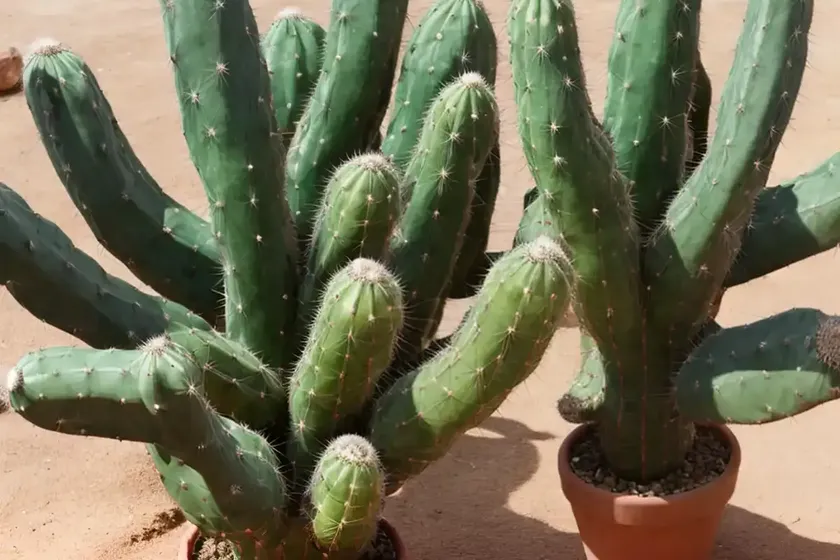
The San Pedro cactus, scientifically known as Echinopsis pachanoi, is a columnar cactus native to the Andes Mountains in South America. This stunning.
What is the San Pedro Cactus?
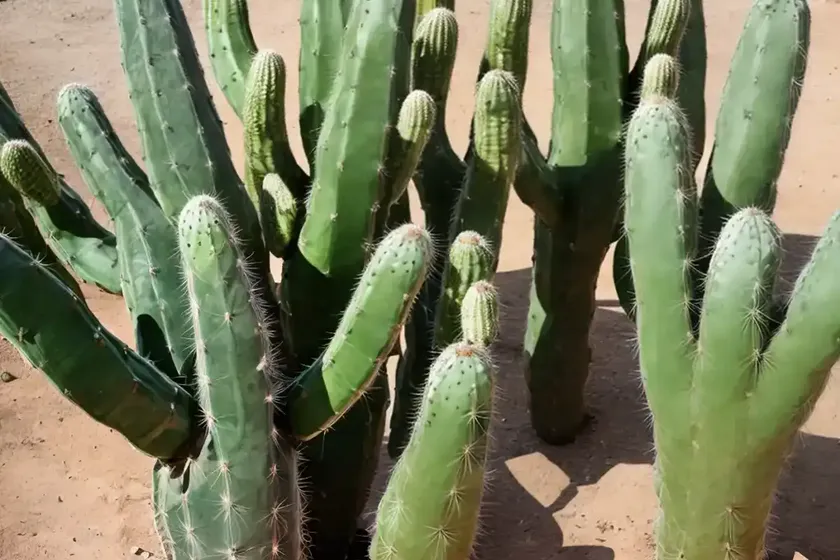
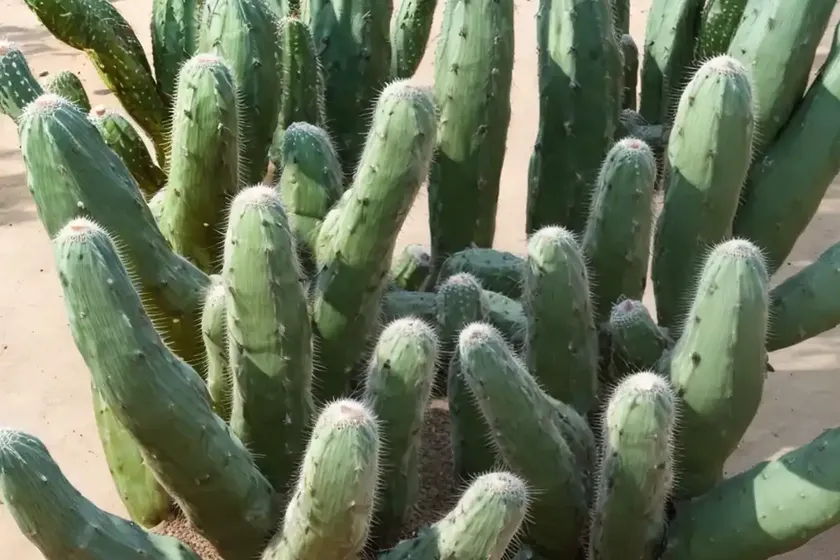
The San Pedro cactus, scientifically known as Echinopsis pachanoi, is a columnar cactus native to the Andes Mountains in South America. This stunning cactus is a member of the Cactaceae family and is revered for its ornamental value as well as its historical and cultural significance. The San Pedro cactus has been traditionally used by indigenous people in various rituals and ceremonies, making it a sacred plant in many cultures.
Key Takeaways
- San Pedro Cactus Benefits: The San Pedro cactus holds immense cultural and medicinal significance, making it a valuable plant for various traditional practices.
- Echinopsis pachanoi Uses: From spiritual rituals to medicinal purposes, the San Pedro cactus is utilized in a wide range of applications.
- How to Grow San Pedro Cactus: Understanding the specific requirements for San Pedro cactus cultivation is crucial for its successful growth.
- San Pedro Cactus Care Tips: Proper care and maintenance are essential to ensure the health and vitality of the San Pedro cactus.
- Echinopsis Pachanoi Cultivation Guide: A comprehensive guide on cultivating the San Pedro cactus, covering soil, water, sunlight, and more.
- San Pedro Cactus for Landscaping: Its striking appearance and easy maintenance make the San Pedro cactus a popular choice for landscaping.
- Medicinal Properties of San Pedro Cactus: The cactus possesses compounds with potential medicinal properties, contributing to its therapeutic significance.
- Echinopsis Pachanoi Varieties: An exploration of the different varieties of the San Pedro cactus, each with its unique characteristics.
- San Pedro Cactus Propagation Techniques: Understanding the various methods for propagating the San Pedro cactus is essential for expanding its presence.
- Importance of Echinopsis Pachanoi in Traditional Medicine: The cactus has been valued for its healing properties in traditional medicine systems for centuries and continues to be relevant in modern times.
- San Pedro Cactus for Spiritual Purposes: The plant holds deep spiritual significance in various indigenous traditions and is used in spiritual ceremonies.
- Echinopsis Pachanoi Soil Requirements: Exploring the specific soil needs of the San Pedro cactus for optimal growth.
- San Pedro Cactus Watering Schedule: Establishing an appropriate watering routine is crucial for the well-being of the San Pedro cactus.
- Suitable Climate for Growing Echinopsis Pachanoi: Understanding the climatic conditions that are conducive to the growth of the San Pedro cactus is essential.
- San Pedro Cactus as a Houseplant: Tips for successfully cultivating the San Pedro cactus as a captivating indoor plant.
- Echinopsis Pachanoi Growth Stages: Exploring the various growth stages of the San Pedro cactus, from seedling to maturity.
- San Pedro Cactus Pests and Diseases: Identifying common pests and diseases that affect the San Pedro cactus and implementing effective control measures.
- Echinopsis Pachanoi Pruning Tips: Guidelines for pruning the San Pedro cactus to maintain its health and shape.
- San Pedro Cactus Indoor Care: Specific care requirements when cultivating the San Pedro cactus indoors.
- Echinopsis Pachanoi Outdoor Care: Understanding the outdoor care needs for the San Pedro cactus, particularly in garden settings.
- Importance of Proper Lighting for San Pedro Cactus: Adequate lighting is crucial for the San Pedro cactus, and understanding its light requirements is key to successful cultivation.
- Echinopsis Pachanoi Propagation from Cuttings: Exploring the process of propagating the San Pedro cactus through cuttings and its benefits.
- San Pedro Cactus Natural Habitat: Gaining insights into the natural habitat of the San Pedro cactus and its native environment.
- Echinopsis Pachanoi Symbolic Meaning: The symbolism and cultural significance associated with the San Pedro cactus.
- San Pedro Cactus for Anxiety Relief: Exploring the potential therapeutic benefits of the San Pedro cactus in managing anxiety and stress.
- Echinopsis Pachanoi as a Psychedelic Plant: Understanding the psychoactive properties of the San Pedro cactus and its historical use as a psychedelic plant.
- San Pedro Cactus Alkaloid Content: A discussion on the alkaloids present in the San Pedro cactus and their effects.
- Echinopsis Pachanoi Traditional Uses: Exploring the traditional and ceremonial uses of the San Pedro cactus across different cultures.
- San Pedro Cactus Psychoactive Effects: Understanding the psychological effects of the San Pedro cactus when consumed.
- Echinopsis Pachanoi Conservation Status: A look at the conservation status of the San Pedro cactus and the efforts to preserve it.
- San Pedro Cactus Ethnobotanical Significance: The cultural and ethnobotanical importance of the San Pedro cactus in traditional practices.
- Echinopsis Pachanoi as a Ceremonial Plant: The role of the San Pedro cactus in ceremonial rituals and its significance in such contexts.
- San Pedro Cactus for Pain Management: The potential analgesic properties of the San Pedro cactus in managing pain.
- Echinopsis Pachanoi as a Decorative Plant: Its ornamental value and use in enhancing the aesthetic appeal of spaces.
- San Pedro Cactus Spiritual Awakening: Exploring the spiritual dimensions associated with the San Pedro cactus and its potential to facilitate spiritual experiences.
- Echinopsis Pachanoi Ethnopharmacology: A study of the ethnopharmacological aspects of the San Pedro cactus and its traditional uses.
- San Pedro Cactus Indigenous Traditions: The significance of the San Pedro cactus in the traditions of indigenous communities and its role in their cultural practices.
- Echinopsis Pachanoi Cultivation Challenges: Understanding the challenges associated with growing and maintaining the San Pedro cactus.
- San Pedro Cactus Historical Importance: Tracing the historical significance of the San Pedro cactus and its enduring relevance.
- Echinopsis Pachanoi as a Traditional Remedy: The use of the San Pedro cactus as a traditional remedy for various ailments.
- San Pedro Cactus Psychotherapeutic Properties: Exploring its potential therapeutic value in psychological healing and well-being.
- Echinopsis Pachanoi Harvesting Techniques: Guidelines for the sustainable harvesting of the San Pedro cactus.
- San Pedro Cactus Cultural Significance: The cultural importance and symbolism associated with the San Pedro cactus in different societies.
- Echinopsis Pachanoi Botanical Description: A detailed description of the botanical characteristics of the San Pedro cactus.
- San Pedro Cactus Traditional Rituals: The role of the San Pedro cactus in traditional rituals, ceremonies, and spiritual practices.
- Echinopsis Pachanoi Seed Germination Process: Understanding the process of germinating San Pedro cactus seeds.
- San Pedro Cactus Natural Medicine: The therapeutic potential of the San Pedro cactus in traditional medicine systems.
- Echinopsis Pachanoi Spiritual Journey: The spiritual and transformative aspects of engaging with the San Pedro cactus.
- San Pedro Cactus Healing Properties: Exploring the healing properties and potential health benefits of the San Pedro cactus.
- Echinopsis Pachanoi Ethnobotanical Research: The ongoing research and study of the ethnobotanical aspects of the San Pedro cactus in contemporary contexts.
As we delve into the multifaceted world of the San Pedro cactus, we will explore its cultural, botanical, and medicinal dimensions, providing insights into its care and cultivation, traditional uses, therapeutic potential, and more.
Culture
The San Pedro cactus holds a revered position in the folklore, rituals, and traditional practices of the Andean regions of South America. Known by various names, including “Huachuma” and “Wachuma,” this cactus has been used for centuries by indigenous communities in ceremonies and healing rituals. Its cultural significance extends beyond its native habitat, with the plant being recognized for its spiritual and medicinal value across the globe.
Uses
The uses of the San Pedro cactus are diverse and deeply rooted in cultural, religious, and medicinal contexts. From spiritual ceremonies and shamanic practices to its potential therapeutic applications, the cactus offers a wide range of uses and benefits.
Spiritual and Ceremonial Use
The San Pedro cactus plays a central role in the spiritual and ceremonial practices of indigenous communities in South America. Shamanic rituals involving the consumption of San Pedro cactus preparations are believed to facilitate deep spiritual experiences, inner exploration, and heightened awareness. The plant is revered as a teacher and a guide, offering insights and visions to those who partake in its ceremonial use.
Medicinal and Therapeutic Applications
In addition to its spiritual significance, the San Pedro cactus possesses compounds that have drawn attention for their potential medicinal properties. Traditional healers and practitioners have utilized the cactus in various healing rituals, attributing it with the ability to address physical ailments as well as provide emotional and psychological support.
Ornamental and Landscaping Purposes
The striking appearance of the San Pedro cactus, characterized by its tall, columnar stems and white, fragrant flowers, has made it a popular choice for landscaping and ornamental cultivation. Its aesthetic appeal, coupled with its relatively low maintenance requirements, has led to its widespread presence in gardens, botanical collections, and public spaces.
Traditional and Cultural Significance
The San Pedro cactus occupies a significant place in the traditional belief systems and cultural practices of the Andean people. Its association with ancient rituals, indigenous traditions, and symbolism makes it an important cultural icon, closely intertwined with the identity and heritage of the communities that hold it in reverence.
Water
Understanding the water requirements of the San Pedro cactus is essential for promoting its healthy growth and vitality. As a desert plant, the cactus is adapted to periods of drought and thrives in well-draining soil with minimal water availability. However, providing occasional watering is essential, particularly during its active growth periods.
San Pedro Cactus Watering Schedule
Establishing a suitable watering schedule is crucial for the San Pedro cactus. While the plant can withstand dry conditions, especially during its dormancy, it still requires periodic watering to support its growth and overall health. The specific watering needs can vary based on factors such as climate, soil type, and container conditions.
- Dormant Season: During the winter months or when the cactus is in a dormant phase, reduce watering significantly to mimic its natural habitat. Infrequent and minimal watering is sufficient during this period.
- Active Growth Period: In the spring and summer, when the San Pedro cactus is actively growing, increase the frequency of watering. However, allow the soil to dry out between waterings to prevent waterlogged conditions, which can be detrimental to the plant.
Watering Techniques
When watering the San Pedro cactus, it is important to apply the water directly to the soil around the base of the plant, rather than overhead watering or spraying the entire plant. This targeted approach helps prevent moisture-related issues and encourages the development of deep root systems.
- Deep Watering: When watering, ensure that the water penetrates deeply into the soil to encourage the cactus’s roots to grow deeper in search of moisture. Shallow watering can lead to shallow root systems, making the plant more susceptible to stress during dry periods.
Signs of Overwatering and Underwatering
Monitoring the plant for signs of overwatering and underwatering is critical for adjusting the watering regimen as needed. Understanding the symptoms associated with these conditions can provide valuable insights into the plant’s water requirements.
Overwatering:
- Yellowing and Softening: The appearance of yellowing or softening of the cactus’s stems and a limp or wilted overall appearance can indicate overwatering.
- Root Rot: Overly wet conditions can lead to root rot, characterized by a foul odor emanating from the soil and the presence of dark, mushy roots.
Underwatering:
- Wrinkling and Shriveling: When the San Pedro cactus is underwatered, its stems may begin to shrivel and develop wrinkles, indicating a lack of adequate moisture.
- Stunted Growth: Insufficient watering can also lead to stunted growth and a lack of new growth, signaling the plant’s distress.
It’s important to strike a balance in watering the San Pedro cactus, providing the right amount of moisture to promote its health and resilience.
Sunlight
Sunlight plays a crucial role in the growth and development of the San Pedro cactus, as it is a sun-loving plant that thrives in bright, direct sunlight. Understanding its sunlight requirements is essential for cultivating the cactus successfully.
Sunlight Exposure
The San Pedro cactus flourishes in full sun, benefiting from at least six to eight hours of direct sunlight each day. When grown in its natural habitat, the cactus is exposed to intense sunlight and thrives in the bright, arid conditions typical of desert environments.
Indoors vs. Outdoors
When grown as a houseplant, positioning the San Pedro cactus near a south-facing window or in a location where it can receive ample sunlight is essential. Outdoors, the cactus can be planted in sunny garden beds, rock gardens, or containers, provided that it is exposed to the appropriate sunlight levels.
Sunlight Protection
While the San Pedro cactus requires abundant sunlight, it is important to acclimate it gradually to intense sun exposure, especially if it has been grown in shadier conditions. Sudden exposure to strong sunlight can lead to sunburn and damage the plant.
- Gradual Acclimation: When transitioning the cactus to a sunnier location, gradually increase its sunlight exposure over the course of several days to allow it to adjust to the new conditions.
Signs of Sunlight Stress
Monitoring the San Pedro cactus for signs of sunlight stress can help identify if it is receiving an excessive amount of sunlight, necessitating adjustments to its growing conditions.
- Sunburn: The appearance of sunburn on the cactus’s exterior, indicated by discolored or brown patches, can occur when the plant is exposed to excessive sunlight without proper acclimation.
Providing Suitable Sunlight
Ensuring that the San Pedro cactus receives the appropriate sunlight levels is crucial for promoting healthy growth and robustness. When cultivated in the right conditions, the cactus’s exposure to sunlight contributes to its stunning appearance and overall well-being.
Fertilizer
While the San Pedro cactus is adapted to thrive in nutrient-poor environments, providing occasional fertilization can support its growth and vitality. Understanding the appropriate fertilizer regimen for the cactus is essential for promoting its health without overfeeding it.
Fertilizer Requirements
The San Pedro cactus benefits from infrequent, low-nitrogen fertilization, particularly during its active growth period in the spring and summer. However, it is important to avoid excessive fertilization, as the cactus is adapted to lean, nutrient-deficient soils and can be sensitive to an overabundance of nutrients.
- Balanced Fertilizer: Using a balanced, low-nitrogen fertilizer diluted to half or quarter strength can provide the San Pedro cactus with the necessary nutrients without overwhelming it.
Fertilization Schedule
Developing a periodic fertilization schedule for the San Pedro cactus can help ensure that it receives the nutrients it needs to thrive while preventing the risk of overfertilization.
- Spring and Summer: Administer a diluted, balanced fertilizer every four to six weeks during the cactus’s active growth period to provide it with essential nutrients.
Fertilizer Application
When applying fertilizer to the San Pedro cactus, it is important to do so with care to avoid exposing the plant to excessive amounts of nutrients.
- Diluted Application: Dilute the fertilizer to half or quarter strength according to the manufacturer’s instructions before applying it directly to the soil around the base of the cactus.
Signs of Overfertilization
Monitoring the San Pedro cactus for signs of overfertilization can provide insights into whether the plant is receiving an excessive amount of nutrients.
- Burnt and Discolored Stems: The appearance of burnt or discolored patches on the cactus’s stems can indicate overfertilization and the need to adjust the fertilizer application.
Balancing the cactus’s nutrient requirements with minimal fertilization can promote its health and vitality without overwhelming it with excessive nutrients.
Soil
The choice of soil for cultivating the San Pedro cactus is integral to its success, as the plant has specific soil requirements that cater to its preference for dry, well-draining conditions. Understanding the ideal soil composition and structure is essential for providing an environment conducive to the cactus’s growth.
Soil Composition
The San Pedro cactus thrives in sandy, well-draining soil that mimics the lean, arid conditions of its natural habitat. A cactus mix or a specialized succulent potting mix that provides the necessary drainage and aeration is ideal for cultivating the plant.
- Sandy Soil: Incorporating sand into the soil mix can enhance its drainage properties and create a porous, well-aerated medium suitable for the cactus.
pH Level
The San Pedro cactus prefers a slightly acidic to neutral pH range, typically between 6.0 and 7.5, which supports its nutrient uptake and overall physiological processes.
- Testing pH: Conducting a soil pH test using a pH meter or testing kit can provide insights into the acidity or alkalinity of the soil, allowing adjustments to be made as needed.
Soil Structure
The soil structure for the San Pedro cactus should promote efficient drainage while providing the necessary support for the plant’s roots. Lightweight, well-aerated soil with minimal compaction is ideal for cultivating the cactus.
- Aeration: Incorporating materials such as perlite or pumice into the soil mix can enhance its aeration and prevent the risk of waterlogging.
Repotting
When repotting the San Pedro cactus, selecting a well-draining soil mix and a suitable container is essential for supporting its growth and minimizing the risk of root-related issues.
- Repotting Schedule: Repot the cactus every two to three years to refresh its soil and provide additional growing space, particularly if it has outgrown its current container.
Signs of Inadequate Soil
Monitoring the San Pedro cactus for signs of inadequate soil can provide valuable insights into whether the soil conditions are suitable for the plant’s needs.
- Waterlogged Soil: If the soil remains excessively wet or waterlogged for prolonged periods, it may indicate inadequate drainage and the need for adjustments to the soil mix.
By providing an appropriate soil environment that caters to the San Pedro cactus’s preferences, it is possible to create the optimal conditions for its growth and development.
Pruning
Pruning the San Pedro cactus can contribute to its overall health and aesthetic appeal while addressing any growth-related issues. Understanding the appropriate pruning techniques and practices is essential for maintaining the plant’s form and promoting its well-being.
Pruning Guidelines
When pruning the San Pedro cactus, it is important to approach the process with care and consideration for the plant’s growth habits and requirements.
-
Removing Dead or Damaged Parts: Trimming away dead or damaged stems and sections of the cactus can improve its appearance and prevent the spread of potential diseases.
-
Thinning and Shaping: Thinning out overcrowded stems and shaping the cactus can promote air circulation and sunlight penetration, contributing to its overall vitality.
Pruning Tools
Selecting the right pruning tools, such as sharp, clean shears