Sage-of-the-desert (Carnegiea Gigantea)
Introduction
Introduction
The Sonoran Desert, renowned for its rich biodiversity and unique flora, is home to the iconic and majestic Sage-of-the-Desert, scientifically known as Carnegiea gigantea. This towering symbol of the arid landscapes of the American Southwest not only stands as a sentinel of the desert but also plays a crucial role in the ecological tapestry of its habitat. In this comprehensive guide, we will delve into the diverse facets of this remarkable species, exploring its biological characteristics, cultural significance, uses, and conservation status. Whether you are an avid botany enthusiast, a desert gardening aficionado, a conservationist, or simply curious about the fascinating world of desert plants, this article aims to provide a deep understanding of the Sage-of-the-Desert, encapsulating its ecological importance and its cultural and medicinal role.
What is Sage-of-the-Desert (Carnegiea gigantea)?
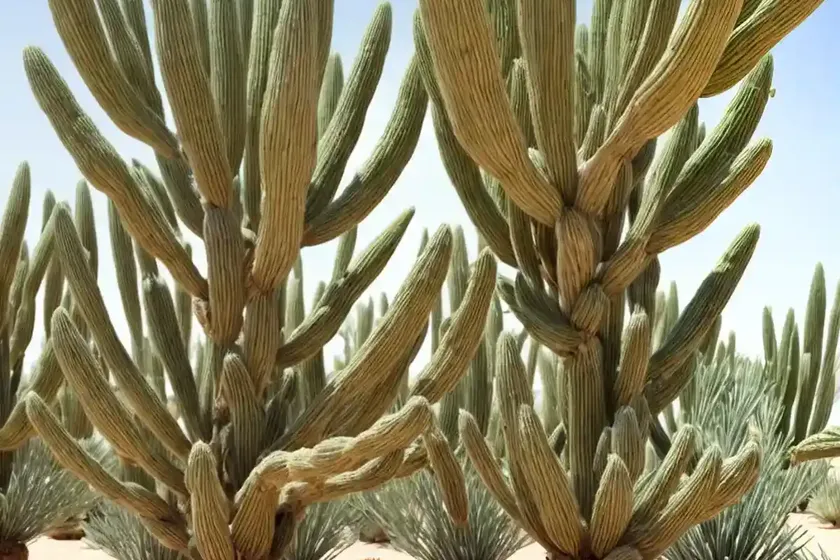
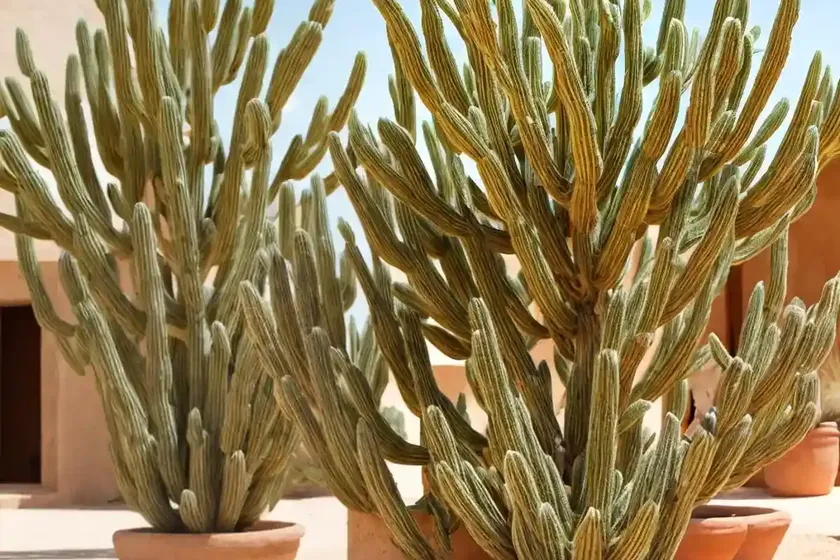
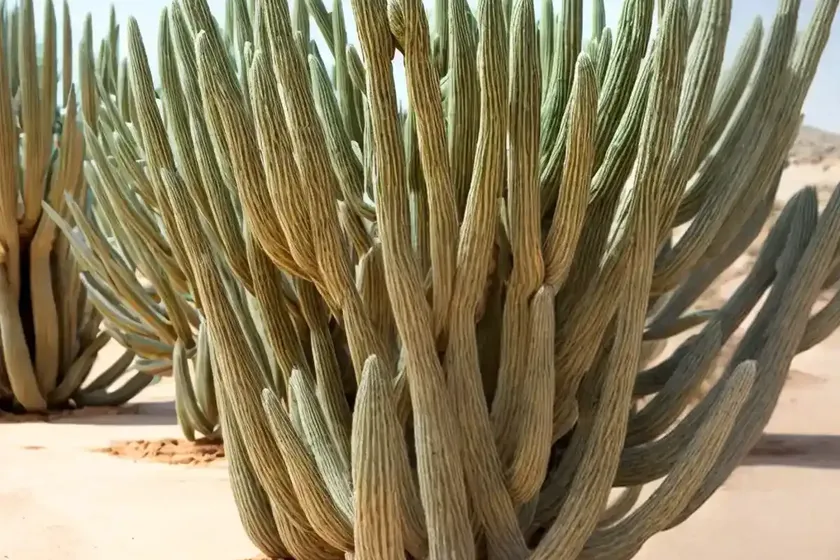
Sage-of-the-Desert, commonly known as the Giant Saguaro Cactus, is a species of cactus native to the Sonoran Desert, particularly in the state of Arizona and the Mexican state of Sonora. This tall and spiky cactus is a defining feature of the desert landscape and is renowned for its significant ecological, cultural, and aesthetic value. Characterized by its imposing stature, slow growth, and impressive longevity, the Sage-of-the-Desert is a prominent member of the Cactaceae family and is cherished as a keystone species in its arid habitat.
Key Takeaways – Sage-of-the-Desert (Carnegiea gigantea)
Before we delve into the intricacies of this magnificent desert giant, let’s highlight some key takeaways:
- Sage-of-the-Desert is a slow-growing cactus species, with a lifespan that can span well over a century.
- It is a protected plant species, contributing significantly to the desert wildlife habitat.
- The Giant Saguaro Cactus holds cultural significance and plays an essential role in the folklore and traditions of the Southwest.
- Its ecological role as a keystone species makes it crucial for the survival of numerous desert organisms.
- This icon of the Sonoran Desert requires specific care and attention when cultivated, making it a unique addition to desert gardening endeavors.
Now, let’s explore the intricate details of Sage-of-the-Desert, from its biological characteristics to its conservation status and cultural significance.
Biological Characteristics
Understanding the biological aspects of Carnegiea gigantea is fundamental in appreciating its ecological significance and its importance in desert ecosystems. Let’s explore some key biological characteristics of this remarkable plant.
Classification and Habitat
- Scientific Name: Carnegiea gigantea
- Common Names: Giant Saguaro Cactus, Desert Sage, Arizona Cactus
- Taxonomy: Carnegiea gigantea belongs to the Plantae kingdom, Angiosperms clade, and the Cactaceae family.
- Habitat: This species is endemic to the Sonoran Desert, specifically in Arizona and the Mexican state of Sonora. It thrives in arid and desert landscapes, characterized by high temperatures and minimal precipitation.
Morphological Features
- Size: The Sage-of-the-Desert is renowned for its impressive size, with mature specimens reaching heights of up to 40 feet (12 meters).
- Growth Pattern: It typically grows as a single columnar stem until it reaches a height of about 2 meters, after which it begins to form its iconic “arms.”
- Spines: The cactus is adorned with clusters of sharp, needle-like spines, which serve as a protective adaptation against herbivores and excessive water loss.
- Flowering: Carnegiea gigantea produces white, waxy flowers with a sweet nectar, attracting numerous pollinators essential for its reproduction.
Adaptations and Ecology
- Drought Tolerance: The species exhibits remarkable resilience to arid conditions, storing water in its accordion-like accordion-like pleats for prolonged periods.
- Wildlife Interactions: The Giant Saguaro Cactus serves as a vital food and shelter source for a multitude of desert animals, including birds, bats, and reptiles.
- Keystone Species: Its role as a keystone species is pivotal in maintaining the delicate balance of the desert ecosystem by providing resources for a diverse array of organisms.
The Cultural Significance of Sage-of-the-Desert
The Sage-of-the-Desert, deeply embedded in the cultural heritage of the American Southwest, holds profound significance for indigenous communities, artists, and admirers of desert landscapes. Let’s dive into the cultural importance of this iconic plant.
Folklore and Traditions
- Native American Tribes: For centuries, various indigenous tribes have revered the Saguaro Cactus, attributing spiritual significance and utilizing its fruits and wood for sustenance and material purposes.
- Artistic Representations: The striking silhouette of the Giant Saguaro Cactus has inspired countless artists, poets, and musicians, serving as a symbol of resilience and the timeless beauty of the desert.
Symbolism and Iconography
- State Emblem: The Saguaro Cactus is the state floral emblem of Arizona, reinforcing its status as a cherished symbol of the region’s natural heritage.
- Architectural Influence: Its distinctive form has influenced architectural design, serving as a motif in various structures and artworks across the Southwest.
Medicinal and Cultural Uses
- Traditional Medicine: Indigenous communities have utilized various parts of the Saguaro Cactus for medicinal purposes, including treating ailments and crafting therapeutic remedies.
- Cultural Ceremonies: The plant features prominently in rituals and ceremonies, symbolizing endurance, protection, and the interconnectedness of all life in the desert.
The Uses of Sage-of-the-Desert
With its diverse array of applications, ranging from ecological to cultural and medicinal, the Giant Saguaro Cactus stands as a testament to the multifaceted value of desert flora. Let’s explore its uses in various domains.
Ecological Benefits
- Wildlife Habitat: The cactus serves as a vital habitat and food source for numerous desert animals, contributing to the rich biodiversity of the Sonoran Desert.
- Keystone Species: Its ecological role as a keystone species is crucial in maintaining the stability and resilience of the desert ecosystem.
Medicinal Applications
- Traditional Medicine: The Saguaro Cactus has been historically used in traditional medicine for treating various conditions, with its fruits and inner tissues holding therapeutic properties.
Cultural and Aesthetic Value
- Symbolic Significance: The cactus symbolizes the enduring spirit and timeless allure of the desert, making it a beloved emblem of the Southwest’s natural heritage.
- Aesthetic Appeal: Its striking silhouette and imposing presence make it a highly sought-after ornamental plant in arid landscaping and xeriscaping.
Cultivating Sage-of-the-Desert
Cultivating the Sage-of-the-Desert demands careful attention to its specific requirements, encompassing water, sunlight, soil, and other essential factors. Let’s delve into the nuances of successfully cultivating this iconic desert plant.
Water Requirements
The water needs of Sage-of-the-Desert are crucial for its health and vitality. Given its natural habitat in arid environments, it is essential to mimic these conditions when cultivating the cactus.
- Natural Rainfall: In the wild, the cactus relies mainly on natural rainfall, with intermittent periods of sporadic precipitation sustaining its water needs.
- Irrigation: When cultivated, it is important to emulate the sporadic nature of desert rainfall, providing infrequent, deep watering to simulate its natural environment.
- Drainage: Well-draining soil and containers are essential to prevent waterlogging, which can be detrimental to the cactus’s root system.
Sunlight Requirements
As a quintessential desert plant, the Sage-of-the-Desert thrives in abundant sunlight, requiring specific considerations for optimal exposure.
- Full Sun: The cactus flourishes in full sunlight, necessitating placement in locations with ample exposure to direct sunlight.
- Sun Protection: While it requires sunlight for photosynthesis, young seedlings may benefit from some protection against intense midday sunlight to prevent sunburn.
Fertilization Needs
Balanced nutrition is essential for the sustained growth and health of the Sage-of-the-Desert, requiring careful attention to fertilization practices.
- Minimal Fertilization: The cactus generally thrives in nutrient-poor soil, necessitating minimal fertilization to prevent excessive growth and maintain its natural resilience.
- Specialized Formulations: Selecting a fertilizer specifically formulated for cacti and succulents ensures that the plant receives the appropriate balance of nutrients without overwhelming its natural growth patterns.
Soil Requirements
The composition and quality of the soil play a pivotal role in the successful cultivation of the Sage-of-the-Desert, influencing its water retention and overall vigor.
- Well-Draining Soil: Sandy or gravelly soil with excellent drainage capabilities is essential, preventing water accumulation that can lead to root rot and other moisture-related issues.
- pH Range: The cactus thrives in slightly acidic to neutral soil conditions, typically within a pH range of 6.0 to 7.0.
Pruning Practices
While the Sage-of-the-Desert does not require extensive pruning, occasional maintenance may be necessary for aesthetic or safety purposes.
- Removal of Dead Tissue: Trimming of dead or decaying tissue can promote the overall health and appearance of the cactus, preventing potential disease or pest infestations.
- Safety Considerations: Pruning may also involve removing hazardous protruding spines or damaged segments to minimize the risk of injuries while handling the plant.
Propagation Methods
The propagation of Sage-of-the-Desert involves specialized techniques to ensure successful reproduction and the cultivation of new cactus specimens.
Seed Propagation
- Seed Harvesting: Careful collection of ripe Saguaro Cactus seeds is essential, ensuring the selection of viable seeds for propagation.
- Germination: The seeds require specific conditions for germination, including warmth, moisture, and well-aerated soil.
Cuttings and Offsets
- Segment Removal: Extracting healthy segments from mature plants for rooting is a common technique for propagating the Saguaro Cactus.
- Rooting Process: The cuttings or offsets are allowed to callus before being planted in suitable soil, fostering the development of new root systems.
Cultivating Sage-of-the-Desert in Containers
For enthusiasts of desert gardening or those living in non-desert regions, cultivating Sage-of-the-Desert in containers presents an opportunity to appreciate this captivating plant in a controlled environment.
Container Selection
- Size and Drainage: Choosing containers with ample drainage holes and sufficient depth to accommodate the cactus’s root system is essential.
- Material Considerations: Terra cotta or other breathable materials are suitable choices, allowing for air circulation and preventing moisture retention.
Soil and Watering Considerations
- Well-Draining Soil Mix: Utilizing a specialized cactus and succulent potting mix ensures optimal drainage and aeration for container-grown Sage-of-the-Desert.
- Watering Frequency: Striking a balance between providing adequate moisture and preventing waterlogged conditions is crucial, requiring careful monitoring and adjustment based on environmental factors and seasonal changes.
Popularity in Container Gardening
The allure of the Sage-of-the-Desert as a container plant has captivated many gardening enthusiasts, contributing to its popularity in container gardening circles.
- Aesthetic Appeal: Its striking appearance and unique growth habits make it a captivating addition to container gardens, patios, and indoor plant displays.
- Xeriscaping Impact: Container cultivation allows individuals living outside its natural habitat to incorporate the cactus into water-wise landscaping practices, promoting sustainability and environmental consciousness.
Common Diseases and Pest Management
Cultivating Sage-of-the-Desert requires vigilant attention to potential diseases and pests that may affect the cactus, necessitating proactive management strategies.
Disease Diagnosis
- Fungal Infections: Common fungal pathogens, such as Phyllosticta padensis and Bipolaris cactivora, can cause spotting, discoloration, and tissue decay in the cactus.
- Bacterial Diseases: Bacterial necrosis and rot can manifest as dark lesions and soft, deteriorating tissue, posing a threat to the overall health of the plant.
Common Pests
- Cochineal Scale: These small, sap-feeding insects can infest the cactus, resulting in white, waxy secretions and potential damage to the plant.
- Spider Mites: Infestations of spider mites can lead to stippling and discoloration of the cactus’s surface, impacting its vitality and aesthetic appeal.
Botanist’s Tips for Sage-of-the-Desert Care
Drawing from the expertise of botanists and horticultural specialists, here are some essential tips for the successful care and cultivation of Sage-of-the-Desert.
- Emulate Natural Conditions: Understanding the native environment of the cactus and replicating its key environmental factors, such as light, water, and temperature, is crucial for its health and vigor.
- Maintenance and Monitoring: Regular inspection for signs of disease, pests, or environmental stressors, coupled with appropriate maintenance practices, ensures the long-term well-being of the cactus.
- Responsible Cultivation: Given the ecological significance of the Saguaro Cactus, responsible cultivation practices, including ethical sourcing of specimens, are pivotal for its conservation and preservation.
Fun Facts about Sage-of-the-Desert
With its rich cultural heritage and remarkable ecological importance, the Sage-of-the-Desert harbors a wealth of intriguing facts that further accentuate its allure and significance.
Intriguing Adaptations
- Slow Growth: The cactus exhibits remarkably slow growth, with young specimens taking years to develop their distinctive branches.
- Water Storage: Its accordion-like pleats allow it to store significant amounts of water, providing resilience in the face of prolonged drought.
Ecological Significance
- Keystone Species: The Saguaro Cactus serves as a linchpin species in the desert ecosystem, providing sustenance and shelter to a myriad of wildlife.
- Conservation Efforts: Ongoing conservation initiatives seek to protect the cactus’s natural habitat and bolster its population in the wild.
Cultural Legacy
- State Emblem Status: Arizona’s adoption of the Saguaro Cactus as its state floral emblem underscores its profound cultural and symbolic value.
- Artistic Inspiration: The cactus has inspired a myriad of artistic expressions, from paintings and sculptures to literature and music.
Links to External Resources
For those seeking further information on Sage-of-the-Desert, its conservation, cultivation, and cultural significance, the following external resources provide valuable insights and in-depth knowledge:
- The Arizona-Sonora Desert Museum
- United States Department of Agriculture – Plants Database
- Arizona State University – Center for Native and Urban Wildlife
- National Park Service – Saguaro National Park
Conclusion
In the expanse of the Sonoran Desert, the towering silhouette of the Sage-of-the-Desert stands as a testament to the resilience, beauty, and ecological significance of desert flora. As we’ve journeyed through the biological, cultural, and practical dimensions of this iconic cactus, it becomes evident that Carnegiea gigantea transcends its botanical identity, embodying a rich tapestry of tradition, ecological interconnectedness, and enduring vitality. Whether gazing upon the majestic columns of a mature Saguaro Cactus in its native habitat, or nurturing a container-grown specimen in a distant landscape, the presence of the Sage-of-the-Desert serves as a poignant reminder of the intricate harmony between arid landscapes and the remarkable flora that defines them.
As we embrace the wealth of knowledge encapsulated in this guide, may we continue to foster an appreciation for the Sage-of-the-Desert and work towards its conservation, ensuring that future generations can bask in the timeless allure and ecological splendor of Carnegiea gigantea.
This comprehensive guide on Sage-of-the-Desert (Carnegiea gigantea) has been meticulously crafted to offer a deep understanding of this iconic desert plant, encompassing its ecological role, cultural significance, and practical aspects of cultivation and care. Drawing from expert insights and invaluable resources, we aim to provide an enriching exploration of the remarkable intricacies of the Giant Saguaro Cactus, inviting readers to immerse themselves in the captivating world of desert flora and its profound cultural and ecological legacy.