The Beautiful and Versatile Rugosa Rose (Rosa rugosa)
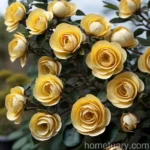
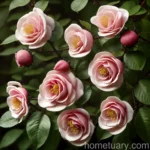
Rugosa rose (Rosa rugosa), also known as Japanese rose, is a hardy and ornamental shrub that has been a beloved plant for centuries. Its robust nature, delightful fragrance, and numerous uses make it a favorite among gardeners, herbalists, and landscape enthusiasts. In this comprehensive guide, we will explore the culture, uses, care, maintenance, and fascinating aspects of this wonderful plant.
What is a Rugosa Rose (Rosa rugosa)?
Rosa rugosa, commonly referred to as rugosa rose or Japanese rose, is a deciduous shrub species belonging to the Rosaceae family. Native to eastern Asia, including Japan, Korea, and southeastern Siberia, it has naturalized in many regions around the world. The plant is characterized by its vigorous growth, dense foliage, and attractive, fragrant flowers. Rugosa roses are known for their excellent cold hardiness, making them suitable for various climatic conditions.
Key Takeaways – Rugosa Rose (Rosa rugosa)
Before delving into the details of rugosa rose cultivation and care, let’s take a quick look at some key characteristics and uses associated with this plant.
- Botanical Name: Rosa rugosa
- Common Names: Rugosa rose, Japanese rose
- Hardiness: A hardy rose variety
- Uses: Ornamental, medicinal, culinary, and landscape
- Fragrance: Delightful, aromatic flowers
- Growth Habits: Vigorous growth, compact shrub
- Pruning: Essential for maintaining shape and promoting new growth
- Diseases: Susceptible to certain fungal and bacterial infections
- Pests: Prone to aphid infestations
- Propagation: Easily propagated through seeds, cuttings, and division
- Water: Moderate water needs
- Sunlight: Thrives in full sun to partial shade
- Soil: Tolerant of various soil types
- Fertilization: Minimal fertilization requirements
- Fragrance: Pleasant aroma from blooms
- Cultural Significance: Holds cultural and historical significance in various societies
- Wildlife Attraction: Attracts pollinators and beneficial insects
Now, let’s explore each of these aspects in detail to gain a comprehensive understanding of the rugosa rose and how to care for it effectively.
Culture
The culture of rugosa roses encompasses various aspects, including their preferred growing conditions, maintenance requirements, and overall adaptability. Understanding the cultural needs of these plants is essential for ensuring their optimal health and vigor.
Water
Rugosa roses thrive in well-drained soil and prefer moderate moisture levels. While they are relatively drought-tolerant once established, regular watering is crucial, especially during dry spells and the flowering season. Deep, infrequent watering is ideal to encourage robust root development and overall plant health. Avoid waterlogged soil, as it can lead to root rot and other issues.
Sunlight
As plants that appreciate full sun, rugosa roses perform best when exposed to at least six hours of direct sunlight each day. However, they can also tolerate partial shade, particularly in warmer climates where some sun protection during the hottest part of the day may be beneficial. Adequate sunlight promotes vigorous growth, blooming, and the development of healthy foliage.
Fertilizer
Rugosa roses are generally low-maintenance when it comes to fertilization. A balanced, slow-release fertilizer applied in spring as new growth emerges is usually sufficient to support their growth and flowering. Organic amendments such as well-rotted compost or aged manure can also be applied around the base of the plants to enrich the soil and provide essential nutrients.
Soil
These resilient shrubs are adaptable to a wide range of soil types, including sandy, loamy, and clayey soils. They prefer slightly acidic to neutral soil pH levels. Good drainage is essential to prevent waterlogging, which can lead to root rot and other moisture-related problems. Amending the soil with organic matter during planting or as a top dressing can enhance its fertility and structure.
Pruning
Proper pruning is a fundamental aspect of rugosa rose care, contributing to plant shape, rejuvenation, and overall health. Regular pruning helps to remove dead or diseased wood, improve air circulation, and stimulate new growth and flowering.
Pruning for Maintenance
Annual pruning is typically conducted in late winter to early spring, before new growth commences. The primary objectives of maintenance pruning are to remove weak, damaged, or crossing branches and to shape the plant to maintain its desired form and size. It is essential to use clean, sharp pruning tools to make precise cuts and minimize the risk of introducing diseases to the plants.
Pruning for Blooms
In addition to maintenance pruning, rugosa roses benefit from selective pruning to encourage abundant blooms. This involves removing spent flowers, known as deadheading, to redirect the plant’s energy into producing new blooms rather than seed production. Removing a portion of older wood can also stimulate the emergence of fresh, vigorous shoots and flowers.
Propagation
Rugosa roses can be effectively propagated through several methods, including seeds, cuttings, and division. Each propagation technique has its advantages and considerations, allowing gardeners to choose the most suitable approach based on their preferences and resources.
Propagation from Seeds
Growing rugosa roses from seeds is a straightforward yet time-consuming method. Seeds are typically collected from mature hips in autumn, stratified, and sown in containers or directly in the garden bed. Germination may take several weeks to months, and the resulting seedlings may exhibit variations in traits compared to the parent plant. This method is ideal for enthusiasts interested in exploring genetic diversity and potentially developing new varieties.
Propagation from Cuttings
Using stem cuttings is a popular and efficient way to propagate rugosa roses while preserving their desirable traits. Semi-hardwood cuttings taken in late summer or early autumn are usually utilized for this purpose. The cuttings are treated with rooting hormone, set in a suitable growing medium, and provided with the necessary warmth, humidity, and care to promote root development. Once rooted, the new plants can be transplanted into individual containers or directly into the garden.
Propagation by Division
Dividing established rugosa rose plants is a simple and reliable method to increase their numbers and rejuvenate older specimens. This technique involves carefully separating the root system and shoots of the parent plant and replanting them in desired locations. Division is typically carried out in early spring before new growth appears, allowing the divided segments to establish and flourish during the growing season.
Container Popularity
While rugosa roses are commonly grown directly in the garden soil, they also exhibit excellent adaptability to container cultivation. Growing these plants in containers offers several advantages, making them suitable for urban gardens, patios, and other confined spaces.
Container Common Diseases
Despite being adaptive and robust, rugosa roses are susceptible to certain diseases that can affect their overall health and aesthetic appeal. Proper understanding and management of these diseases are crucial for maintaining the vitality and beauty of these ornamental shrubs.
Disease Diagnosis
Diagnosing diseases in rugosa roses involves observing the plant for signs and symptoms of common fungal and bacterial infections. Some of the prevalent diseases that may affect these plants include:
- Black Spot: Identified by the appearance of dark, circular spots on the leaves, followed by yellowing and premature dropping.
- Powdery Mildew: Manifests as a white, powdery coating on the leaves and stems, often leading to distorted growth and reduced vigor.
- Rust: Notable for the presence of rust-colored pustules on the undersides of leaves, accompanied by yellowing and defoliation.
Proactive measures, including proper pruning, sanitation, and providing adequate air circulation, can help mitigate disease incidence and severity. Additionally, the use of disease-resistant cultivars and organic fungicidal sprays may offer further preventive benefits.
Common Pests
Various pests can pose challenges to rugosa roses, potentially impacting their growth and flowering. Vigilance and effective pest management strategies are essential for preserving the health and beauty of these plants.
Botanist’s Tips
For a visually appealing and healthy rugosa rose display, consider the following tips from experienced botanists:
- Select disease-resistant varieties to minimize the risk of infections.
- Implement good cultural practices, including proper watering and pruning.
- Use organic mulches to regulate soil moisture and temperature.
- Monitor the plants regularly for signs of pests or diseases and take timely action to address any issues.
Fun Facts
Rugosa roses have enjoyed centuries of popularity and hold numerous intriguing and delightful attributes. Here are some fun and fascinating facts about these remarkable shrubs:
- The vibrant blooms of rugosa roses are not only visually stunning but also impart a delightful fragrance, making them a favorite addition to gardens and landscapes.
- The ornamental and aromatic qualities of rugosa roses have led to their incorporation in perfumery and essential oil production, with the fragrance being used in various skincare and aromatherapy products.
- The hips of rugosa roses are rich in vitamin C and antioxidants, making them a valuable addition to herbal teas, jams, jellies, and other culinary creations.
- In addition to their horticultural appeal, rugosa roses have also been attributed with cultural significance and historical symbolism in various societies, reflecting their enduring allure and multifaceted uses.
Links to External Resources
For further information, resources, and inspiration related to rugosa roses and their cultivation, check out the following links:
-
Rugosa Roses: Growing and Caring for Rugosa Roses – The Old Farmer’s Almanac provides valuable insights into the cultivation and care of rugosa roses.
-
Rosa rugosa L. – Explore detailed botanical information and distribution maps for rugosa roses through the USDA Plants Database.
-
Rugosa Roses: A Love Affair – Fine Gardening offers an engaging article on the enduring appeal and diverse uses of rugosa roses.
-
Rosa rugosa: The Diverse Uses of a Versatile Rose – Gardenia.net showcases the multifaceted uses and attributes of rugosa roses as an ornamental plant, herbal resource, and culinary ingredient.
-
Rugosa Rose: The Ultimate Guide – The Spruce presents a comprehensive guide to rugosa roses, covering cultivation, varieties, and practical tips for successful growth.
By exploring these resources, you can expand your knowledge and appreciation for the captivating world of rugosa roses, from their rich history to their contemporary horticultural applications.
The rugosa rose (Rosa rugosa) stands as a testament to nature’s resilience and beauty, captivating gardeners, botanists, and enthusiasts around the globe. With its delightful fragrance, versatile uses, and enduring charm, this exceptional shrub continues to enrich landscapes, inspire creativity, and delight the senses. Whether grown in gardens, used in herbal remedies, or admired for its historical significance, the rugosa rose remains an enduring symbol of natural elegance and botanical fascination.