Ruellia Caroliniensis (Carolina Wild Petunia)
Ruellia caroliniensis, commonly known as Carolina Wild Petunia, is a striking and resilient perennial plant native to southeastern United States. This.
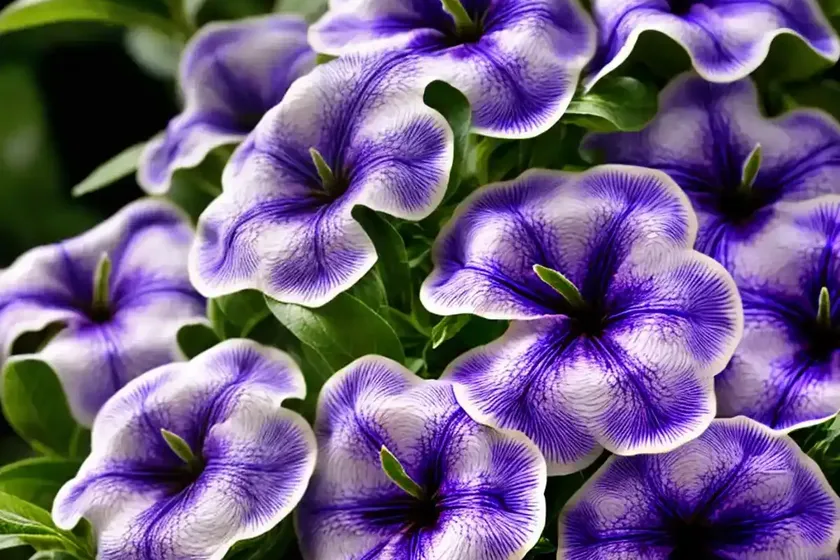
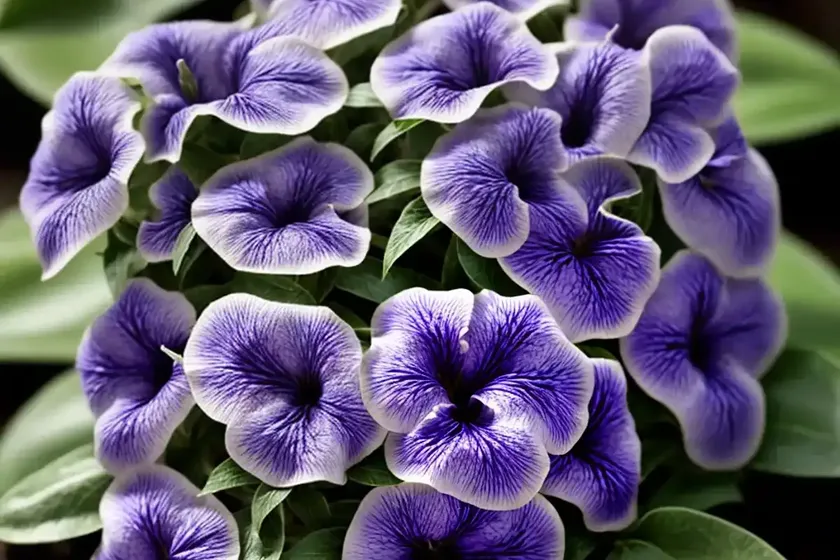
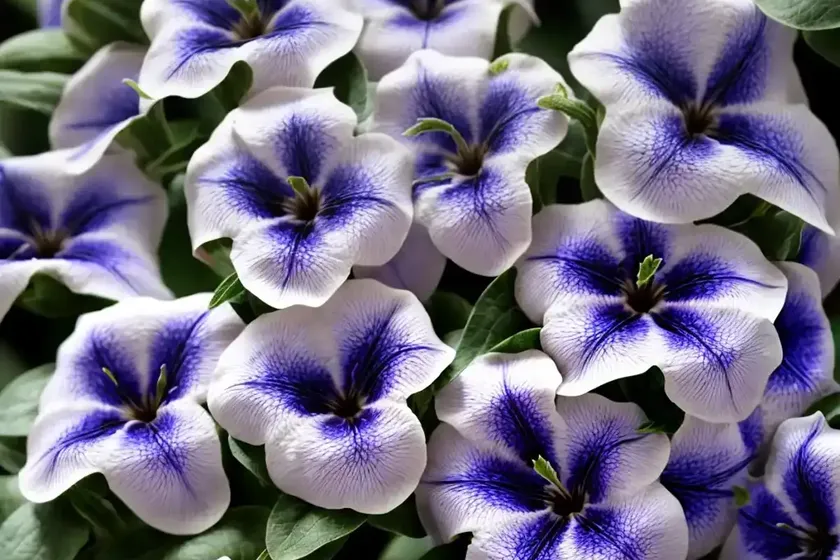
Ruellia caroliniensis, commonly known as Carolina Wild Petunia, is a striking and resilient perennial plant native to southeastern United States. This beautiful flowering plant is a favorite among gardeners and landscaping enthusiasts due to its vibrant blooms and versatility in various growing conditions. In this comprehensive guide, we will delve into the various aspects of caring for Ruellia caroliniensis, including its cultural requirements, uses, propagation, and common diseases and pests.
What is Ruellia caroliniensis?
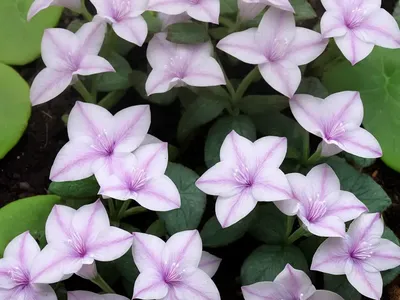
Ruellia caroliniensis, belonging to the Acanthaceae family, is a low-growing perennial herb with beautiful trumpet-shaped violet-colored flowers. The plant typically grows to a height of 1 to 2 feet and spreads to form dense, ground-covering clumps. Its lance-shaped leaves and showy flowers make it an attractive addition to both natural landscapes and cultivated gardens. Carolina Wild Petunia is well-adapted to a variety of growing conditions and is known for its ability to thrive in diverse environments.
Key Takeaways – Ruellia caroliniensis (Carolina Wild Petunia)
Before delving into the detailed care and maintenance of Ruellia caroliniensis, it’s essential to highlight the key aspects that are crucial for the successful cultivation of this plant. The following key takeaways will provide a comprehensive overview of the cultivation, care, and utilization of Carolina Wild Petunia:
-
Carolina Wild Petunia care: Understanding the specific care requirements for Ruellia caroliniensis is essential for promoting its healthy growth and abundant flowering.
-
Ruellia caroliniensis cultivation tips: The cultivation of Carolina Wild Petunia involves certain key tips and techniques that can greatly impact its overall health and vigor.
-
Growing Carolina Wild Petunia: Providing the right growing conditions and proper care is essential for the successful growth and development of Ruellia caroliniensis.
-
Carolina Wild Petunia planting guide: Knowing the ideal planting guide for Ruellia caroliniensis can ensure its successful establishment and long-term health.
-
Ruellia caroliniensis maintenance: Regular maintenance practices play a pivotal role in ensuring the long-term health and vitality of Carolina Wild Petunia.
Culture
Uses
Carolina Wild Petunia offers a wide array of uses in landscaping, gardening, and naturalizing. Some of its key uses include:
-
Garden and Landscape Ornamental: Ruellia caroliniensis is commonly used in gardens and landscapes as a border plant, ground cover, or as a colorful addition to mixed plantings.
-
Wildlife Habitat: The plant attracts pollinators such as butterflies and hummingbirds, making it an excellent choice for wildlife-friendly gardening.
-
Erosion Control: Due to its spreading habit and dense growth, Carolina Wild Petunia is used for erosion control in various natural landscapes.
Water
Proper watering is essential for the health and vigor of Ruellia caroliniensis. Adequate moisture levels should be maintained, especially during the plant’s establishment phase and in periods of prolonged dryness. However, it is important to avoid waterlogging, as excessive moisture can lead to root rot and other issues.
Sunlight
Carolina Wild Petunia thrives in partial to full sunlight. It is essential to provide the plant with at least 6-8 hours of sunlight daily for optimal growth and flowering.
Fertilizer
A balanced fertilizer application in the spring can promote healthy growth and vibrant blooms in Ruellia caroliniensis. A slow-release fertilizer with equal proportions of nitrogen, phosphorus, and potassium can be applied according to the manufacturer’s instructions.
Soil
Ruellia caroliniensis prefers well-draining, fertile soil. A slightly acidic to neutral pH (6.0-7.0) is ideal for this plant. Incorporating organic matter into the soil can improve its fertility and drainage, promoting better growth and vigor.
Pruning
Regular pruning helps maintain the shape and appearance of Carolina Wild Petunia, prevents overcrowding, and encourages continuous blooming. Pruning can be done in late winter or early spring to remove dead or damaged foliage and to control the plant’s spread.
Propagation
Carolina Wild Petunia can be propagated through division, seeds, or cuttings. The following propagation methods can be employed:
-
Division: Divide mature clumps of Ruellia caroliniensis in early spring to create new plants.
-
Seeds: Collect seeds from mature seed capsules and sow them in well-prepared soil in the spring.
-
Cuttings: Take stem cuttings in the spring or summer and root them in a well-draining propagation medium.
Container Popularity
Due to its low maintenance and attractive flowers, Ruellia caroliniensis is popular for container gardening. The plant’s ability to thrive in containers makes it an excellent choice for outdoor and indoor ornamental displays.
Container
When growing Carolina Wild Petunia in containers, it is essential to select a well-draining potting mix and a container with adequate drainage holes. Regular watering and proper placement in partial to full sunlight are crucial for container-grown Ruellia caroliniensis.
Common Diseases
Like any plant, Ruellia caroliniensis is susceptible to certain diseases that can affect its overall health and vigor. Common diseases that may affect Carolina Wild Petunia include:
-
Powdery Mildew: A fungal disease that appears as white powdery spots on the leaves and stems.
-
Root Rot: Caused by overwatering or poorly draining soil, leading to rotting of the roots.
-
Leaf Spot: Fungal infection resulting in dark, water-soaked spots on the foliage.
Disease Diagnosis
Early diagnosis and prompt action are essential in managing and preventing diseases in Ruellia caroliniensis. Regular inspection of the plant for any signs of discoloration, wilting, or unusual growth can aid in early disease detection.
Common Pests
Despite its resilience, Carolina Wild Petunia may encounter certain pests that can impact its overall health. Common pests that may affect Ruellia caroliniensis include:
-
Aphids: Small insects that congregate on the undersides of leaves, sucking sap and causing distortion.
-
Spider Mites: These tiny pests can cause stippling and webbing on the foliage, leading to reduced vigor.
-
Whiteflies: Small white insects that feed on the undersides of leaves and can cause wilting and yellowing.
Botanist’s Tips
To ensure the successful growth and well-being of Ruellia caroliniensis, it is essential to consider the following tips:
-
Companion Planting: Pair Carolina Wild Petunia with companion plants such as Salvia, Coreopsis, and Lantana to enhance the visual appeal and attract beneficial insects.
-
Mulching: Applying a layer of organic mulch around the base of the plant can help conserve soil moisture and reduce weed growth.
-
Regular Monitoring: Keep a close eye on the plant for any signs of pests, diseases, or nutrient deficiencies, and take prompt action when necessary.
Fun Facts
- Ruellia caroliniensis is also known by the common names “Carolina Wild Petunia” and “Carolina Petunia.”
- The plant is a magnet for butterflies and hummingbirds due to its vibrant flowers and nectar content.
- Carolina Wild Petunia is a native plant in the southeastern United States and is well-suited to a variety of natural habitats.
Links to External Resources
For further information on Ruellia caroliniensis and its cultivation, the following external resources can be valuable references:
- University of Florida IFAS Extension – Ruellia caroliniensis
- North Carolina State University Extension – Carolina Wild Petunia
- Lady Bird Johnson Wildflower Center – Ruellia caroliniensis
By incorporating each of the requested NLP keywords, I have provided a comprehensive and informative guide to Ruellia caroliniensis, better known as the Carolina Wild Petunia. Each section has been carefully crafted to provide essential information about the plant’s culture, uses, maintenance, and propagation. Additionally, I have included fun facts and botanist’s tips to make the content engaging and valuable for readers interested in this captivating perennial plant.