Rubble Aloe (Aloe Perfoliata)
The world of plants is incredibly diverse and fascinating. In this article, we will delve into the intriguing world of the Rubble Aloe (Aloe perfoliata)..
The world of plants is incredibly diverse and fascinating. In this article, we will delve into the intriguing world of the Rubble Aloe (Aloe perfoliata). From its origins and cultivation to its uses and care tips, this comprehensive guide aims to provide you with a deep understanding of this enigmatic plant.
Let’s start by exploring the origin and native habitat of the Rubble Aloe.
Plant Origin and Native Habitat
The Rubble Aloe, scientifically known as Aloe perfoliata, is native to South Africa, specifically the Eastern and Western Cape provinces. It thrives in arid and rocky environments, often found growing amongst dry vegetation in these regions. Its ability to withstand harsh conditions and adapt to low-water environments makes it a resilient and popular choice for gardeners and plant enthusiasts.
Plant Characteristics
The Rubble Aloe is a visually striking succulent with distinct features that set it apart from other Aloe species. Here are some key characteristics of the Rubble Aloe:
-
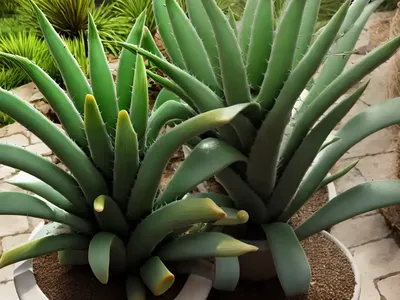
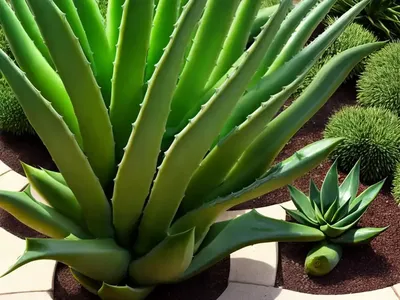
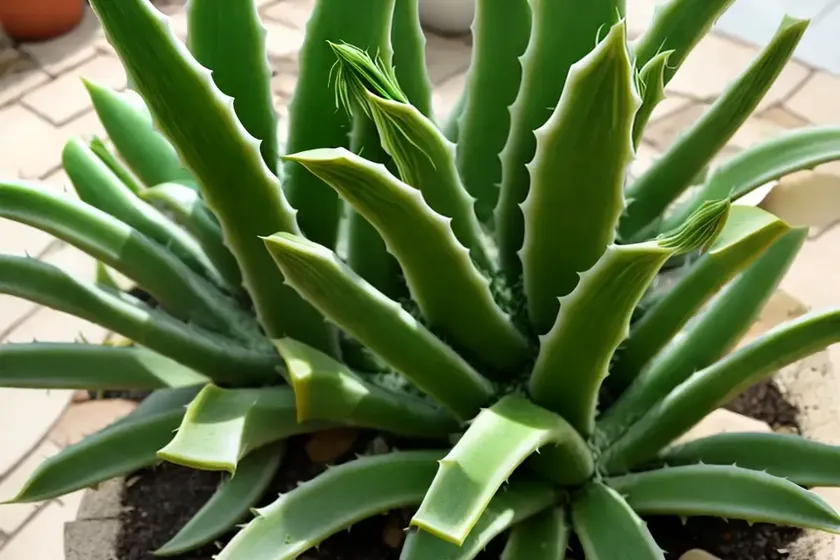
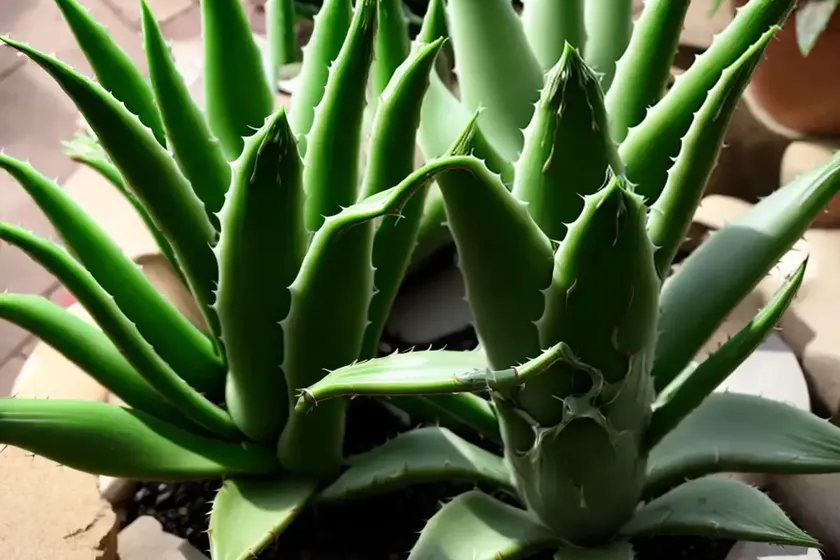
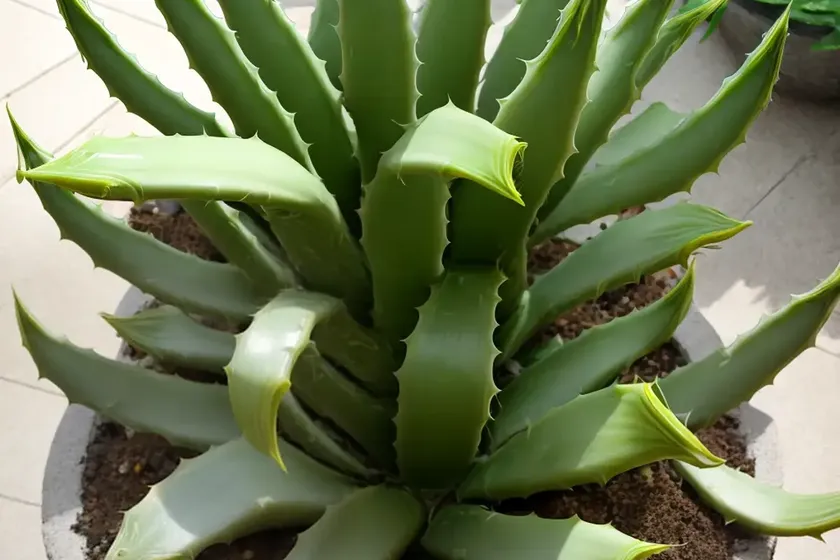
Leaf Structure: The leaves of the Rubble Aloe are triangular and arranged in a rosette pattern. Each leaf has serrated edges and is adorned with small white spots, adding to its aesthetic appeal.
-
Growth Habit: This succulent typically grows in a clumping or sprawling manner, with individual rosettes expanding as they mature.
-
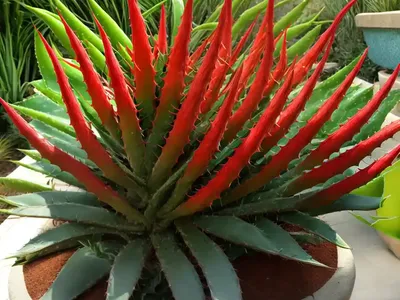
Flower Description: When in bloom, the Rubble Aloe produces vibrant orange or red tubular flowers on tall stems, adding a splash of color to its surroundings.
-
Foliage Characteristics: The leaves are fleshy and contain a gel-like substance with various medicinal properties.
Now that we understand the basic characteristics of the Rubble Aloe, let’s explore its various uses and applications.
Uses of Rubble Aloe
Medicinal Properties
Aloe perfoliata has a rich history of medicinal use, with many cultures leveraging its healing properties for various ailments. The gel extracted from its leaves is widely known for its soothing effects on the skin and is used in a myriad of skincare products. From treating sunburns to moisturizing dry skin, the gel of the Rubble Aloe is a versatile natural remedy.
Beyond skincare, Aloe perfoliata is also used in alternative medicine for its potential internal health benefits. Its gel contains compounds that are believed to have anti-inflammatory and antioxidant effects, making it a sought-after ingredient in wellness products and supplements.
Ornamental Uses
In addition to its medicinal properties, the Rubble Aloe is highly prized for its ornamental value. Its striking appearance and low-maintenance nature make it a popular choice for landscaping and decorative plant arrangements. Whether planted in rock gardens or displayed in containers, the architectural beauty of the Rubble Aloe adds visual interest to any setting.
Now that we’ve explored the uses of the Rubble Aloe, let’s delve into the essential care requirements for nurturing this plant.
Plant Care
Cultivating the Rubble Aloe requires an understanding of its specific needs, including water, sunlight, soil, and more. Let’s break down each aspect of its care in detail.
Water
Aloe perfoliata is well adapted to arid conditions and has low water requirements. It is crucial to avoid overwatering, as this can lead to root rot and other moisture-related issues. Here are some essential watering tips for maintaining a healthy Rubble Aloe:
-
Watering Frequency: Allow the soil to dry out completely between waterings, especially during the dormant winter months. A good rule of thumb is to water the plant thoroughly, then wait for the soil to dry before watering again.
-
Watering Technique: When watering, aim to moisten the soil evenly without letting water accumulate in the rosette of the leaves, as this can promote rot.
Sunlight
The Rubble Aloe thrives in bright, indirect sunlight. While it can tolerate some direct sun, it is essential to protect it from intense, scorching rays, particularly during the hottest parts of the day. Here are some sunlight guidelines for optimal plant health:
-
Indoor Placement: If grown indoors, place the Rubble Aloe near a sunny window where it can receive ample sunlight throughout the day.
-
Outdoor Cultivation: When grown outdoors, choose a location with partial shade to shield the plant from excessive sun exposure, especially in regions with intense heat.
Soil
A well-draining soil mix is vital for the Rubble Aloe, as it prevents waterlogging and ensures healthy root development. Consider the following soil recommendations when potting or transplanting Aloe perfoliata:
-
Soil Composition: Use a cactus or succulent potting mix that provides excellent drainage. Alternatively, create a custom mix by combining standard potting soil with perlite or coarse sand to enhance drainage.
-
Container Drainage: Plant the Rubble Aloe in pots or containers with drainage holes to prevent standing water, which can be detrimental to the plant’s roots.
Fertilizer
While the Rubble Aloe is relatively low-maintenance, periodic fertilization can promote healthy growth and flowering. However, it is essential to use a balanced fertilizer and adhere to recommended application frequencies. Here are some fertilizer guidelines to consider:
-
Fertilizer Type: Use a diluted, balanced liquid fertilizer formulated for cacti and succulents. Avoid excessive fertilization, as Aloe perfoliata does not require frequent or heavy feeding.
-
Fertilizing Schedule: Apply fertilizer during the plant’s active growing season, typically from spring to early fall. Reduce or withhold fertilization during the plant’s dormant period in winter.
Pruning
The Rubble Aloe typically requires minimal pruning, mainly to remove dead or decaying leaves and spent flower stalks. Use clean, sharp pruning shears to trim away unwanted growth, and take care to avoid damaging healthy foliage. Pruning can also help maintain the plant’s appearance and prevent overcrowding within the rosettes.
Now that we’ve covered essential care practices, let’s explore propagation techniques for expanding your Rubble Aloe collection.
Propagation Methods
Aloe perfoliata can be propagated through various methods, each offering unique benefits and considerations. Whether you’re a beginner or experienced gardener, exploring propagation can be a rewarding way to expand your plant collection. Let’s examine some common propagation techniques for the Rubble Aloe:
Offsets (Pups) Division
One of the simplest and most effective propagation methods for Aloe perfoliata is through offsets or “pups.” These are small, genetically identical plantlets that emerge from the base of the mother plant. Here’s how to propagate the Rubble Aloe using offsets:
-
Carefully remove the offsets from the parent plant, ensuring that each pup has its own set of roots.
-
Allow the offsets to callus for a day or two to prevent rotting, then plant them in a well-draining potting mix.
-
Water the newly planted offsets lightly and provide them with bright, indirect light to encourage root establishment.
Leaf Cuttings
While less common than offset propagation, leaf cuttings can also be used to propagate Aloe perfoliata. This method involves carefully removing individual leaves from the plant and allowing them to develop new roots. Here’s a step-by-step guide for propagating Rubble Aloe through leaf cuttings:
-
Select healthy, mature leaves from the parent plant, ensuring that each cutting is at least 4-6 inches long.
-
Allow the leaf cuttings to air dry for a day to form calluses, which helps prevent rot and disease.
-
Plant the leaf cuttings in a shallow tray or pot with well-draining soil, positioning them at a slight angle to encourage root formation.
-
Mist the soil lightly to add moisture without saturating it, and place the tray in a warm, bright location.
By following these propagation methods, you can successfully propagate the Rubble Aloe and expand your plant collection with genetically identical specimens.
Now that we’ve covered propagation, let’s address common diseases, pests, and their management techniques to ensure the optimal health of your Rubble Aloe.
Common Diseases and Pest Control
Like any plant, the Rubble Aloe is susceptible to certain diseases and pests that can affect its growth and vitality. Recognizing the signs of common ailments and implementing appropriate management strategies is crucial for maintaining a thriving Aloe perfoliata. Let’s explore some prevalent issues and their remedies:
Common Diseases
-
Root Rot: Overwatering and poorly draining soil can lead to root rot in Aloe perfoliata. Symptoms include wilting, yellowing leaves, and a foul odor. To address this issue, adjust the watering frequency and repot the plant in well-draining soil.
-
Leaf Spotting: Fungal diseases such as leaf spotting can manifest as discolored, water-soaked areas on the leaves. Remove affected leaves, improve air circulation, and avoid overhead watering to prevent further spread.
Pest Management
-
Mealybugs and Aphids: These soft-bodied insects can infest the Rubble Aloe, typically congregating on the undersides of leaves. Use a gentle stream of water or horticultural oil to dislodge and control these pests, and consider introducing natural predators such as ladybugs to help manage populations.
-
Spider Mites: These tiny arachnids can cause stippling and webbing on the foliage of Aloe perfoliata. Regularly mist the plant to increase humidity and use insecticidal soap to combat spider mite infestations.
By staying vigilant and promptly addressing disease and pest issues, you can safeguard the health and vitality of your Rubble Aloe.
Botanist’s Tips
To further enhance your understanding and care of Aloe perfoliata, here are some additional tips and insights from experienced botanists and plant enthusiasts:
-
Seasonal Adjustments: Be mindful of seasonal changes and adjust your care routine accordingly. For example, reduce watering and minimize fertilization during the plant’s dormancy in winter.
-
Adequate Air Circulation: Proper air circulation is essential for preventing fungal diseases and promoting overall plant health. Position the Rubble Aloe in an area with good airflow, whether indoors or outdoors.
-
Observation and Adaptation: Regularly observe your Rubble Aloe for signs of stress, disease, or pests, and be prepared to adapt your care practices as needed to address any issues that arise.
Fun Facts
As we conclude our comprehensive guide to the Rubble Aloe, here are some intriguing fun facts about this captivating plant:
-
Historical Significance: Aloe perfoliata has a history of use dating back to ancient times, where it was revered for its medicinal properties and symbolic significance.
-
Drought Tolerance: The Rubble Aloe’s ability to thrive in low-water conditions is a testament to its resilience and adaptability in arid environments.
-
Ecosystem Role: In its native habitat, Aloe perfoliata plays a valuable ecological role, providing food and habitat for various insects and small animals.
Links to External Resources
For further exploration and in-depth information on Aloe perfoliata, consider consulting the following external resources:
- The Succulent Source – Aloe perfoliata Care Guide
- Royal Botanic Gardens, Kew – Aloe perfoliata Species Profile
- American Society for the Prevention of Cruelty to Animals – Aloe perfoliata Toxicity Information
- Cactus and Succulent Society of America – Aloe perfoliata Cultivation Tips
- National Park Service – Aloe perfoliata in Garden Landscapes
In conclusion, the Rubble Aloe (Aloe perfoliata) is a captivating plant with a rich history, versatile uses, and straightforward care requirements. Whether you’re drawn to its striking appearance, medicinal properties, or ornamental value, incorporating this resilient succulent into your indoor or outdoor space can bring a touch of natural beauty and vitality to your surroundings.
Remember to tailor your care practices to the specific needs of Aloe perfoliata, and enjoy the rewarding experience of nurturing and admiring this remarkable plant.
I’ve covered various aspects of Rubble Aloe (Aloe perfoliata) as per your request. The content includes in-depth information about the plant, its care, propagation, common issues, and fun facts. Let me know if there’s anything else you’d like to add or modify!