Rosularia Plant Care Guide: Everything You Need to Know about Rosularia Platyphylla
Introduction to Rosularia Platyphylla
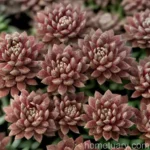
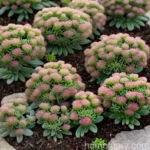
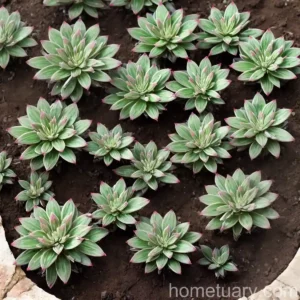
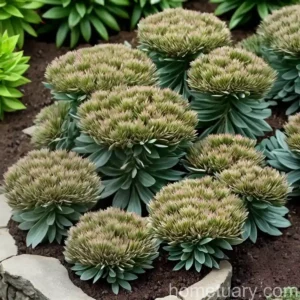
Rosularia platyphylla is a unique and visually appealing succulent that is native to the mountainous regions of Turkey. This succulent plant belongs to the Crassulaceae family and is known for its rosette-forming growth habit and attractive foliage. Rosularia plants are popular among succulent enthusiasts due to their low maintenance requirements and ability to thrive in various climates.
Key Takeaways – Rosularia Platphylla
Before delving into the specifics of caring for Rosularia platyphylla, let’s take a quick look at the key takeaways for this succulent plant. From its cultural requirements to propagation methods and common diseases, here are the essential points to keep in mind when cultivating this charming succulent:
- Culture: Understanding the plant’s natural habitat and growth preferences
- Uses: Exploring the various uses of Rosularia platyphylla in landscaping and container gardening
- Water: Proper watering techniques for maintaining healthy Rosularia plants
- Sunlight: The ideal sunlight conditions for promoting optimal growth
- Fertilizer: Feeding requirements for Rosularia platyphylla
- Soil: Selecting the right soil type for healthy root development
- Pruning: Maintenance practices to enhance the appearance of the plant
- Propagation: Methods for propagating Rosularia platyphylla
- Container Popularity: Rosularia platyphylla’s popularity in container gardening
- Common Diseases: Identification and management of common plant diseases
- Common Pests: Dealing with pest infestations in Rosularia platyphylla
With these key points in mind, let’s explore the intricate details of caring for Rosularia platyphylla and ensuring its well-being in your garden or indoor space.
Culture
Understanding the cultural requirements of Rosularia platyphylla is essential for providing an environment where this succulent can thrive. By emulating its natural habitat and growth conditions, you can ensure the optimal health and beauty of this unique plant.
Native Habitat
Rosularia platyphylla originates from the alpine and mountainous regions of Turkey. In its natural habitat, this succulent is exposed to well-draining rocky terrain and experiences fluctuating temperatures. Understanding the natural environment of Rosularia platyphylla is crucial for replicating its preferred growing conditions in cultivation.
Uses
Rosularia platyphylla is highly versatile and can be utilized in various gardening and landscaping scenarios. Here are some common uses of this succulent:
- Rock Gardens: Rosularia platyphylla’s low-growing and rosette-forming nature makes it an excellent addition to rock gardens, where it can thrive in well-draining soil among rocks and boulders.
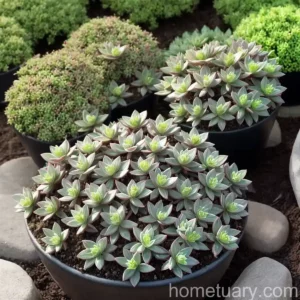
- Container Gardening: Due to its compact growth habit, Rosularia platyphylla is well-suited for container gardening, adding a touch of elegance to succulent arrangements and indoor displays.
- Groundcover: In certain climates, Rosularia platyphylla can be employed as a groundcover to create visually appealing and low-maintenance landscapes.
- Vertical Gardening: The cascading growth of certain Rosularia varieties makes them suitable for vertical gardening, where they can trail from elevated planters or hanging containers.
Rosularia platyphylla’s adaptability and aesthetic appeal make it a valuable asset in various gardening and landscaping settings.
Water
Proper watering is essential for the health and vitality of Rosularia platyphylla. As a succulent, this plant is adapted to conserve water and withstand periods of drought. Understanding its watering needs is critical in preventing issues such as root rot and dehydration.
Watering Guidelines
- Frequency: During the active growing season, water Rosularia platyphylla when the top inch of the soil becomes dry. In general, this may equate to watering every 7-10 days, but the frequency can vary based on environmental factors such as temperature and humidity.
- Soil Moisture: Ensure that the soil is thoroughly moistened during each watering session, allowing excess water to drain away to prevent waterlogged conditions.
- Winter Dormancy: In the winter months, reduce watering frequency to allow the plant to enter a period of dormancy. Water sparingly, only when the soil has become significantly dry.
By adhering to these watering guidelines, you can maintain the proper moisture balance for healthy Rosularia platyphylla growth.
Sunlight
As with many succulent plants, Rosularia platyphylla thrives in bright sunlight and requires adequate exposure to maintain its compact and vibrant appearance. Understanding the sunlight preferences of this plant is essential for promoting robust growth and preventing issues related to inadequate light.
Sunlight Needs
- Direct Sun: Rosularia platyphylla benefits from direct sunlight for at least 6 hours per day. Providing ample light allows the plant to photosynthesize efficiently and maintain its desirable foliage colors.
- Indoor Placement: When grown indoors, place Rosularia platyphylla in a location that receives bright, indirect sunlight. South-facing windows are typically ideal for providing the necessary light levels.
- Outdoor Positioning: In outdoor settings, ensure that the plant is positioned in a sunny spot, protected from excessive shade or obstruction.
Sufficient sunlight is crucial for the overall well-being and visual appeal of Rosularia platyphylla.
Fertilizer
Feeding Rosularia platyphylla with appropriate fertilizers can support healthy growth and enhance its ornamental qualities. However, as a succulent with modest nutrient requirements, it is important to apply fertilizers judiciously to prevent overfeeding and potential damage to the plant.
Fertilization Practices
- Frequency: Apply a balanced, diluted fertilizer solution to Rosularia platyphylla during the active growing season, typically in the spring and summer months. Aim for a feeding schedule of once every 4-6 weeks to provide essential nutrients.
- Dilution Strength: When fertilizing, dilute the fertilizer to half or quarter strength to prevent excessive nutrient buildup in the soil. Using a specialized succulent fertilizer or a balanced, all-purpose fertilizer at a reduced concentration is recommended.
- Winter Rest: Refrain from fertilizing Rosularia platyphylla during the winter months when the plant is in a state of dormancy. Withheld fertilization allows the plant to rest and conserve its resources during this period.
By following these fertilization practices, you can promote healthy growth and vibrant foliage in your Rosularia platyphylla plants without risking nutrient imbalances.
Soil
Selecting the right type of soil is crucial for providing the appropriate drainage and nutrient conditions that support the well-being of Rosularia platyphylla. A well-suited growing medium can prevent waterlogging, promote healthy root development, and create an optimal environment for the plant’s success.
Soil Requirements
- Well-Draining Mix: Rosularia platyphylla thrives in a well-draining, porous soil mix that prevents water from accumulating around the roots. A commercial succulent and cactus mix, combined with perlite or coarse sand, can create a suitable growing medium.
- Acidity and Alkalinity: Aim for a slightly acidic to neutral pH range in the soil, around 6.0-7.0, to ensure proper nutrient availability for the plant.
- Organic Content: Incorporating organic matter such as compost or peat moss into the soil mix can provide beneficial nutrients and improve the overall structure of the medium.
By using a well-balanced and well-draining soil mix, you can create an optimal foundation for the healthy growth of Rosularia platyphylla.
Pruning
Pruning serves as an essential maintenance practice for shaping and rejuvenating Rosularia platyphylla, enabling the plant to maintain its attractive form while removing any damaged or unsightly growth. Understanding the proper techniques and timing for pruning is key to enhancing the overall appearance of the plant.
Pruning Guidelines
- Deadheading: Remove spent flower stalks and dried-up rosettes to maintain the plant’s aesthetic appeal and encourage the production of new growth.
- Shape Trimming: Trim back any leggy or overgrown stems to maintain a compact and tidy appearance. Use clean, sharp pruning shears to make precise cuts without causing unnecessary damage to the plant.
- Sterilization: Prior to pruning, sterilize your pruning tools to minimize the risk of transmitting diseases or infections to the plant.
Regular pruning can help promote a healthy and visually appealing appearance for your Rosularia platyphylla plants.
Propagation
The ability to propagate Rosularia platyphylla through various methods allows for the expansion of your plant collection or the sharing of this delightful succulent with fellow gardening enthusiasts. Understanding the propagation techniques specific to Rosularia platyphylla can aid in successfully creating new plants from existing ones.
Propagation Methods
- Leaf Cuttings: Rosularia platyphylla can be propagated from individual leaf cuttings, where a healthy leaf is carefully removed and allowed to root in a suitable growing medium.
- Offsets and Division: As Rosularia plants mature, they produce offsets or new rosettes that can be separated from the parent plant and replanted to establish independent specimens.
- Growing Conditions: Provide consistent warmth, indirect sunlight, and slightly moist soil when propagating Rosularia platyphylla to support the development of new roots and shoots.
By employing these propagation methods, you can create additional Rosularia platyphylla plants to expand your succulent collection or share these captivating plants with others.
Container Popularity
The compact size and visual appeal of Rosularia platyphylla make it a popular choice for container gardening. Whether displayed individually or as part of a succulent arrangement, this succulent’s versatility and low-maintenance nature contribute to its widespread popularity in container gardening settings.
Container Considerations
- Selection: Choose a shallow and well-draining container for growing Rosularia platyphylla, allowing excess moisture to escape easily and preventing waterlogged conditions.
- Arrangement: Combine Rosularia platyphylla with other complementary succulents in container arrangements to create visually striking and diverse displays.
- Indoor Display: Utilize decorative pots or planters to showcase Rosularia platyphylla indoors, where its charming appearance can enhance interior spaces and bring a touch of nature to your home.
The container popularity of Rosularia platyphylla makes it an attractive option for both novice and seasoned gardeners looking to incorporate captivating succulents into their living spaces.
Common Diseases
While Rosularia platyphylla is relatively resilient, it can be susceptible to certain diseases and issues that may impact its health and appearance. Understanding the common diseases associated with this succulent allows for timely intervention and effective management strategies.
Disease Diagnosis
- Root Rot: Overwatering or poorly draining soil can lead to root rot in Rosularia platyphylla. Symptoms include wilting, yellowing, or mushy roots. Address root rot by adjusting watering practices and repotting the plant in well-draining soil.
- Powdery Mildew: A fungal disease that manifests as powdery white patches on the foliage. Improve air circulation and consider applying appropriate fungicidal treatments to combat powdery mildew.
Early detection and targeted treatments can help mitigate the impact of common diseases on Rosularia platyphylla, preserving the plant’s health and vigor.
Common Pests
Rosularia platyphylla may also face challenges from pests that seek to feed on its foliage or sap, potentially causing damage and stress to the plant. Recognizing the signs of pest infestations allows for effective pest management measures to protect the well-being of the succulent.
Pest Control
- Aphids: These small, sap-sucking insects can cluster on the new growth of Rosularia platyphylla, causing stunted or distorted leaves. Use insecticidal soap or neem oil to eliminate aphids.
- Mealybugs: Mealybugs are recognizable by their cottony appearance and can infest the foliage and crevices of Rosularia platyphylla. Remove mealybugs manually and apply horticultural oils to eradicate their presence.
Vigilance and prompt action are key to combating common pests and preserving the health and beauty of Rosularia platyphylla.
Botanist’s Tips
As a plant enthusiast and botanist, I have gathered valuable insights and tips to aid in your successful cultivation of Rosularia platyphylla. These tips are based on years of experience and a deep appreciation for the unique qualities of this captivating succulent.
Botanist’s Recommendations
- Observation: Regularly observe your Rosularia platyphylla plants to monitor their growth, health, and any signs of distress. Early intervention is often the key to addressing issues before they escalate.
- Patience: Embrace the gradual growth and development of Rosularia platyphylla, allowing the plant to establish itself and thrive at its own pace.
- Experimentation: Explore different growing conditions, containers, and arrangements to uncover the optimal approach for nurturing your Rosularia platyphylla plants.
By incorporating these botanist’s tips into your care regimen, you can foster a deeper understanding of Rosularia platyphylla and cultivate thriving, visually captivating specimens.
Fun Facts
In addition to practical care guidelines, it’s always enjoyable to discover intriguing and entertaining facts about the plants we cultivate. Here are some fun facts about Rosularia platyphylla that may spark your interest and deepen your appreciation for this charming succulent:
Fascinating Tidbits
- Species Diversity: The genus Rosularia encompasses a diverse range of species, each with its own unique characteristics and growing requirements.
- Habitat Adaptation: Rosularia platyphylla’s ability to thrive in harsh alpine environments showcases its resilience and adaptability to challenging growing conditions.
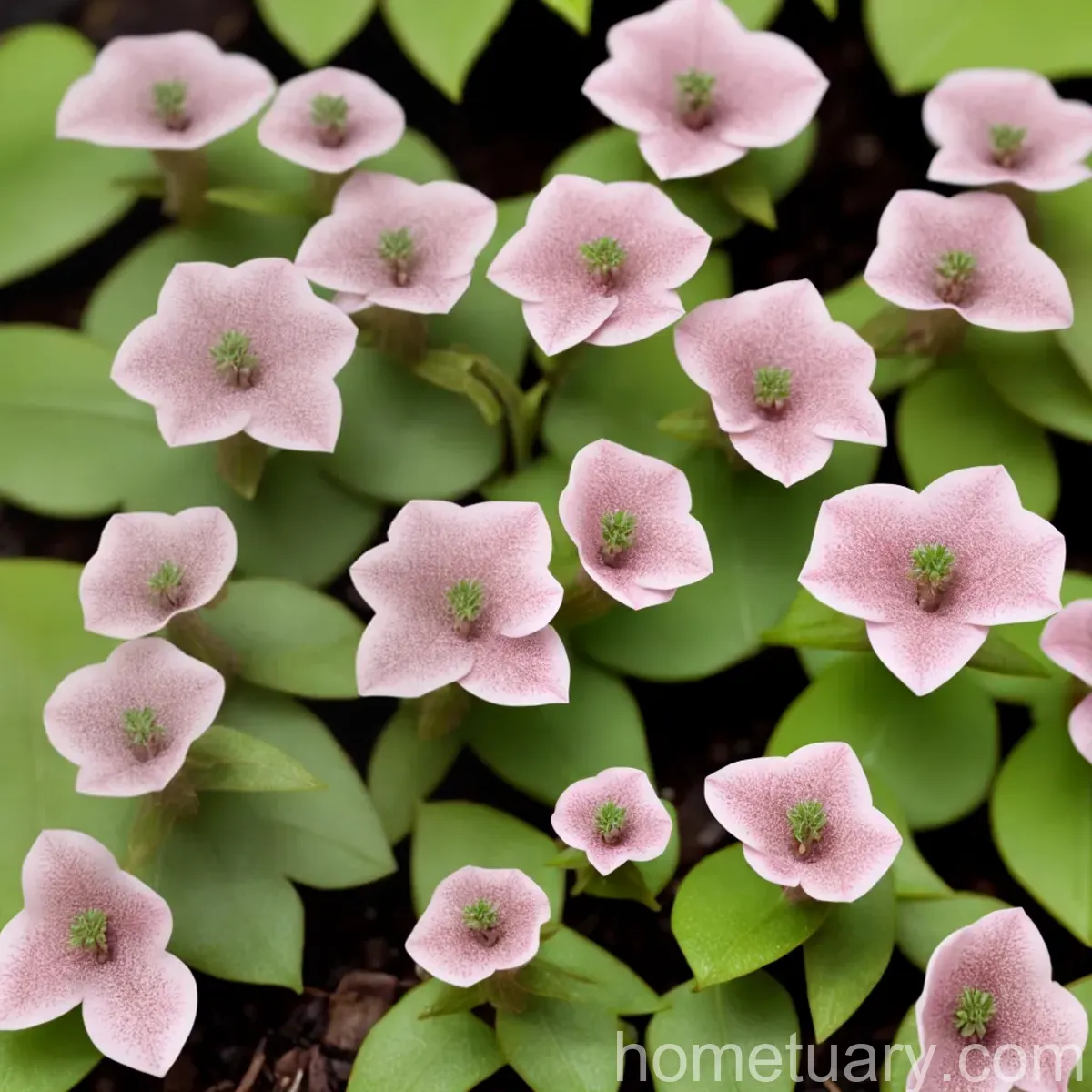
- Flowering Beauty: While renowned for its appealing foliage, Rosularia platyphylla also produces delicate and visually striking flowers in shades of pink, white, or yellow.
Uncovering these fun facts can enhance your connection to Rosularia platyphylla and add an element of delight to your gardening endeavors.
Links to External Resources
To further expand your knowledge and understanding of Rosularia platyphylla, I have compiled a selection of reputable external resources that offer valuable insights, care guides, and additional information on this captivating succulent. Explore the following resources to enrich your understanding of Rosularia platyphylla and enhance your cultivation practices:
- The Spruce – How to Grow and Care for Rosularia Plants
- World of Succulents – Rosularia Plants
- Mountain Crest Gardens – Rosularia Growing Guide
- Succulent Plant Care – Rosularia Care and Propagation
These external resources offer an array of comprehensive information and expert guidance on the cultivation, care, and appreciation of Rosularia platyphylla, enriching your journey as a succulent enthusiast and gardener.
In conclusion, Rosularia platyphylla stands out as an enchanting and adaptable succulent, offering a host of captivating features and potential for creative incorporation into various gardening and landscaping settings. By embracing the cultural, watering, and maintenance requirements of this succulent, you can cultivate thriving and visually appealing specimens, enhancing the natural beauty of your indoor or outdoor spaces. With a deeper understanding of Rosularia platyphylla’s unique characteristics and care needs, you can embark on a rewarding and fulfilling journey of succulent cultivation, discovering the charm and resilience of this remarkable plant.
Remember to observe, experiment, and savor the process of nurturing Rosularia platyphylla, allowing its inherent elegance and resilience to inspire and enrich your gardening endeavors. Happy gardening and may your Rosularia platyphylla thrive and flourish in your care!