Ribbon Bush (Homalocladium Platycladum)
The Ribbon Bush (Homalocladium Platycladum) is a unique and intriguing plant that has captured the attention of plant enthusiasts and botanists alike. With.
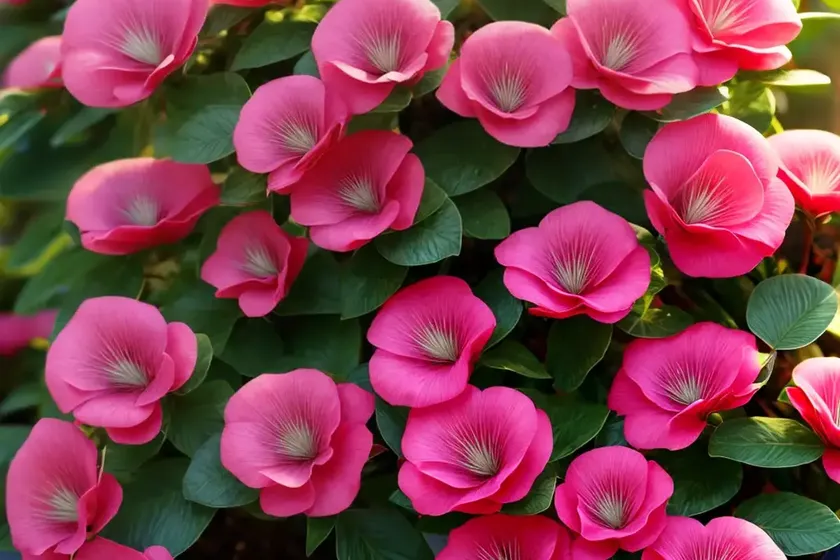
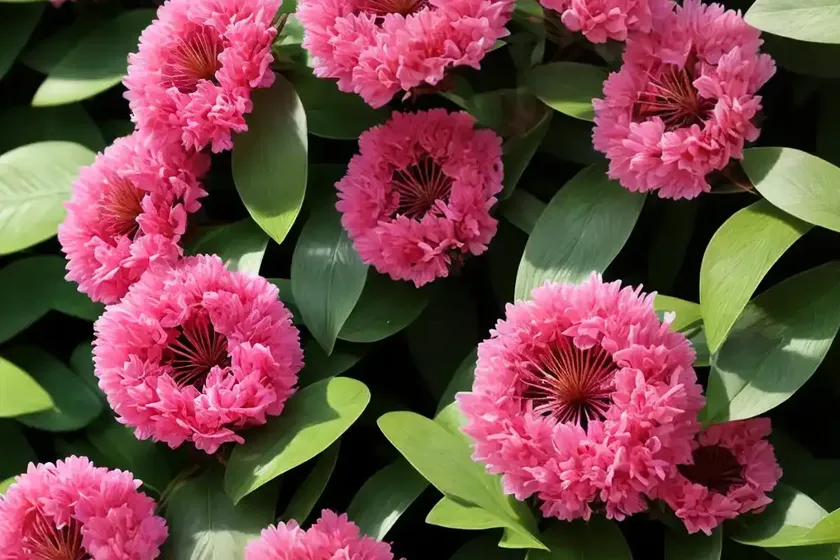
The Ribbon Bush (Homalocladium Platycladum) is a unique and intriguing plant that has captured the attention of plant enthusiasts and botanists alike. With its distinctive ribbon-like flattened stems and vibrant green foliage, the Ribbon Bush is a stunning addition to any garden or indoor space. In this comprehensive guide, we will delve into all aspects of caring for and understanding the Ribbon Bush, from its cultural requirements to its propagation and potential uses. Whether you are a seasoned gardener or a beginner plant enthusiast, this guide will provide you with valuable insights into this fascinating plant.
What is the Ribbon Bush (Homalocladium Platycladum)?
The Ribbon Bush, scientifically known as Homalocladium Platycladum, is a member of the Polygonaceae family and is native to the Solomon Islands. It is also commonly referred to as “Tapeworm Plant” or “Ribbon Plant” due to its unusual ribbon-like appearance. The plant’s unique stems and vibrant green leaves make it a standout feature in any garden or landscape.
Key Takeaways – Ribbon Bush (Homalocladium Platycladum)
Before we dive into the specifics of caring for the Ribbon Bush, let’s highlight some key takeaways about this remarkable plant:
- The Ribbon Bush, or Homalocladium Platycladum, is known for its ribbon-like flattened stems and vibrant green foliage.
- This plant is native to the Solomon Islands and is part of the Polygonaceae family.
- It is often referred to as the “Tapeworm Plant” due to its distinctive appearance.
- The Ribbon Bush can be a striking addition to both indoor and outdoor spaces, adding a touch of visual interest to any environment.
- Understanding the cultural requirements, uses, and potential challenges of caring for the Ribbon Bush is essential for its successful growth and maintenance.
Now that we have an overview of the Ribbon Bush, let’s explore the specific aspects of caring for and understanding this plant in greater detail.
Culture
Understanding the cultural requirements of the Ribbon Bush is crucial for ensuring its health and vibrancy. From water and sunlight needs to soil and fertilizer considerations, let’s delve into the specific cultural requirements of the Homalocladium Platycladum.
Uses
The Ribbon Bush, with its unique appearance, has several potential uses, both ornamental and practical. Understanding the diverse uses of this plant can help you maximize its potential in your garden or indoor space.
Water
Proper watering is essential for maintaining the health and vigor of the Ribbon Bush. Finding the right balance in watering practices is vital for preventing overwatering or underwatering, which can adversely impact the plant’s well-being.
Sunlight
As with any plant, understanding the sunlight requirements of the Ribbon Bush is crucial for its overall growth and development. Whether grown indoors or outdoors, providing the right amount of sunlight is essential for maintaining the plant’s vitality.
Fertilizer
Fertilization plays a key role in providing essential nutrients to the Ribbon Bush, promoting robust growth and vibrant foliage. Understanding the appropriate fertilization practices will contribute to the overall health of the plant.
Soil
The soil composition and quality significantly impact the growth and well-being of the Ribbon Bush. Evaluating the ideal soil conditions and making necessary adjustments are fundamental for fostering a thriving plant.
Pruning
Pruning is an essential aspect of maintaining the appearance and health of the Ribbon Bush. Proper pruning practices can help shape the plant and encourage healthy growth.
Propagation
The propagation of the Ribbon Bush offers the opportunity to expand your plant collection or share the beauty of this unique plant with others. Understanding the various propagation methods is essential for successful reproduction of the Homalocladium Platycladum.
Container Popularity
The Ribbon Bush’s popularity as a container plant makes it an attractive choice for indoor and outdoor settings. Exploring its suitability for different container types can help you make informed decisions about its placement.
Common Diseases and Pests
As with any plant, the Ribbon Bush is susceptible to certain diseases and pests that can impact its health. Identifying and addressing common diseases and pests is essential for maintaining the well-being of the Homalocladium Platycladum.
Disease Diagnosis
Recognizing the signs and symptoms of common diseases affecting the Ribbon Bush is crucial for implementing timely and effective treatments.
Common Pests
Understanding the pests that pose potential threats to the Ribbon Bush is essential for implementing preventive measures and targeted pest control strategies.
Botanist’s Tips
Seasoned botanists and plant enthusiasts often have valuable insights and tips for caring for specific plants. Incorporating botanist-recommended tips can enhance your knowledge and understanding of the Ribbon Bush.
Fun Facts
Learning some intriguing and lesser-known facts about the Ribbon Bush can deepen your appreciation for this remarkable plant. Let’s explore some fun and fascinating facts about the Homalocladium Platycladum.
Links to External Resources
To further expand your knowledge and understanding of the Ribbon Bush, we have curated a list of external resources that can provide valuable information and insights into this unique plant. Whether you’re seeking in-depth care guides, stunning visuals, or expert advice, these external resources are valuable references for plant enthusiasts and botanists alike.
Summary
In conclusion, the Ribbon Bush (Homalocladium Platycladum) is a captivating plant with distinctive features that make it a standout addition to any garden or indoor space. Understanding its cultural requirements, potential uses, and best practices for care is essential for fostering its health and vibrancy. By delving into the specifics of watering, sunlight, soil, and other critical aspects of care, you can create an optimal environment for the Ribbon Bush to thrive. Additionally, being aware of common diseases, pests, and effective maintenance practices will contribute to the plant’s overall well-being. Whether you are an experienced gardener or a novice plant enthusiast, the Ribbon Bush offers an exciting opportunity to cultivate and appreciate the beauty of this unique plant.
In this comprehensive guide, we have covered the essential aspects of caring for the Ribbon Bush, providing valuable insights and practical tips for its successful growth and maintenance. By incorporating the knowledge and recommendations shared in this guide, you can embark on a rewarding journey of nurturing and enjoying the striking beauty of the Homalocladium Platycladum.
References
- “Homalocladium Platycladum.” Missouri Botanical Garden, http://www.missouribotanicalgarden.org/PlantFinder/PlantFinderDetails.aspx?taxonid=281491&isprofile=0&.
- “Ribbon Plant – Homalocladium Platycladum.” The Palm Room, https://www.thepalmroom.co/rare-plants-raleigh/ribbon-plant-homalocladium-platycladum.
- “Homalocladium Platycladum: Care and Growing Guide.” Bloomscape, https://bloomscape.com/plant-care-guide/homalocladium-platycladum/.
- “Homalocladium Platycladum (Ribbon Bush).” World of Succulents, https://worldofsucculents.com/homalocladium-platycladum-ribbon-bush/.
- “Ribbon Bush (Homalocladium Platycladum) Plant Profile.” Costa Farms, https://www.costafarms.com/plants/ribbon-bush.
- “Homalocladium platycladum (Miq.) L.H.Bailey.” Plants of the World Online, http://powo.science.kew.org/taxon/urn:lsid:ipni.org:names:69663-2.
Remember to always refer to authoritative sources and seek professional assistance for specific plant care and maintenance concerns.