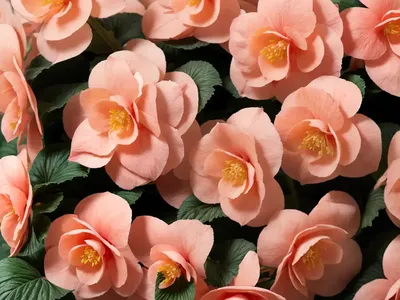
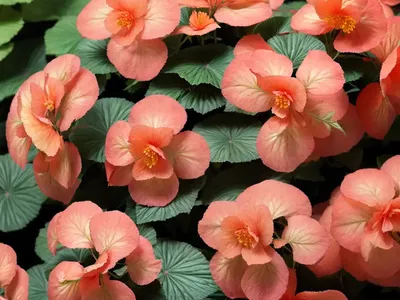
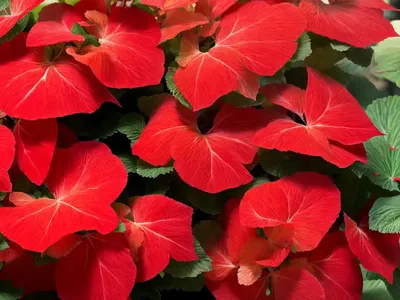
Rex Begonia (Begonia Rex-cultorum)
Welcome to our comprehensive guide to the stunning and versatile Rex Begonia, scientifically known as Begonia Rex-cultorum. In this guide, we will delve.
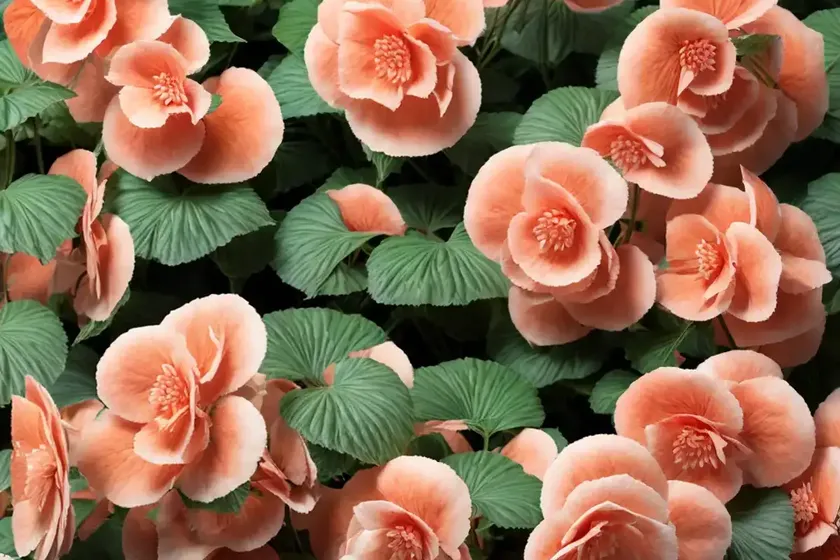
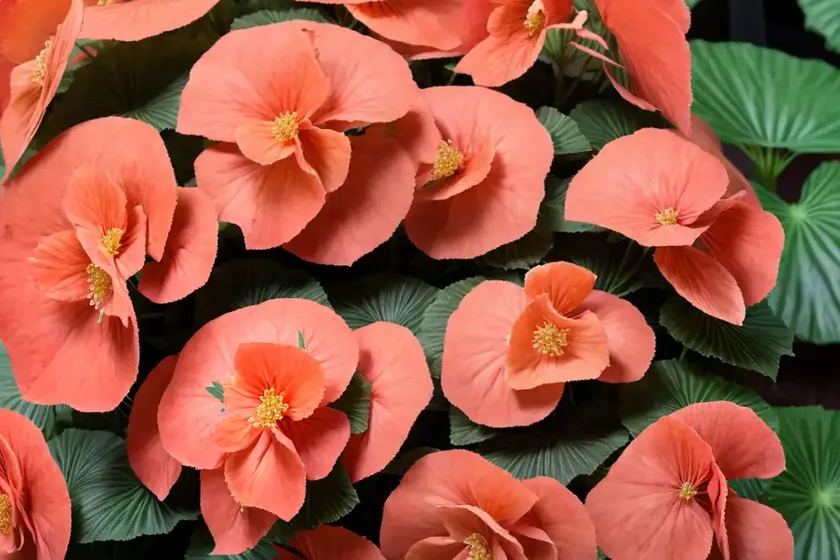
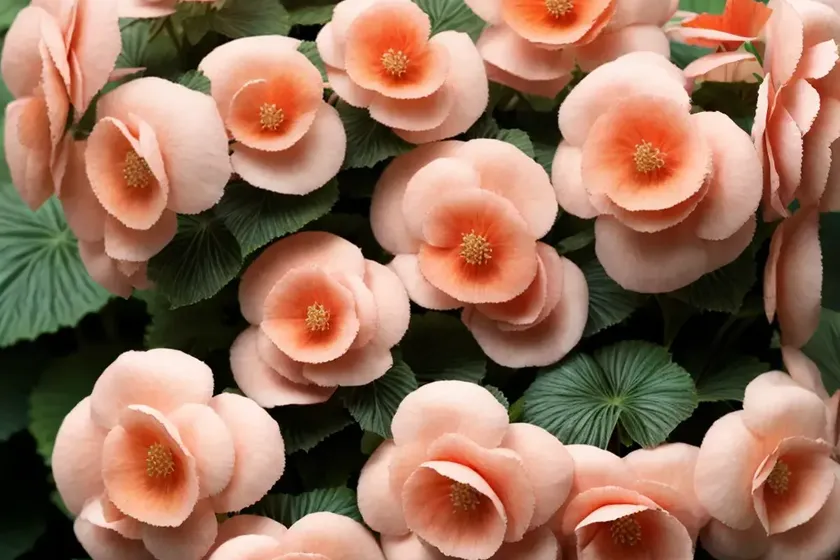
Welcome to our comprehensive guide to the stunning and versatile Rex Begonia, scientifically known as Begonia Rex-cultorum. In this guide, we will delve into all aspects of this beloved plant, from its cultural needs to its propagation and common diseases. Whether you are a seasoned plant enthusiast or a beginner looking to add a touch of elegance to your living space, this guide will equip you with the knowledge and skills to successfully care for and propagate the Rex Begonia.
What is Rex Begonia (Begonia Rex-cultorum)?
The Rex Begonia, a member of the Begoniaceae family, is revered for its striking foliage and intricate leaf patterns. Unlike traditional Begonias, which are grown for their flowers, Rex Begonias are prized for their beautiful and often iridescent foliage. These plants are native to the tropical regions of Asia, Africa, and South and Central America, where they thrive in the moist and shaded environments of the forest floor.
Rex Begonias are commonly grown as indoor ornamental plants due to their sensitivity to cold temperatures. When provided with the right conditions, they can thrive and add a touch of lush greenery to indoor spaces, making them a popular choice for both homes and offices.
Key Takeaways – Rex Begonia (Begonia Rex-cultorum)
Before we dive into the detailed care and cultivation guide, let’s take a quick look at the key takeaways for Rex Begonia:
- Plant Name: Rex Begonia (Begonia Rex-cultorum)
- Common Names: King Begonia, Painted-Leaf Begonia
- Plant Type: Perennial
- Sunlight: Indirect, bright light
- Watering: Evenly moist soil
- Soil Type: Well-draining, rich potting mix
- Fertilization: Diluted liquid fertilizer during growing season
- Pruning: Regular removal of dead or damaged leaves
- Propagation: Leaf cuttings
- Common Diseases: Powdery mildew, leaf spots
- Common Pests: Spider mites, mealybugs
- Popularity: Popular as a houseplant
- Container: Well-draining containers with sufficient room for growth
- Growth Rate: Moderate
- Height: 12-18 inches
- Lifespan: Perennial with proper care
Now that we have an overview of the key attributes and characteristics of the Rex Begonia, let’s delve into the specifics of its care and cultivation.
Culture
Caring for Rex Begonias can be a rewarding experience, given their stunning foliage and manageable care requirements. Understanding the cultural needs of this plant is essential for creating an environment in which it can thrive.
Water
Maintaining appropriate soil moisture is critical for the health and vitality of Rex Begonias. These plants thrive in consistently moist soil, but they are sensitive to waterlogged conditions, which can lead to root rot. When watering your Rex Begonia, aim to keep the soil evenly moist, but not waterlogged. Allow the top inch of the soil to dry out slightly before watering again to prevent overwatering.
Sunlight
Rex Begonias are well-adapted to thrive in bright, indirect light. While they require good light exposure to support healthy growth and vibrant foliage, direct sunlight can scorch their delicate leaves. Placing them near east or north-facing windows is ideal, as they can benefit from the gentle morning or filtered light.
Fertilizer
Proper fertilization is essential for promoting healthy growth and lush foliage in Rex Begonias. During the growing season, which typically runs from spring to early fall, use a balanced, water-soluble fertilizer diluted to half strength. Apply the fertilizer every 4-6 weeks to supply the plant with essential nutrients without risking fertilizer burn.
Soil
Choosing the right soil mix is crucial for maintaining proper soil moisture and providing adequate drainage for Rex Begonias. A well-draining potting mix with a high organic matter content is recommended. A mix containing peat moss, perlite, and pine bark will help maintain the necessary moisture levels while ensuring good aeration for the plant’s roots.
Pruning
Regular pruning is an essential aspect of Rex Begonia care, as it helps maintain the plant’s shape and removes any damaged or dead leaves. Use clean, sharp scissors or pruning shears to trim away any discolored or decaying foliage. Additionally, you can trim leggy stems to encourage a compact and bushy growth habit.
Propagation
One of the most exciting aspects of Rex Begonia care is the ability to propagate new plants from leaf cuttings. This simple and rewarding process allows you to expand your collection or share the beauty of Rex Begonias with friends and fellow plant enthusiasts.
To propagate Rex Begonias through leaf cuttings:
- Select a healthy leaf from the parent plant, ensuring it has prominent veins and healthy tissue.
- Use a clean, sharp blade to cut the leaf into 2-3 inch sections, ensuring that each section has a visible vein running through it.
- Place the cuttings on a tray filled with a well-draining, moist propagation medium, such as a mix of peat moss and perlite.
- Keep the cuttings in a warm, humid environment with indirect light and maintain the moisture levels in the propagation medium.
- After a few weeks, small plantlets will begin to form at the cut edges of the leaf sections. Once these plantlets have developed roots and a few leaves, they can be carefully potted into their individual containers.
Propagation not only allows you to expand your collection of Rex Begonias but also provides an opportunity to share the beauty of these plants with others.
Container Popularity
Rex Begonias are extremely popular as container plants, owing to their manageable size and stunning foliage. When selecting a container for your Rex Begonia, opt for one with adequate drainage holes to prevent waterlogging. A well-draining potting mix is also essential to ensure the health of the plant’s roots.
Common Diseases
Despite their resilience, Rex Begonias can be susceptible to certain diseases, particularly when grown in conditions that do not meet their cultural requirements. Some common diseases that may affect Rex Begonias include:
- Powdery Mildew: A fungal disease that presents as a powdery, white substance on the leaves, typically caused by high humidity and poor air circulation.
- Leaf Spots: Fungal and bacterial pathogens can lead to the development of dark or discolored spots on the foliage, compromising the plant’s aesthetic appeal and overall health.
Understanding the conditions that contribute to these diseases, such as excessive moisture and poor air circulation, can help prevent their occurrence and promote the long-term health of your Rex Begonias.
Disease Diagnosis
Diagnosing and addressing diseases in Rex Begonias requires a keen eye for the subtle signs of distress. Keep an eye out for the following symptoms, which may indicate the presence of disease or stress:
- Wilting or Drooping Leaves: A sign of both overwatering and underwatering, as well as potential root rot.
- Yellowing or Browning Leaves: Indicative of nutrient deficiencies, overexposure to sunlight, or water stress.
- White, Powdery Residue on Leaves: A telltale sign of powdery mildew, a common fungal disease in Begonias.
Observing and understanding these symptoms can guide you in identifying and addressing potential disease issues before they escalate.
Common Pests
While Rex Begonias are relatively resistant to pests, they can occasionally fall victim to infestations by common indoor plant pests. Some pests that may affect Rex Begonias include:
- Spider Mites: These tiny pests can infest the undersides of leaves, causing stippling and webbing.
- Mealybugs: Small, white, cottony insects that tend to cluster on the stems and leaf nodes, sapping the plant’s vitality.
Regular inspection of the plant’s foliage and stems can help identify pest issues early, allowing for prompt intervention and treatment.
Botanist’s Tips
As a plant scientist and enthusiast, I have some insider tips to share for successfully cultivating and caring for Rex Begonias:
- Humidity Control: Rex Begonias thrive in moderately humid environments. To boost humidity levels, consider placing a tray of water and pebbles near the plant or utilizing a room humidifier, particularly during dry winter months.
- Leaf Cleaning: The intricate and often textured leaves of Rex Begonias can benefit from periodic cleaning to remove dust and maintain their luster. Gently wipe the leaves with a damp, soft cloth to keep them free of debris.
- Temperature Considerations: Rex Begonias prefer temperatures between 60-75°F (15-24°C). Avoid exposing them to cold drafts or sudden temperature fluctuations, as this can lead to stress and potential leaf damage.
Incorporating these tips into your Rex Begonia care routine can contribute to the long-term health and vitality of your plants.
Fun Facts
Before we conclude our comprehensive guide, here are some fun and intriguing facts about Rex Begonias:
- Rex Begonias are often referred to as “Painted-Leaf Begonias” due to the vibrant and intricate patterns on their foliage, which bear a striking resemblance to paintings.
- The name “Rex” in Rex Begonia emphasizes the regal and royal appearance of the plant’s foliage, often featuring vivid colors and ornate textures.
- Rex Begonias are excellent air-purifying plants, helping to remove toxins and enhance indoor air quality.
Links to External Resources
For additional information and resources on Rex Begonias and their care, feel free to explore the following links:
- The American Begonia Society – A valuable resource for begonia enthusiasts, featuring articles, forums, and information on Begonia Rex-cultorum varieties.
- Royal Horticultural Society – Begonia Rex-cultorum – Information from the RHS on the cultivation and care of Begonia Rex-cultorum.
- University of Florida IFAS Extension – Begonia Rex-cultorum – In-depth guide to the characteristics and care of Begonia Rex-cultorum.
In conclusion, Rex Begonias, with their captivating foliage and manageable care requirements, are an excellent choice for indoor plant enthusiasts. By providing the right cultural conditions, maintaining proper moisture levels, and tending to their unique needs, you can enjoy the beauty and elegance of Rex Begonias in your home or office. From propagation to disease prevention, understanding and catering to the specific requirements of these plants will ensure their long-term health and vitality, enriching your indoor space with their lush greenery and vibrant foliage.