Redclaws (Escallonia Rubra)
Plants play a crucial role in sustaining life on Earth. They provide us with oxygen, food, and medicine while adding natural beauty to our surroundings..
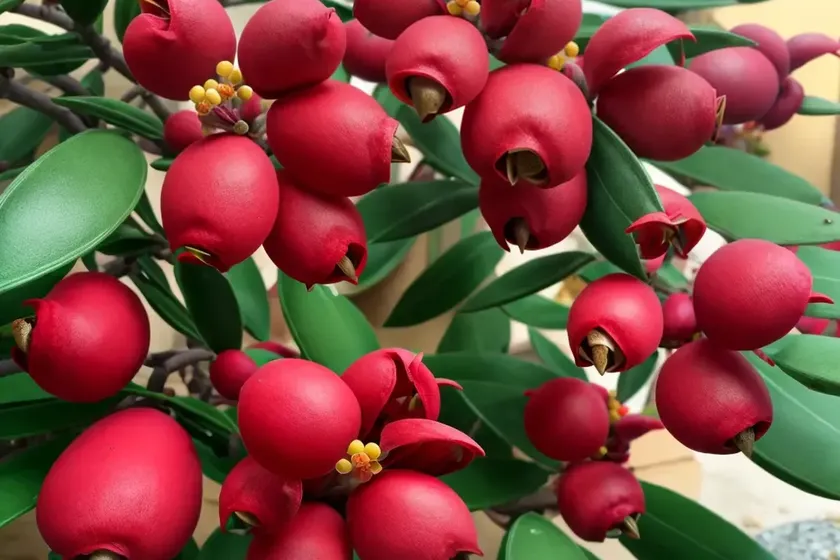
Plants play a crucial role in sustaining life on Earth. They provide us with oxygen, food, and medicine while adding natural beauty to our surroundings. There are countless plant species across the globe, each with its unique characteristics and requirements. In this guide, we will explore the Redclaws plant, scientifically known as Escallonia rubra. We will delve into its cultural significance, uses, care requirements, and much more. Whether you’re a seasoned gardener or a beginner plant enthusiast, this comprehensive guide will equip you with the knowledge and skills needed to nurture and appreciate the Redclaws plant.
What is the Redclaws Plant (Escallonia rubra)?
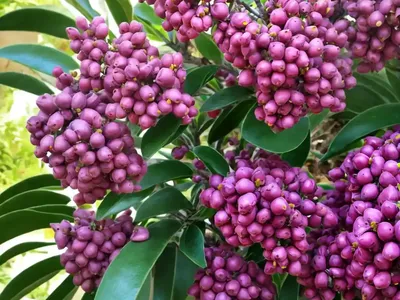
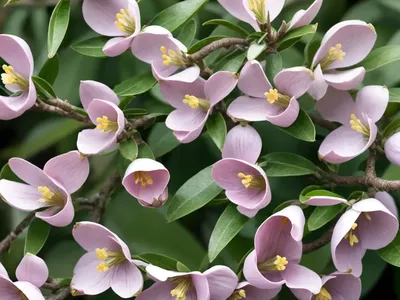
The Redclaws plant, scientifically referred to as Escallonia rubra, is a species of flowering shrub native to South America. It belongs to the family Escalloniaceae and is known for its vibrant flowers, evergreen foliage, and versatility in various garden settings. The plant is characterized by its glossy, elliptical leaves and clusters of small, pink, or red flowers that bloom in the spring and summer.
Redclaws plants are highly valued for their ornamental appeal and are commonly used as hedging or border plants in landscaping. They are also appreciated for their ability to attract pollinators, such as bees and butterflies, further contributing to the ecological balance in gardens and natural habitats.
Key Takeaways – Redclaws (Escallonia rubra)
The Redclaws plant, or Escallonia rubra, offers a host of benefits and considerations for individuals interested in cultivating and appreciating this species. Here are some key takeaways to keep in mind when it comes to the Redclaws plant:
- Redclaws (Escallonia rubra) Attributes: Vibrant flowers, glossy evergreen foliage, and ability to attract pollinators.
- Best Conditions for Escallonia rubra: Well-drained soil, adequate sunlight, and appropriate pruning.
- Plant Hardiness: Redclaws plants are known for their resilience and ability to thrive in various climates.
- Cultural Significance: The plant holds cultural and ecological significance, contributing to the aesthetic appeal and biodiversity of landscapes.
Now, let’s delve deeper into the specific aspects of caring for the Redclaws plant, including its cultural uses, water and sunlight requirements, soil preferences, and potential diseases and pests.
Culture
Understanding the cultural significance and uses of the Redclaws plant is essential for appreciating its role in various settings. Whether utilized for ornamental purposes, ecological contributions, or medicinal benefits, the cultural aspects of the Redclaws plant are diverse and impactful.
Uses
The Redclaws plant, Escallonia rubra, is valued for its numerous uses in both domestic and commercial settings. Some of its primary uses include:
- Ornamental Planting: The vibrant flowers and glossy foliage make Redclaws plants popular choices for ornamental planting in gardens, parks, and public spaces.
- Hedging and Border Planting: Due to their dense growth habit and attractive appearance, Redclaws plants are often used for creating hedges and borders in landscaping.
- Wildlife Habitats: The plant’s ability to attract pollinators and provide shelter for small animals contributes to its role in supporting local ecosystems and wildlife habitats.
The versatility of the Redclaws plant makes it a valuable asset in diverse environmental and horticultural contexts.
Water
Proper watering is essential for the healthy growth and development of the Redclaws plant. Understanding the plant’s water requirements and implementing appropriate watering practices will contribute to its overall well-being.
Redclaws plants typically require moderate watering, with the goal of maintaining evenly moist soil without waterlogging. Factors such as temperature, humidity, and soil composition can influence the plant’s water needs. Here are some key considerations for watering Redclaws plants:
- Establishing a Watering Schedule: It is beneficial to establish a regular watering schedule, taking into account the plant’s stage of growth and prevailing environmental conditions.
- Monitoring Soil Moisture: Regularly check the moisture levels in the soil to ensure that it remains consistently moist but not waterlogged.
- Adjusting for Seasonal Changes: During the summer months or periods of high temperatures, increased watering may be necessary to prevent the soil from drying out.
By maintaining optimal moisture levels, Redclaws plants can thrive and display their vibrant foliage and flowers throughout the growing season.
Sunlight
Sunlight is a vital component of the Redclaws plant’s growth and flowering process. Providing the plant with adequate sunlight is crucial for ensuring its overall health and vitality.
Redclaws plants thrive in full sun to partial shade, making them adaptable to various light conditions. When considering sunlight requirements for Redclaws plants, keep the following in mind:
- Full Sun: Redclaws plants flourish when exposed to direct sunlight for a significant portion of the day, particularly in regions with mild temperatures.
- Partial Shade: In areas with intense heat or prolonged sun exposure, providing partial shade for Redclaws plants during the hottest part of the day can help prevent stress and maintain their lush foliage.
Understanding the plant’s sunlight preferences and optimizing its exposure accordingly will contribute to its robust growth and visual appeal.
Fertilizer
Applying the appropriate fertilizer to Redclaws plants can enrich the soil, promote vigorous growth, and enhance the plant’s overall health. Selecting the right type of fertilizer and establishing a suitable fertilization schedule are essential for meeting the plant’s nutritional needs.
Redclaws plants benefit from a balanced, slow-release fertilizer formulated for flowering shrubs and evergreen plants. Consider the following guidelines for fertilizing Redclaws plants:
- Fertilizing in Spring: Apply a complete, balanced fertilizer in early spring to support the plant’s growth and flowering during the active growing season.
- Avoid Over-Fertilization: Excessive use of fertilizer can lead to nutrient imbalances and potential damage to the plant. Follow recommended application rates and avoid applying fertilizer during periods of drought or stress.
By providing the appropriate nutrients through timely fertilization, Redclaws plants can exhibit robust growth and vibrant flowering, adding to the visual allure of their surroundings.
Soil
Understanding the soil preferences of Redclaws plants is crucial for creating an environment that supports their root development and overall well-being. The right soil type can promote adequate drainage, nutrient retention, and aeration, essential for healthy plant growth.
Redclaws plants thrive in well-drained, moderately fertile soil with a slightly acidic to neutral pH. Consider the following aspects of soil preparation and management for Redclaws plants:
- Soil Composition: Utilize a well-balanced soil mix that provides good drainage while retaining sufficient moisture for the plant’s roots.
- pH Considerations: Aim for a soil pH ranging from slightly acidic to neutral (pH 6.0 to 7.0) to create an optimal growing environment for Redclaws plants.
When the soil provides the right conditions, Redclaws plants can establish strong root systems and access the nutrients needed for their healthy growth and development.
Pruning
Pruning is an essential aspect of maintaining the health and aesthetics of Redclaws plants. Proper pruning techniques can help shape the plant, promote flowering, and manage its overall growth habit. Additionally, pruning offers an opportunity to remove dead or damaged branches, enhancing the plant’s vigor.
Here are some considerations for pruning Redclaws plants effectively:
- Timing of Pruning: Prune Redclaws plants in late winter to early spring before the onset of new growth. This timing allows the plant to recover and flourish during the active growing season.
- Pruning Techniques: Use sterilized pruning equipment to make clean cuts, and selectively prune to maintain the plant’s natural shape while promoting new growth and flowering.
- Removal of Deadwood: Regularly inspect Redclaws plants for dead or diseased branches and promptly remove them to prevent the spread of potential infections.
Prudent pruning practices contribute to the overall health, appearance, and longevity of Redclaws plants, ensuring that they remain vibrant and visually appealing.
Propagation
Propagating Redclaws plants allows for the expansion of their presence in new garden areas and facilitates the sharing of their ornamental and ecological benefits. Understanding the methods of propagation and the timing involved is essential for successfully propagating Redclaws plants.
Redclaws plants can be propagated through several methods, including:
- Softwood Cuttings: Harvest softwood cuttings in late spring or early summer, and root them in a well-draining propagation medium to establish new plants.
- Hardwood Cuttings: Collect hardwood cuttings during the late fall or winter months, and employ propagation techniques such as layering or placing the cuttings in a rooting hormone to encourage root development.
By employing appropriate propagation methods and timing, gardeners can multiply the presence of Redclaws plants and experience their ornamental and ecological benefits in various garden settings.
Container
Cultivating Redclaws plants in containers offers flexibility in garden design and allows individuals with limited outdoor space to enjoy the plant’s visual appeal. When growing Redclaws plants in containers, consider the following guidelines for success:
- Container Selection: Choose a spacious container with adequate drainage holes to ensure proper root aeration and moisture management.
- Potting Mix: Utilize a well-draining potting mix suitable for flowering shrubs and amend it with organic matter to enhance its nutrient-holding capacity.
Maintaining consistent watering and providing adequate sunlight are essential for container-grown Redclaws plants to thrive and flourish in their confined environment.
Popularity
The popularity of Redclaws plants, or Escallonia rubra, stems from their ornamental appeal, ecological contributions, and adaptable nature in diverse garden settings. The vibrant flowers, glossy foliage, and versatility of Redclaws plants make them highly sought after for landscaping, ornamental planting, and wildlife habitat enhancement.
Common Diseases
While Redclaws plants are generally resilient and low-maintenance, they may be susceptible to certain diseases under specific conditions. Understanding the common diseases that affect Redclaws plants and implementing preventive measures is essential for maintaining their health and vitality.
Some common diseases that affect Redclaws plants include:
- Leaf Spot: Fungal pathogens may cause the appearance of dark spots or lesions on the plant’s foliage, impacting its overall appearance.
- Powdery Mildew: This fungal disease can lead to a powdery white coating on the leaves, affecting the plant’s aesthetic appeal and potentially inhibiting its growth.
Employing proper cultural practices, such as adequate spacing, proper watering, and promoting air circulation, can help mitigate the risk of disease infestation and support the resilience of Redclaws plants.
Disease Diagnosis
Diagnosing and addressing diseases in Redclaws plants requires careful observation and effective intervention. When inspecting Redclaws plants for signs of disease, consider the following diagnostic measures:
- Visual Inspection: Regularly examine the plant for any abnormal discoloration, lesions, or unusual growth patterns that may indicate a potential disease.
- Symptom Identification: Take note of specific symptoms, such as spotting, wilting, or unusual growth, and compare them to known disease indicators for accurate diagnosis.
By promptly identifying and diagnosing diseases, gardeners can implement targeted management strategies and preserve the health and vitality of Redclaws plants in their care.
Common Pests
In addition to diseases, Redclaws plants may encounter various pests that can impact their growth and appearance. Understanding the common pests that affect Redclaws plants and implementing appropriate pest management strategies is essential for preserving their health and ornamental value.
Some common pests that may affect Redclaws plants include:
- Aphids: These small, sap-sucking insects can cluster on the plant’s tender growth, leading to distortion and potential damage.
- Spider Mites: These tiny arachnids can produce fine webbing on the plant’s foliage and cause stippling, leading to a decline in overall plant health.
Implementing measures such as regular inspection, insecticidal soap application, and encouraging natural predators can help manage pest populations and protect the well-being of Redclaws plants.
Botanist’s Tips
Gardening enthusiasts and botanists can enhance their care and appreciation of Redclaws plants by considering specialized tips and insights. These tips can help optimize the growth and overall health of Redclaws plants in various garden settings.
Consider the following botanist’s tips for cultivating Redclaws plants:
- Pruning Best Practices: Employ selective pruning to shape and promote healthy growth, while removing dead or diseased branches to maintain the plant’s vigor.
- Integrated Pest Management: Utilize a holistic approach to pest management, which includes cultural, biological, and selective chemical control methods to minimize pest damage.
- Soil Amendments: Regularly amend the soil with organic matter and appropriate nutrients to enrich the growing environment for Redclaws plants and support their nutrient requirements.
By incorporating these specialized tips into their care routine, botanists and gardening enthusiasts can optimize the growth and ornamental appeal of Redclaws plants in various garden settings.
Fun Facts
Exploring the fascinating world of plants often reveals intriguing and delightful facts that contribute to a deeper appreciation of their diversity and significance. Here are some fun facts about Redclaws plants, or Escallonia rubra, that showcase their unique attributes:
- Attractive Foliage: In addition to their vibrant flowers, Redclaws plants feature glossy, evergreen foliage that remains visually appealing throughout the year.
- Wildlife Attraction: The nectar-rich flowers of Redclaws plants are known to attract pollinators such as bees and butterflies, contributing to the biodiversity of garden ecosystems.
- Versatile Landscaping: Redclaws plants can be utilized as hedging, border plants, or ornamental specimens, showcasing their versatility in various landscape designs.
These fun facts illuminate the distinctive qualities and ecological contributions of Redclaws plants, enhancing our understanding and admiration for this captivating species.
Links to External Resources
For further exploration and in-depth information on Redclaws plants and their care, the following external resources are valuable references for plant enthusiasts, horticulturists, and gardeners:
-
Royal Horticultural Society – Escallonia: This resource provides comprehensive insights into the cultivation, care, and ornamental value of Escallonia rubra, including guidance on best planting practices and maintenance.
-
University of Florida IFAS Extension – Escallonia Diseases: The University of Florida’s Extension resource offers detailed information on common diseases that affect Escallonia, aiding in disease identification and management strategies.
-
Missouri Botanical Garden – Growing Shrubs in Containers: This resource offers practical guidance on growing shrubs, such as Escallonia, in containers, covering aspects such as container selection, potting mix, and care requirements.
These external resources serve as valuable references for expanding knowledge and honing skills related to cultivating and appreciating Redclaws plants in various gardening and horticultural contexts.
Conclusion
The Redclaws plant, or Escallonia rubra, stands as a testament to the natural splendor and ecological significance of plant species. Its vibrant blooms, resilient nature, and esteemed cultural uses make it a valuable addition to gardens, landscapes, and urban green spaces. Understanding the specific care requirements, cultural uses, and ecological contributions of Redclaws plants is essential for fostering their growth, appreciating their ornamental value, and preserving their role in biodiversity conservation.
By delving into the diverse aspects of Redclaws plant care, from watering and sunlight requirements to disease and pest management, individuals can gain the knowledge and confidence needed to cultivate and enjoy these captivating shrubs. Whether employed as ornamental features, wildlife habitat enhancers, or contributors to ecosystem services, Redclaws plants enrich our botanical landscape and inspire a deeper connection with the natural world.