Red Spiderling (Boerhavia Diffusa)
The Red Spiderling, scientifically known as Boerhavia Diffusa, is a fascinating and valuable plant that has gained popularity for its ornamental beauty and.
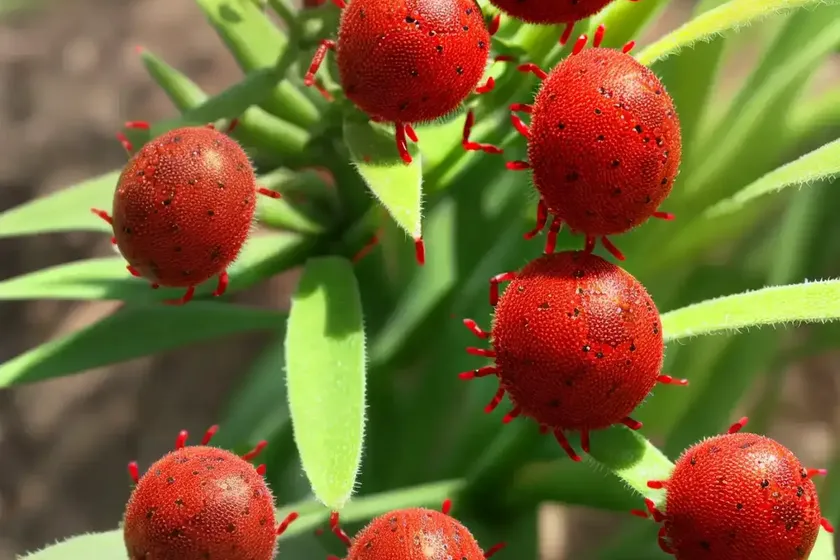
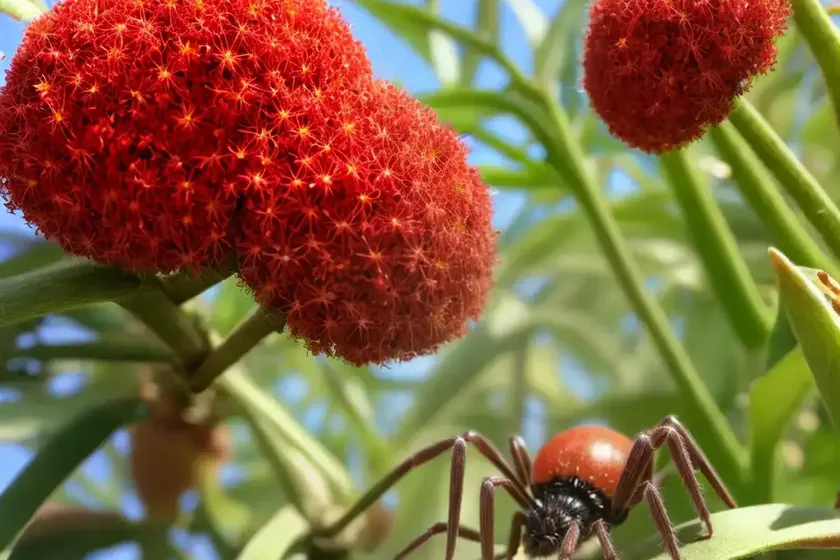
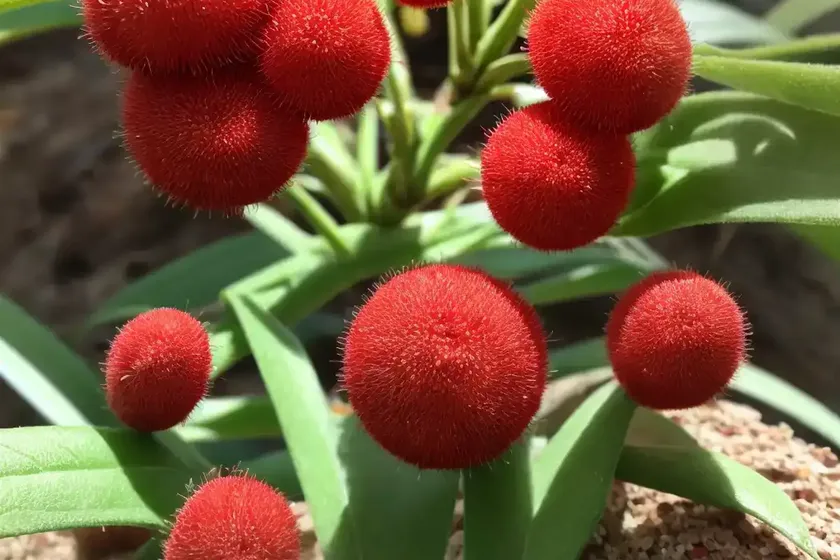
The Red Spiderling, scientifically known as Boerhavia Diffusa, is a fascinating and valuable plant that has gained popularity for its ornamental beauty and medicinal properties. This comprehensive guide aims to provide plant enthusiasts and gardeners with detailed insights into the cultivation, care, and utilization of the Red Spiderling. From its cultural significance to its growth habits, propagation techniques, and common diseases, this guide will cover everything there is to know about Boerhavia Diffusa.
What is Red Spiderling (Boerhavia Diffusa)?
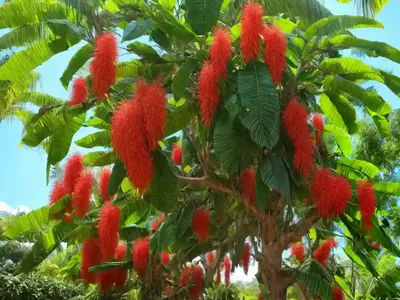
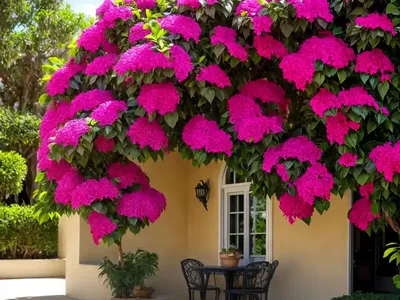
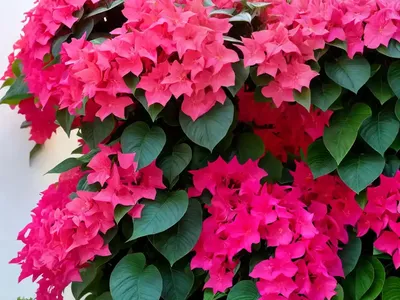
Boerhavia Diffusa, commonly known as Red Spiderling or Punarnava, is a perennial herbaceous plant that belongs to the Nyctaginaceae family. It is native to tropical and subtropical regions, including parts of Asia, Africa, and the Americas. The plant is characterized by its delicate, reddish stems, and small, vibrant pink flowers that add a touch of elegance to any garden or landscape.
Key Takeaways – Red Spiderling (Boerhavia Diffusa)
- Scientific Name: Boerhavia Diffusa
- Common Name: Red Spiderling, Punarnava
- Family: Nyctaginaceae
- Native Habitat: Tropical and subtropical regions
- Uses: Ornamental plant, Medicinal properties
- Growth Habits: Perennial herbaceous plant
- Flowering Season: Throughout the year
- Water Needs: Moderate to high
- Sunlight Preferences: Full sun to partial shade
- Soil Type: Well-draining, fertile soil
- Propagation: Seeds, stem cuttings
- Common Diseases: Fungal infections, Leaf spot
- Common Pests: Aphids, Whiteflies
Culture
The Red Spiderling is revered for its adaptability and relatively undemanding nature, making it a great addition to both indoor and outdoor settings. Understanding its cultural requirements is essential for ensuring the plant’s optimal growth and overall well-being.
Uses
Red Spiderling is cultivated for various purposes, including:
- Ornamental Purposes: The vibrant pink flowers and reddish stems of the Red Spiderling make it a popular choice for ornamental gardening and landscaping.
- Medicinal Properties: Boerhavia Diffusa has been traditionally used in Ayurvedic medicine for its diuretic, anti-inflammatory, and antioxidant properties.
Water
Proper watering is crucial for the health and vigor of Red Spiderling plants. As a general guideline, the plant prefers consistently moist soil, but it’s important to avoid waterlogging, which can lead to root rot and other complications.
Watering Tips:
- Water the plants when the top inch of the soil feels dry to the touch.
- Adjust the frequency of watering based on the environmental conditions and the plant’s specific needs.
- Use lukewarm water to avoid shocking the roots, particularly during colder months.
Sunlight
Red Spiderling exhibits a preference for ample sunlight, but it can also thrive in partially shaded areas. Finding the right balance of sunlight is essential for promoting healthy growth and robust flowering.
Sunlight Preferences:
- Outdoor Growth: Place the plant in a location that receives 4-6 hours of direct sunlight per day.
- Indoor Growth: Select a well-lit area, such as near a south-facing window, to ensure adequate sunlight exposure.
Fertilizer
Providing adequate nutrients through fertilization is essential for maintaining the vitality of Red Spiderling plants. A balanced and appropriate fertilizer regimen can promote lush foliage and prolific flowering.
Fertilization Guidelines:
- Use a balanced, water-soluble fertilizer with equal N-P-K (nitrogen, phosphorus, potassium) proportions.
- Apply the fertilizer at half-strength every 4-6 weeks during the growing season.
- Avoid over-fertilization, as excessive nutrient levels can be detrimental to the plant’s health.
Soil
The choice of soil directly impacts the Red Spiderling’s ability to thrive and flourish. Well-draining, fertile soil with a slightly acidic to neutral pH is preferred for optimal growth.
Recommended Soil Characteristics:
- Well-draining: Prevents waterlogging and ensures proper aeration for the roots.
- Fertile: Rich in organic matter to support healthy growth and blooming.
- pH Level: Slightly acidic to neutral (pH 6.0-7.0) for efficient nutrient uptake.
Pruning
Pruning is an essential aspect of Red Spiderling care, contributing to the plant’s overall appearance, health, and longevity. Regular pruning helps maintain a tidy and compact growth habit while enhancing flowering and foliage quality.
Pruning Techniques:
- Remove dead or yellowing leaves and spent flowers to promote new growth and blooming.
- Trim leggy or overgrown stems to encourage bushier growth and a more desirable shape.
- Use sanitized pruning shears to prevent the spread of diseases and ensure clean cuts.
Propagation
The propagation of Red Spiderling can be achieved through various methods, including seed sowing and stem cuttings. Understanding the intricacies of each propagation technique is vital for successfully expanding your Red Spiderling collection or sharing the plant with fellow gardening enthusiasts.
Propagation Methods
- Seed Sowing:
- Collect mature seeds from the plant when the seed pods have dried and turned brown.
- Sow the seeds in well-draining seed-starting mix, covering them lightly with soil.
-
Maintain optimal moisture levels and provide bright, indirect light for seed germination.
-
Stem Cuttings:
- Take 4-6 inch cuttings from healthy Red Spiderling stems, ensuring that each cutting has several leaves.
- Dip the cut end in rooting hormone to promote root development.
- Plant the cuttings in a suitable growing medium and provide the ideal conditions for root establishment.
Container Popularity
The Red Spiderling’s suitability for container gardening makes it a favorite choice for individuals with limited outdoor space or those interested in bringing the plant indoors. The plant’s graceful appearance and low-maintenance nature enhance its appeal as a container specimen.
Benefits of Container Cultivation:
- Versatility: Easily adaptable to various container sizes and styles.
- Space Saving: Ideal for balconies, patios, or small gardens.
- Portability: Can be moved to different locations based on sunlight and temperature requirements.
Container Selection
When choosing a container for Red Spiderling, consider the following factors to ensure the plant’s well-being:
- Size: Select a container that accommodates the plant’s root system and allows for sufficient growth space.
- Drainage: Ensure proper drainage holes to prevent water accumulation and root rot.
- Material: Opt for lightweight, durable materials such as plastic or terracotta.
Common Diseases
Red Spiderling, like many plants, is susceptible to certain diseases, particularly in conditions of poor air circulation or excessive moisture. Identifying and addressing these common diseases is essential for maintaining the plant’s vitality.
Disease Diagnosis
- Fungal Infections:
- Symptoms: Presence of powdery mildew or dark, irregular spots on leaves.
-
Treatment: Use fungicidal sprays and improve air circulation to mitigate fungal issues.
-
Leaf Spot:
- Symptoms: Circular, water-soaked lesions on the leaves, often surrounded by yellow halos.
- Treatment: Remove affected leaves and avoid overhead watering to prevent leaf spot.
Common Pests
While generally resilient, Red Spiderling may attract certain pests that can compromise the plant’s health and appearance. Vigilance and prompt pest management measures are essential for preventing infestations.
Pest Control
- Aphids:
- Identification: Small, soft-bodied insects clustered on new growth or undersides of leaves.
-
Control Measures: Use insecticidal soap or a strong jet of water to dislodge and deter aphids.
-
Whiteflies:
- Identification: Tiny, white flying insects found on the undersides of leaves.
- Control Measures: Introduce natural predators like ladybugs or use yellow sticky traps to capture whiteflies.
Botanist’s Tips
As a plant scientist and enthusiast, I’d like to share some tips and insights to help you cultivate and care for Red Spiderling with success and satisfaction:
1. Optimal Growing Conditions:
– Provide well-draining soil, ample sunlight, and consistent moisture to promote healthy growth and flowering.
2. Regular Monitoring:
– Keep a close eye on the plant for any signs of disease, pest infestation, or nutrient deficiencies.
3. Prudent Pruning:
– Prune the plant regularly to maintain its shape, remove dead foliage, and encourage fresh growth.
4. Sustainable Practices:
– Consider organic fertilizers and environmentally friendly pest control methods for sustainable gardening.
Fun Facts
- The botanical name “Boerhavia” honors Hermann Boerhaave, a renowned Dutch botanist and physician.
- Red Spiderling has been used in traditional medicine to treat various ailments, including respiratory and inflammatory conditions.
Links to External Resources
For further information on Red Spiderling (Boerhavia Diffusa) and related topics, you can explore the following resources:
- Medicinal Uses of Boerhavia Diffusa
- Plant Propagation Techniques
- Common Plant Diseases and Their Management
- Pruning Tips for Ornamental Plants
In conclusion, the Red Spiderling (Boerhavia Diffusa) stands out as a captivating plant with both aesthetic and medicinal appeal. By understanding its cultural requirements, implementing proper care practices, and staying informed about potential challenges, you can enjoy the beauty and benefits of this remarkable plant in your own garden or indoor space.
The detailed guide on Red Spiderling (Boerhavia Diffusa) provides in-depth insights into its cultivation, care, and utilization, catering to plant enthusiasts, gardeners, and individuals interested in its medicinal properties. From understanding the plant’s cultural significance to its propagation techniques and common diseases, this comprehensive resource covers various aspects of Red Spiderling care and management. For additional information on related topics, the provided links to external resources offer valuable references for further exploration.