Red Ruffles Caladium (Caladium Bicolor ‘Florida Red Ruffles’)
Plants are an essential part of nature, providing us with beauty, oxygen, and a connection to the natural world. Among the thousands of plant species.
Plants are an essential part of nature, providing us with beauty, oxygen, and a connection to the natural world. Among the thousands of plant species, Caladium bicolor ‘Florida Red Ruffles’, commonly known as Red Ruffles Caladium, stands out as a popular ornamental foliage plant. This blog post will delve into the fascinating world of Red Ruffles Caladium, discussing its culture, uses, care requirements, propagation, common diseases, and much more. Through this comprehensive guide, you will gain insight into the captivating characteristics and care tips for this stunning plant.
What is Red Ruffles Caladium (Caladium bicolor ‘Florida Red Ruffles’)?
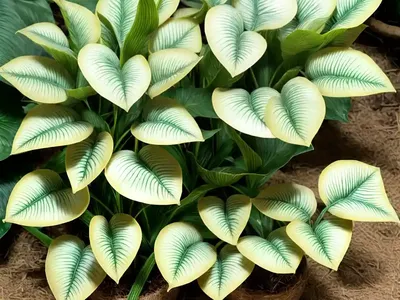
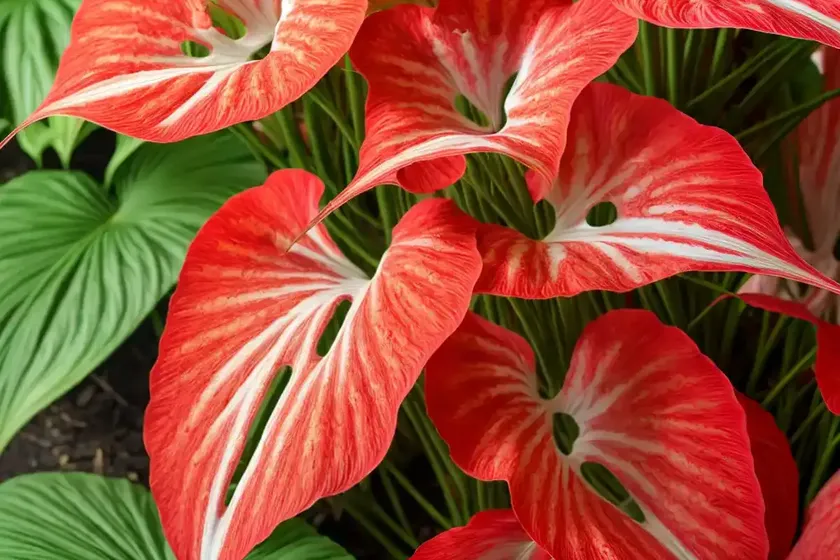
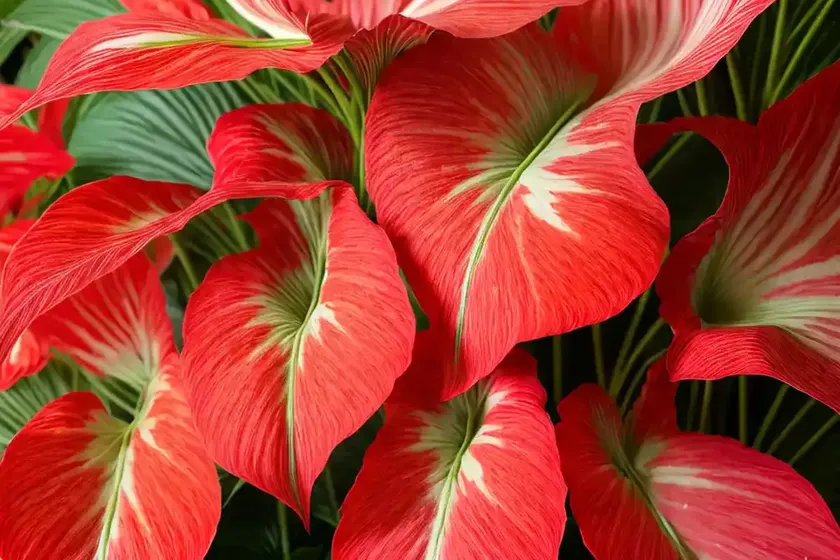
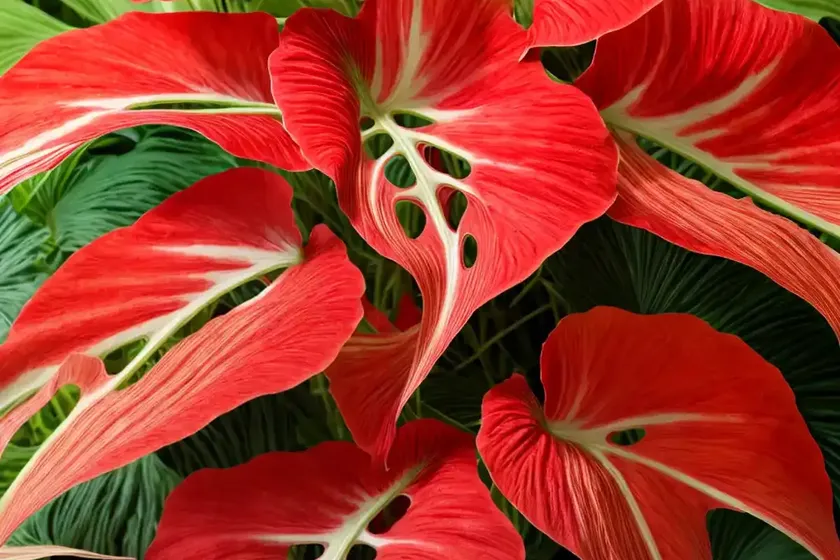
Red Ruffles Caladium, scientifically known as Caladium bicolor ‘Florida Red Ruffles’, is a cultivar of the Caladium bicolor species. This plant is revered for its vibrant and decorative foliage, making it a sought-after choice for gardens, landscapes, and indoor spaces. The distinct feature of this variety is its vivid red and green heart-shaped leaves, which add a delightful pop of color to any setting. The striking foliage, coupled with its low maintenance requirements, positions Red Ruffles Caladium as a beloved plant among enthusiasts and horticulturists.
Key Takeaways – Red Ruffles Caladium (Caladium bicolor ‘Florida Red Ruffles’)
Before diving into the detailed aspects of Red Ruffles Caladium, here are the key takeaways highlighting its essential features and care requirements.
- Common Name: Red Ruffles Caladium
- Scientific Name: Caladium bicolor ‘Florida Red Ruffles’
- Foliage: Distinctive red and green heart-shaped leaves
- Uses: Ornamental plant for gardens, landscapes, and indoor spaces
- Watering: Moderate watering, maintaining moist but not waterlogged soil
- Sunlight: Prefers partial to full shade, avoiding direct sunlight
- Fertilizer: Regular feeding during the growing season
- Soil: Well-draining, rich in organic matter
- Pruning: Removal of yellowing or damaged leaves
- Propagation: By division of bulbs or tubers
- Common Pests: Potential susceptibility to aphids, spider mites, and mealybugs
With these key takeaways in mind, let’s explore the captivating world of Red Ruffles Caladium, uncovering its cultural significance, care practices, and captivating attributes.
Culture of Red Ruffles Caladium
When it comes to cultivating Red Ruffles Caladium, understanding its cultural requirements is essential for promoting its growth and vibrancy. From watering and sunlight to soil composition and maintenance, each aspect contributes to the overall well-being of this stunning foliage plant.
Water
Proper watering is crucial for maintaining the health and vigor of Red Ruffles Caladium. It thrives in moist conditions but is susceptible to root rot if the soil becomes waterlogged. Therefore, it is important to strike a balance by keeping the soil consistently moist but not overly saturated. During hot and dry periods, regular watering is necessary to prevent the soil from drying out. Additionally, ensuring proper drainage in the growing medium is essential for preventing water-related issues.
Sunlight
Red Ruffles Caladium is best suited for partial to full shade, making it an ideal choice for shaded garden spots or indoor spaces with filtered light. Direct sunlight exposure can lead to leaf scorching and loss of vibrancy in the foliage. By providing a shaded environment, the plant’s striking red and green leaves can maintain their vivid coloration and thrive in a comfortable setting. When selecting a location for Red Ruffles Caladium, it is important to prioritize areas with diffused light to optimize its growth and visual appeal.
Fertilizer
Fertilizing Red Ruffles Caladium is essential for supplying the necessary nutrients to support its lush foliage and overall health. A balanced, water-soluble fertilizer can be applied at regular intervals during the growing season, following the manufacturer’s guidelines for dilution and frequency. This ensures that the plant receives essential nutrients such as nitrogen, phosphorus, and potassium, promoting robust leaf development and vibrant coloration. Care should be taken to avoid over-fertilization, as excessive nutrients can lead to adverse effects on the plant’s growth.
Soil
The choice of soil has a significant impact on the growth and vitality of Red Ruffles Caladium. It thrives in well-draining, organically rich soil that retains moisture without becoming waterlogged. A recommended soil mix comprises a blend of peat moss, perlite, and compost, providing the plant with a conducive medium for root development and nutrient uptake. Additionally, maintaining a slightly acidic soil pH around 5.5 to 6.5 is ideal for supporting the plant’s physiological processes and nutrient availability.
Pruning
Regular maintenance and pruning play a vital role in preserving the aesthetic appeal and health of Red Ruffles Caladium. Removal of yellowing or damaged leaves helps redirect the plant’s energy towards producing new, healthy foliage. This practice also prevents the accumulation of decaying matter, reducing the risk of pests and diseases. When pruning Red Ruffles Caladium, it is essential to use clean, sharp tools to make precise cuts and minimize stress on the plant.
Uses of Red Ruffles Caladium
Red Ruffles Caladium holds immense value as an ornamental plant, offering a plethora of uses in both outdoor and indoor settings. Its striking foliage and low maintenance requirements make it a versatile and desirable addition to gardens, landscapes, and interior spaces.
Outdoor Landscapes and Gardens
In outdoor landscapes, Red Ruffles Caladium serves as a vibrant and eye-catching feature, adding a burst of color to shaded areas such as woodland gardens, under tree canopies, and along borders. Its dazzling foliage creates visually captivating displays when planted en masse or combined with complementary companion plants. Additionally, it excels in container gardening, contributing to lively arrangements and providing an elegant touch to patio and balcony spaces.
Indoor Spaces
The ornamental appeal of Red Ruffles Caladium extends to indoor environments, where it thrives as a captivating houseplant. Its preference for filtered light and moderate humidity levels align with indoor conditions, making it well-suited for adorning living spaces, offices, and interior landscapes. The vivid colors and unique leaf patterns of Red Ruffles Caladium add a touch of natural beauty to indoor settings, creating a refreshing ambiance and serving as an attractive focal point.
Propagation of Red Ruffles Caladium
Propagation plays a crucial role in expanding the presence of Red Ruffles Caladium and preserving its desirable traits. The primary method of propagation involves the division of bulbs or tubers, allowing for the generation of new plants while maintaining the distinct characteristics of the parent plant.
Division of Bulbs or Tubers
Propagation of Red Ruffles Caladium through bulb division involves separating the bulbs or tubers to create individual plantings. This process is typically carried out during the plant’s dormant period, allowing for the careful separation of the bulbs and the development of new shoots. The separated bulbs can then be planted in suitable growing conditions, providing them with the necessary care and attention to encourage robust growth and foliage development.
By propagating Red Ruffles Caladium through division, horticulturists and enthusiasts can broaden their collection of these stunning plants while preserving the unique attributes and coloration of the original cultivar.
Popularity of Red Ruffles Caladium
The popularity of Red Ruffles Caladium stems from its captivating aesthetics, adaptability, and low maintenance requirements, making it a highly sought-after plant among gardening enthusiasts, landscapers, and interior decorators. Its versatility in both outdoor and indoor settings, coupled with its vibrant foliage, has catapulted it into the spotlight as a favored choice for adding visual interest and a pop of color to various environments.
Furthermore, the availability of this cultivar in nurseries, garden centers, and online plant retailers has contributed to its widespread popularity, enabling plant enthusiasts to easily acquire and integrate Red Ruffles Caladium into their personal or professional projects.
The captivating charm of Red Ruffles Caladium has also led to its inclusion in horticultural shows, garden exhibitions, and landscape designs, where its striking foliage adds an enchanting allure to floral displays, themed gardens, and botanical showcases.
Common Diseases of Red Ruffles Caladium
Despite its resilience and relatively low susceptibility to diseases, Red Ruffles Caladium may encounter certain issues that warrant attention and proactive management. Identifying common diseases and understanding their causes and symptoms is essential for maintaining the plant’s health and addressing any potential concerns.
Disease Diagnosis
1. Leaf Spot Diseases: Red Ruffles Caladium is susceptible to fungal leaf spot diseases, which manifest as dark, water-soaked spots on the foliage. These diseases are often caused by excessive moisture and poor air circulation. Maintaining proper watering practices and ventilation can help prevent leaf spot diseases.
2. Anthracnose: Anthracnose, caused by various fungal pathogens, can affect the leaves of Red Ruffles Caladium, leading to dark lesions with distinct margins. This disease thrives in humid conditions and can be mitigated through improved air circulation and careful watering.
3. Fusarium Root Rot: Excessive soil moisture can contribute to the development of Fusarium root rot, leading to wilting and browning of the plant’s foliage. To prevent this disease, it is essential to implement proper drainage and avoid overwatering.
In the event of disease symptoms, prompt intervention through cultural practices, such as adjusting watering routines, improving air circulation, and providing appropriate sanitation measures, can help alleviate the impact of diseases and promote the plant’s recovery.
Common Pests Affecting Red Ruffles Caladium
In addition to diseases, Red Ruffles Caladium may face potential threats from common pests that can compromise its health and vitality. Understanding these pests and implementing proactive measures is key to safeguarding the plant from infestations and minimizing their impact.
Potential Pests
1. Aphids: These small, sap-sucking insects can colonize the leaves of Red Ruffles Caladium, leading to distorted growth and the excretion of sticky honeydew. Regular inspection and the use of natural predators or insecticidal soaps can help manage aphid populations.
2. Spider Mites: Infestations of spider mites can cause stippling and webbing on the foliage of Red Ruffles Caladium, leading to diminished plant vigor. Maintaining adequate humidity levels and employing miticides or natural predators can aid in controlling spider mite infestations.
3. Mealybugs: Mealybugs are another potential pest of Red Ruffles Caladium, causing white, waxy masses to appear on the plant and weakening its overall health. Targeted removal and the application of horticultural oils or insecticidal soaps can effectively address mealybug infestations.
By remaining vigilant and implementing preventative measures such as regular monitoring, maintaining plant hygiene, and providing optimal growing conditions, enthusiasts can mitigate the impact of pests and protect the vitality of Red Ruffles Caladium.
Botanist’s Tips for Red Ruffles Caladium Care
Drawing from botanical expertise and practical insights, here are valuable tips for caring for Red Ruffles Caladium, ensuring its optimal growth and vibrant foliage display.
- Moderate Watering: Maintain consistent soil moisture without allowing the plant to sit in waterlogged conditions, promoting healthy root development and leaf vitality.
- Filtered Light: Position Red Ruffles Caladium in partial to full shade, shielding it from direct sunlight to preserve the coloration and texture of its leaves.
- Balanced Fertilization: Provide regular, balanced fertilization during the growing season to support the plant’s nutrient requirements and enhance foliage growth.
- Well-Draining Soil: Utilize a well-draining, nutrient-rich soil mix to create a favorable growing medium that promotes root health and vitality.
- Prudent Pruning: Engage in regular maintenance and pruning to remove damaged foliage, maintain plant hygiene, and redirect energy towards new growth.
- Propagate Mindfully: When propagating Red Ruffles Caladium through bulb division, handle the bulbs with care and provide optimal growing conditions for the development of new plantings.
By incorporating these botanist’s tips into the care regimen for Red Ruffles Caladium, enthusiasts can ensure a thriving and visually captivating presence of this stunning foliage plant in their gardens and interior spaces.
Fun Facts About Red Ruffles Caladium
Experience the enchanting world of Red Ruffles Caladium through these intriguing and delightful fun facts, shedding light on its unique attributes and captivating allure.
-
Colorful Leaf Patterns: Red Ruffles Caladium exhibits a diverse range of leaf patterns, from vibrant red veins on green foliage to striking multicolored designs, adding a dynamic visual element to its appearance.
-
Seasonal Emphasis: The growth and display of Red Ruffles Caladium’s foliage can evolve throughout the growing season, with young leaves unfurling in vibrant shades and mature leaves showcasing intricate patterns and color contrasts.
-
Interior Décor Accent: Its suitability as an indoor plant makes Red Ruffles Caladium an appealing choice for enhancing interior spaces, offering a touch of natural elegance and visual charm to home environments.
-
Landscape Focal Point: In outdoor settings, Red Ruffles Caladium can serve as a captivating focal point when planted in clusters or combined with contrasting foliage, offering a stunning display that draws attention and admiration.
-
Botanical Diversity: Red Ruffles Caladium is part of the diverse Caladium bicolor species, which encompasses a wide array of cultivars and variants, each exhibiting unique leaf colors, shapes, and patterns.
These fun facts provide a captivating glimpse into the allure and appeal of Red Ruffles Caladium, showcasing its versatility, aesthetic charm, and delightful characteristics.
Links to External Resources
For those seeking additional information, guidance, or inspiration related to Red Ruffles Caladium, the following external resources offer valuable insights, care tips, and an in-depth exploration of this enchanting plant.
- American Society for the Prevention of Cruelty to Plants (ASPCC)
- Plants Are Our Friends (PAOF) – Red Ruffles Caladium Care Guide
- The Leafy Life – Growing and Caring for Red Ruffles Caladium
These resources serve as valuable references and sources of expertise, allowing enthusiasts to delve deeper into the world of Red Ruffles Caladium, expand their knowledge, and cultivate a deeper appreciation for this captivating foliage plant.
In conclusion, Red Ruffles Caladium (Caladium bicolor ‘Florida Red Ruffles’) stands as a captivating and charming addition to plant collections, gardens, and interior landscapes, captivating enthusiasts with its striking foliage, low maintenance requirements, and ornamental appeal. By embracing its cultural significance, understanding its care practices, and cherishing its unique characteristics, plant enthusiasts can embark on a delightful journey of cultivating and appreciating the captivating allure of Red Ruffles Caladium. With its vibrant leaves and versatile applications, this stunning plant continues to enchant and inspire, offering a touch of natural elegance and visual delight to diverse settings and environments.