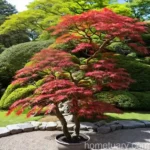
Red Maple (Acer rubrum ‘October Glory’) – A Plant Scientist’s Guide
Red maple, scientifically known as Acer rubrum ‘October Glory’, is a stunning deciduous tree beloved for its vibrant red foliage in the fall. As a plant scientist, I have a deep appreciation for the beauty and ecological significance of red maple trees. In this comprehensive guide, we will explore the key aspects of red maple care, including its cultural requirements, uses in landscaping, water and sunlight needs, fertilizer and soil preferences, pruning techniques, propagation methods, common diseases and pests, as well as some fascinating fun facts. By the end of this guide, you will have a thorough understanding of how to cultivate and maintain the majestic red maple in your landscape.
What is Red Maple (Acer rubrum ‘October Glory’)?
Red maple (Acer rubrum) is a species of deciduous tree native to eastern North America. Acer rubrum ‘October Glory’ is a specific cultivar known for its exceptional red fall color, making it a highly sought-after ornamental tree in landscaping. This fast-growing tree typically reaches a height of 40-60 feet at maturity, with a spread of 30-40 feet. Its distinctive red flowers in spring, accompanied by red samaras (seeds) and beautiful green summer foliage, add to the allure of this popular tree species.
Key Takeaways – Red Maple (Acer rubrum ‘October Glory’)
Before delving into the intricacies of red maple care, let’s review the key takeaways for cultivating and maintaining this iconic tree:
- Culture:
-
Red maple thrives in moist, acidic soils and is well-suited to various landscape settings.
-
Uses:
-
Valued for its ornamental beauty, red maple is often used as a shade tree, specimen tree, or in naturalized woodland landscapes.
-
Water:
-
Adequate moisture is crucial, especially during the tree’s establishment phase and periods of drought.
-
Sunlight:
-
Full to partial sunlight is preferred, with the tree exhibiting its best fall color in full sun conditions.
-
Fertilizer:
-
Minimal fertilization is generally needed, as red maple can obtain necessary nutrients from the soil.
-
Soil:
-
Well-drained, acidic soils with good organic content are ideal for red maple cultivation.
-
Pruning:
-
Minimal pruning is required, primarily for shaping young trees and removing dead or diseased branches.
-
Propagation:
-
Red maple can be propagated from seeds, although the ‘October Glory’ cultivar is often propagated through grafting.
-
Container Popularity:
-
While red maples can be grown in containers, they thrive best when planted in the ground.
-
Common Diseases:
-
Red maple is susceptible to certain diseases, including anthracnose, verticillium wilt, and tar spot.
-
Disease Diagnosis:
-
Prompt identification and intervention are essential to manage and prevent the spread of diseases.
-
Common Pests:
-
Pests such as scale insects, aphids, and caterpillars may affect red maple trees, necessitating appropriate pest management strategies.
-
Botanist’s Tips:
-
Regular inspection, proper maintenance, and understanding of local conditions are key to ensuring the health and vitality of red maple trees.
-
Fun Facts:
- Red maple plays a vital ecological role, supporting diverse wildlife and contributing to the biodiversity of its native habitat.
Culture
Red maple, being a native species to North America, is well-adapted to various environmental conditions and soil types. Understanding its cultural requirements is essential for successful cultivation.
When considering the ideal cultural conditions for red maple, it’s important to take into account aspects such as water, sunlight, soil, and climate tolerance.
Uses
The ‘October Glory’ cultivar of red maple holds significant value in landscaping and urban forestry. Its uses encompass a wide range of applications, making it a versatile and sought-after tree species.
Water
Water is a vital factor in the cultivation of red maple, particularly during its early years and in times of drought. Understanding the water requirements and ensuring adequate moisture levels is crucial for the tree’s health and vigor.
Sunlight
Sunlight plays a pivotal role in the growth and development of red maple, influencing its overall health, vigor, and, most notably, its stunning autumn coloration.
Fertilizer
Fertilization needs of red maple trees are generally minimal, given the tree’s ability to derive essential nutrients from the soil. However, understanding when and how to fertilize can contribute to the overall health and performance of the tree.
Soil
Soil is a cornerstone of plant health, and red maple is no exception. Understanding the soil preferences and pH requirements of red maple is instrumental in its successful cultivation.
Pruning
Pruning is an essential aspect of red maple tree maintenance, aiding in shaping the tree, promoting healthy growth, and addressing any structural or health-related concerns.
Propagation
Understanding the various methods of propagating red maple, particularly the ‘October Glory’ cultivar, provides insights into how new trees can be generated and maintained.
Container Popularity
Growing red maples in containers enables individuals with limited space to enjoy the beauty and benefits of these trees. Understanding the considerations for container growth is essential for the tree’s success.
Common Diseases
Red maple is susceptible to certain diseases, and being aware of these common ailments, their symptoms, and management strategies is crucial for preserving the health and vitality of the trees.
Disease Diagnosis
Prompt and accurate identification of diseases affecting red maple allows for targeted interventions and measures to mitigate their impact.
Common Pests
Pests, ranging from insects to other organisms, present a potential threat to the well-being of red maple trees. Understanding the common pests and their control methods enables effective management strategies.
Botanist’s Tips
Insights and recommendations from plant scientists and botanists can provide valuable guidance for cultivating, maintaining, and preserving the red maple species in various landscape settings.
Fun Facts
Uncover some intriguing and lesser-known facts about the red maple, shedding light on its ecological significance, cultural symbolism, and unique attributes.
Links to External Resources
To expand your knowledge and understanding of red maple (Acer rubrum ‘October Glory’), here are some useful external resources: