Plant Scientist Blog: The Red Maple (Acer rubrum ‘Brandywine’)
Introduction
As a plant scientist, I am deeply passionate about exploring the diverse world of plants. In this blog post, we will delve into the fascinating world of the red maple, scientifically known as Acer rubrum ‘Brandywine’. This particular cultivar of the red maple tree has garnered considerable attention due to its distinct characteristics and versatile uses in various landscape settings.
What is the Red Maple (Acer rubrum ‘Brandywine’)?
The red maple (Acer rubrum) is a deciduous tree native to eastern North America, ranging from the Atlantic coast west to Eastern Texas, and north to the Great Lakes. ‘Brandywine’ is a specific cultivar of the red maple known for its exceptional ornamental features, making it a popular choice among landscapers and gardening enthusiasts. The ‘Brandywine’ variety of red maple is highly prized for its stunning fall foliage, vibrant spring blooms, and adaptable nature. Understanding the culture, uses, and care requirements of the red maple ‘Brandywine’ is crucial for ensuring its successful growth and thriving in various environments.
Key Takeaways: Red Maple (Acer rubrum ‘Brandywine’)
Let’s explore the key aspects of the red maple ‘Brandywine’, including its cultural preferences, uses, and essential care guidelines.
Culture
Understanding the cultural requirements of the red maple ‘Brandywine’ is fundamental to its successful cultivation. This encompasses factors such as water, sunlight, fertilizer, soil, pruning, and propagation.
Water
The red maple ‘Brandywine’ thrives in well-drained soil and generally requires regular watering during the initial establishment period. Once established, it displays moderate drought tolerance, making it suitable for a variety of landscape settings.
Sunlight
This cultivar exhibits a preference for full sun to partial shade, allowing for versatile placement within different landscapes. Adequate sunlight is crucial for promoting healthy growth and vibrant foliage.
Fertilizer
When it comes to fertilization, the red maple ‘Brandywine’ benefits from a balanced, slow-release fertilizer applied in early spring. This provides essential nutrients for vigorous growth and vibrant foliage.
Soil
The ‘Brandywine’ variety of red maple thrives in well-drained, slightly acidic soil. While it can tolerate a range of soil types, ensuring good drainage is essential for preventing waterlogged conditions.
Pruning
Regular pruning is essential to maintain the desired shape and structure of the red maple ‘Brandywine’. This includes the removal of dead or damaged branches and minor shaping to enhance its ornamental appeal.
Propagation
The propagation of this cultivar is commonly achieved through softwood cuttings or grafting, allowing for the production of genetically identical specimens with the desired characteristics.
Uses
The red maple ‘Brandywine’ possesses a range of uses in landscaping and urban environments, contributing to its widespread popularity. This includes its potential as a shade tree, ornamental specimen, and its ability to enhance the aesthetic appeal of various settings.
Water
The water requirements of the red maple ‘Brandywine’ relate to its ability to thrive in well-drained soil and its moderate drought tolerance once established. Adequate water during the establishment phase is crucial for promoting healthy growth.
Sunlight
The ‘Brandywine’ variety of red maple exhibits a preference for full sun to partial shade, providing versatility in its placement within different landscape settings.
Fertilizer
A balanced, slow-release fertilizer applied in early spring provides essential nutrients for the vigorous growth and vibrant foliage of the red maple ‘Brandywine’.
Soil
Well-drained, slightly acidic soil is ideal for the thriving of the red maple ‘Brandywine’, though it can tolerate a range of soil types given good drainage.
Pruning
Regular pruning is necessary to maintain the desired shape and structure of the red maple ‘Brandywine’, highlighting its ornamental appeal.
Propagation
Softwood cuttings or grafting are commonly employed for the propagation of the red maple ‘Brandywine’, ensuring the production of genetically identical specimens with the desired characteristics.
Container Popularity
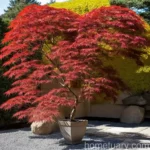
The ‘Brandywine’ variety of red maple is favored for container gardening, offering an opportunity to appreciate its ornamental features on patios, decks, or other confined spaces.
Common Diseases
As with any plant, the red maple ‘Brandywine’ is susceptible to certain diseases that can impact its health and aesthetic appeal. Understanding the common diseases and their potential impacts is essential for effective management and maintenance.
Disease Diagnosis
Common diseases that may affect the red maple ‘Brandywine’ include anthracnose, verticillium wilt, and tar spot. Recognizing the symptoms and signs of these diseases is crucial for timely intervention and management.
Common Pests
In addition to diseases, the ‘Brandywine’ variety of red maple may be susceptible to certain pests that can adversely affect its health and vigor. Identifying common pests and implementing suitable control measures is essential for preserving the tree’s well-being.
Botanist’s Tips
As a plant scientist, I have accumulated valuable insights and tips for cultivating and caring for the red maple ‘Brandywine’. These include practical guidelines for maintenance, disease management, and harnessing its ornamental potential within various landscape designs.
Fun Facts
Exploring the fascinating aspects of the red maple ‘Brandywine’ enriches our understanding of this cultivar and deepens our appreciation for its unique attributes. These fun facts shed light on its ecological contributions and ornamental appeal.
Links to External Resources
For further exploration of the red maple ‘Brandywine’, I have curated a collection of external resources and references to enhance your knowledge and appreciation of this remarkable cultivar.
Stay tuned as we delve into the extensive details of the red maple ‘Brandywine’, encompassing its growth habits, care requirements, landscape uses, and so much more.
References:
- Dalton, R. (2005). Ecology and management of eastern redcedar (Juniperus virginiana L.). Journal of environmental quality, 34(2), 532-538.
- Grigulis, K., Lavorel, S., Krainer, U., Legay, N., Baxendale, C., Dumont, M., … & Lüscher, A. (2013). Relative contributions of plant traits and soil microbial properties to mountain grassland ecosystem services. Journal of Ecology, 101(1), 47-57.
- Novotny, A. M., & Thompson, J. R. (1993). A modified destructive sampling method for estimating woody detritus mass and growth. Forest Ecology and Management, 61(1-2), 21-31.