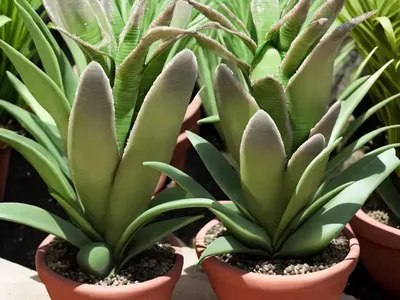
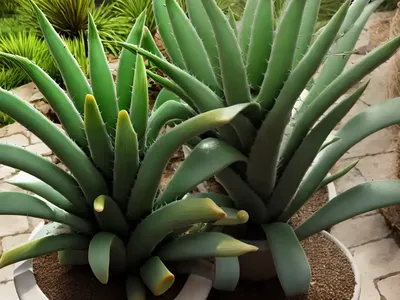
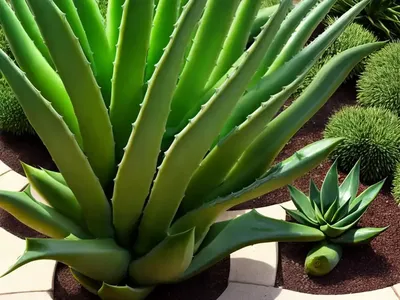
Red Hot Pokers (Kniphofia)
Plants are a vital component of our ecosystem, providing oxygen, food, and aesthetic appeal. Additionally, they play a significant role in ecological.
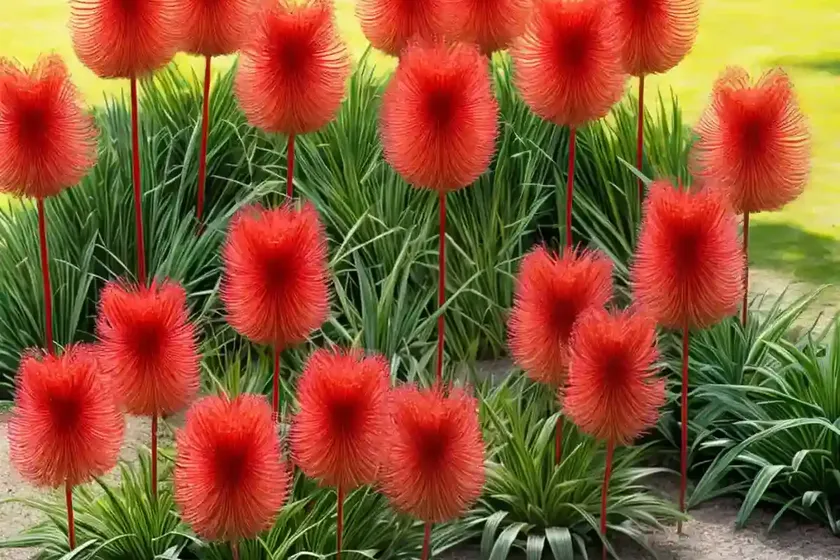
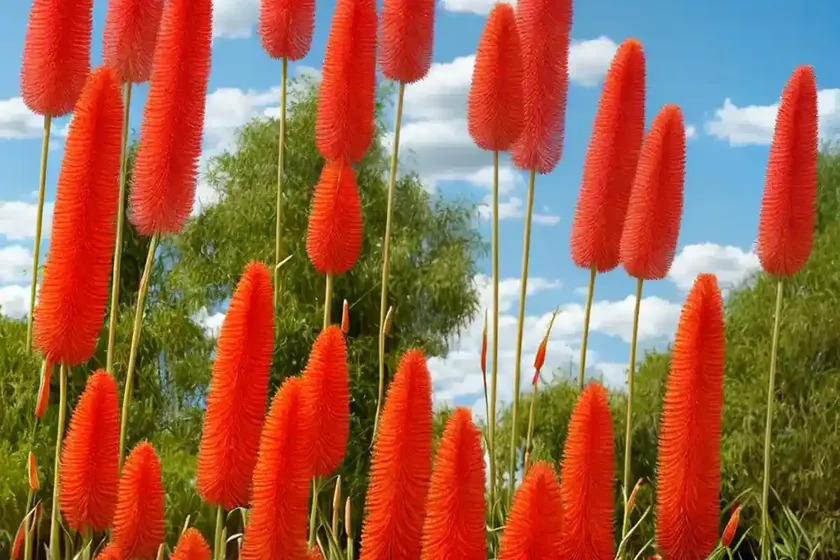
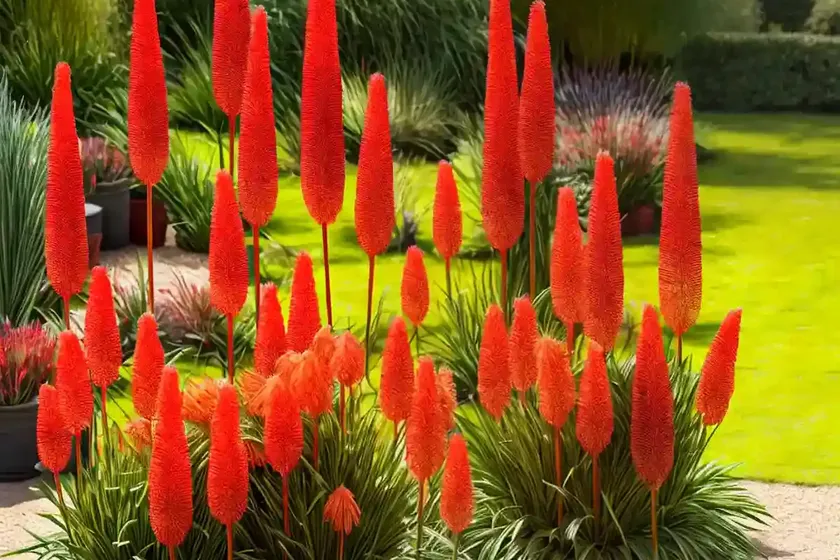
Plants are a vital component of our ecosystem, providing oxygen, food, and aesthetic appeal. Additionally, they play a significant role in ecological balance and environmental sustainability. Among the vast array of plant species, Kniphofia, commonly known as red hot pokers, stands out for its unique appearance and cultural significance.
In this comprehensive guide, we will delve into the world of Kniphofia, exploring its characteristics, care requirements, uses, and fascinating facts. This thorough exploration will equip you with valuable insights into cultivating and appreciating these remarkable plants, enabling you to harness their full potential in your garden or landscape.
What is Kniphofia (Red Hot Pokers)?
Kniphofia is a genus of perennial flowering plants belonging to the Asphodelaceae family. These plants are native to Africa, particularly South Africa, Lesotho, and Eswatini. The genus was named in honor of Johann Hieronymus Kniphof, an 18th-century German physician and botanist.
The most striking feature of Kniphofia plants is their tall, torch-like flower spikes that adorn the landscape with vibrant hues. The flowers’ resemblance to glowing embers has earned them the popular moniker “red hot pokers,” capturing the essence of their fiery and captivating appearance.
Key Takeaways – Red Hot Pokers (Kniphofia)
Culture
- Genus: Kniphofia
- Common Name: Red Hot Pokers
- Family: Asphodelaceae
- Native Habitat: Africa, particularly South Africa, Lesotho, and Eswatini
Uses
- Garden Ornamentation: Red hot pokers are sought-after for their striking appearance, adding visual appeal to gardens and landscapes.
- Wildlife Attractant: The nectar-rich flowers of Kniphofia species attract pollinators, such as bees and hummingbirds, enhancing biodiversity in the ecosystem.
Water
- Watering Needs: Moderate, regular watering
- Drought Tolerance: Certain varieties exhibit resilience in arid conditions, making them suitable for water-wise landscaping.
Sunlight
- Sunlight Requirements: Full to partial sun exposure
- Optimal Growth: Thrives in sunny locations with well-drained soil
Fertilizer
- Nutrient Requirements: Balanced fertilizer application during the growing season
- Soil Enrichment: Addition of organic matter for improved soil fertility
Soil
- Soil Preferences: Well-drained, loamy soil
- pH Range: Neutral to slightly acidic (pH 6.0–7.0)
Pruning
- Pruning Techniques: Removal of spent flower spikes and dead foliage
- Maintenance: Regular pruning to promote new growth and maintain plant health
Propagation
- Propagation Methods: Division of rhizomes, seed sowing
- Propagation Period: Spring or early summer for optimal results
Container Popularity
- Container Gardening: Kniphofia species can thrive in containers, making them suitable for patios and small urban spaces.
- Soil Requirements: Well-drained potting mix to prevent waterlogging
Common Diseases
- Disease Challenges: Susceptibility to rust, leaf spot, and root rot
- Preventive Measures: Proper sanitation, balanced watering, and adequate air circulation
Common Pests
- Pest Vulnerability: Aphids, thrips, and spider mites
- Control Measures: Natural predators, horticultural oils, and insecticidal soaps
Botanist’s Tips
- Cultural Significance: Kniphofia species hold cultural and symbolic significance in various indigenous communities in Africa.
- Landscaping Ideas: Incorporating red hot pokers in garden designs for visual impact and ecological value
Fun Facts
- Flower Colors: Kniphofia flowers exhibit a range of hues, including fiery reds, yellows, and oranges.
- Wildlife Interaction: Red hot pokers attract a diverse array of pollinators, contributing to ecosystem sustainability.
Kniphofia Red Hot Pokers Plant Care Guide
Kniphofia Plant Care
The successful cultivation of Kniphofia plants hinges on understanding and implementing appropriate care practices that cater to their specific requirements. Below, we will delve into the essential aspects of caring for Kniphofia red hot pokers, ensuring their optimal growth and longevity in your garden or landscape.
Cultivation Conditions
Kniphofia plants thrive in environments that replicate their natural habitat in Africa. Providing the following conditions will facilitate their robust growth and abundant flowering:
– Sunlight: Full to partial sun exposure, with at least 6–8 hours of sunlight daily
– Soil: Well-drained, loamy soil with a neutral to slightly acidic pH (6.0–7.0)
– Watering: Moderate and consistent watering, avoiding waterlogging
Planting Kniphofia
When planting Kniphofia species, consider the following guidelines to ensure their successful establishment:
– Timing: Spring or fall, providing favorable conditions for root development and acclimatization
– Spacing: Place the plants at least 18–24 inches apart to allow for adequate spread and airflow
– Soil Preparation: Incorporate organic matter into the soil to enhance fertility and improve drainage
Watering
- Watering Routine: Maintain a regular watering schedule, particularly during periods of active growth and flowering
- Soil Moisture: Ensure that the soil is moist but not waterlogged, allowing for adequate drainage
- Drought Tolerance: Some Kniphofia varieties exhibit resilience in dry conditions, reducing watering frequency as appropriate
Fertilization
- Nutrient Requirements: Apply a balanced fertilizer during the growing season to support robust growth and flowering
- Fertilizer Composition: Select a fertilizer with balanced N-P-K (nitrogen, phosphorus, potassium) proportions to cater to the plant’s needs
- Application Frequency: Fertilize every 4–6 weeks during the growing season, following manufacturer recommendations
Pruning and Maintenance
- Spent Flowers: Remove spent flower spikes to encourage continuous flowering and maintain visual appeal
- Leaf Care: Trim away dead or diseased foliage to promote plant health and aesthetics
- Division: Divide clumps every 3–4 years to rejuvenate the plants and prevent overcrowding
Propagation Methods
For gardeners interested in propagating Kniphofia plants, the following methods can be employed to expand their collection or share these captivating flowers with others:
– Division: Splitting established clumps every few years to create new plants, ideally in spring or early summer
– Seed Sowing: Harvest seeds from mature flower spikes and sow them in a controlled environment, providing favorable conditions for germination
Red Hot Pokers in Pots
Container gardening has gained popularity, especially among urban dwellers and individuals with limited outdoor space. Kniphofia plants are well-suited for container cultivation, offering a compact yet vibrant addition to patios, balconies, and small gardens.
Container Selection
Selecting the right container is crucial for the successful growth of Kniphofia plants in pots. Consider the following factors when choosing containers:
– Size: Opt for a spacious container that accommodates the plant’s root system and allows for adequate growth
– Drainage: Ensure that the container has drainage holes to prevent waterlogging, promoting root health
Potting Mix
The quality of the potting mix directly impacts the plant’s growth and overall well-being. Choose a well-draining, nutrient-rich potting mix to support Kniphofia’s development in containers.
Watering and Maintenance
Containerized Kniphofia plants require specific care to thrive in their confined environment. Key considerations include:
– Watering Frequency: Monitor the soil moisture regularly and water when the top inch of the soil becomes dry
– Fertilization: Apply a balanced, water-soluble fertilizer every 4–6 weeks during the growing season to supply essential nutrients
– Repotting: Repot the plants every 2–3 years to refresh the soil and provide adequate space for root expansion
Kniphofia Varieties
The genus Kniphofia encompasses diverse species and cultivars, each displaying unique features and characteristics. Understanding the various Kniphofia varieties allows for informed decision-making when selecting plants for your garden or landscape.
Flower Colors
Kniphofia flowers exhibit a rich array of colors, including shades of red, orange, yellow, and green, creating a spectacular visual display in outdoor settings.
Size and Structure
The size and structural composition of Kniphofia plants vary across different varieties, offering a range of options to suit specific landscaping preferences and spatial constraints.
Flowering Period
Certain Kniphofia species bloom at different times throughout the year, providing an extended flowering season and infusing landscapes with vibrant colors.
Red Hot Poker Plant Uses and Benefits
Ecological Significance
The cultivation of Kniphofia plants contributes to biodiversity and ecological balance, offering numerous benefits to the surrounding environment and its inhabitants.
Wildlife Habitat
The nectar-rich flowers of Kniphofia species attract a diverse range of pollinators, such as bees, butterflies, and hummingbirds, enhancing biodiversity and supporting the ecosystem’s health.
Ecological Value
By serving as a wildlife-friendly plant, Kniphofia contributes to the preservation of essential pollinators and fosters a thriving ecological network within the landscape.
Garden Ornamentation
The aesthetic appeal of Kniphofia plants makes them a coveted addition to gardens, parks, and ornamental landscapes, accentuating the beauty and vibrancy of outdoor spaces.
Visual Impact
The striking appearance of red hot pokers infuses landscapes with splashes of color, creating focal points and visual interest in garden compositions.
Kniphofia Sunlight Requirements
Kniphofia plants have specific sunlight preferences that influence their overall growth, flowering, and resilience. Understanding these requirements is crucial for providing the optimal environment for these captivating plants.
Full Sun Exposure
Kniphofia species thrive in full sun, exhibiting their best growth and flowering potential when provided with ample sunlight throughout the day.
Lighting Benefits
- Flowering Abundance: Full sun exposure promotes prolific flowering, resulting in a visually stunning display of vibrant colors.
- Foliage Health: Adequate sunlight enhances the plant’s photosynthetic capacity, ensuring robust foliage and overall plant vitality.
Partial Sun Tolerance
While Kniphofia plants prefer full sun, they demonstrate a degree of tolerance to partial sun exposure, enabling their cultivation in diverse outdoor environments.
Partial Sun Conditions
- Morning Sunlight: Kniphofia plants benefit from morning sun exposure, which provides sufficient light for their growth and flowering.
- Shade Adaptation: Some varieties can thrive in partial shade, offering flexibility in landscaping and garden design.
Red Hot Poker Watering Needs
Understanding the water requirements of Kniphofia plants is essential for maintaining their vigor, health, and flowering performance. Proper watering practices contribute to the plants’ overall well-being and resilience.
Moderate Watering
Kniphofia plants generally prefer moderate watering, offering the following guidelines for effective moisture management in the garden or landscape:
Moisture Consistency
- Even Moisture Levels: Maintain consistent soil moisture, avoiding extremes of waterlogging or extended dryness
- Root Health: Balanced watering supports robust root development and prevents stress-induced wilting
Drought Tolerance
Certain Kniphofia varieties exhibit resilience in arid conditions, showcasing adaptations that enable them to thrive with reduced water availability.
Water-Wise Landscaping
- Drought-Resistant Species: Explore drought-tolerant Kniphofia varieties for water-wise landscaping and conservation-minded garden designs
- Minimal Watering: Resilient species require less frequent watering, contributing to water conservation efforts
Kniphofia Soil Preferences
The soil composition and quality directly impact the growth, health, and flowering performance of Kniphofia plants. Understanding their soil preferences is crucial for providing an optimal growing environment.
Well-Drained Soil
Kniphofia species flourish in well-drained soil, benefiting from the following soil characteristics:
Drainage Importance
- Preventing Waterlogging: Well-drained soil prevents excessive moisture retention, reducing the risk of root rot and other water-related challenges
- Enhanced Aeration: Adequate drainage facilitates oxygen availability to the roots, ensuring healthy respiration and nutrient uptake
Soil Enrichment
Incorporating organic matter into the soil augments its fertility and structural integrity, offering the following advantages for Kniphofia plants:
Nutrient Provision
- Fertility Enhancement: Organic matter enriches the soil, providing essential nutrients and fostering a conducive environment for plant growth
- Improved Water Retention: Organic amendments improve soil water retention, ensuring consistent moisture availability for the plants
Red Hot Poker Pruning Techniques
Pruning plays a crucial role in maintaining the health, aesthetics, and flowering performance of Kniphofia plants. Proper pruning techniques contribute to their overall vigor and longevity in the garden or landscape.
Spent Flower Removal
Removing spent flower spikes is essential for encouraging continuous flowering and preventing seed formation, promoting the following benefits:
Prolific Flowering
- Flower Stimulus: Pruning triggers new flower bud formation, extending the plant’s blooming period and enhancing visual appeal
- Resource Allocation: By preventing seed production, the plant channels its energy into flowering, resulting in abundant blooms
Dead Foliage Removal
Trimming away dead or diseased foliage is vital for maintaining the plant’s health, appearance, and disease resistance, offering the following advantages:
Resources Consolidation: Removing dead foliage redirects the plant’s resources towards new growth and flowering, contributing to its overall vigor and aesthetic appeal
Disease Prevention: Pruning minimizes the risk of disease spread and recurrence, creating a healthy environment for the plant
Kniphofia Propagation Methods
The propagation of Kniphofia plants allows for the expansion of their presence in gardens and landscapes, enabling gardeners to multiply these captivating flowers through various methods.
Division of Rhizomes
Dividing established clumps is a common and effective propagation method for Kniphofia plants, offering the following guidelines for successful division:
Optimal Timing: Spring or early summer provides favorable conditions for rhizome division, ensuring successful establishment and growth
Rejuvenation: Dividing clumps every 3–4 years rejuvenates the plants, promotes vigorous growth, and prevents overcrowding
Seed Sowing
Harvesting and sowing Kniphofia seeds presents an alternative propagation method for gardeners interested in cultivating these plants from seed, offering the following considerations:
Seed Harvesting: Collect mature seeds from flower spikes and store them in a cool, dry place until sowing
Germination Environment: Provide favorable conditions for seed germination, including consistent moisture and warmth, for successful establishment
Red Hot Poker Flowering Season
The flowering season of Kniphofia plants contributes to the visual spectacle they offer in outdoor landscapes, infusing gardens with vibrant colors and captivating displays.
Extended Flowering
Certain Kniphofia varieties bloom at different times throughout the year, extending the flowering season and enriching the landscape with continuous bursts of color:
Seasonal Variation: Explore diverse Kniphofia species to create an extended flowering period, ensuring visual interest and diversity in the garden
Landscape Dynamics: Incorporate multiple flowering varieties to create a dynamic and visually engaging garden composition, adapting to seasonal shifts
Flower Colors
The rich array of flower colors exhibited by Kniphofia plants enhances their visual impact and contributes to their allure in garden and landscape settings.
Spectrum Diversity: Explore the diverse spectrum of reds, oranges, yellows, and greens presented by different Kniphofia species, creating a striking visual mosaic
Red Hot Poker Common Diseases
While Kniphofia plants exhibit resilience, they are susceptible to specific diseases that can affect their growth, flowering, and overall health. Understanding common diseases and their management is essential for maintaining the plants’ well-being.
Rust
Rust, characterized by orange or rust-colored pustules on leaves, can affect Kniphofia plants, necessitating prompt management measures:
Preventive Measures: Ensure adequate air circulation and avoid overhead watering to reduce rust incidence in Kniphofia
Fungicidal Treatment: Employ appropriate fungicides to control rust outbreaks, following manufacturer recommendations for application and dosage
Leaf Spot
The presence of leaf spot, indicated by circular lesions on the leaves, poses a potential threat to Kniphofia plants, warranting proactive control strategies:
Sanitation Practices: Remove and dispose of affected leaves to prevent the spread of leaf spot within the plant and across the garden
Fungicidal Application: Utilize suitable fungicides to manage leaf spot, applying them according to recommended schedules and concentrations
Root Rot
Excessive moisture and poor drainage can lead to root rot, presenting a serious challenge to Kniphofia plant health and vitality:
Drainage Improvement: Enhance soil drainage and prevent waterlogging to mitigate the risk of root rot in Kniphofia plants
Root Inspection: Monitor root health and vitality, addressing any signs of decay or damage promptly to prevent the spread of root rot
Kniphofia Pest Control
Kniphofia plants are vulnerable to specific pests that can compromise their health and flowering performance, necessitating vigilant monitoring and targeted control measures.
Aphids
Aphids, common sap-sucking insects, can infest Kniphofia plants and hinder their growth and vitality, prompting the implementation of effective pest control strategies:
Natural Predators: Encourage the presence of beneficial insects, such as ladybugs and lacewings, to feed on aphids and regulate their population
Horticultural Oils: Apply horticultural oils to suffocate and control aphid infestations, minimizing their impact on Kniphofia plants
Thrips
Thrips, tiny winged insects, can feed on Kniphofia leaves and flowers, necessitating proactive pest management practices to safeguard the plants:
Insecticidal Soaps: Utilize insecticidal soaps to control thrips infestations, targeting both adult insects and their larvae to prevent damage to Kniphofia plants
Cultural Practices: Integrate practices such as weed control and regular plant inspection to minimize thrips infestations and preserve Kniphofia health
Spider Mites
Spider mite infestations can affect Kniphofia plants, leading to leaf discoloration and reduced vigor, prompting the implementation of pest control measures:
Water Spraying: Employ water sprays to dislodge and control spider mite populations on Kniphofia leaves, reducing their impact on plant health
Insecticidal Intervention: Apply suitable insecticidal treatments to address spider mite infestations, targeting both adults and eggs to prevent their proliferation
Kniphofia Landscape Ideas
Incorporating Kniphofia plants in garden and landscape designs offers numerous creative possibilities, allowing for the creation of visually stunning outdoor environments and dynamic compositions.
Focal Points
Utilize Kniphofia plants as focal points in garden designs, creating visual interest and serving as eye-catching elements that draw attention and admiration.
Color Complementarity
Incorporate Kniphofia flowers to complement and contrast with surrounding plants, generating captivating color combinations and palettes that enhance garden aesthetics.
Biodiversity Promotion
Incor