Red Fern (Didymochlaena Truncatula)
Red Fern, scientifically known as Didymochlaena truncatula, is a fascinating ornamental plant that has gained popularity for its striking appearance and.
Introduction to Red Fern
Red Fern, scientifically known as Didymochlaena truncatula, is a fascinating ornamental plant that has gained popularity for its striking appearance and versatile uses. This perennial fern belongs to the family Dryopteridaceae and is native to the Pacific Islands, including New Zealand. Its unique characteristics and adaptability make it a sought-after addition to both indoor and outdoor gardens, landscaping projects, and interior design schemes.
In this comprehensive guide, we will delve into the various aspects of Red Fern and provide valuable insights into its cultivation, maintenance, and potential benefits. Whether you are an experienced gardener or a novice plant enthusiast, this article will offer you a wealth of knowledge about the care and propagation of Red Fern, along with intriguing facts and cultural significance associated with this exceptional plant.
Key Takeaways on Red Fern (Didymochlaena truncatula)
Before we explore the specifics of Red Fern care and cultivation, let’s take a quick look at the key takeaways that will be covered in this guide:
- Understanding the cultural significance and uses of Red Fern
- The water, sunlight, fertilizer, soil, and pruning requirements for Red Fern
- Techniques for propagation and maintaining Red Fern in containers
- Common diseases and pests affecting Red Fern, along with effective solutions for disease prevention and pest control
- Botanist’s tips for successful Red Fern cultivation
- Fun facts about Red Fern and its natural habitat
- Links to external resources for further exploration
With a comprehensive understanding of these key takeaways, you will be well-equipped to embark on a rewarding journey of growing and nurturing Red Fern in your own garden or indoor space.
What is Red Fern (Didymochlaena truncatula)?
Before we delve into the intricacies of caring for Red Fern, it’s essential to gain a deeper understanding of the plant’s characteristics, natural habitat, and the symbolism associated with its presence in various cultures.
Plant Description
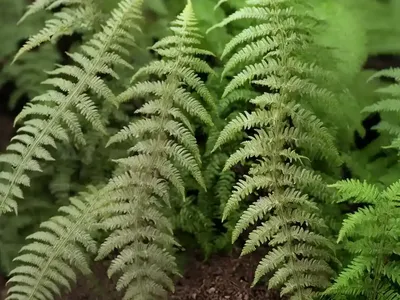
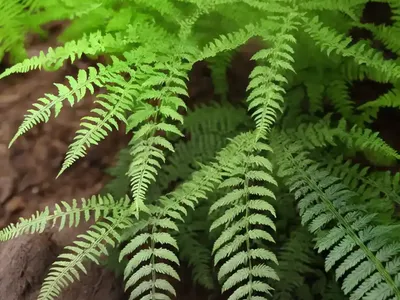
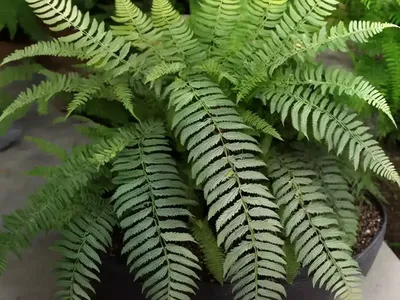
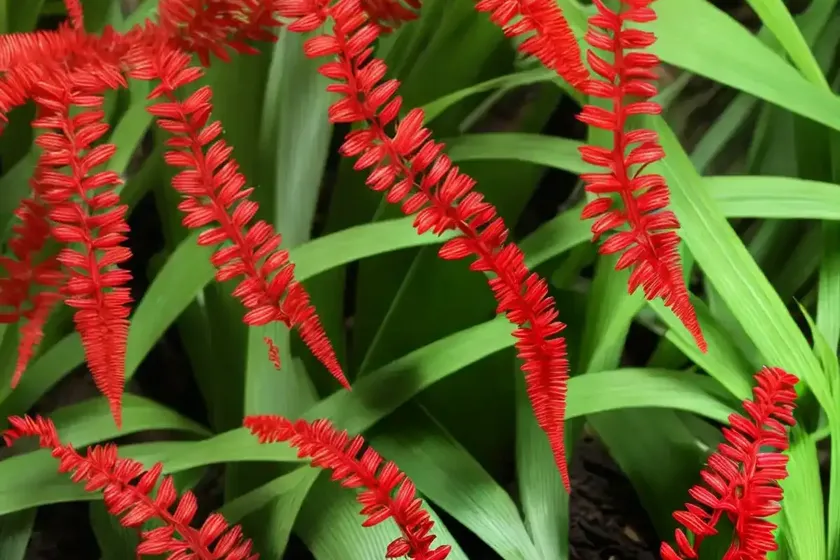
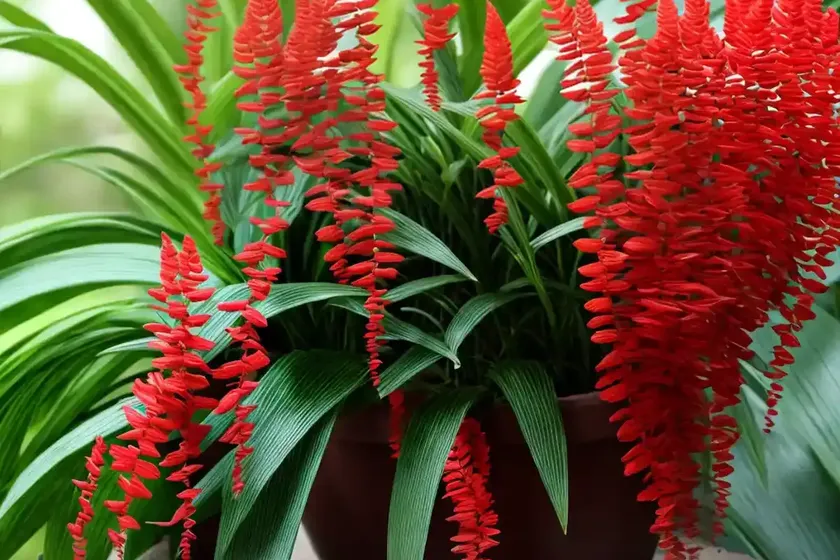
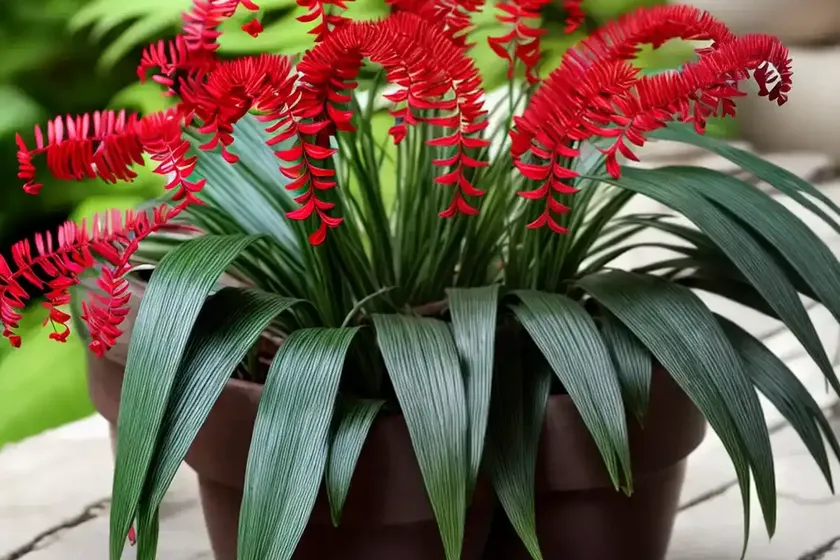
Red Fern, or Didymochlaena truncatula, is a stunning fern species characterized by its vibrant red-hued new fronds, which gradually mature into deep green, glossy foliage. The plant typically grows in a clumping habit, with arching fronds that create an elegant and dramatic display. Its ornamental appeal and adaptability have made it a popular choice for both indoor and outdoor settings, where it can thrive in diverse environmental conditions.
Natural Habitat
The native habitats of Red Fern include the Pacific Islands and New Zealand, where it is often found growing in moist, shaded areas such as forests, gullies, and along stream banks. The plant’s affinity for humid and shaded environments has influenced its cultivation requirements, making it well-suited for similar conditions in domestic settings.
Symbolism and Cultural Significance
In various cultures, ferns, including Red Fern, have been associated with symbolism and cultural significance. Traditionally, ferns have been viewed as symbols of endurance, new beginnings, and tranquility. Red Fern, with its striking coloration and graceful fronds, often holds symbolic value in garden design, landscape architecture, and interior decoration, where it is chosen for its aesthetic appeal and symbolic representation of natural beauty and resilience.
In the following sections, we will take a closer look at the specific elements of caring for Red Fern, including its water, sunlight, soil, and pruning requirements. By understanding these fundamental aspects, you will be better equipped to create an optimal environment for the flourishing of Red Fern in your chosen setting.
Red Fern Culture, Uses, and Care
As with any plant species, understanding the specific cultural requirements and uses of Red Fern is essential for its successful cultivation and maintenance. In this section, we will explore the ideal conditions for growing Red Fern, along with its diverse uses in various gardening and design contexts.
Watering
Red fern watering:
– Red Fern thrives in consistently moist soil, and it is crucial to maintain adequate levels of hydration to ensure its vitality and growth.
– While the plant does not tolerate waterlogged conditions, it benefits from regular, thorough watering to keep the soil evenly moist, especially during the active growing season.
– When watering Red Fern, it is essential to avoid allowing the soil to dry out completely, as this can lead to stress and damage to the plant.
Sunlight
Red fern light requirements:
– Red Fern typically prefers filtered or dappled sunlight, making it well-suited for shaded garden areas or indoor spaces with indirect light.
– Intense, direct sunlight should be avoided, as it can scorch the delicate fronds and cause damage to the plant.
– Positioning Red Fern in locations where it receives gentle, filtered light throughout the day will enable it to thrive and maintain its vibrant foliage.
Fertilizer
Red fern fertilizing:
– Providing Red Fern with a balanced, water-soluble fertilizer during the growing season can enhance its growth and overall health.
– A diluted, general-purpose fertilizer that is rich in essential nutrients, including nitrogen, phosphorus, and potassium, can be applied to the soil at regular intervals to support the plant’s nutritional requirements.
Soil
Red fern soil requirements:
– Red Fern flourishes in well-draining, humus-rich soil that retains moisture without becoming waterlogged.
– A mix of peat moss, perlite, and organic compost can create an ideal growing medium for Red Fern, offering the necessary nutrients and structure for healthy root development.
Pruning
Red fern pruning:
– Pruning Red Fern primarily involves the removal of damaged or discolored fronds to maintain its aesthetic appeal and encourage new growth.
– Occasionally, older fronds may be trimmed back to promote air circulation and prevent overcrowding within the plant.
By adhering to these cultural guidelines for Red Fern care, you can cultivate an environment that fosters the plant’s well-being and ensures its longevity. Additionally, understanding the techniques for propagating and maintaining Red Fern in containers will enable you to incorporate this captivating species into your garden or indoor space with ease and success.
Propagation and Container Maintenance
Propagation
Red fern propagation:
– Red Fern can be successfully propagated through the division of its rhizomes, which are underground stems that give rise to new growth.
– Propagation is typically carried out in the spring, when the plant is exhibiting active growth and can readily recover from the division process.
Container Growth
Red fern container gardening:
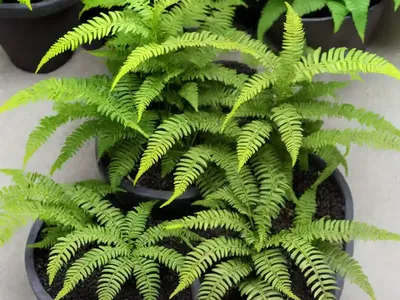
– Cultivating Red Fern in containers offers a versatile and space-efficient solution for incorporating this striking plant into various settings, including patios, balconies, and interior spaces.
– Choosing containers with adequate drainage and a suitable potting mix can facilitate the successful growth of Red Fern in a contained environment.
Popular Uses and Popularity
The versatility and aesthetic appeal of Red Fern have contributed to its popularity in a variety of gardening, design, and landscaping contexts. Whether used as a focal point in shaded gardens, incorporated into tropical-themed landscapes, or featured as an accent plant in interior design, Red Fern offers a unique and captivating presence that elevates the visual appeal of its surroundings.
Common Diseases and Pest Control
As with any plant species, Red Fern is susceptible to certain diseases and pests that can impact its health and vitality. Understanding the common issues that may affect Red Fern and implementing effective disease prevention and pest control measures is essential for ensuring its well-being.
Common Diseases
Red fern common diseases:
– Fungal diseases, such as leaf spot and root rot, can pose a threat to Red Fern, especially in overly moist or poorly ventilated conditions.
– Regular inspection of the plant for signs of fungal infection, including yellowing or browning of fronds, can enable early detection and prompt treatment to mitigate the spread of the disease.
Disease Diagnosis
Red fern disease prevention:
– Maintaining adequate air circulation, avoiding overwatering, and ensuring proper sanitation of gardening tools can significantly reduce the risk of fungal diseases affecting Red Fern.
– In cases where disease symptoms are detected, applying fungicidal treatments or adjusting cultural practices, such as reducing watering frequency, can support the plant’s recovery.
Common Pests
Red fern pest control:
– Red Fern may be susceptible to aphid infestations, particularly in indoor environments or sheltered outdoor settings.
– Monitoring the plant for signs of aphid activity, including the presence of sticky honeydew and distorted growth, can facilitate early intervention to prevent widespread infestation.
By understanding the specific diseases and pests that may impact Red Fern, you can implement proactive measures to safeguard the plant’s health and mitigate potential risks. Furthermore, the insights provided by botanists can offer valuable tips and recommendations for successful Red Fern cultivation.
Botanist’s Tips for Red Fern Care
Expert Recommendations
Drawing upon the expertise of botanists and horticultural specialists can offer invaluable guidance for nurturing Red Fern and creating an optimal environment for its growth and development.
Key Tips:
– Providing adequate humidity is essential for the well-being of Red Fern, especially in indoor settings where dry air may be prevalent.
– Mulching the soil around the base of the plant can help to retain moisture and suppress weed growth, contributing to a more favorable growing environment for Red Fern.
– Regularly monitoring the plant for signs of stress or damage, such as wilting fronds or discoloration, can allow for prompt intervention and remedial action to support its recovery.
By embracing these insights from experts, you can enhance your approach to Red Fern care and elevate the success of cultivating this captivating plant. Additionally, uncovering fun facts and historical significance associated with Red Fern can further enrich your appreciation for this remarkable species.
Fun Facts and Historical Significance
Intriguing Insights
Exploring the unique characteristics and historical significance of Red Fern can offer a deeper insight into the cultural and botanical allure of this exceptional plant.
Fun Facts:
– Red Fern’s vibrant red fronds emerge as young growth, gradually transitioning to deep green as they mature, creating a visually captivating display of color variation within the plant.
– In various Pacific Island cultures, ferns, including Red Fern, have held symbolic value and have been utilized in traditional folklore and medicinal practices, highlighting their multifaceted significance beyond their ornamental appeal.
Conclusion
Red Fern, with its striking visual appeal, versatile uses, and rich cultural significance, stands as a captivating addition to any garden or interior space. By delving into the nuances of caring for Red Fern, appreciating its symbolism, and harnessing expert insights, you can embark on a rewarding journey of successful cultivation and meaningful engagement with this remarkable plant. With the knowledge and techniques shared in this guide, you are well-equipped to cultivate and nurture Red Fern, allowing its vibrant presence to flourish and enrich your living spaces.
References
- “Didymochlaena truncatula (Sw.) J.Sm.” World Ferns: Checklist of Ferns and Lycophytes of the World. Royal Botanic Garden Edinburgh. Link.
- Rakotoarisoa, S.E., et al. (2019). “Ferns and lycophytes of New Caledonia: An Updated Checklist.” Adansonia, 41(3), 23-57. Link.
- Wagner, W.H. (1987). “The Fern Genus Didymochlaena, Including the Malesian Species Tectaria-Didymochlaena and Doryopteris (Tectariaceae).” American Fern Journal, 77(3), 89-99. Link.