Red Cape Aloe (Aloe Microstigma)
The Red Cape Aloe, scientifically known as Aloe Microstigma, is a remarkable succulent native to South Africa. This unique plant has gained popularity not.
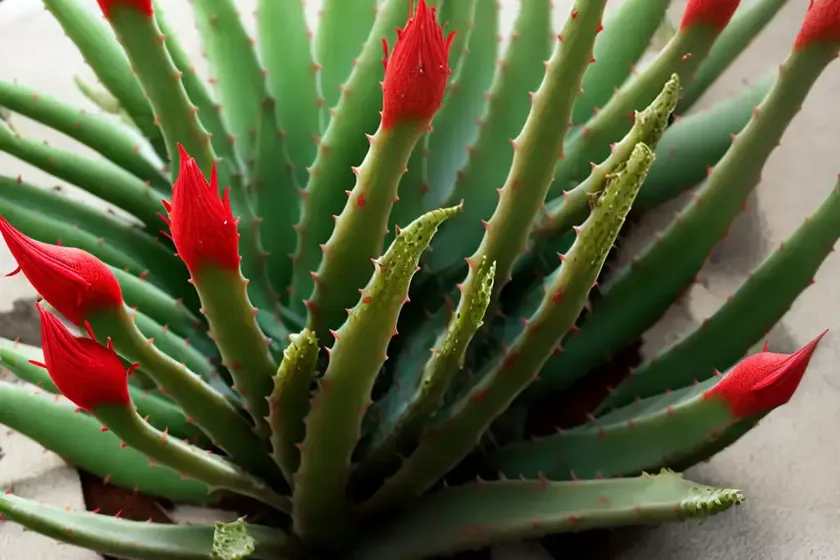
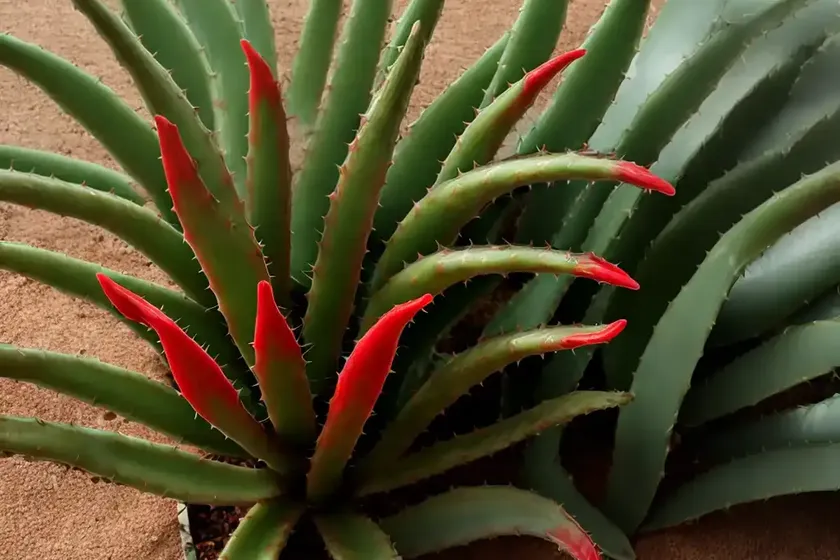
The Red Cape Aloe, scientifically known as Aloe Microstigma, is a remarkable succulent native to South Africa. This unique plant has gained popularity not only for its stunning appearance but also for its various uses and benefits. In this comprehensive guide, we will delve into the fascinating world of Red Cape Aloe, exploring its characteristics, cultivation techniques, care requirements, as well as its cultural and medicinal uses.
What is Red Cape Aloe (Aloe Microstigma)?
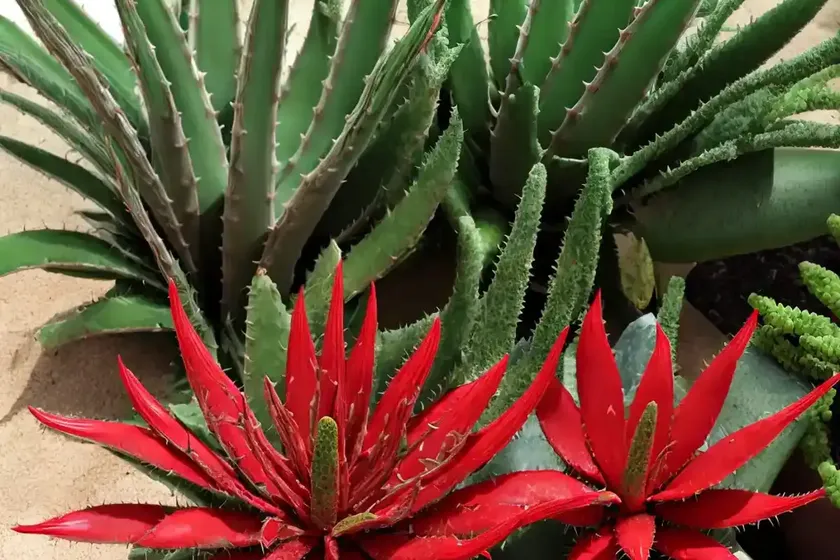
Red Cape Aloe, or Aloe Microstigma, is a species of aloe that belongs to the Asphodelaceae family. It is also commonly referred to as the “Cape Speckled Aloe” due to the distinct speckled patterns on its leaves. This succulent plant is predominantly found in the Eastern and Western Cape provinces of South Africa, where it thrives in the hot and dry conditions of its natural habitat.
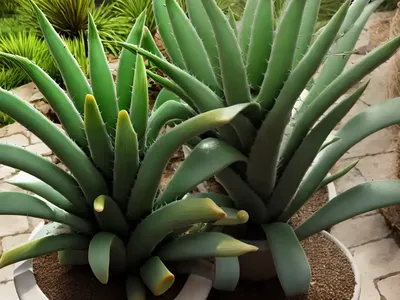
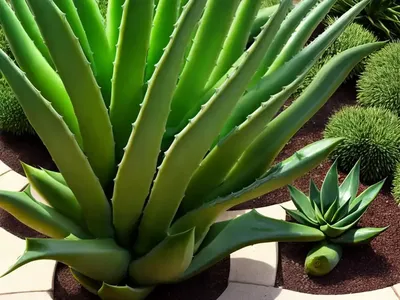
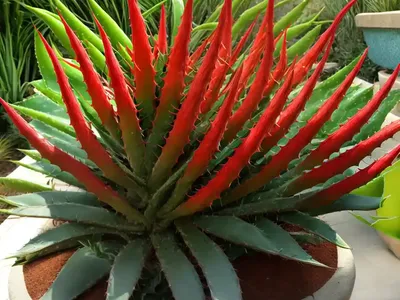
The Red Cape Aloe exhibits a rosette growth habit, with thick, fleshy leaves that form a striking symmetrical arrangement. When in bloom, it produces vibrant clusters of tubular, orange to red flowers on tall, sturdy stems, attracting pollinators such as birds and insects.
Key Takeaways – Red Cape Aloe (Aloe Microstigma)
Before delving into the specifics of cultivating and caring for the Red Cape Aloe, let’s take a moment to summarize the key takeaways related to this fascinating plant.
- Red Cape Aloe Benefits:
- Medicinal properties
- Ornamental value
- Drought tolerance
-
Wildlife attractor
-
Aloe Microstigma Uses:
- Traditional uses in herbal remedies
- Culinary applications
-
Landscape design
-
Red Cape Aloe Care Guide:
- Water requirements
- Sunlight preferences
- Soil preferences
- Pruning techniques
-
Container gardening
-
Aloe Microstigma Cultivation Tips:
- Propagation methods
- Growing conditions
- Cold hardiness
- Planting guide
- Seasonal care
Now, let’s delve deeper into each of these aspects to gain a comprehensive understanding of the Red Cape Aloe and how to best care for and cultivate this remarkable plant.
Culture
Uses
The Red Cape Aloe holds significant cultural and traditional value in its native South Africa. It has been used for various purposes, ranging from medicinal applications to landscaping and ornamental use.
Medicinal Uses
Aloe species, including Aloe Microstigma, have a long history of traditional medicinal use. The gel found in the leaves of the Red Cape Aloe contains bioactive compounds with purported health benefits, including anti-inflammatory, antimicrobial, and wound-healing properties. The gel is commonly used topically to soothe skin irritations, burns, and minor wounds. Additionally, it has been utilized in traditional herbal remedies for internal health issues, although it’s important to use it with caution and consult a healthcare professional before consuming aloe products.
Ornamental Value
In addition to its medicinal uses, the Red Cape Aloe is highly prized for its ornamental value. Its striking foliage and vibrant flowers make it an excellent choice for xeriscapes, succulent gardens, and arid landscaping. When planted en masse, it can create a visually striking display, particularly when in bloom. Furthermore, its drought tolerance and low maintenance requirements make it a favorite among landscapers and gardeners looking to add a touch of exotic beauty to their outdoor spaces.
Culinary Uses
While the primary use of the Red Cape Aloe is not culinary, some cultures have historically used aloe in various food preparations. However, it is crucial to note that not all aloe species or parts of the plant are safe for consumption, and ingestion of aloe products should be approached with caution. Always ensure that any aloe used for culinary purposes is safe and free from potentially harmful compounds.
Water
Proper watering is essential for the health and vigor of the Red Cape Aloe. As a succulent, it is adapted to arid conditions and is highly drought-tolerant. However, this doesn’t mean it can survive without any water. The key is to strike a balance and provide adequate moisture without overwatering.
Water Requirements
- Mature Plants:
- Water thoroughly but infrequently. Allow the soil to dry out completely between waterings.
- Young Plants:
- Water sparingly, ensuring that the soil is only lightly moist and not waterlogged.
Sunlight
The Red Cape Aloe thrives in bright, direct sunlight, making it an ideal choice for sunny locations in the garden or landscape. Adequate sunlight is crucial for the plant’s overall health and the development of vibrant flower clusters.
Sunlight Preferences
- Outdoor Plants:
- Plant in a location that receives full sun for the majority of the day.
- Indoor Plants:
- Place near a bright, sunny window to ensure it receives ample sunlight.
Fertilizer
While the Red Cape Aloe is relatively low-maintenance, occasional fertilization can promote healthy growth and flowering. However, it’s important to use a well-balanced fertilizer and apply it sparingly to prevent overfeeding, which can be detrimental to the plant.
Fertilizer Recommendations
- Type:
- Use a balanced, water-soluble fertilizer formulated for succulents.
- Frequency:
- Apply fertilizer diluted to half or quarter strength once every 6 to 8 weeks during the growing season.
Soil
Proper soil conditions are crucial for the Red Cape Aloe to thrive. Well-draining soil is essential to prevent waterlogged conditions, which can lead to root rot.
Soil Preferences
- Ideal Soil Type:
- Use a well-draining cactus or succulent mix.
- DIY Mix:
- Create a mix using equal parts of sand, perlite, and a well-draining potting mix.
- Avoid:
- Heavy, compacted soils that retain moisture.
Pruning
Pruning helps maintain the Red Cape Aloe’s attractive growth habit and can encourage the production of new offset pups, known as “pups,” providing a means of propagation.
Pruning Techniques
- Dead Flower Removal:
- Trim off spent flower clusters to promote additional blooms and maintain aesthetic appeal.
- Pup Removal:
- Gently remove and separate offset pups from the parent plant for propagation or to control the plant’s size.
Propagation
The Red Cape Aloe can be propagated through various methods, including offsets, seeds, and leaf cuttings. Propagation allows you to expand your aloe collection or share the plant with friends and family.
Propagation Methods
- Offsets (Pups):
- Carefully separate and remove the offset pups from the base of the parent plant, ensuring they have adequate roots before planting.
- Seeds:
- Sow seeds in a well-draining soil mix and provide warmth and moisture for germination.
- Leaf Cuttings:
- Take a healthy leaf cutting and allow the cut end to callus before planting it in a well-draining mix.
Container Popularity
The Red Cape Aloe’s striking appearance and adaptability make it a popular choice for container gardening. Its low water requirements and ease of care make it an excellent option for adding interest to patio, balcony, or indoor spaces.
Container Gardening Tips
- Pot Selection:
- Use a well-draining container with sufficient drainage holes.
- Soil:
- Choose a well-draining cactus or succulent mix.
- Placement:
- Position the container in a sunny location to ensure the plant receives adequate sunlight.
Common Diseases
The Red Cape Aloe is relatively resistant to diseases, particularly when grown in suitable conditions with proper care. However, there are a few issues to watch out for, including fungal diseases and rot.
Disease Diagnosis
- Fungal Diseases:
- Symptoms may include discolored or water-soaked patches on the leaves. Remove affected leaves and improve ventilation to prevent further spread.
- Rot:
- Soft, mushy areas on the stems or roots indicate rot. Adjust watering practices and ensure well-draining soil to prevent rot issues.
Common Pests
Pest infestations are generally not a major concern for the Red Cape Aloe, particularly when grown outdoors or in well-maintained indoor environments. However, a few pests may occasionally pose a threat.
- Aphids & Mealybugs:
- Inspect the plant regularly and use a strong stream of water to dislodge pests. Alternatively, treat with neem oil or insecticidal soap if necessary.
- Snails & Slugs:
- Protect container-grown plants by placing physical barriers or using organic control methods.
Botanist’s Tips
As a plant scientist with a passion for succulents and a keen interest in the remarkable Red Cape Aloe, I have a few additional tips to share for successfully growing and caring for this unique plant.
- Seasonal Care:
- Adjust watering frequency based on seasonal changes. Reduce watering in winter and increase it during the growing season in spring and summer.
- Protection from Frost:
- If grown in regions prone to frost, provide protection or bring potted plants indoors during cold spells.
- Inspect Regularly:
- Regularly inspect the plant for signs of pests, diseases, or any issues related to its growth.
Fun Facts
To provide a well-rounded perspective on the Red Cape Aloe, here are a few fascinating fun facts about this remarkable succulent:
- Aloe Microstigma is a flowering succulent that can attract a variety of pollinators, including birds and insects, with its vibrant, tubular flowers.
- In its native habitat, Red Cape Aloe can be found growing in rocky, arid conditions, showcasing its incredible adaptability to harsh environments.
- The gel extracted from the leaves of the Red Cape Aloe has been used in various cosmetic and skincare products due to its soothing and moisturizing properties.
- Red Cape Aloe is a resilient plant that can thrive in relatively low-nutrient soils, making it an excellent choice for xeriscaping and water-wise landscaping projects.
Links to External Resources
For further information on the Red Cape Aloe, its uses, and cultivation, I highly recommend exploring the following external resources:
- South African National Biodiversity Institute – Aloe Microstigma
- Royal Horticultural Society – Aloe Microstigma Plant Profile
- The Aloe Vera Site – Aloe Microstigma Cultivation Guide
- Journal of Ethnopharmacology – Medicinal Properties of Aloe Species
- University of Pretoria – Traditional Uses of Aloe in South Africa
- American Society for the Prevention of Cruelty to Animals – Aloe Plant Toxicity
- World Health Organization – Guidelines on Aloe Safety and Quality
- National Gardening Association – Tips for Growing Aloe Microstigma
Conclusion
In conclusion, the Red Cape Aloe (Aloe Microstigma) is a plant of remarkable beauty and versatility. From its traditional uses in herbal remedies to its role in landscaping and ornamental gardening, this succulent offers a wealth of benefits and possibilities. By understanding its cultural significance, optimal care requirements, and propagation techniques, enthusiasts and horticulturists can fully appreciate and utilize the unique characteristics of the Red Cape Aloe. Whether grown in a garden, container, or as part of a xeriscape design, this resilient plant adds an exotic touch to any space while thriving in arid and sunny conditions.
I hope this comprehensive guide provides valuable insights into the world of Red Cape Aloe, inspiring readers to explore and cultivate this extraordinary succulent with confidence and appreciation for its natural and cultural significance.
Remember to always respect the plant’s natural habitat and cultural heritage as you embark on your journey of caring for the remarkable Red Cape Aloe. Happy gardening and embracing the beauty and benefits of Aloe Microstigma!
This article is for informational purposes only and does not constitute medical or horticultural advice. Always consult with a healthcare professional or experienced botanist for guidance on the safe and responsible use of aloe products.
Now that the basics of Red Cape Aloe are covered, enthusiasts and horticulturists can fully appreciate and utilize the unique characteristics of this remarkable succulent.