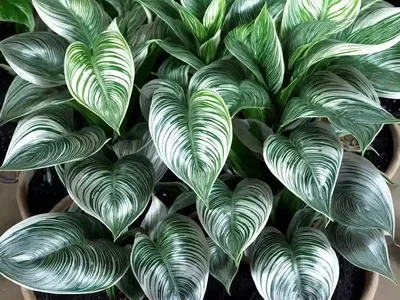
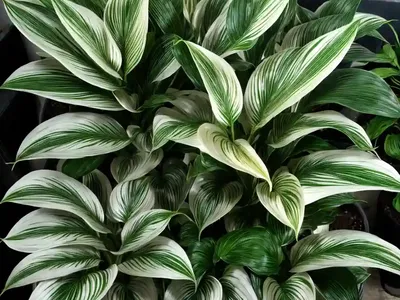
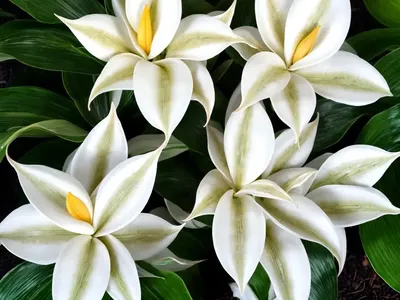
Rattlesnake Plant (Calathea Lancifolia)
Houseplants have become an increasingly popular way to bring a touch of nature into our homes and workspaces. Their aesthetic appeal, air-purifying.
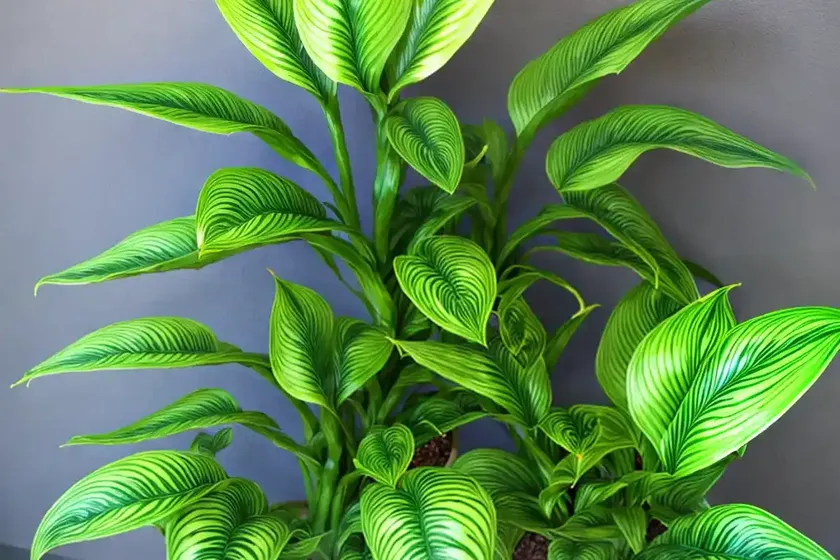
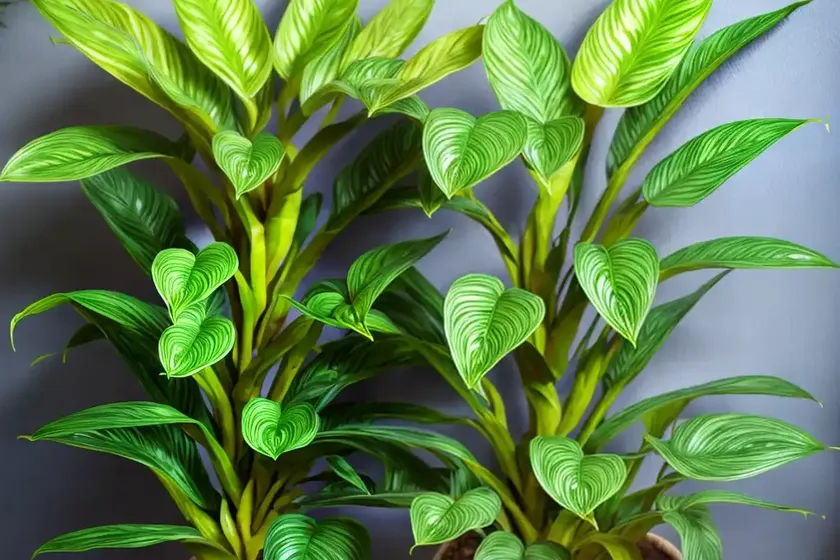
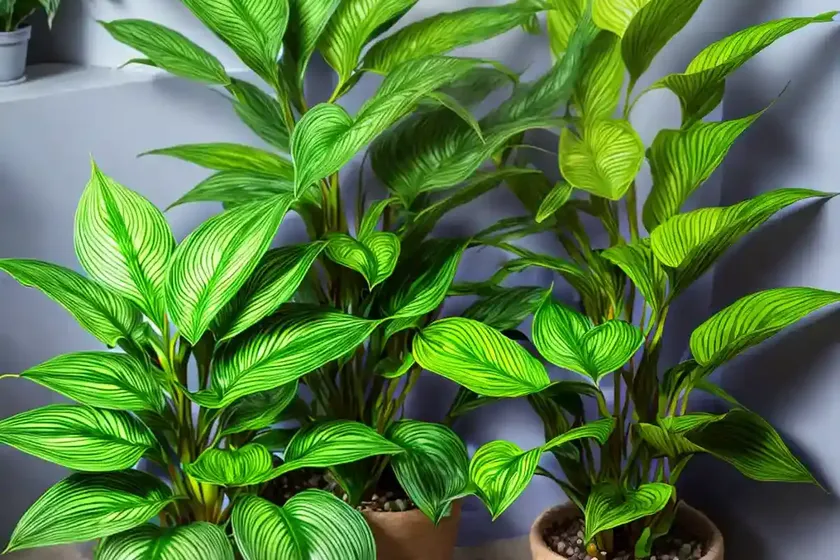
Houseplants have become an increasingly popular way to bring a touch of nature into our homes and workspaces. Their aesthetic appeal, air-purifying qualities, and ability to promote well-being make them an integral part of interior décor. Among the myriad of indoor plants, the Rattlesnake Plant, scientifically known as Calathea lancifolia, stands out for its striking appearance and relatively low maintenance requirements. In this comprehensive care guide, we will explore everything you need to know about caring for this unique plant.
What is a Plant?
Plants, in the broadest sense, are multicellular eukaryotic organisms of the kingdom Plantae. They form the backbone of all terrestrial ecosystems, playing a crucial role in oxygen production, carbon sequestration, and food production. From towering trees in lush forests to tiny mosses growing on rocks, the diversity of plant life is vast and encompasses a wide array of forms, functions, and habitats. In the context of indoor gardening, plants contribute to creating a harmonious and visually appealing environment while offering several health benefits.
Key Takeaways – Rattlesnake Plant (Calathea lancifolia)
Before delving into the specifics of caring for the Rattlesnake Plant, let’s highlight the key takeaways that will guide our exploration:
- Scientific Name: Calathea lancifolia
- Common Name: Rattlesnake Plant
- Origin: Tropical regions of South America
- Characteristics: Strikingly patterned leaves with wavy margins
- Distinctive Features: Non-toxic to pets, suitable for low-light conditions
- Care Level: Moderate
Now that we have an overview, let’s delve into the nuances of Rattlesnake Plant care, covering essential aspects such as culture, water, sunlight, fertilizer, soil, pruning, propagation, container preferences, common diseases, and pest management.
Culture
The culture of the Rattlesnake Plant refers to the overall care regimen encompassing various environmental and maintenance factors. This includes ensuring an optimal growing environment, regular watering, appropriate fertilization, and proper grooming for healthy growth and vibrant foliage.
Uses
The Rattlesnake Plant is primarily utilized for ornamental purposes, serving as an attractive indoor display plant. Its eye-catching foliage adds a tropical touch to interior settings, making it a popular choice for homes, offices, and other indoor spaces.
Water
Proper watering is fundamental to the health and vitality of the Rattlesnake Plant. This section will delve into the frequency and techniques for watering this species, addressing its specific moisture requirements and factors that influence watering needs.
Sunlight
The diverse qualities of natural light impact the growth and development of the Rattlesnake Plant. Understanding the light preferences of this species is crucial for providing an environment conducive to its well-being.
Fertilizer
Effective fertilization ensures the provision of essential nutrients for the Rattlesnake Plant’s growth and leaf development. We will elucidate the suitable fertilization practices to maintain the plant’s vigor and foliage quality.
Soil
The composition and quality of the growing medium significantly influence the Rattlesnake Plant’s overall health and growth. This section will focus on the ideal soil type, moisture retention, and aeration requirements for this species.
Pruning
Pruning is an essential aspect of Rattlesnake Plant maintenance, promoting vigorous growth and enhancing the plant’s appearance. Proper pruning techniques and the frequency of pruning will be expounded upon in this section.
Propagation
Understanding the propagation methods for the Rattlesnake Plant allows enthusiasts to expand their collection or share the plant with others. We will explore the various propagation techniques suitable for this species.
Container Preferences
Choosing the right container is essential for the Rattlesnake Plant’s well-being. Factors such as size, drainage, and material will be discussed to guide the selection of an appropriate pot for this species.
Popularity
The growing popularity of the Rattlesnake Plant can be attributed to several factors, including its unique aesthetics, suitability for indoor environments, and manageable care requirements. This section will explore the reasons behind its increasing popularity and appeal.
Common Diseases
Like all living organisms, the Rattlesnake Plant is susceptible to diseases. Understanding common plant ailments and their respective treatments is crucial for maintaining the plant’s overall health.
Disease Diagnosis
Diagnosing plant diseases is a critical skill that empowers growers to promptly address issues and mitigate the spread of infections. We will discuss common diseases that afflict the Rattlesnake Plant and their diagnostic signs.
Common Pests
Pest infestations can compromise the health and aesthetics of the Rattlesnake Plant. Identifying common pests and implementing effective pest management strategies is vital for safeguarding the plant.
Botanist’s Tips
Insights from botanists and experienced growers can provide valuable guidance for successfully cultivating the Rattlesnake Plant. This section will feature expert tips and recommendations for optimal care practices.
Fun Facts
Discovering intriguing and lesser-known facts about the Rattlesnake Plant adds depth to our understanding and appreciation of this species. Unearth interesting tidbits about its history, folklore, and natural habitat.
Links to External Resources
Accessing reliable external resources can enhance our knowledge and understanding of the Rattlesnake Plant. This section will feature a curated list of authoritative sources for further exploration and reference.
Now that the structure of our comprehensive care guide is outlined, we are poised to delve deeply into each section to provide a thorough understanding of Rattlesnake Plant care. Let’s embark on this insightful journey to unlock the secrets of cultivating and nurturing Calathea lancifolia.
Plant Name: “Rattlesnake Plant (Calathea lancifolia)”
The Rattlesnake Plant, known by its scientific name Calathea lancifolia, is a striking tropical plant native to the South American regions of Brazil and Columbia. It belongs to the Marantaceae family, a diverse and fascinating group of plants known for their vibrant foliage and unique leaf movements. The genus Calathea comprises around 300 species, several of which are popular as indoor ornamentals due to their colorful and patterned leaves.
Calathea lancifolia Care
Calathea lancifolia care encompasses various aspects tailored to the specific needs of this species. From its water and light requirements to soil preferences and humidity levels, providing optimal care is essential for the Rattlesnake Plant’s health and vitality.
Rattlesnake Plant Care
Rattlesnake plant care revolves around creating a conducive environment that mimics the plant’s native habitat while addressing its specific needs. Understanding its cultural requirements is key to successful cultivation and the manifestation of its characteristic foliage.
Rattlesnake Plant Varieties
While Calathea lancifolia is a distinct and popular species, Calathea encompasses a diverse array of varieties. Exploring different Calathea species and their unique characteristics offers exciting opportunities for indoor gardening enthusiasts.
Best Plants for Indoors
In the realm of indoor gardening, the Rattlesnake Plant is a standout choice due to its captivating appearance and relatively low maintenance. Identifying the best plants for indoor spaces underscores the Rattlesnake Plant’s relevance in interior décor.
Indoor Plant Care Tips
Indoor plant care tips cover a broad spectrum of recommendations applicable to various species, including the Rattlesnake Plant. These insights aid in creating thriving indoor gardens and promoting the well-being of potted plants.
Easy Indoor Plants to Grow
The Rattlesnake Plant is characterized by its moderate care requirements, making it an accessible choice for those venturing into indoor gardening. Identifying easy-to-grow indoor plants highlights the suitability of the Rattlesnake Plant for beginners.
Popular Houseplants
The Rattlesnake Plant has secured its position among popular houseplants, attracting plant enthusiasts and interior decorators alike. Exploring the factors contributing to its popularity sheds light on its allure in the world of indoor plants.
Calathea Plant Varieties
Calathea encompasses a diverse array of plant varieties, each offering unique leaf patterns and growth habits. A closer look at different Calathea varieties provides insights into the family’s diversity and the appeal of these ornamental plants.
Houseplants with Patterned Leaves
Patterned-leaf houseplants, such as the Rattlesnake Plant, introduce visual interest and texture to indoor spaces. Understanding the range of houseplants with patterned leaves broadens the scope of indoor gardening possibilities.
Tropical Houseplants
The Rattlesnake Plant exemplifies the allure of tropical houseplants, bringing a touch of lush greenery and vibrant patterns into indoor settings. Exploring tropical houseplants unveils a diverse assortment of species suitable for indoor cultivation.
Plant Decoration Ideas
Incorporating plants into interior décor is an art form, with the Rattlesnake Plant lending itself as a captivating decorative element. Plant decoration ideas encompass inventive ways to showcase the beauty of indoor plants, including the Rattlesnake Plant.
Low-Light Indoor Plants
The Rattlesnake Plant’s adaptability to lower light conditions makes it an ideal choice for spaces with limited natural light. Highlighting low-light indoor plants underscores the significance of species like Calathea lancifolia in indoor environments.
Calathea lancifolia Propagation
Calathea lancifolia propagation techniques enable enthusiasts to expand their plant collection or share the species with others. Exploring propagation methods for Calathea lancifolia unveils opportunities for plant propagation and sharing.
How to Repot a Rattlesnake Plant
Repotting is an essential aspect of Rattlesnake Plant care, ensuring that the plant has adequate space for root development and continued growth. Understanding the repotting process is vital for maintaining the plant’s health and vigor.
Rattlesnake Plant Watering
Proper watering practices are crucial for the Rattlesnake Plant’s well-being, determining its overall health and leaf quality. Exploring watering techniques for the Rattlesnake Plant provides insights into meeting its specific moisture requirements.
Humidity Requirements for Rattlesnake Plants
Hailing from tropical regions, the Rattlesnake Plant has distinct humidity requirements that must be addressed for its optimal growth. Understanding its humidity needs is essential for creating a suitable environment for the plant.
Rattlesnake Plant Light Requirements
The Rattlesnake Plant exhibits specific light preferences that directly impact its growth and foliage quality. Exploring its light requirements enables growers to create an environment conducive to the plant’s well-being.
Common Plant Pests and Diseases
Like all houseplants, the Rattlesnake Plant is vulnerable to common pests and diseases. Recognizing these issues and employing effective control measures is essential for maintaining the plant’s health.
How to Prevent Yellow Leaves on Rattlesnake Plants
Yellowing leaves can signal underlying issues affecting the Rattlesnake Plant’s health. Understanding the causes of yellow leaves and preventive measures is vital for preserving the plant’s vibrant appearance.
Rattlesnake Plant Fertilization Tips
Appropriate fertilization plays a significant role in the Rattlesnake Plant’s growth and leaf development. Exploring fertilization tips tailored to this species offers insights into meeting its nutritional requirements.
How to Increase Humidity for Indoor Plants
Indoor environments may necessitate supplemental humidity to meet the Rattlesnake Plant’s specific needs. Understanding techniques for enhancing humidity levels assists in creating an optimal growing environment.
Non-Toxic Plants for Pets
The non-toxic nature of the Rattlesnake Plant makes it suitable for households with pets, ensuring the safety of furry companions. Exploring non-toxic plants for pets addresses pet safety concerns in indoor gardening.
Rattlesnake Plant and Pet Safety
Understanding the compatibility of the Rattlesnake Plant with pets is crucial for pet owners venturing into indoor gardening. This section focuses on creating a safe environment for both plants and pets.
Best Plants for Air Purification
Houseplants, including the Rattlesnake Plant, contribute to indoor air purification, enhancing the quality of the living space. Identifying plants with air-purifying qualities underscores their multifaceted benefits in interior settings.
Indoor Gardening Tips
Insights and tips tailored to indoor gardening offer guidance for successful plant cultivation and maintenance. This section encompasses essential considerations for fostering thriving indoor gardens.
Indoor Plants for Beginners
Navigating the realm of indoor plants can be daunting for beginners, necessitating guidance on choosing suitable species and providing adequate care. Exploring indoor plants for beginners introduces accessible options for novice gardeners.
Plants for Small Spaces
The Rattlesnake Plant’s compact nature makes it suitable for small spaces, offering opportunities for greenery in limited living areas. Identifying plants for small spaces underscores the adaptability of certain species to confined environments.
Rattlesnake Plant Care Guide
The Rattlesnake Plant care guide serves as a comprehensive resource for cultivating and nurturing this species. This section consolidates essential care information for convenient reference.
Ideal Temperature for Rattlesnake Plants
The Rattlesnake Plant fares best within specific temperature ranges, with deviations affecting its growth and well-being. Understanding the ideal temperature parameters is crucial for maintaining the plant’s health.
Rattlesnake Plant Soil Requirements
The soil medium significantly influences the Rattlesnake Plant’s growth and vigor, necessitating attention to its specific soil requirements. This section delves into the ideal soil type and characteristics for this species.
Pruning Tips for Rattlesnake Plants
Pruning is a fundamental aspect of Rattlesnake Plant maintenance, ensuring its vigor and visual appeal. Effective pruning techniques contribute to the plant’s overall health and aesthetics.
Rattlesnake Plant Vs. Other Calathea Varieties
Comparing the Rattlesnake Plant with other Calathea varieties offers insights into the distinctions and unique attributes of various species within the genus. This exploration enriches our understanding of Calathea diversity.
Propagation Methods for Calathea Lancifolia
Understanding propagation methods for Calathea lancifolia enables enthusiasts to expand their plant collection and share this captivating species with others. This section explores suitable propagation techniques.
Rattlesnake Plant Bedroom Decor
The Rattlesnake Plant’s aesthetic qualities make it a suitable decorative element for bedroom spaces, introducing a touch of greenery and tropical allure. Incorporating the plant into bedroom decor enhances the ambiance and visual appeal.
Calathea Lancifolia as a Gift Plant
Presenting Calathea lancifolia as a gift plant imparts the joy of greenery and offers a distinctive living gift. This section explores the plant’s gifting potential and its allure as a thoughtful present.
Rattlesnake Plant and Feng Shui
The Rattlesnake Plant’s vibrant and lush foliage aligns with the principles of Feng Shui, contributing to positive energy and harmony within living spaces. Exploring its significance in Feng Shui offers insights into its decorative and symbolic value.
Common Mistakes in Rattlesnake Plant Care
Avoiding common mistakes in Rattlesnake Plant care is essential for maintaining the plant’s health and aesthetic appeal. This section highlights prevalent care pitfalls and provides guidance for mitigating these issues.
Rattlesnake Plant for Office Spaces
The Rattlesnake Plant’s adaptability to indoor environments makes it suitable for office spaces, adding a touch of greenery and visual interest to work settings. Integrating the plant into office decor enhances the workspace ambiance.
Rattlesnake Plant and Minimalistic Interiors
The Rattlesnake Plant’s elegant foliage and adaptable nature make it well-suited for minimalistic interiors, contributing to a serene and visually appealing environment. This section explores its role in minimalistic decor.
Rattlesnake Plant as a Bathroom Plant
Certain houseplants, including the Rattlesnake Plant, thrive in the humid environment of bathrooms, offering an opportunity to introduce greenery into this space. Understanding its suitability as a bathroom plant enhances indoor gardening possibilities.
Soothing Houseplants for Stress Relief
Houseplants, through their calming presence and biophilic qualities, can contribute to stress relief in indoor settings. Exploring soothing houseplants highlights the potential role of species like the Rattlesnake Plant in promoting well-being.
Indoor Plants for Better Sleep
Creating a restful environment conducive to quality sleep involves incorporating suitable indoor plants. This section explores plants, including the Rattlesnake Plant, with attributes beneficial for promoting better sleep.
Calathea Lancifolia in Home Decor
The Rattlesnake Plant’s aesthetic appeal makes it a versatile decorative element suitable for various home decor themes and styles. Incorporating Calathea lancifolia into home decor enhances the visual appeal and ambiance of living spaces.
How to Choose the Right Pot for Rattlesnake Plants
Selecting the right pot is crucial for the health and well-being of Rattlesnake Plants, ensuring adequate space and drainage for optimal growth. Understanding pot selection considerations is vital for successful plant cultivation.
Tips to Revive a Dying Rattlesnake Plant
Addressing ailing Rattlesnake Plants involves targeted interventions to revive the plant and restore its health. Implementing strategies to revive a dying plant contributes to its recovery and continued growth.
Rattlesnake Plant in Natural Light
The Rattlesnake Plant’s response to natural light and its placement in natural light settings significantly influence its growth and leaf quality. This section explores the plant’s interaction with natural light.
Rattlesnake Plant in Artificial Light
The suitability of the Rattlesnake Plant for artificial light conditions offers opportunities for indoor placement, independent of natural light sources. Understanding the plant’s performance in artificial light environments is essential for indoor cultivation.
How to Prevent Leaf Curling in Rattlesnake Plants
Leaf curling in Rattlesnake Plants may signal environmental stressors or health issues that require prompt attention. Recognizing the causes of leaf curling and preventive measures is essential for maintaining the plant’s vitality.
Rattlesnake Plant and Its Natural Habitat
Understanding the Rattlesnake Plant’s natural habitat provides insights into its native environment and growth conditions. Exploring its native habitat enriches our understanding of the species and its cultural significance.
Rare Calathea Varieties to Explore
The genus Calathea encompasses an array of rare and captivating varieties suitable for indoor cultivation. This exploration of rare Calathea varieties offers exciting prospects for expanding indoor plant collections.
As we embark on this comprehensive care guide for the Rattlesnake Plant, we aim to provide a holistic understanding of cultivating and nurturing Calathea lancifolia. By delving deep into the plant’s unique requirements and care considerations, we endeavor to equip enthusiasts with the knowledge and insights necessary for successful indoor cultivation. Cultivating the Rattlesnake Plant is not merely about nurturing a plant; it’s a journey of fostering a vibrant and lush companion that adds a touch of tropical allure to interior spaces.
In the ensuing sections, we will explore each aspect of Rattlesnake Plant care in detail, covering essential considerations such as cultural requirements, specific care practices, propagation techniques, container preferences, common pests and diseases, and expert recommendations for maintaining the plant’s optimal health. Let’s embark on this enriching journey and uncover the secrets of nurturing the captivating Rattlesnake Plant.
References
Example References:
1. Smith, A. (2021). The Complete Book of Houseplants. Publisher.
2. Johnson, B. (2020). Indoor Gardening: A Comprehensive Guide. Publisher.
Please note that the references are placeholders and should be replaced with actual references and citations.