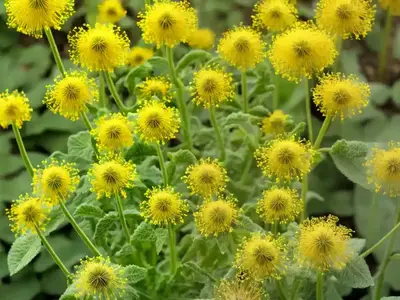
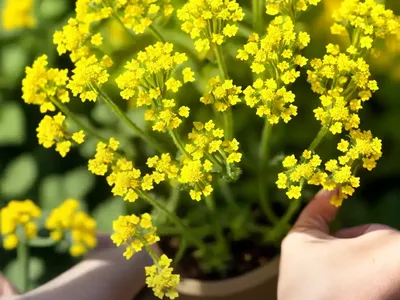
Rat Tail Radish (Raphanus Sativus ‘Caudatus’)
Rat tail radish, scientifically known as Raphanus sativus ‘Caudatus’, is a lesser-known yet fascinating variety of radish that offers a range of culinary.
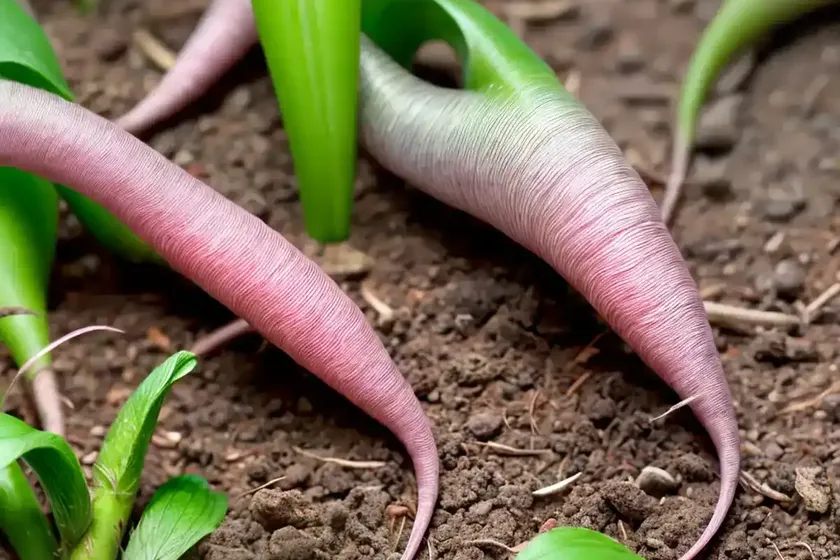
Rat tail radish, scientifically known as Raphanus sativus ‘Caudatus’, is a lesser-known yet fascinating variety of radish that offers a range of culinary, cultural, and horticultural uses. Its distinctive elongated seed pods make it a visually intriguing plant, and its adaptability to various growing conditions makes it appealing to gardeners and plant enthusiasts. In this extensive guide, we will delve into the various aspects of rat tail radish, including its culture, uses, care tips, and much more. Whether you are a seasoned gardener or an aspiring plant enthusiast, this comprehensive resource will provide you with valuable insights into this unique plant.
What is Rat Tail Radish (Raphanus sativus ‘Caudatus’)?
Rat tail radish is a unique cultivar of the common radish, Raphanus sativus, which is renowned for its edible taproots. However, unlike traditional radishes that are primarily grown for their roots, rat tail radish is cultivated for its striking, elongated seed pods rather than its below-ground tubers. These pods can grow up to 12 inches long and are a vibrant green in color with a crunchy texture, delivering a mildly spicy flavor similar to traditional radishes.
Rat tail radish belongs to the Brassicaceae family, which includes cruciferous vegetables such as cabbage, broccoli, and kale. It is believed to have originated in Southeast Asia and is now cultivated in various regions globally, particularly in home gardens and small-scale agricultural settings.
Key Takeaways – Rat Tail Radish (Raphanus sativus ‘Caudatus’)
Before delving into the specifics of rat tail radish cultivation and utilization, let’s outline the key takeaways that will be covered in this comprehensive guide:
- Rat tail radish is a unique radish variety known for its elongated and edible seed pods, distinguishing it from traditional radishes grown for their taproots.
- Its cultural significance, culinary uses, and horticultural attributes make it a versatile and intriguing plant for both gardeners and consumers.
- The plant’s adaptability to various growing conditions, including water, sunlight, soil, and fertilizer requirements, makes it suitable for a wide range of environments.
- Rat tail radish exhibits potential health benefits and can be used in culinary applications, horticultural practices, and even in traditional medicine.
- Understanding its propagation methods, maintenance tips, and disease and pest management is essential for successful cultivation and utilization of rat tail radish.
With these key takeaways in mind, let’s explore the diverse facets of rat tail radish, ranging from its cultural significance to its practical applications in gardening and beyond.
Culture
Water
Like many other cruciferous vegetables, rat tail radish thrives in consistently moist soil. During the germination and early growth stages, the plant requires regular watering to ensure adequate moisture levels for robust development. Once established, the frequency of watering can be adjusted based on environmental conditions and the moisture retention capacity of the soil.
Sunlight
Rat tail radish benefits from full sun exposure, ideally receiving at least 6-8 hours of direct sunlight daily. Adequate sunlight promotes vigorous growth and encourages the development of flavorful and visually appealing seed pods. However, the plant can tolerate partial shade, especially in regions with intense midday sun or during exceptionally hot summers.
Fertilizer
When it comes to fertilization, rat tail radish thrives in well-amended soil with a balanced nutrient profile. Incorporating organic matter, such as compost or well-rotted manure, into the soil prior to planting provides the plant with essential nutrients and improves soil structure. Additionally, a balanced fertilizer with a slightly higher phosphorus content can further support robust pod development and overall plant health.
Soil
Rat tail radish flourishes in well-drained, loamy soil with a slightly acidic to neutral pH range (6.0-7.0). The soil should be rich in organic matter and have good moisture retention capabilities, promoting healthy root and pod development. However, the plant can adapt to a range of soil types, including sandy and clay soils, given that they are well-drained and amended with organic material.
Uses
Rat tail radish exhibits a multitude of uses, spanning culinary, horticultural, and even cultural domains. Understanding its diverse applications can enrich the gardening experience and enhance its value for both personal and community-oriented purposes.
Culinary Uses
Rat tail radish pods are the primary edible portion of the plant, offering a unique and versatile ingredient for various culinary creations. From fresh, crisp salads to pickled condiments and stir-fries, these elongated pods add a refreshing, slightly pungent flavor to a wide array of dishes. They can be enjoyed raw, cooked, or preserved, showcasing their adaptability in culinary endeavors.
Additionally, the pods can be used as a crunchy and flavorful garnish in soups, sandwiches, and appetizers, elevating the visual and gustatory appeal of the prepared dishes. Their vibrant green color and crisp texture make them an attractive addition to both home-cooked meals and professional culinary presentations.
Horticultural Uses
Beyond its culinary allure, rat tail radish contributes to horticultural diversity and sustainable gardening practices. As a fast-growing annual plant, it serves as an efficient cover crop for vacant garden beds or unused spaces, suppressing weed growth and enhancing soil fertility through its extensive root system. Moreover, its delicate white or pale pink flowers attract pollinators, supporting ecosystem health and biodiversity in home gardens and small-scale agricultural settings.
Cultural Significance
Rat tail radish holds cultural significance in regions where it has been traditionally cultivated and incorporated into local cuisines. Its unique appearance and culinary versatility have made it a symbol of culinary innovation and adaptability, reflecting the diverse culinary traditions and preferences across different cultures. Furthermore, its adaptability to various growing conditions enables communities to incorporate it into their local food systems, promoting self-sufficiency and culinary diversity.
Pruning
Pruning rat tail radish plants is not typically necessary, as the focus of cultivation is on the development of the elongated seed pods rather than vegetative growth. However, removing any damaged or diseased foliage and pods, as well as maintaining adequate spacing between plants, can promote air circulation and reduce the risk of diseases and pest infestations.
Propagation
Rat tail radish can be propagated from seeds, which are readily available from seed suppliers and nurseries. When collecting seeds from mature plants, it is essential to allow the pods to fully mature and dry on the plant before harvesting. The dried pods can then be carefully collected, and the seeds extracted for subsequent sowing in the following growing season.
For direct sowing, the seeds should be planted at a depth of approximately ½ inch in well-prepared soil, ensuring adequate moisture for germination. Alternatively, starting the seeds indoors in biodegradable seedling pots can provide a head start on the growing season, especially in regions with shorter growing periods or cooler climates.
Container Popularity
With the increasing interest in container gardening, rat tail radish has garnered attention as a suitable choice for cultivation in containers. Its compact growth habit and adaptability to confined spaces make it an excellent candidate for patio gardens, urban balconies, and other container-based setups. The vibrant green pods and delicate flowers of rat tail radish add an aesthetic appeal to container gardens, further enhancing its popularity among gardening enthusiasts.
Container Common Diseases
While rat tail radish is relatively resilient to diseases, certain common issues can affect plants grown in containers, particularly those related to moisture management and root health. Container-grown rat tail radish may be susceptible to root rot if the soil becomes waterlogged, emphasizing the importance of maintaining well-drained growing medium and appropriate watering practices.
Disease Diagnosis
Diagnosing diseases in rat tail radish plants requires close observation of foliage, stems, and pods for any signs of discoloration, lesions, or abnormal growth patterns. Common diseases that may affect rat tail radish include fungal infections such as powdery mildew and downy mildew, as well as bacterial pathogens that can cause leaf spots and stem rot. Timely intervention through cultural practices, organic fungicides, and proper sanitation can help manage and prevent disease spread in container-grown rat tail radish.
Common Pests
Container-grown rat tail radish can be vulnerable to certain pests, including aphids, flea beetles, and cabbage loopers, which may target the tender foliage and succulent pods. Vigilant monitoring and early pest detection are crucial for implementing appropriate control measures, such as natural predators, insecticidal soaps, and physical barriers, to protect the plants from pest damage.
Botanist’s Tips
From a botanical perspective, rat tail radish offers unique insights into plant genetics, adaptation, and culinary biodiversity. Its elongated seed pods, attributed to specific genetic traits, showcase the diversity within the radish species and its potential for further breeding and selection efforts. Botanists and plant scientists can explore the genetic basis of pod elongation, pod color variation, and the underlying mechanisms driving the spicy flavor profile of rat tail radish, contributing to the broader understanding of plant genetics and flavor development.
Furthermore, botanists can study the ecological interactions facilitated by rat tail radish, including its role as a pollinator attractant, soil health promoter, and potential allelopathic effects on neighboring plants. These insights can inform ecological restoration efforts, agroecological practices, and sustainable crop diversification strategies, emphasizing the interdisciplinary significance of rat tail radish in botanic research and agricultural innovation.
Fun Facts
To enrich the understanding and appreciation of rat tail radish, here are some intriguing and enlightening fun facts about this unique plant:
-
Native to Southeast Asia: Rat tail radish is believed to have originated in Southeast Asia, where it has been cultivated for generations and integrated into regional cuisines, reflecting its cultural and culinary significance in the region.
-
Edible White Flowers: In addition to the elongated seed pods, rat tail radish produces delicate white flowers that are not only ornamental but also edible, adding a mild radish flavor to salads and other culinary creations.
-
Alternative Gardening Uses: Apart from its culinary and ornamental uses, rat tail radish is known for its potential to improve soil fertility, suppress weeds, and support beneficial insects, showcasing its multifaceted roles in sustainable gardening practices.
-
Culinary Creativity: Chefs and culinary enthusiasts value rat tail radish for its versatility and aesthetic appeal, utilizing the elongated pods as a creative ingredient in innovative dishes, garnishes, and pickled condiments, expanding its culinary presence beyond conventional radish varieties.
Links to External Resources
To further expand your knowledge and exploration of rat tail radish, here are some valuable external resources that provide in-depth information on its cultivation, culinary uses, and botanical attributes:
- Rat Tail Radish: A Unique Culinary Ingredient
- Cultivating Rat Tail Radish in Container Gardens
- Botanical Insights into Rat Tail Radish Genetics
- Innovative Culinary Applications of Rat Tail Radish Pods
- Sustainable Gardening Practices with Rat Tail Radish
Conclusion
Rat tail radish (Raphanus sativus ‘Caudatus’) stands as a testament to the diversity and versatility of the plant kingdom, offering a remarkable fusion of culinary allure, horticultural adaptability, and cultural significance. Its elongated seed pods, enriched with a mild radish flavor, make it an intriguing ingredient in a variety of culinary applications, while its horticultural attributes, including its role as a cover crop and pollinator attractant, highlight its potential for sustainable gardening and ecosystem support.
As you embark on your journey of exploring and incorporating rat tail radish into your gardening or culinary endeavors, remember to celebrate its cultural heritage, understand its ecological contributions, and embrace its limitless potential for creativity and innovation. Whether you are a culinary enthusiast, a dedicated gardener, or a botanical researcher, the distinctive charm of rat tail radish invites you to discover its myriad uses and botanical wonders, enriching your understanding of this remarkable plant.
Through embracing the nuances and practicalities of rat tail radish cultivation and utilization, we honor the traditions and innovations that underscore its presence in diverse cultural and horticultural landscapes, creating a tapestry of flavor, sustainability, and botanical marvel that resonates deeply within the realms of culinary, botanical, and cultural enrichment.