Ramie (Boehmeria Nivea)
Ramie, scientifically known as Boehmeria Nivea, is an ancient plant that holds great significance in various cultures and industries due to its versatile.
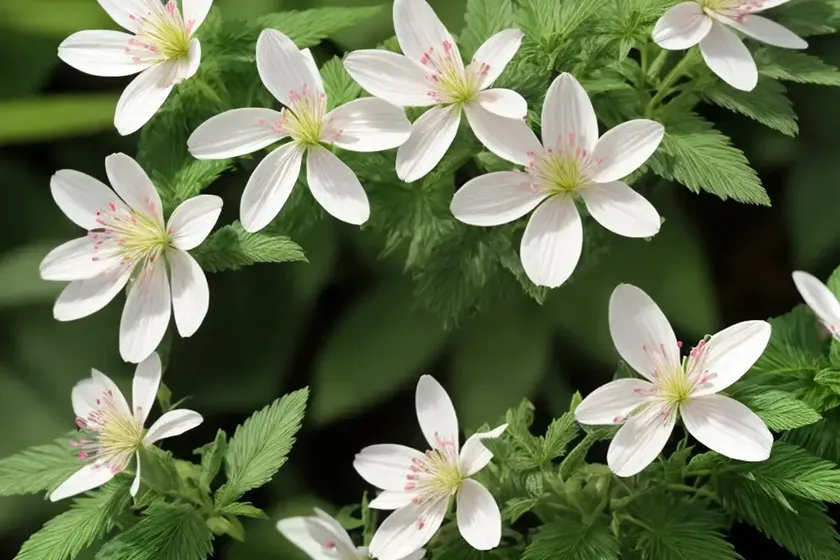
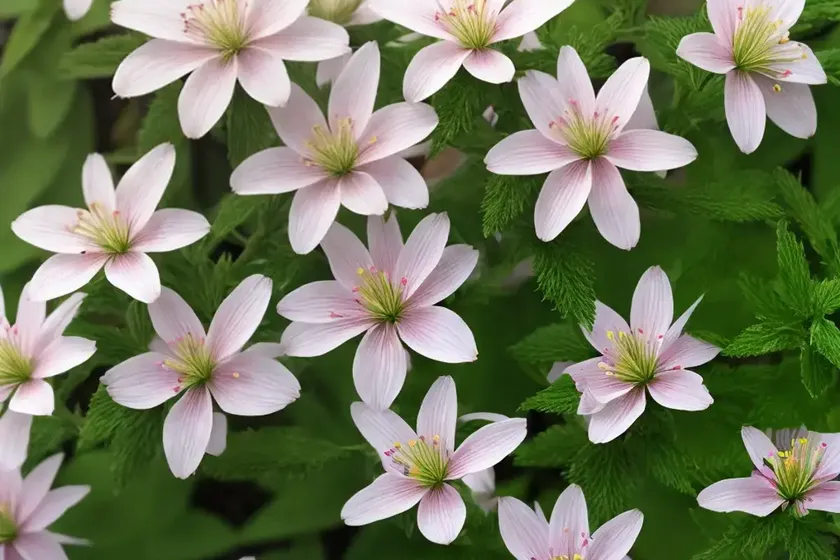
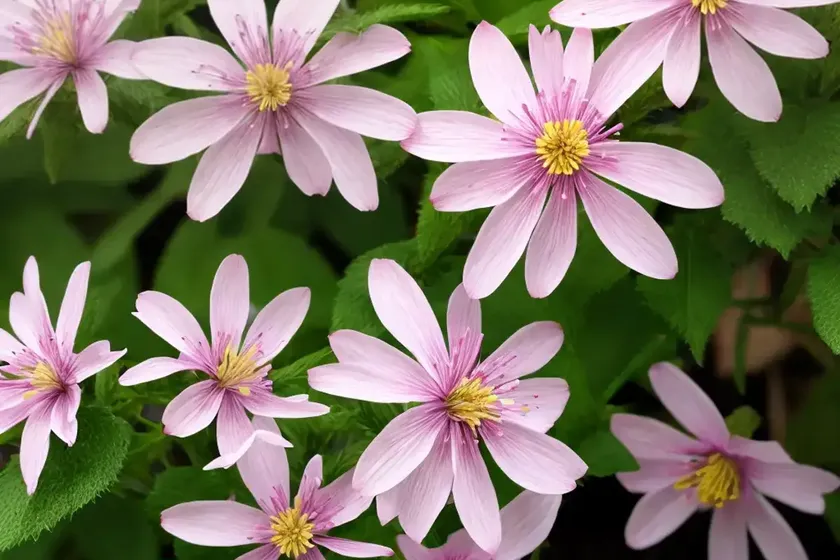
Ramie, scientifically known as Boehmeria Nivea, is an ancient plant that holds great significance in various cultures and industries due to its versatile nature. This article aims to delve into the intricacies of Ramie, exploring its cultivation, properties, uses, and ecological importance. You’ll gain a comprehensive understanding of this remarkable plant, including its benefits, characteristics, and the various ways it can be utilized.
What is Ramie (Boehmeria Nivea)?
Ramie, belonging to the nettle family (Urticaceae), is a flowering plant native to eastern Asia. It is recognized for the exceptional quality of its fiber, which has been utilized for thousands of years in textile production. The plant thrives in warm and humid climates, and its ability to grow on various soil types makes it an attractive crop for cultivation.
Key Takeaways – Ramie (Boehmeria Nivea)
-
Boehmeria Nivea benefits: The plant offers a sustainable source of industrial fiber, contributes to soil improvement, and has potential medicinal uses.
-
Uses of Ramie plant: Its fiber is extensively used in textile production, and the plant has also found applications in traditional medicine, crafts, and as a source of natural dye.
-
Ramie cultivation: Cultivation of Ramie involves specific requirements regarding water, sunlight, soil, and fertilizer, all of which contribute to the plant’s growth and fiber quality.
-
Boehmeria Nivea properties: The plant possesses robust fibers, and its growth contributes to biodiversity, erosion control, and wildlife habitat.
-
Ramie plant facts: Ramie has a rich history, is among the oldest fiber crops, and holds ecological and economic importance.
-
Ramie fiber quality: The plant’s fibers are durable, lustrous, and have excellent dye affinity, making them valuable in the textile industry.
-
Boehmeria Nivea in the textile industry: Ramie fiber is used to produce high-quality textiles, contributing to sustainable and eco-friendly fashion.
-
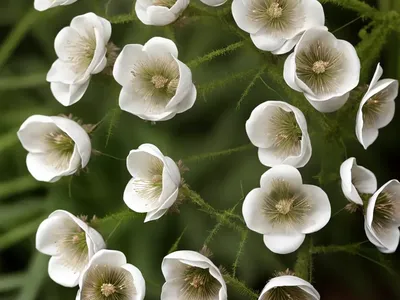
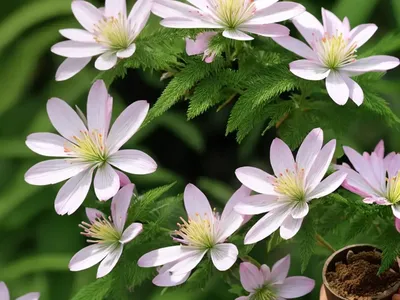
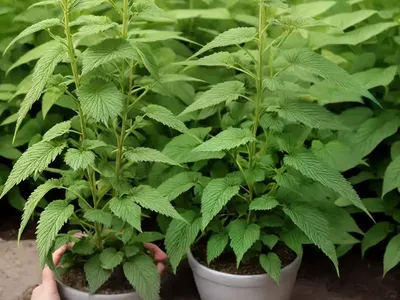
Ramie plant characteristics: The plant exhibits rapid growth, and its leaves are heart-shaped with serrated edges, contributing to its aesthetic appeal.
-
Boehmeria Nivea medicinal uses: Although not extensively studied, Ramie has potential medicinal properties, including its application in traditional medicine.
-
Ramie plant care: Proper care involves ensuring adequate water, sunlight, and soil conditions, along with pest and disease management.
Culture
Understanding the cultural significance of Ramie provides insights into its historical uses and its continued relevance in modern societies.
Ramie in Traditional Clothing
In various cultures, Ramie has been an integral part of traditional clothing due to the exceptional quality of its fibers. Clothing made from Ramie offers comfort, breathability, and a luxurious appearance, making it a preferred choice in warm climates. The plant’s fibers hold dyes well and are often used in the production of vibrant and long-lasting textiles, contributing to the cultural identity and textile heritage of different regions.
Ramie in Crafts and Traditional Medicine
Beyond its significance in clothing, Ramie has been utilized in crafts, including basket weaving and the production of decorative items. Moreover, the plant holds potential in traditional medicine, with its leaves and fibers being explored for their medicinal properties. Ramie’s historical use in natural remedies serves as a testament to its versatile nature and the diverse ways it can benefit human society.
Uses
Ramie’s uses encompass a wide range of applications, from textile production to soil improvement, showcasing its remarkable versatility and ecological significance.
Textile Industry
The primary use of Ramie lies in its fiber, which is obtained from the plant’s stem bark through a series of processing steps. Ramie fibers are extensively used in textile production, contributing to the creation of high-quality fabrics and garments. The fibers exhibit exceptional strength, durability, and luster, making them suitable for a variety of textiles, including clothing, home furnishings, and industrial materials. Additionally, Ramie’s ability to hold dyes well enhances the vibrancy and longevity of colored textiles, further augmenting its value in the textile industry.
Soil Improvement and Biodiversity
Ramie’s cultivation contributes to soil improvement, as the plant’s extensive root system aids in erosion control and soil stabilization. Furthermore, Ramie cultivation can enhance soil fertility through the incorporation of organic matter and improved microbial activity. The plant’s growth also contributes to biodiversity by providing a favorable habitat for various organisms, enriching the ecological landscape and supporting environmental sustainability.
Traditional Crafts and Natural Dyes
The plant’s fibers are utilized in traditional crafts, including the production of baskets, mats, and decorative items. Additionally, Ramie serves as a source of natural dyes, offering an eco-friendly alternative for coloring textiles and other materials. The rich and diverse colors obtained from Ramie contribute to the preservation of traditional dyeing techniques and the creation of unique, sustainable products.
Medicinal and Nutritional Applications
While Ramie’s medicinal uses are not as extensively explored as its other applications, the plant holds potential in traditional medicine. Various parts of the plant, including its leaves and fibers, are being studied for their medicinal properties, indicating the diverse avenues through which Ramie can benefit human health. Furthermore, Ramie may offer nutritional value, potentially serving as a source of dietary fiber or other beneficial compounds, contributing to holistic well-being.
Water
Proper water management is crucial for the successful cultivation of Ramie, ensuring optimal growth and fiber quality.
Water Requirements
Ramie thrives in moist conditions and requires regular watering, especially during the initial stages of growth and throughout the growing season. Adequate soil moisture is essential for the plant’s vitality and the development of its fibers. However, it is important to avoid waterlogging, as excessive moisture can lead to detrimental effects on the plant’s roots and overall health. Implementing efficient irrigation practices and monitoring soil moisture levels are essential for maximizing Ramie’s water utilization and promoting its vigorous growth.
Sunlight
Understanding the sunlight requirements of Ramie is essential for creating suitable growing conditions and optimizing the plant’s productivity.
Sunlight Needs
Ramie thrives in full sunlight, requiring approximately 6 to 8 hours of direct sunlight per day for robust growth and fiber production. Adequate exposure to sunlight promotes the plant’s photosynthetic activity, enabling it to harness energy for vital processes such as fiber synthesis and overall physiological development. While Ramie can tolerate partial shade, providing ample sunlight is crucial for ensuring optimal fiber quality and maximizing the plant’s yield potential.
Fertilizer
Proper fertilization practices play a key role in enhancing Ramie’s growth and fiber production, necessitating a comprehensive understanding of its nutrient requirements.
Nutrient Needs
Ramie benefits from a balanced fertilizer regimen that provides essential macro and micronutrients necessary for its development. Nitrogen, phosphorus, and potassium are particularly critical for promoting robust stem and leaf growth, as well as fostering the synthesis of high-quality fibers. Incorporating organic fertilizers or compost into the soil can contribute to the plant’s nutrient uptake and overall vitality, fostering a favorable environment for optimal fiber production. Moreover, periodic soil testing and nutrient analysis are valuable for tailoring fertilizer applications to match Ramie’s specific nutritional needs, enhancing its overall performance and fiber characteristics.
Soil
The soil composition and quality significantly impact Ramie’s growth, fiber quality, and overall productivity, necessitating strategic soil management practices.
Soil Requirements
Ramie thrives in well-drained, fertile soils with a slightly acidic to neutral pH range, typically between 6.0 and 7.5. The soil should be rich in organic matter and exhibit good moisture retention properties to support the plant’s extensive root system and promote vigorous growth. Implementing soil amendments, such as compost or organic matter, can enhance soil fertility and structure, providing an optimal foundation for Ramie cultivation. Additionally, maintaining proper soil moisture levels is essential for sustaining the plant’s health and maximizing fiber yield, highlighting the significance of soil management in achieving successful Ramie production.
Pruning
Pruning plays a crucial role in maintaining Ramie’s health and productivity, contributing to the plant’s overall vigor and fiber quality.
Pruning Techniques
Pruning Ramie involves selectively removing older or damaged stems, as well as shaping the plant to encourage lateral growth and fiber development. As the plant matures, it benefits from periodic pruning to promote air circulation, reduce disease incidence, and enhance overall fiber production. Additionally, removing excess plant material aids in optimizing sunlight penetration and facilitates the plant’s access to essential resources, ultimately supporting robust growth and the synthesis of high-quality fibers. Implementing proper pruning techniques is instrumental in maximizing Ramie’s yield potential and sustaining its long-term health and vitality.
Propagation
Understanding the propagation methods of Ramie is essential for expanding its cultivation and ensuring the genetic diversity of propagated plants.
Propagation Techniques
Ramie can be propagated through various methods, including stem cuttings and division of the plant’s rhizomes. Stem cuttings from healthy, mature plants can be utilized for propagation by rooting them in a suitable growing medium and providing conducive environmental conditions for establishment. Additionally, dividing the plant’s rhizomes allows for the generation of new Ramie clumps, contributing to the expansion of its cultivation. By employing effective propagation techniques, it is possible to propagate Ramie with success, facilitating the broader availability of this valuable plant and contributing to its conservation and utilization.
Container Popularity
Ramie’s versatility and environmental benefits have led to its increased popularity as a container plant, appealing to gardening enthusiasts and environmental advocates alike.
Container Cultivation
Growing Ramie in containers offers a practical and space-efficient approach to cultivating the plant, making it accessible to individuals with limited gardening space or those seeking to incorporate Ramie into their indoor or patio gardens. Container cultivation allows for greater control over environmental factors, such as sunlight exposure and soil composition, promoting optimal growth and fiber production. Moreover, Ramie’s aesthetic appeal and ecological contributions make it a sought-after choice for container gardening, contributing to sustainable and visually appealing garden designs.
Container Common Diseases
While Ramie is relatively resilient, it is susceptible to certain diseases that can impact its growth and fiber quality, necessitating appropriate disease management strategies.
Common Diseases
Ramie may be prone to fungal diseases, including powdery mildew and leaf spot, which can affect the plant’s foliage and overall health. Additionally, root rot caused by waterlogging or soil-borne pathogens can pose a threat to Ramie cultivation, leading to reduced vigor and fiber yield. Implementing preventive measures, such as optimizing watering practices, promoting air circulation, and employing disease-resistant cultivars, contributes to effective disease management, safeguarding the plant’s health and productivity.
Disease Diagnosis
Early detection and accurate diagnosis of diseases are critical for implementing timely and targeted management strategies to protect Ramie from potential threats.
Diagnostic Techniques
Symptom observation, including irregular leaf spots, powdery growth on leaves, or wilting, can signify the presence of common diseases in Ramie. Furthermore, conducting laboratory tests and pathogen identification can aid in determining the specific disease affecting the plant, enabling the implementation of precise control measures. Regular monitoring and proactive disease diagnosis are integral components of maintaining Ramie’s health and vitality, ensuring its sustained productivity and fiber quality.
Common Pests
Effective pest management is essential for safeguarding Ramie from potential insect threats that can compromise its growth and fiber production.
Pest Identification
Ramie may be vulnerable to pests such as aphids, mites, and caterpillars, which can feed on the plant’s foliage and sap, leading to reduced vigor and fiber yield. Implementing pest monitoring and early detection measures can aid in identifying potential pest infestations, enabling prompt intervention to mitigate their impact. Additionally, selecting pest-resistant cultivars and implementing cultural practices that promote plant resilience contribute to effective pest management, safeguarding Ramie from detrimental insect damage and supporting its overall health.
Botanist’s Tips
As a plant scientist with expertise in Ramie cultivation, I offer the following tips to enhance the successful growth and utilization of this versatile plant.
Tip 1: Optimize Growing Conditions
Creating ideal growing conditions, including proper water management, sunlight exposure, and soil fertility, is essential for maximizing Ramie’s fiber quality and overall productivity.
Tip 2: Implement Pruning Practices
Regular pruning promotes airflow, reduces disease incidence, and fosters lateral growth, contributing to the vitality and fiber yield of Ramie plants.
Tip 3: Prioritize Disease and Pest Management
Proactive disease and pest management, including implementing preventive measures and early intervention, are crucial for safeguarding Ramie from potential threats and ensuring its sustained health.
Tip 4: Explore Propagation Methods
Investigating various propagation techniques and actively propagating Ramie not only contributes to its conservation but also promotes its broader availability for cultivation and utilization.
Fun Facts
Exploring the fascinating aspects of Ramie sheds light on its unique characteristics and contributions to various areas of human activity.
-
Historical Significance: Ramie is among the oldest fiber crops, with its utilization dating back thousands of years, highlighting its enduring cultural and industrial importance.
-
Robust Fiber: The plant’s fiber is renowned for its exceptional strength, luster, and dye affinity, positioning it as a valuable resource in the textile industry.
-
Ecological Contributions: Ramie’s growth supports soil improvement, biodiversity, and wildlife habitat, underscoring its ecological significance beyond its industrial applications.
-
Cultural Integration: Ramie has been deeply integrated into various cultures, with its significance extending to traditional clothing, crafts, and medicinal uses, enriching cultural heritage and practices.
-
Sustainable Crop: Ramie’s environmental benefits, including its potential for sustainable agriculture and textile production, emphasize its value as a renewable and eco-friendly crop.
Links to External Resources
For additional information on Ramie (Boehmeria Nivea) and its various aspects, the following external resources offer valuable insights and in-depth knowledge:
- Ramie: The Eco-Friendly Fiber
- Cultivation and Processing of Ramie Fiber
- Botanical Description and Properties of Boehmeria Nivea
- Ramie Fiber: Properties and Applications
By exploring these resources, you can gain a comprehensive understanding of Ramie and its diverse applications, from historical and cultural significance to its industrial and ecological contributions.
In conclusion, Ramie (Boehmeria Nivea) stands as a remarkable plant with a rich history, versatile applications, and ecological importance. Understanding its cultivation, properties, and uses is instrumental in harnessing the full potential of this plant, contributing to sustainable agriculture, textile production, and environmental conservation. With its robust fibers, cultural significance, and ecological contributions, Ramie continues to capture the interest of researchers, industry professionals, and enthusiasts, serving as a testament to the enduring relevance and value of this extraordinary plant.