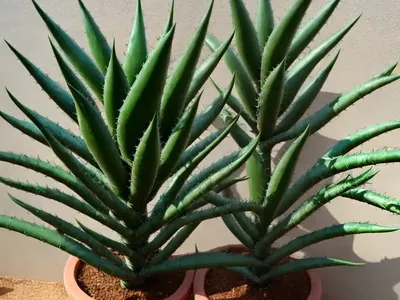
Quiver Tree (Aloidendron Dichotomum)
Plants are remarkable life forms that have a profound impact on the world we live in. They come in countless shapes, sizes, and forms, and each has its.
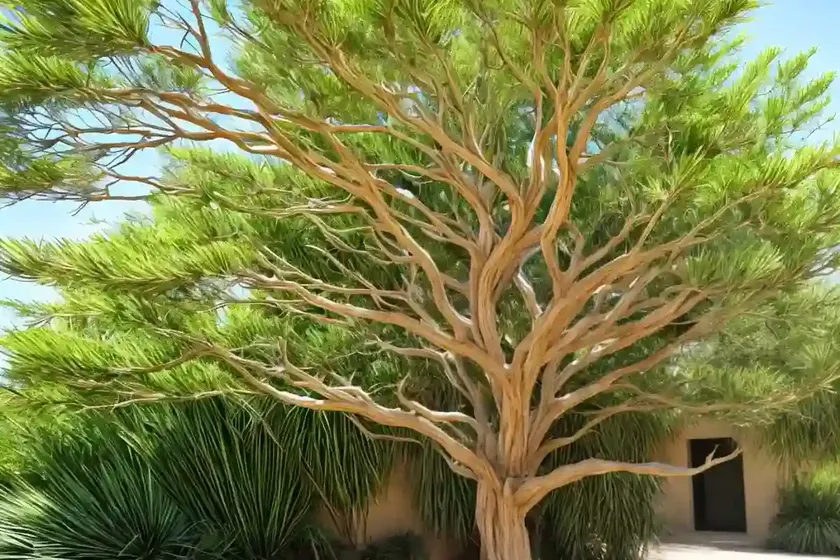
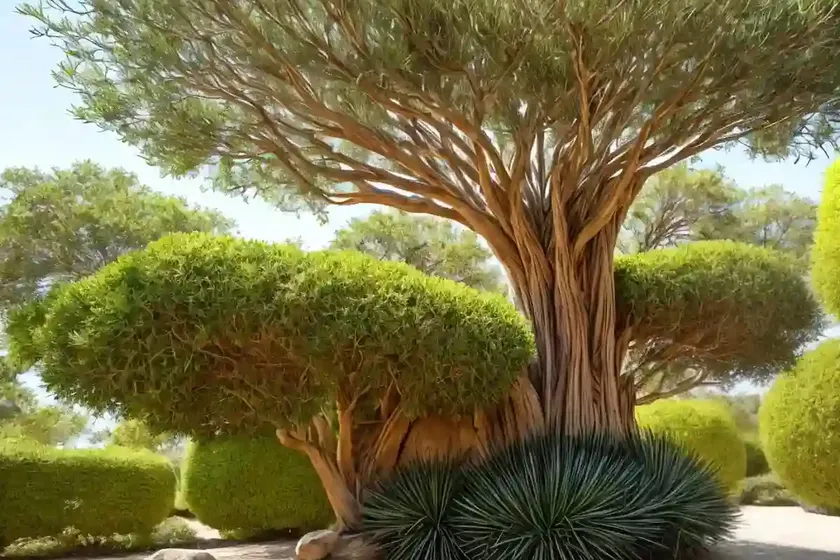
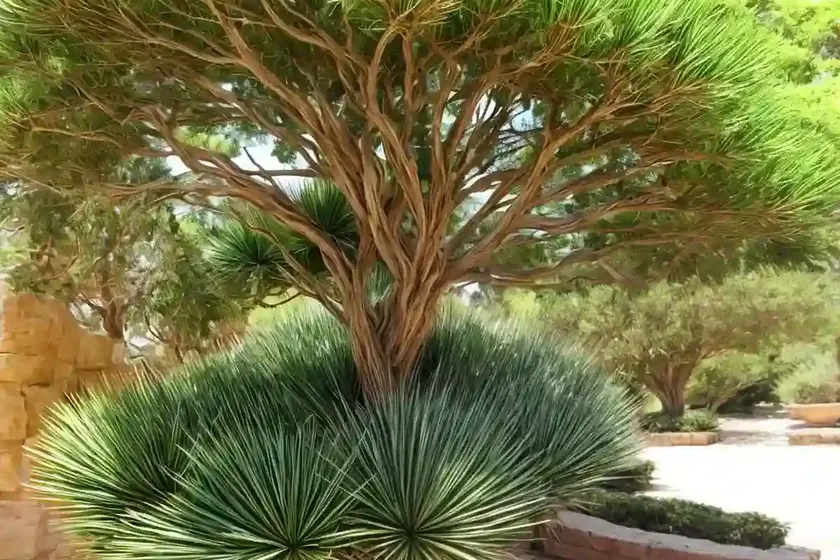
Plants are remarkable life forms that have a profound impact on the world we live in. They come in countless shapes, sizes, and forms, and each has its unique set of characteristics that makes it special. In this blog post, we’ll explore the captivating world of the Quiver Tree (Aloidendron Dichotomum), a plant with remarkable features, historical significance, and ecological importance.
What is the Quiver Tree (Aloidendron Dichotomum)?
The Quiver Tree, scientifically known as Aloidendron Dichotomum, is a unique and visually striking succulent tree native to the arid regions of Southern Africa. Renowned for its unusual shape, this tree is a member of the Asphodelaceae family and is closely related to the aloe plant. It is characterized by its stout trunk, which gives rise to thick, tapering branches, and its ability to store water in its tissues, allowing it to thrive in harsh, dry environments.
The name “Quiver Tree” has an interesting origin. The tree gained this name due to the historical usage of its hollowed branches by the San people of Southern Africa. These indigenous peoples used the branches of the tree to make quivers for their arrows, hence the name “Quiver Tree.”
Key Takeaways – Quiver Tree (Aloidendron Dichotomum)
Before delving deeper into the specifics of the Quiver Tree, let’s take a moment to highlight key takeaways about this unique plant:
- Scientific Name: Aloidendron Dichotomum
- Family: Asphodelaceae
- Common Name: Quiver Tree
- Native Habitat: Arid regions of Southern Africa
- Distinctive Features: Stout trunk, succulent, tapering branches
- Cultural Significance: Historically used by San people for making quivers
- Ecological Importance: Serves as a vital habitat and food source for wildlife
Now that we have a foundational understanding of the Quiver Tree, let’s explore the essential aspects of its care, uses, habitat, and more.
Cultivation and Care of Quiver Trees
Caring for Quiver Trees is essential to ensure their health, longevity, and visual appeal. From understanding their water and sunlight needs to learning about their propagation and pruning requirements, here’s a comprehensive guide to cultivating and caring for these remarkable trees.
Water
As a native of arid environments, Quiver Trees have adapted to thrive in conditions with minimal water availability. When cultivating Quiver Trees, it’s crucial to replicate their natural habitat by providing well-draining soil and avoiding overwatering. Here are some essential tips for watering Quiver Trees:
- Watering Frequency: During the growing season, water your Quiver Tree deeply but infrequently. Allow the soil to dry out completely between waterings to prevent root rot.
- Winter Care: In winter, when the tree is dormant, reduce watering significantly to mimic the drier conditions of its natural habitat.
Sunlight
Quiver Trees are sun-loving plants that thrive in bright, direct sunlight. When selecting a location for planting or positioning potted Quiver Trees, keep the following sunlight requirements in mind:
- Full Sun: Ensure that your Quiver Trees receive ample sunlight, preferably in a location with full sun exposure for the majority of the day.
- Shade Protection: While the trees can tolerate intense sunlight, providing some protection from extreme heat in regions with scorching summers can be beneficial.
Fertilizer
Proper fertilization can promote healthy growth and vigor in Quiver Trees. However, it’s important to approach fertilization with care, taking into account the plant’s natural resilience and minimal nutrient requirements. Consider the following fertilization guidelines:
- Minimal Fertilization: Quiver Trees are adapted to low-nutrient environments, so they generally require little to no fertilization.
- Light Feeding: If you choose to fertilize your Quiver Trees, opt for a balanced, low-potency fertilizer formulated for succulent plants and apply it sparingly during the growing season.
Soil
The type of soil in which Quiver Trees are planted plays a significant role in their overall health and well-being. To ensure optimal growth and vitality, consider the following soil-related factors:
- Well-Draining Soil: Use a well-draining, sandy soil mix to mimic the tree’s natural habitat and prevent waterlogging.
- Raised Beds or Containers: If planting Quiver Trees in garden beds, ensure that the soil is elevated or mounded to improve drainage. When growing in containers, select a porous, fast-draining potting mix formulated for succulents.
Pruning
While Quiver Trees typically require minimal pruning, periodic maintenance may be necessary to remove dead or damaged branches and maintain a tidy appearance. Here are some key points to consider regarding pruning Quiver Trees:
- Minimal Pruning: Only prune Quiver Trees as needed to remove dead, diseased, or overgrown branches. Avoid excessive shaping or size reduction, as the tree’s natural form is part of its appeal.
- Sterilize Pruning Tools: When pruning Quiver Trees, ensure that your tools are clean and sterilized to prevent the spread of diseases.
Propagation
The propagation of Quiver Trees can be achieved through various methods, including seed propagation and vegetative propagation. Whether you’re interested in expanding your Quiver Tree population or sharing the beauty of these trees with others, consider the following propagation techniques:
- Seed Propagation: Quiver Tree seeds can be collected and sown in well-draining sandy soil. Keep the soil lightly moist until germination occurs, which typically takes several weeks.
- Offshoots and Cuttings: Quiver Trees also produce offshoots that can be carefully removed and replanted. Additionally, stem cuttings from healthy branches can be propagated to create new trees.
Uses of Quiver Trees
Beyond their striking appearance and ecological contributions, Quiver Trees have a range of practical and cultural uses. From traditional applications to modern-day adaptations, these trees hold significance in various contexts. Explore the diverse uses of Quiver Trees:
- Cultural Significance: The historical use of Quiver Tree branches by the San people for crafting quivers represents a significant cultural and historical connection.
- Wildlife Habitat: In their native habitat, Quiver Trees provide crucial shelter and nesting sites for birds and other wildlife, contributing to local biodiversity.
- Gardens and Landscapes: In garden and landscape settings, Quiver Trees serve as captivating focal points, especially in arid and xeriscape designs. Their unique form and visual appeal make them sought-after ornamental plants.
- Medicinal Properties: Some traditional medicinal uses of Quiver Tree extracts have been documented, indicating potential therapeutic properties.
Common Diseases and Pests
Despite their resilience, Quiver Trees can be susceptible to certain diseases and pests, especially when grown outside their native habitat or in suboptimal conditions. Understanding the potential challenges and taking preventive measures is crucial for maintaining the health of these trees. Here are common diseases and pests that may affect Quiver Trees:
Common Diseases
- Fungal Infections: In excessively moist or poorly draining conditions, Quiver Trees may be vulnerable to fungal diseases such as root rot or leaf spot. Proper watering practices and well-draining soil can help prevent these issues.
- Bacterial Infections: Bacterial pathogens can cause rotting of the tree’s tissues, leading to decline and dieback. Good hygiene, proper pruning, and disease-free planting material can minimize the risk of bacterial infections.
Disease Diagnosis
Diagnosing diseases in Quiver Trees involves closely observing the tree’s overall health, foliage, and growth patterns. Look for the following signs of potential diseases:
- Leaf Discoloration: Yellowing, browning, or spotting of leaves can indicate fungal or bacterial infections.
- Stem Lesions: Dark, sunken lesions on the trunk or branches may be a sign of fungal or bacterial pathogens.
- Stunted Growth: If a Quiver Tree exhibits stunted growth, it could be a symptom of underlying disease or physiological stress.
Common Pests
- Aphids: These small, sap-sucking insects can infest Quiver Trees, causing distortion of new growth and the presence of sticky honeydew.
- Scale Insects: Scale insects may attach themselves to the branches of Quiver Trees, feeding on plant sap and potentially weakening the tree over time.
To address these pests and diseases, consider employing integrated pest management strategies and adopting cultural practices that promote tree vigor and resilience.
Botanist’s Tips for Growing Quiver Trees
Aspiring botanists, gardeners, and nature enthusiasts seeking to grow Quiver Trees can benefit from the following tips to ensure success and enjoyment in cultivating these fascinating plants:
- Research Native Habitat: Understanding the natural habitat and growing conditions of Quiver Trees can guide your cultivation efforts and help you create an environment conducive to their well-being.
- Embrace Natural Form: Appreciate and respect the unique form and growth habit of Quiver Trees, avoiding unnecessary pruning or shaping that detracts from their natural beauty.
- Celebrate Cultural Connections: Explore the historical, cultural, and ecological significance of Quiver Trees, embracing their role in indigenous traditions and their contributions to local ecosystems.
Incorporating these tips into your approach to growing Quiver Trees can enhance your experience and deepen your appreciation for these extraordinary plants.
Fun Facts about Quiver Trees
With their fascinating characteristics and rich history, Quiver Trees offer a wealth of intriguing details and stories. Here are some fun facts about Quiver Trees that showcase their allure and significance:
- Living Fossils: Quiver Trees are often referred to as “living fossils” due to their ancient lineage and minimal evolutionary changes over millions of years.
- Longevity: These trees are known for their exceptional longevity, with some individuals estimated to be over 300 years old.
- Ecological Adaptations: Quiver Trees have evolved remarkable adaptations, such as water storage tissues and thick epidermal layers, to thrive in arid environments.
- Protected Species: In recognition of their ecological value and cultural importance, Quiver Trees have been designated as protected species in certain regions.
These fun facts offer a glimpse into the remarkable attributes and significance of Quiver Trees, underscoring their value as both botanical wonders and cultural symbols.
Links to External Resources
For those eager to delve deeper into the world of Quiver Trees, here are some valuable external resources offering additional information, images, and insights:
- Aloidendron Dichotomum – The Plant List
- Quiver Tree – South African National Biodiversity Institute
- The Quiver Tree Forest, Namibia – UNESCO World Heritage Centre
- Botanical Illustration – Royal Botanic Gardens, Kew
These resources offer a wealth of information, from taxonomic details and conservation status to cultural significance and botanical illustrations, providing a comprehensive perspective on Quiver Trees.
Conclusion: Embracing the Legacy of Quiver Trees
The Quiver Tree (Aloidendron Dichotomum) stands as a botanical marvel that intertwines natural beauty, cultural heritage, and ecological significance. By understanding its care requirements, appreciating its diverse uses, and recognizing its contributions to the natural world, we can cultivate a deeper appreciation for these remarkable trees.
From their historic role in indigenous traditions to their enduring presence in arid landscapes, Quiver Trees epitomize resilience, elegance, and connectivity. As we continue to explore, study, and celebrate the Quiver Tree’s legacy, we can honor its place in the intricate tapestry of plant life and cultural heritage.
As you embark on your journey of discovery and cultivation, may the allure of Quiver Trees inspire reverence for nature’s wonders and a commitment to preserving the rich biodiversity of our planet.
With the timeless majesty of Quiver Trees as our guide, we can embrace the beauty of the natural world and the enduring significance of botanical treasures.
Remember, aloe dichotomum, Quiver Tree has the potential to add natural beauty to your garden and provide ecological benefits. Ensure that you follow the correct practices in nurturing it and appreciate its historical-cultural significance.