Quince (Cydonia Oblonga Mill)
Quince (Cydonia oblonga Mill) is a lesser-known but immensely fascinating member of the Rosaceae family, which also includes popular fruits like apples and.
Introduction
Quince (Cydonia oblonga Mill) is a lesser-known but immensely fascinating member of the Rosaceae family, which also includes popular fruits like apples and pears. This small tree or shrub boasts a rich history and cultural significance, along with numerous culinary and medicinal uses. In this comprehensive guide, we will delve into the various aspects of quince, from its cultural requirements to its uses, pests, and diseases. This exploration will provide a deeper understanding of this remarkable plant, enabling both enthusiasts and horticulturists to appreciate and cultivate the quince with confidence.
What is Quince (Cydonia Oblonga Mill)?
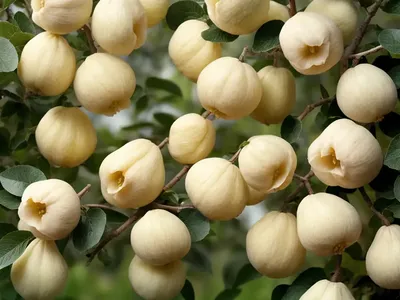
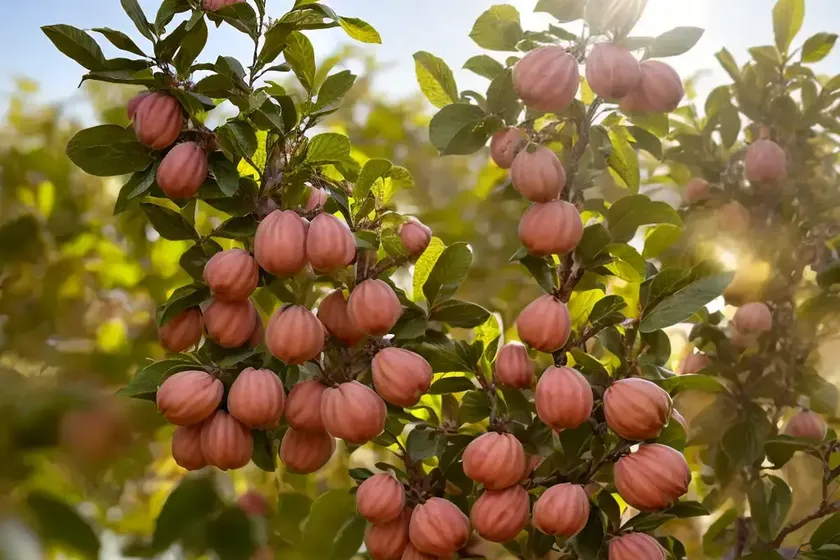
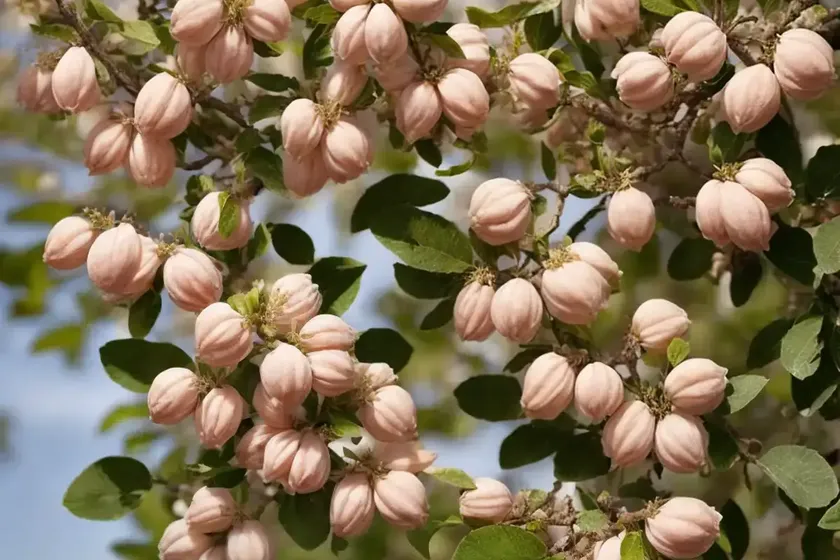
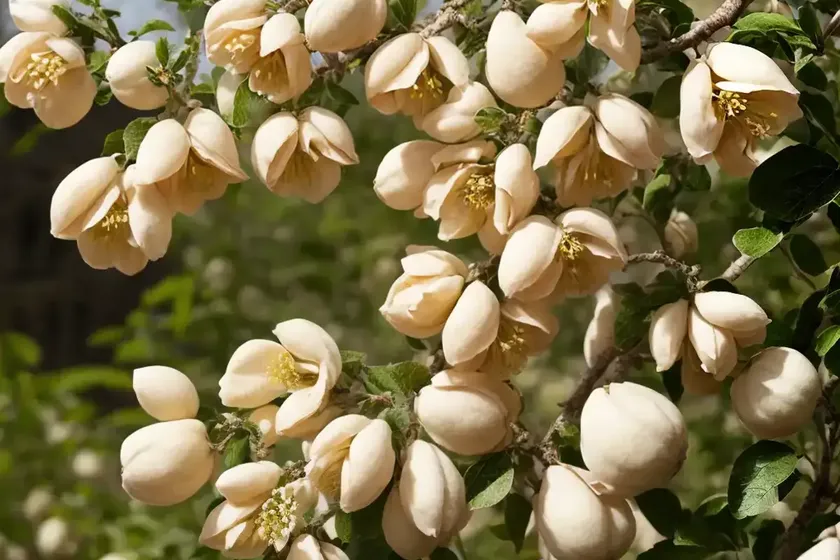
Quince, scientifically known as Cydonia oblonga Mill, is a deciduous tree or shrub native to the Caucasus region of Eastern Europe and Western Asia. It is widely cultivated for its aromatic fruits and ornamental value. The quince tree typically reaches heights of 10-15 feet and produces vibrant flowers, which add to its appeal in gardens and landscapes. The fruit of the quince is characterized by its golden-yellow color when ripe, strong fragrance, and unique flavor, which sets it apart from other fruits in the Rosaceae family.
Key Takeaways – Quince (Cydonia Oblonga Mill)
Culture
Cultivating quince requires special attention to its environmental needs, including water, sunlight, soil, and pruning. Understanding these cultural aspects is crucial to ensure the optimal growth and fruit production of the quince tree.
Uses
Quince offers a wide range of uses, including culinary applications, medicinal properties, and ornamental value. Exploring its diverse uses will showcase the versatility of this plant and its importance in various contexts.
Water
Proper watering is essential for the healthy growth and fruit development of the quince tree. Understanding its water requirements and implementing suitable irrigation practices is vital for its overall well-being.
Sunlight
Quince trees thrive in well-lit environments, but the specific sunlight requirements can vary based on factors such as climate and local conditions. Addressing the sunlight needs of the quince is pivotal for its growth and fruiting.
Fertilizer
Applying the right fertilizers at the appropriate times is crucial for enhancing the growth and fruit quality of the quince tree. Understanding its fertilizer requirements and implementing suitable feeding regimes is important for optimal cultivation.
Soil
Quince trees have specific soil requirements, and providing the right growing medium is essential for their health and productivity. Exploring the ideal soil conditions for quince cultivation will help in creating a suitable environment for the plant.
Pruning
Pruning plays a significant role in shaping the growth and fruiting of quince trees. Learning the key techniques and timing for pruning is essential for maintaining the tree’s overall vigor and productivity.
Propagation
Understanding the different methods of propagating quince trees, such as from seeds or cuttings, is essential for expanding their cultivation. Exploring the propagation techniques will provide insights into creating new quince plants.
Container Popularity
Quince trees can also be grown in containers, making them suitable for urban and space-limited settings. Understanding the considerations for container cultivation will enable enthusiasts to grow quince in diverse environments.
Container Common Diseases
Quince trees in containers are susceptible to specific diseases, and identifying and addressing these concerns is crucial for their well-being. Exploring the common diseases in container-grown quince plants will guide in their care and management.
Disease Diagnosis
Recognizing and diagnosing diseases that affect quince trees, such as leaf blight and fire blight, is crucial for implementing timely interventions and preventing further spread. Understanding the symptoms and management of quince diseases is essential for their health.
Common Pests
Quince trees are vulnerable to various pests, including aphids and scale insects, which can affect their growth and fruiting. Identifying these common pests and implementing suitable control measures is important for mitigating their impact.
Botanist’s Tips
Insights from experienced botanists and horticulturists can provide valuable guidance on cultivating, maintaining, and enjoying quince trees. Delving into the experts’ tips will offer practical advice and perspectives on quince care.
Fun Facts
Exploring the lesser-known facts and trivia about quince, such as its historical significance and folklore, adds an enriching dimension to our understanding of this remarkable plant. Discovering the fun facts about quince will deepen the appreciation for its unique qualities.
Links to External Resources
Accessing reliable and authoritative external resources will further expand our knowledge and insights regarding quince, its cultivation, uses, and care. Utilizing these external links will provide valuable references for further exploration of the topic.
Quince: Water Requirements
The optimal growth and fruiting of quince trees depend significantly on their water requirements. Providing adequate moisture is essential, but it is equally important to avoid overwatering, which can lead to root suffocation and diseases. Understanding the specific water needs of quince trees and implementing suitable watering practices is crucial for their overall health and productivity.
Watering Guidelines for Quince Trees
- Established Trees: Once quince trees are established, they generally exhibit moderate drought tolerance. However, regular watering is essential, especially during dry periods, to support healthy growth and fruit development.
- Young Trees: Newly planted quince trees require more frequent watering to aid in their establishment and root development. Providing sufficient moisture during the initial growing stages is crucial for ensuring their vitality.
- Soil Moisture: Checking the soil moisture around quince trees is a reliable method for determining their watering needs. While the soil should be kept consistently moist, it is vital to avoid waterlogged conditions.
- Irrigation Methods: Utilizing drip irrigation or soaker hoses can provide controlled and efficient watering for quince trees, delivering the required moisture directly to the root zone.
- Mulching: Applying a layer of organic mulch around quince trees helps in moisture retention, weed suppression, and maintaining stable soil temperature, which collectively support the trees’ water requirements.
Signs of Water Stress in Quince Trees
Recognizing the signs of water stress in quince trees is crucial for addressing their watering needs and preventing potential damage. Common indicators of water stress in quince trees include:
- Wilting: The leaves of water-stressed quince trees may wilt and appear droopy, indicating the need for immediate watering.
- Leaf Browning: The foliage of the quince tree can exhibit browning or scorching under severe water stress, signifying the plant’s distress.
- Reduced Fruit and Flower Formation: Insufficient water can lead to diminished fruit and flower production in quince trees, impacting their overall productivity.
- Premature Leaf Drop: Excessive water stress can cause quince trees to shed leaves prematurely, indicating a lack of adequate moisture.
Watering Practices for Quince Trees
Taking a proactive approach to watering quince trees will ensure their vitality and optimal performance. Key watering practices for quince trees include:
- Consistent Moisture: Maintaining consistent soil moisture, especially during the flowering and fruiting stages, is essential for supporting the growth and development of quince trees.
- Deep Watering: Providing deep and thorough watering, allowing the moisture to penetrate the root zone, promotes strong and resilient root systems in quince trees.
- Avoid Waterlogging: Preventing waterlogging and water accumulation around quince trees is critical for averting root suffocation and potential disease problems.
- Adjusting Frequency: Adapting the frequency of watering based on the seasonal and environmental factors, such as temperature and rainfall, ensures that quince trees receive appropriate moisture levels.
- Observation and Adjustment: Regularly observing the overall health and vigor of quince trees helps in adjusting the watering practices to meet their specific requirements.
Quince: Sunlight Requirements
Quince trees thrive in well-lit environments, benefitting from abundant sunlight to support their growth, flowering, and fruiting. Understanding the specific sunlight requirements of quince and ensuring they receive adequate light exposure is essential for their overall health and productive performance.
Sunlight Guidelines for Quince Trees
- Full Sun: Quince trees prefer full sun exposure, which typically equates to at least 6-8 hours of direct sunlight per day. Placing them in a location with ample sunlight promotes robust growth and fruit development.
- Partial Shade: While quince trees thrive in full sun, they can also tolerate partial shade, especially in regions with intense afternoon sun or high temperatures. However, prioritizing full sun locations is ideal for maximizing their productivity.
- Southern Exposure: Positioning quince trees in a southern exposure within the garden or landscape ensures that they receive sufficient sunlight throughout the day, promoting balanced and vigorous growth.
Significance of Sunlight for Quince Trees
The availability of adequate sunlight profoundly influences the growth, flowering, and fruiting of quince trees. Understanding the significance of sunlight for quince trees includes:
- Photosynthesis: Sunlight is essential for the process of photosynthesis, through which quince trees produce energy and vital nutrients for their growth and fruit development.
- Flowering and Fruit Formation: Sufficient sunlight promotes the formation of healthy flowers and fruits, contributing to the overall productivity of quince trees.
- Leaf Health and Vigor: Sunlight exposure directly impacts the health and vigor of quince tree foliage, influencing their ability to carry out essential physiological functions and resist diseases.
- Optimal Growth: Access to abundant sunlight supports the overall growth and architecture of quince trees, enhancing their resilience and longevity in the garden or landscape setting.
Sunlight Management for Quince Trees
Efficiently managing sunlight for quince trees involves strategic planning and attention to their positioning within the landscape. Key aspects to consider for sunlight management include:
- Site Selection: Choosing an open and unobstructed site for planting quince trees ensures they receive ample sunlight, maximizing their growth potential.
- Pruning for Light Penetration: Pruning the surrounding vegetation or adjacent trees that may shade quince trees helps in improving light penetration and exposure.
- Seasonal Considerations: Monitoring the changing sunlight patterns across the seasons and making adjustments, if needed, to ensure the ongoing sunlight availability for quince trees.
- Microclimate Assessment: Evaluating the specific microclimate conditions within the planting area, such as heat accumulation or cold pockets, provides insights into optimizing sunlight exposure for quince trees.
- Shade Management: Using shading materials or structures, if necessary, to mitigate excessive heat and light stress during periods of intense sunlight exposure.
Quince: Fertilizer Requirements
Fertilizing quince trees is essential for supplying them with the necessary nutrients to support vigorous growth, flowering, and fruiting. Understanding the specific fertilizer requirements of quince and implementing appropriate feeding regimes is crucial for enhancing their overall performance and productivity.
Fertilizer Guidelines for Quince Trees
- Nutrient Requirements: Quince trees benefit from a balanced supply of essential nutrients, including nitrogen, phosphorus, potassium, and trace elements. Providing a well-rounded fertilizer regimen supports their growth and fruit development.
- Timing of Application: Applying fertilizers at strategic times, such as during the early spring before bud break and in late fall, helps in meeting the seasonal nutrient demands of quince trees.
- Organic Amendments: Incorporating organic amendments, such as compost and well-rotted manure, into the soil around quince trees provides a sustainable source of nutrients and enhances soil structure and fertility.
- Formulations and Ratios: Utilizing fertilizers specifically formulated for fruit trees or employing a balanced fertilizer with an NPK ratio suited for woody plants aids in meeting the nutritional needs of quince trees.
- Avoiding Excesses: While fertilizing is essential, it is important to avoid excessive applications, as this can lead to nutrient imbalances, excessive vegetative growth, and potential damage to the tree’s health.
Signs of Nutrient Deficiency in Quince Trees
Identifying the signs of nutrient deficiency in quince trees is crucial for diagnosing their fertilizer requirements. Common indications of nutrient deficiency in quince trees include:
- Stunted Growth: Insufficient nutrient supply can lead to stunted growth and reduced vigor in quince trees, affecting their overall performance.
- Leaf Discoloration: The foliage of nutrient-deficient quince trees may exhibit abnormal leaf discoloration, such as yellowing and chlorosis, indicating specific nutrient deficiencies.
- Poor Flowering and Fruiting: Inadequate nutrient levels can lead to diminished flower and fruit production in quince trees, impacting their productivity and quality.
- Susceptibility to Pests and Diseases: Nutrient-deficient quince trees are more susceptible to pest infestations and diseases, highlighting the importance of adequate nutrition for their overall health.
Fertilizer Practices for Quince Trees
Implementing appropriate fertilizer practices supports the nutritional needs of quince trees, promoting their vitality and sustained performance. Key fertilizer practices for quince trees include:
- Soil Analysis: Conducting soil tests to assess the existing nutrient levels and pH provides valuable insights for formulating a targeted and effective fertilization strategy.
- Slow-Release Formulations: Consider incorporating slow-release or controlled-release fertilizers to ensure a steady and sustained nutrient supply for quince trees over an extended period.
- Balanced Feeding: Providing a balanced and comprehensive fertilizer regime that addresses the specific nutrient requirements of quince trees, promoting overall growth and fruiting.
- Mulch Application: Applying organic mulch around quince trees contributes to soil fertility and nutrient retention, complementing the effects of fertilization and promoting a healthy growing environment.
Quince: Soil Requirements
Creating an optimal growing environment for quince trees begins with addressing their specific soil requirements. Understanding the ideal soil conditions for quince cultivation and ensuring that these requirements are met are crucial for supporting the trees’ health, growth, and fruiting.
Ideal Soil Conditions for Quince Trees
- Well-Drained Soil: Quince trees thrive in well-drained soil, and they are susceptible to root rot and other water-related issues in waterlogged or poorly drained conditions.
- Loamy Texture: Soil with a loamy texture, which combines sand, silt, and clay in balanced proportions, provides an excellent growing medium for quince trees, offering good aeration and water retention.
- pH Range: Quince trees prefer slightly acidic to neutral soil pH, typically in the range of 6.0 to 7.0. Modifying the soil pH, if necessary, ensures that it is suitable for optimal quince growth.
- Organic Matter Content: Soil enriched with organic matter, such as compost or well-rotted manure, enhances its fertility and structure, promoting favorable conditions for quince cultivation.
- Soil Compaction: Avoiding soil compaction, which restricts root development and impedes water and air infiltration, is essential for maintaining a healthy root environment for quince trees.
Soil Preparation for Quince Trees
Preparing the soil for planting or transplanting quince trees is a crucial step in establishing a conducive growing environment. Key soil preparation practices for quince trees include:
- Amendment Incorporation: Mixing organic amendments, such as compost, into the soil before planting quince trees enhances its fertility and structure, creating an optimal rooting environment.
- Soil Testing: Conducting soil tests to assess its nutrient levels, pH, and composition guides in determining any required soil amendments or adjustments to prepare for quince cultivation.
- Drainage Considerations: Ensuring proper drainage, either through natural site selection or soil modifications, prevents waterlogging issues that can adversely affect quince tree roots.
- Raised Beds: In areas with poor soil drainage, creating raised beds for planting quince trees promotes improved aeration and water movement, reducing the risk of water-related problems.
Mulching for Soil Health
Applying mulch around quince trees provides several benefits for soil health and tree vigor. Mulching practices for quince trees include:
- Organic Mulch Application: Using organic mulch, such as wood chips, shredded bark, or straw, around quince trees conserves soil moisture, suppresses weeds, and supports overall soil health.
- Mulch Depth: Applying a layer of mulch 2-3 inches deep around quince trees balances moisture retention and weed control while allowing for proper air and water exchange at the root zone.
- Mulch Distance from Trunk: Maintaining a clear space around the tree trunk when mulching prevents potential issues with excess moisture accumulation and pest harborage.
Quince: Pruning Techniques
Pruning is an essential horticultural practice for shaping the growth, promoting fruiting, and maintaining the health of quince trees. Understanding the fundamental techniques and principles of pruning quince trees is pivotal for achieving desired outcomes and maximizing their potential.
Pruning Objectives for Quince Trees
- Thinning and Shaping: Pruning helps in thinning out excess growth and shaping the branching structure of quince trees, promoting an open and well-ventilated canopy.
- Fruit Production: Pruning encourages fruiting in quince trees by stimulating the development of flowering spurs, optimizing light penetration, and reducing overcrowding within the canopy.
- Disease and Pest Management: Removing dead, diseased, or infested branches through pruning limits the spread of diseases and pests, contributing to the overall health of quince trees.
- Renewal and Vigor: Periodic pruning rejuvenates the growth of quince trees, promoting new, healthy growth and sustaining their long-term productivity.
Pruning Practices for Quince Trees
Adhering to proper pruning practices ensures the effective management and maintenance of quince trees. Key pruning practices for quince trees include:
- Timing: Conducting major pruning activities during the dormant season, typically in late winter or early spring, minimizes stress and allows for optimal healing and recovery.
- Sanitization: Using clean and sharp pruning tools, such as hand pruners or loppers, helps in making precise and smooth cuts while minimizing the risk of introducing pathogens to the tree.
- Selective Pruning: Identifying and selectively removing undesirable or competing branches, as well as those that impede the tree’s structure and air circulation, supports the overall well-being of quince trees.
- Thinning the Canopy: Thinning out crowded and crossing branches within the canopy of quince trees enhances light penetration, airflow, and fruiting potential while reducing disease susceptibility.
- Removing Suckers and Water Sprouts: Eliminating suckers and water sprouts, which divert energy and resources from the main branches, helps in maintaining the focus of growth and fruiting in quince trees.
- Training Young Trees: Pruning young quince trees to establish a balanced and robust framework supports their long-term growth and productivity, laying the foundation for future fruiting.
Quince: Propagation Techniques
Expanding the cultivation of quince trees involves understanding and implementing effective propagation techniques. Exploring the various methods of propagating quince trees, such as from seeds or cuttings, is essential for multiplying their presence and diversity.
Propagation Methods for Quince Trees
- Growing from Seeds: Propagating quince trees from seeds, either extracted from ripe fruits or purchased from reputable sources, allows for the development of diverse and genetically varied plants.
- Softwood Cuttings: Utilizing softwood cuttings, taken from young and actively growing branches, offers a reliable approach to propagating specific quince cultivars and preserving their desirable traits.
- Hardwood Cuttings: Hardwood cuttings, harvested during the dormant season, present an alternative method for propagating quince trees, particularly for those cultivars that root well from mature wood.