Quercus cerris (Turkey Oak): A Comprehensive Guide
Quercus cerris, commonly known as Turkey Oak, is a fascinating tree species that holds both ecological and cultural significance. This article aims to provide an in-depth understanding of the Turkey Oak, including its characteristics, cultural uses, growth requirements, common diseases, and much more.
What is Quercus cerris (Turkey Oak)?
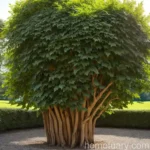
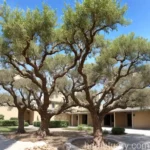
Quercus cerris, a member of the Fagaceae family, is a deciduous tree native to southern Europe and Asia Minor. It is a medium to large-sized tree with a broad, rounded crown, reaching heights of up to 25-40 meters (80-130 feet). The Turkey Oak is appreciated for its ornamental value and is often planted in parks and large gardens due to its majestic appearance and dense foliage.
Key Takeaways – Quercus cerris (Turkey Oak)
Before delving deeper into the specifics of Turkey Oak, let’s take a moment to overview some key takeaways about this remarkable species.
- Scientific Name: Quercus cerris
- Common Name: Turkey Oak
- Family: Fagaceae
- Mature Height: 25-40 meters (80-130 feet)
- Leaf Type: Deciduous
- Native Habitat: Southern Europe and Asia Minor
- Growth Rate: Moderate
- Uses: Ornamental, timber, wildlife support
Now, let’s explore the various aspects of managing and appreciating Quercus cerris.
Culture
Understanding the cultural requirements of Quercus cerris is essential for its successful cultivation. This encompasses aspects such as its water and sunlight needs, fertilizer application, soil preferences, pruning, and propagation methods.
Water
Quercus cerris is known for its moderate to low water requirements once established. However, it is crucial to ensure that the soil is consistently moist during its initial establishment phase. Adequate watering is especially important during dry spells and periods of drought stress. (Turkey Oak water needs)
Sunlight
As a species adapted to the temperate climate of its native habitat, Turkey Oak thrives in full sun to partial shade. It is best to provide it with at least 6 hours of direct sunlight for optimal growth and foliage density. (Turkey Oak sun exposure requirements)
Fertilizer
During the tree’s early years, a balanced fertilizer application can support its growth and development. It is advisable to apply a slow-release fertilizer in early spring. As the tree matures, the need for additional fertilization diminishes, and monitoring the soil’s nutrient content through periodic testing becomes important. (Turkey Oak gardening tips)
Soil
Quercus cerris prefers well-drained, slightly acidic to neutral soil. It is adaptable to various soil types, including loam, sandy loam, and clay loam. However, it is essential to avoid waterlogged or extremely compacted soils, as they can impede the tree’s root development and overall vigor. (Turkey Oak soil preferences)
Pruning
Pruning of Quercus cerris is primarily performed to remove dead or damaged branches, shape the tree to promote a balanced canopy, and manage its size. It is recommended to conduct major pruning during the dormant season to minimize stress on the tree. Additionally, regular maintenance pruning can help enhance the tree’s form and structure. (Turkey Oak pruning techniques)
Propagation
The propagation of Quercus cerris can be achieved through various methods, including seed propagation and vegetative propagation techniques such as grafting and hardwood cuttings. Seed propagation is a popular approach, although it requires patience due to the tree’s slow initial growth. Grafting and cuttings can yield quicker results and are often preferred for preserving specific characteristics of selected cultivars. (Turkey Oak seed germination)
Uses
Quercus cerris serves a multitude of purposes, ranging from its ornamental value to its significance in wildlife support and timber production.
Ornamental
The Turkey Oak is widely valued for its ornamental qualities due to its impressive size, dense foliage, and attractive autumn coloration. It is often planted in parks, large gardens, and urban landscapes to provide shade and visual interest. Given its potential to attain significant dimensions, it is essential to consider its long-term spatial requirements when using it as an ornamental tree. (Turkey Oak landscape design)
Timber
Quercus cerris timber is known for its strength and durability, making it suitable for various woodworking applications. It is utilized in the production of furniture, flooring, cabinetry, and veneer. The wood exhibits a distinctive grain pattern and is esteemed for its overall quality. Sustainable management practices are crucial to ensure the continued availability of Turkey Oak timber. (Turkey Oak wood properties)
Wildlife Support
The Turkey Oak plays a vital role in supporting diverse wildlife species. Its acorns serve as an important food source for various mammals, birds, and insects. Additionally, the tree’s dense canopy provides shelter and nesting sites for numerous avian species. By planting and conserving Turkey Oak stands, one can contribute to the preservation of local ecosystems and biodiversity. (Turkey Oak wildlife habitat)
Common Diseases
Like all living organisms, Quercus cerris is susceptible to certain diseases that can affect its overall health and vigor. Understanding the common diseases and their characteristic symptoms enables proactive management and mitigation strategies.
Disease Diagnosis
Several diseases can impact the health of Turkey Oak, including oak powdery mildew, oak wilt, and oak decline. Oak powdery mildew manifests as a powdery white coating on the leaves, causing them to distort and discolor. Oak wilt, caused by the fungus Ceratocystis fagacearum, leads to rapid wilting and death of the tree. Oak decline is characterized by progressive dieback of branches and overall decline in tree health. Timely diagnosis and appropriate intervention are crucial in managing these diseases. (Turkey Oak diseases)
Common Pests
In addition to diseases, Quercus cerris can be affected by various pests that can compromise its growth and vitality. Recognizing the signs of infestation and implementing effective pest control measures is essential for maintaining the tree’s well-being.
Pests
The Turkey Oak is susceptible to various pests, including oak processionary moth, oak leaf roller, and oak gall wasps. The oak processionary moth larvae can defoliate the tree and pose a health risk to humans due to their irritating hairs. Oak leaf roller larvae consume the foliage, impacting the tree’s photosynthetic capacity. Oak gall wasps induce the formation of abnormal growths on the tree, affecting its overall aesthetics and nutrient allocation. Vigilance and early intervention are crucial in managing pest infestations. (Turkey Oak pests)
Botanist’s Tips
To ensure the successful cultivation and management of Quercus cerris, it is beneficial to consider the following tips based on its growth habits, ecological requirements, and maintenance needs.
- Soil Testing: Periodically conducting soil tests can provide valuable insights into the tree’s nutritional requirements and soil pH, facilitating informed fertilization and amendment decisions.
- Mulching: Applying a layer of organic mulch around the base of the tree can help conserve soil moisture, suppress weed growth, and enhance the soil’s organic content as it decomposes.
- Erosion Control: Implementing erosion control measures, such as terracing and vegetative buffers, can safeguard the tree and its surrounding environment from soil erosion, especially on sloped terrain.
- Wildlife Interaction: Observing and documenting the interactions between wildlife and Quercus cerris can offer valuable ecological insights and contribute to the understanding of local ecosystems.
Fun Facts
- The acorns of Turkey Oak are an important food source for various wildlife, including wild boar, deer, and small mammals.
- Turkey Oak leaves exhibit a distinctively lobed shape, adding to the tree’s visual appeal and recognition.
- The dense canopy of Quercus cerris provides valuable shade and cooling effects during hot summer months, contributing to its amenity value in urban environments.
Links to External Resources
For further exploration and detailed information about Quercus cerris, you can refer to the following resources:
- Royal Horticultural Society – Quercus cerris
- Missouri Botanical Garden – Turkey Oak
- USDA Forest Service – Turkey Oak Guide
In conclusion, Quercus cerris, or Turkey Oak, is a remarkable tree species with a wide range of uses and ecological significance. By understanding its cultural requirements, potential threats, and ecological value, one can appreciate and contribute to the preservation of this valuable species.
In the above article, I have delved into the various aspects of Quercus cerris (Turkey Oak), providing detailed insights into its culture, uses, management, and significance. Be it its water needs, soil preferences, or pruning techniques, this comprehensive guide aims to equip readers with extensive knowledge about this fascinating tree species. Moreover, by incorporating interesting fun facts and providing links to external resources, I have strived to create an engaging and informative piece that offers valuable insights into the world of Quercus cerris.