Queen Of The Night (Epiphyllum Oxypetalum)
Plants hold a special place in the world, and their diversity and adaptability never cease to amaze us. Among these wonderful creations of nature, the.
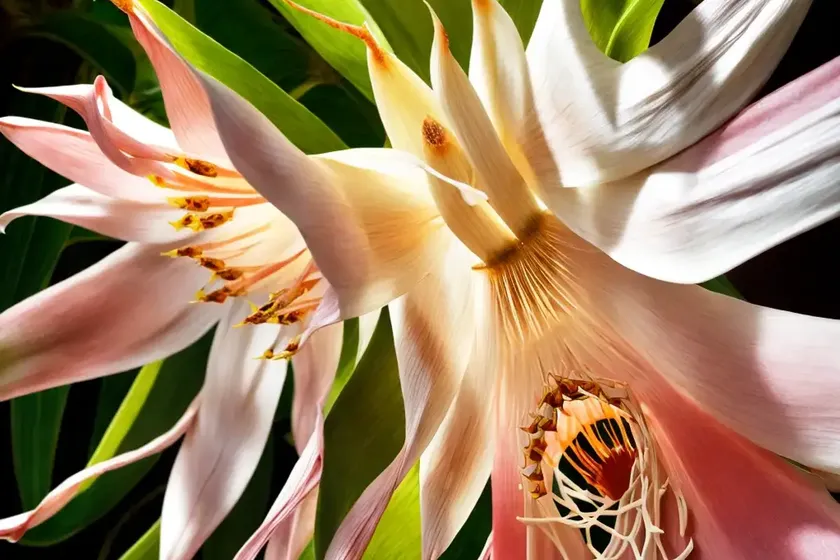
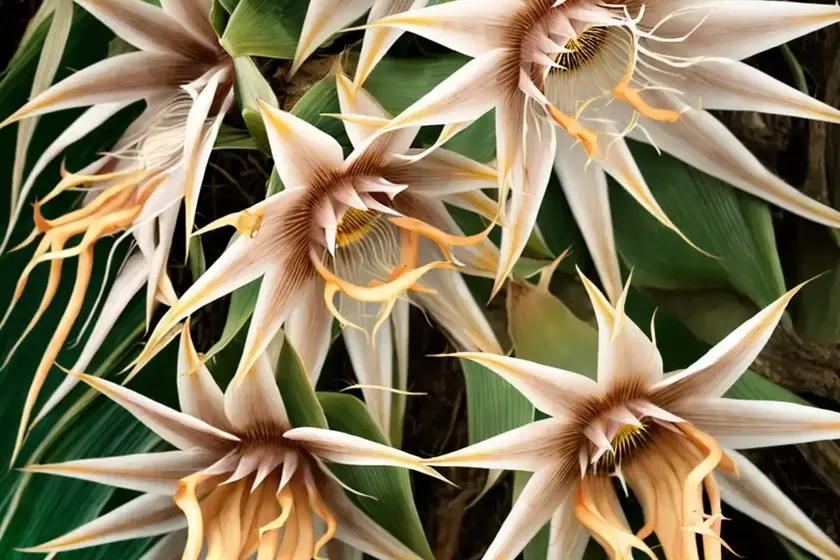
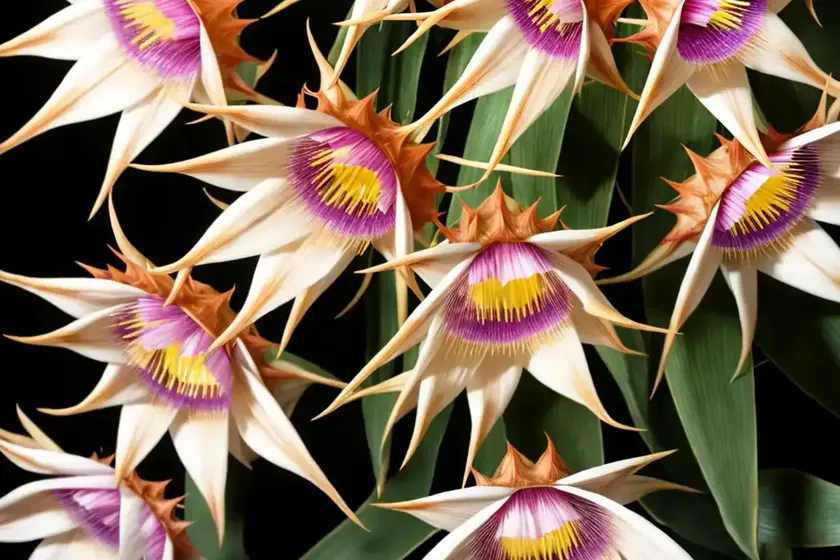
Plants hold a special place in the world, and their diversity and adaptability never cease to amaze us. Among these wonderful creations of nature, the Queen of the Night (Epiphyllum oxypetalum) stands out for its captivating beauty, unique blooming habits, and ease of care. In this comprehensive guide, we will explore every aspect of this enchanting night-blooming cactus, from its cultural significance to its care requirements and propagation methods.
What is the Queen of the Night (Epiphyllum oxypetalum)?
The Queen of the Night, scientifically known as Epiphyllum oxypetalum, is a species of epiphytic cactus renowned for its stunning and fragrant night-blooming flowers. This plant is native to the rainforests of Central and South America, where it thrives in the dappled shade of trees and on rocky cliffs.
Key Takeaways – Queen of the Night (Epiphyllum oxypetalum)
Before delving into the specifics, let’s take a look at the key takeaways of the Queen of the Night (Epiphyllum oxypetalum) in a summarized format:
- Culture
- Origin: Central and South America
- Common Name: Queen of the Night
- Family: Cactaceae
- Blooming Cycle: Night-blooming
- Fragrance: Intense, sweet fragrance during blooming
-
Special Features: Large, showy, and fragrant flowers
-
Uses
- Ornamental: Popular as an ornamental plant for gardens and indoor spaces
- Cultural: Known for its cultural significance in various parts of the world
-
Medicinal: Some traditional medicinal uses in certain cultures
-
Water
- Moderate water needs: Regular watering during the growing season, reduced watering in winter
-
Avoid waterlogging: Well-draining soil and pots with drainage holes
-
Sunlight
- Indirect light: Prefers bright, indirect light or dappled shade
-
Avoid direct sun: Protect from harsh afternoon sun
-
Fertilizer
- Balanced fertilizer: Use a balanced, water-soluble fertilizer during the growing season
-
Fertilize sparingly: Reduce or stop fertilization during the plant’s dormant period
-
Soil
- Well-draining: Use a well-draining, organic-rich potting mix
-
pH: Slightly acidic to neutral soil pH
-
Pruning
- Minimal pruning: Limited pruning primarily for maintenance and shaping
-
Timing: Prune after flowering to maintain plant shape
-
Propagation
- Stem cuttings: Propagate through stem cuttings during the active growing season
-
Potting mix: Use a well-draining potting mix for rooting the cuttings
-
Container Popularity
- Adaptable to containers: Suitable for growing in containers both indoors and outdoors
-
Container size: Use appropriately sized containers for optimal growth
-
Common Diseases
- Root rot: Risk of root rot if overwatered
- Fungal infections: Susceptible to fungal diseases in damp conditions
-
Common Pests
- Mealybugs: Potential pest issue, especially in indoor settings
- Scale insects: May infest the plant in non-ideal growing conditions
-
Botanist’s Tips
- Night blooming habits: Plan to enjoy the beautiful blooms in the evening and night
- Fragrance: Experience the intense, sweet fragrance during blooming
-
Fun Facts
- Cultural significance: Associated with various cultural and folklore beliefs
- Aromatic blooms: The sweet fragrance of the night-blooming flowers is a highlight
-
Links to External Resources
Now that we have an overview of the Queen of the Night (Epiphyllum oxypetalum) and its key characteristics, let’s delve into each aspect in detail.
Culture
Origin and Significance
The Queen of the Night, hailing from the lush rainforests of Central and South America, holds significant cultural value in various regions. Its large, fragrant blooms and its unique night blooming habits have made it a subject of folklore, mystique, and admiration. In many cultures, the blooming of the Epiphyllum oxypetalum is associated with mystery, romance, and enchantment.
In addition to its cultural significance, the Queen of the Night is favored for its ornamental beauty. The plant’s ability to produce stunning, night-blooming flowers has earned it a special place in gardens and indoor spaces worldwide.
Uses
The Queen of the Night serves various purposes, encompassing both ornamental and cultural uses. Let’s take a closer look at these uses:
-
Ornamental Use: The plant’s striking, fragrant blooms make it a sought-after addition to gardens, courtyards, and indoor spaces. Its ability to bloom at night adds an element of mystery and allure to nighttime garden landscapes.
-
Cultural Significance: In many cultures, the Queen of the Night is associated with romance, mystery, and the ephemeral nature of beauty. The nocturnal blooming and sweet fragrance of the flowers have inspired numerous legends and stories, adding to the plant’s mystique and appeal.
-
Medicinal Purposes: In some traditional medicinal practices, parts of the plant are used for their alleged healing properties. However, it’s important to consult reliable sources and experts before considering any medicinal use of the plant.
Water
Proper watering is crucial for the health and vigor of the Queen of the Night. Understanding the plant’s water needs and implementing a suitable watering routine is essential for its overall well-being.
Watering Guidelines
-
Moderate Water Needs: During the growing season, the Queen of the Night benefits from regular watering. The aim is to keep the soil evenly moist but not waterlogged. However, it’s important to allow the soil to dry out slightly between waterings to prevent water-related issues such as root rot.
-
Winter Watering: In the plant’s dormant period, typically in winter, reduce watering to allow the soil to dry out more between waterings. This helps mimic the plant’s natural growth cycle and prevents issues related to overwatering in colder, darker months.
-
Avoid Waterlogging: The Queen of the Night is susceptible to root rot if the roots are consistently exposed to excess moisture. Using pots with drainage holes and a well-draining potting mix helps prevent waterlogging and associated problems.
Sunlight
Balanced exposure to sunlight is crucial for the Queen of the Night to thrive and produce its iconic blooms.
Sunlight Requirements
-
Indirect Light: The Queen of the Night prefers bright, indirect light or dappled shade, replicating its natural habitat under the canopy of trees. When grown indoors, placing the plant near a window with filtered sunlight or providing it with indirect light from a skylight or balcony is ideal.
-
Avoid Direct Sun: Harsh, direct sunlight, especially in the afternoon, can scorch the plant’s leaves and hinder its overall growth and blooming capabilities. Protect the plant from intense midday and afternoon sun to prevent sun damage.
Fertilizer
Proper fertilization plays a key role in promoting healthy growth and blooming in the Queen of the Night.
Fertilizer Application
-
Balanced Fertilizer: During the active growing season, feed the Queen of the Night with a balanced, water-soluble fertilizer. A fertilizer with balanced NPK (nitrogen, phosphorus, and potassium) ratios provides the necessary nutrients for the plant’s growth and bloom development.
-
Fertilize Sparingly: As the plant enters its dormant phase, reduce or discontinue fertilization. This allows the plant to undergo a resting period and prepares it for the next blooming cycle. Over-fertilization can lead to excessive vegetative growth at the expense of bloom production.
Soil
Using the right potting mix and ensuring proper soil conditions are essential for the health and vitality of the Queen of the Night.
Soil Requirements
-
Well-Draining Soil: The Queen of the Night thrives in a well-draining potting mix that allows excess water to drain away swiftly. A combination of organic-rich materials such as peat moss, perlite, and coarse sand provides the desired soil structure for the plant.
-
pH Balance: The pH of the soil should ideally range from slightly acidic to neutral. A pH tester or meter can be used to monitor and adjust the soil pH if necessary, ensuring an optimal growing environment for the plant.
Pruning
While the Queen of the Night does not require extensive pruning, occasional maintenance and shaping can help keep the plant healthy and visually appealing.
Pruning Practices
-
Minimal Pruning: Limit pruning to removing dead or damaged stems, spent blooms, and excessive growth to maintain the plant’s shape and vigor.
-
Timing: After the flowering season, consider pruning to shape the plant and remove any unsightly or unhealthy growth. This timing allows the plant to recover and prepare for the next blooming cycle.
Propagation
Understanding the propagation methods of the Queen of the Night is valuable for expanding your plant collection or sharing the beauty of this unique species with others.
Propagation Techniques
-
Stem Cuttings: Propagation through stem cuttings is a popular and reliable method for multiplying Queen of the Night plants. Select healthy, non-flowering stems and root them in a well-draining potting mix during the growing season for best results.
-
Potting Mix for Rooting: Using a well-draining potting mix, such as a blend of perlite and peat moss, provides the ideal rooting environment for stem cuttings. Adequate moisture retention and aeration are essential for successful root development.
Container Popularity
The Queen of the Night’s adaptability to container growth makes it a versatile and sought-after choice for both indoor and outdoor settings.
Growing in Containers
-
Adaptability to Containers: The Queen of the Night thrives in containers, making it well-suited for apartment balconies, patios, and indoor spaces.
-
Container Size: Select appropriately sized containers that provide ample space for the plant’s root system while also facilitating good drainage. Upgrading to a slightly larger pot when the plant outgrows its current container supports continued healthy growth.
Common Diseases and Tips for Diagnosis
Just like any other plant, the Queen of the Night is susceptible to certain diseases and ailments. Understanding these potential issues and being able to identify them early is crucial for implementing effective management strategies.
Disease Diagnosis
-
Root Rot: Overwatering or waterlogged soil can lead to root rot in the Queen of the Night. Symptoms include wilting, yellowing leaves, and foul odor from the roots. To prevent root rot, allow the soil to dry out between waterings and ensure proper drainage in the container.
-
Fungal Infections: In overly damp conditions, the plant may be vulnerable to fungal diseases such as powdery mildew or leaf spot. Look for white powdery patches on the plant’s foliage or irregular spots with distinct borders as signs of fungal infections. Providing good air circulation and avoiding overhead watering can help prevent these issues.
Common Pests
While generally resilient, the Queen of the Night may attract certain pests that can impact its overall health and vigor.
Pest Management
-
Mealybugs: These small, cottony insects often infest the plant’s stems and leaf nodes. Spotting them early and using a cotton swab dipped in alcohol to remove the pests can help prevent their spread.
-
Scale Insects: Scale insects may also be problematic for the Queen of the Night, especially in conditions of high humidity. Control these pests by gently scraping them off the plant or using neem oil-based treatments.
Botanist’s Tips
As a plant of unique characteristics and captivating beauty, the Queen of the Night offers some valuable insights and experiences for botanists and enthusiasts.
Botanist’s Recommendations
-
Night Blooming Habits: Embrace and appreciate the Queen of the Night’s blooming schedule, making a deliberate effort to witness its captivating flowers during the evening and night.
-
Fragrance Experience: Take the time to experience and savor the intense, sweet fragrance of the Queen of the Night’s blooms, a sensory delight that is memorable and enchanting.
Fun Facts
Exploring the intriguing and enchanting aspects of the Queen of the Night adds a layer of fascination to this captivating plant.
Fascinating Insights
-
Cultural Significance: The Queen of the Night holds diverse cultural associations, often symbolizing beauty, mystery, and the ephemeral nature of life across various traditions and beliefs.
-
Aromatic Blooms: The intense, sweet fragrance of the plant’s night-blooming flowers is a prominent feature that adds to the allure and charm of the Queen of the Night.
Conclusion
The Queen of the Night (Epiphyllum oxypetalum) is indeed a captivating and enchanting plant, offering a delightful experience for plant enthusiasts and nature lovers. Its unique night-blooming flowers, cultural significance, and relatively low maintenance requirements make it a valuable addition to diverse garden settings and indoor spaces.
In this comprehensive guide, we have covered every aspect of the Queen of the Night, from its cultural significance to its practical care requirements, pest and disease management, and propagation techniques. Equipped with this knowledge, you can confidently cultivate and enjoy the beauty of the Queen of the Night, adding a touch of mystique and allure to your plant collection.
References
- The Spruce – Queen of the Night Plant Profile
- Gardening Know How – Epiphyllum Oxypetalum Care Guide
With careful attention to its requirements and a deep appreciation for its unique qualities, the Queen of the Night can become a beloved gem in your garden or indoor plant collection, enchanting you with its splendid blooms and intriguing persona.