Queen Of Sheba-vine (Podranea Ricasoliana)
As a plant scientist, I find great joy in exploring the diverse world of plant species and their unique characteristics. Among the fascinating plants, the.
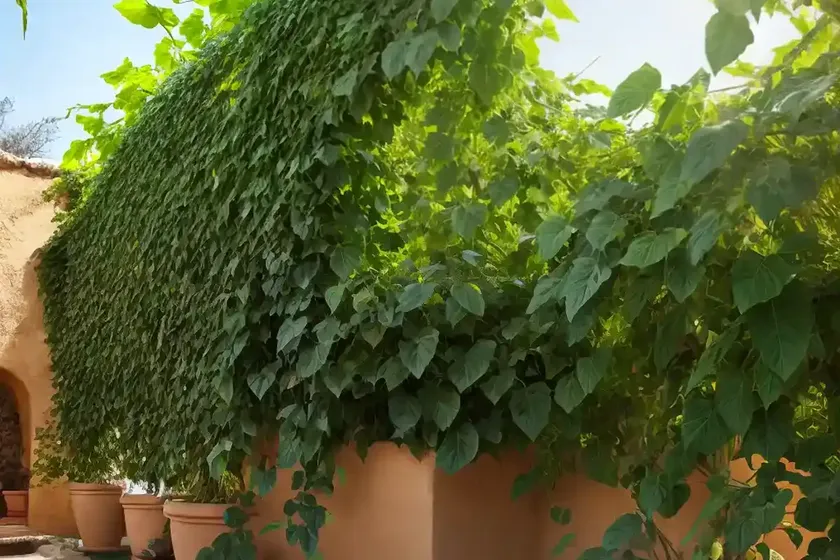
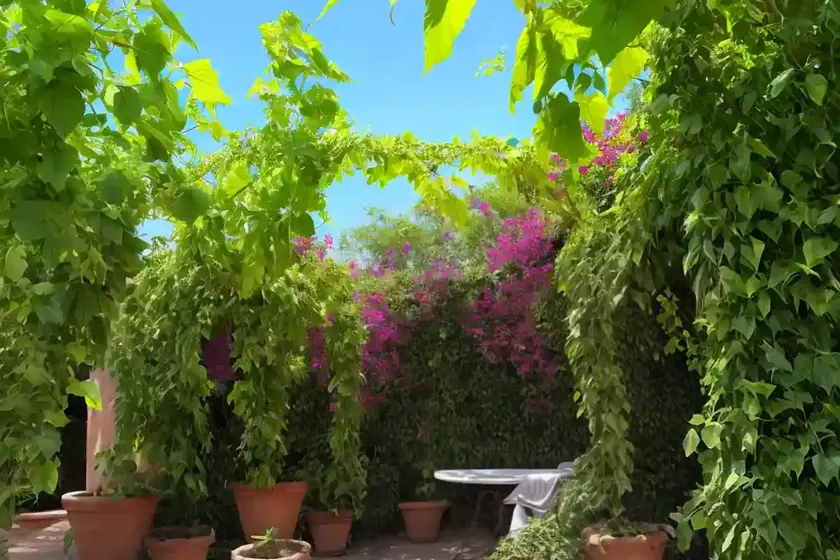
As a plant scientist, I find great joy in exploring the diverse world of plant species and their unique characteristics. Among the fascinating plants, the Queen Of Sheba-vine (Podranea Ricasoliana) stands out as an extraordinary vine with its stunning flowers, rapid growth, and versatile uses. In this comprehensive guide, we will delve into the various aspects of the Queen Of Sheba-vine, including its care, cultivation, uses, and management of pests and diseases. Whether you’re a seasoned gardener or someone who is just starting to explore the wonders of plant cultivation, this guide will provide valuable insights into this remarkable plant.
What is the Queen Of Sheba-vine (Podranea Ricasoliana)?
The Queen Of Sheba-vine, scientifically known as Podranea Ricasoliana, is an evergreen climbing vine that belongs to the Bignoniaceae family. Native to South Africa, it is also commonly referred to as the Pink Trumpet Vine or Port St. John’s Creeper. This vigorous climber is renowned for its abundance of tubular, pink flowers that bloom profusely during the warmer months, creating a breathtaking display of color.
The Queen Of Sheba-vine’s fast-growing nature and showy flowers make it a popular choice for various landscape designs, particularly in regions with a Mediterranean or subtropical climate. Whether used as a ground cover, an ornamental climber on trellises and arbors, or a container plant, the Queen Of Sheba-vine adds a touch of elegance and vibrancy to any outdoor space.
In the following sections, we will explore the key aspects of the Queen Of Sheba-vine, from its cultural requirements and propagation methods to its management in terms of pruning, fertilization, and disease prevention.
Key Takeaways – Queen Of Sheba-vine (Podranea Ricasoliana)
Before delving into the specific details of the Queen Of Sheba-vine, let’s take a quick look at the key takeaways that will be covered in this comprehensive guide:
- Culture
- Uses
- Water
- Sunlight
- Fertilizer
- Soil
- Pruning
- Propagation
- Container Popularity
- Container Common Diseases
- Disease Diagnosis
- Common Pests
- Botanist’s Tips
- Fun Facts
- Links to External Resources
Now, let’s explore each of these aspects in detail to gain a comprehensive understanding of the Queen Of Sheba-vine and how to care for it effectively.
Culture
The cultural requirements of the Queen Of Sheba-vine play a crucial role in determining its growth and overall health. Understanding its specific needs in terms of water, sunlight, soil, and climate will enable gardeners to create an environment where this spectacular vine can thrive.
Water
The Queen Of Sheba-vine requires regular watering, particularly during the growing season, to maintain optimal moisture levels in the soil. While it is important to ensure that the plant’s root zone does not become waterlogged, allowing the soil to dry out excessively between watering can stress the plant and impede its growth.
- Watering Needs:
- Adequate watering during the growing season
- Moderate water during the winter months
- Avoid waterlogged soil
Sunlight
Like many flowering vines, the Queen Of Sheba-vine thrives in full sunlight, where it can receive at least 6 to 8 hours of direct sunlight per day. Ample sunlight promotes robust growth and prolific flowering, contributing to the vine’s overall vigor and visual appeal.
- Sunlight Requirements:
- Full sunlight (6 to 8 hours per day)
- Tolerates partial shade, but flowering may be reduced
Fertilizer
To support its vigorous growth and flowering, the Queen Of Sheba-vine benefits from regular fertilization with a balanced, slow-release fertilizer. Applying a suitable fertilizer during the growing season provides the plant with essential nutrients, promoting healthy foliage and abundant blooms.
- Fertilizer Application:
- Apply a balanced, slow-release fertilizer in spring
- Avoid excessive nitrogen, which can promote excessive vegetative growth at the expense of flowers
Soil
Well-draining, fertile soil is essential for the Queen Of Sheba-vine’s optimal growth and development. A loamy soil with good moisture retention and aeration capabilities provides an ideal medium for the vine’s root system to thrive.
- Soil Preferences:
- Well-draining, loamy soil
- pH range of 6.0 to 6.5 is ideal
- Organic matter can be incorporated into the soil to improve its fertility and structure
Climate
The Queen Of Sheba-vine flourishes in Mediterranean and subtropical climates characterized by warm, dry summers and mild, wet winters. It exhibits good tolerance to drought once established, making it well-suited for regions with arid or semi-arid conditions.
- Hardiness Zones:
- Suitable for USDA hardiness zones 9 to 11
- Protect from frost in colder climates
Uses
The Queen Of Sheba-vine offers a multitude of uses in various landscape and garden settings, making it a versatile and valuable addition to outdoor spaces. Its vigorous growth, attractive flowers, and adaptability to different conditions contribute to its widespread applications.
Landscape Design
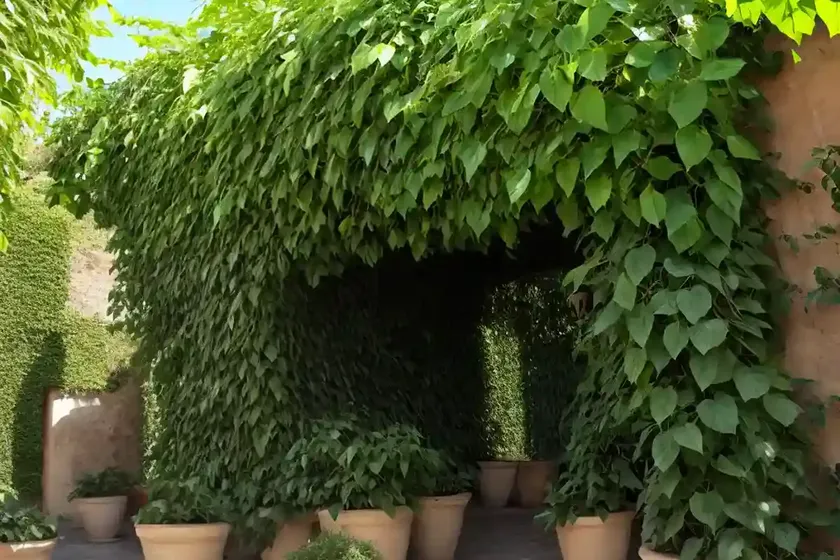
In landscape design, the Queen Of Sheba-vine serves as an exceptional ornamental fixture, whether used as a climber on trellises and arbors, a ground cover, or an accent plant. Its prolific flowering and vigorous growth make it a captivating addition to garden borders, fences, and outdoor structures, adding a touch of elegance and color to the landscape.
- Suitable Uses:
- Climbing plant on trellises, pergolas, and arbors
- Ground cover for slopes and banks
- Foliage backdrop for garden borders
- Privacy screening when trained on fences or walls
Container Planting
Due to its adaptability to container cultivation, the Queen Of Sheba-vine is an excellent choice for adding vertical interest and floral beauty to patios, balconies, and other outdoor spaces. When grown in containers, it can be trained to climb trellises or cascade over the edges, creating a stunning focal point.
- Container Uses:
- Patio or balcony container plant
- Versatile container climber
- Containerized ornamental vine for outdoor living spaces
Wildlife Habitat
The profusion of flowers produced by the Queen Of Sheba-vine attracts pollinators such as bees, butterflies, and hummingbirds, contributing to the creation of a vibrant wildlife habitat in the garden. The nectar-rich blooms provide a valuable food source for these beneficial creatures, promoting biodiversity and ecological balance.
- Wildlife Attraction:
- Attracts bees, butterflies, and hummingbirds
- Contributes to pollinator-friendly garden spaces
- Supports biodiversity in the garden ecosystem
Other Uses
Beyond its ornamental and ecological significance, the Queen Of Sheba-vine may also be utilized for other practical purposes, such as:
- Providing shade and cooling effects when grown over pergolas or arbors
- Acting as a natural screen to enhance privacy within outdoor living areas
- Cultivating as a cut flower for floral arrangements and indoor decor
The diverse uses of the Queen Of Sheba-vine underscore its value as a versatile and multifaceted plant in the realm of gardening and landscaping.
Queen Of Sheba-vine Growth
The rapid growth of the Queen Of Sheba-vine is a defining characteristic that contributes to its appeal as a vigorous climber and ornamental plant. Understanding its growth habits, including its vine structure, flowering season, and overall development, is essential for effectively managing and harnessing its growth potential.
-
Growth Rate:
- Rapid growth, particularly during the growing season
- Vigorous climbing habit with twining stems
-
Flowering Season:
- Abundant flowering during warmer months, typically from late spring to early fall
- Extended bloom period, providing long-lasting floral displays
-
Vine Structure:
- Twining nature enables the plant to climb and cling to various supports
- Lush foliage and cascading branches contribute to its ornamental appeal
Understanding the growth patterns and developmental milestones of the Queen Of Sheba-vine provides valuable insights for gardeners seeking to harness its full potential within their outdoor spaces.
Queen Of Sheba-vine Care Tips
Caring for the Queen Of Sheba-vine involves a combination of attentive maintenance practices and providing it with the essential resources it needs to thrive. By following prudent care tips, gardeners can ensure the health and vitality of the plant while maximizing its ornamental impact.
-
Regular Pruning:
- Trim back excessive growth to maintain shape and control size
- Prune after flowering to remove spent blooms and promote new growth
-
Adequate Watering:
- Provide regular watering during the growing season to maintain soil moisture
- Monitor soil moisture levels to prevent drought stress
-
Fertilization:
- Apply a balanced, slow-release fertilizer in spring for optimal growth and flowering
- Avoid over-fertilization, particularly with high-nitrogen sources
-
Sunlight Exposure:
- Position the plant in a sunny location to promote vigorous growth and prolific flowering
- Monitor for signs of sunburn or heat stress in extremely hot climates
-
Support and Training:
- Provide sturdy supports such as trellises or arbors for the vine to climb
- Guide and train the vines to ensure desired growth and coverage
By adhering to these care tips, gardeners can cultivate thriving Queen Of Sheba-vines that contribute to the beauty and vibrancy of their outdoor landscapes.
Podranea Ricasoliana Plant
The botanical characteristics and attributes of Podranea Ricasoliana, commonly known as the Queen Of Sheba-vine, encapsulate its unique identity as a captivating flowering vine. Exploring its distinctive features, growth habits, and cultural requirements provides a deeper appreciation for this exceptional plant species.
-
Foliage:
- Evergreen foliage with glossy, dark green leaves
- Lush, cascading growth habit adds to its ornamental appeal
-
Flowers:
- Abundant clusters of tubular, pink flowers
- Profuse blooming during the warmer months, creating a stunning floral display
-
Growth Habit:
- Vigorous climbing vine with twining stems
- Fast growth rate and adaptable to various training methods
-
Hardiness:
- Tolerant of drought conditions once established
- Suitable for Mediterranean and subtropical climates
Understanding the distinctive traits and growth characteristics of Podranea Ricasoliana aids in fostering its successful cultivation and management within different garden settings.
How to Propagate Queen Of Sheba-vine
Propagation methods enable gardeners to expand their Queen Of Sheba-vine collection and propagate new plants for their outdoor spaces. By employing suitable propagation techniques, such as stem cuttings or layering, enthusiasts can multiply the presence of this exceptional vine in their gardens.
Propagation Techniques
-
Stem Cuttings:
- Take 6 to 8-inch stem cuttings from healthy, non-flowering shoots in spring or early summer
- Remove lower leaves and dip the cut ends in rooting hormone
- Plant the cuttings in a well-draining, moist propagation medium
-
Layering:
- Girdle a healthy, flexible stem to wound the bark and encourage rooting
- Apply rooting hormone to the wounded area
- Bury the wounded portion in soil, ensuring it remains moist until roots develop
Ideal Propagation Conditions
-
Warm, Humid Environment:
- Provide a warm, humid environment to promote root development
- Shield propagation trays or containers from direct sunlight and drying winds
-
Moisture Management:
- Maintain consistent moisture levels in the propagation medium
- Avoid overwatering, which can lead to rotting of stem cuttings or layers
By employing these propagation techniques and providing optimal conditions, gardeners can successfully propagate new Queen Of Sheba-vine plants to enrich their garden landscapes.
Queen Of Sheba-vine Pruning
Pruning the Queen Of Sheba-vine is an essential practice for maintaining its shape, promoting abundant flowering, and managing its growth within the desired space. Understanding pruning techniques and timings is crucial for harnessing the plant’s ornamental potential while ensuring its long-term health and vigor.
Pruning Techniques
-
Post-Flowering Pruning:
- Trim back the plant after the blooming period to remove spent flowers and stimulate new growth
- Cut back any excessively long or straggly growth to maintain a neat, tidy appearance
-
Training and Shaping:
- Guide the vine’s growth by tying it to supporting structures
- Trim back unwanted or wayward growth to maintain an attractive form
Timings
-
After Flowering:
- Prune the plant after the flowering period, typically in late summer or early fall
- Avoid pruning in late fall or winter to prevent damage from frost or cold weather
-
Regular Maintenance:
- Conduct light pruning throughout the growing season as needed to manage excessive growth
By implementing proper pruning techniques and timings, gardeners can cultivate well-maintained and visually appealing Queen Of Sheba-vines within their garden landscape.
Podranea Ricasoliana Flowering Season
The Queen Of Sheba-vine undergoes a spectacular flowering season characterized by an abundance of vibrant, tubular flowers that adorn its cascading branches. Understanding the flowering season and the factors that influence blooming is instrumental in maximizing the visual impact of this stunning vine.
-
Blooming Period:
- Profuse flowering during the warmer months, from late spring to early fall
- Extended bloom period, providing continuous floral displays
-
Environmental Factors:
- Adequate sunlight exposure promotes prolific flowering
- Moisture levels in the soil influence flowering intensity and duration
-
Deadheading:
- Remove spent flowers to encourage the production of new blooms and prolong the flowering season
By embracing the nuances of the Queen Of Sheba-vine’s flowering season, gardeners can appreciate and optimize its floral splendor within their outdoor spaces.
Queen Of Sheba-vine Characteristics
The distinctive traits and attributes of the Queen Of Sheba-vine contribute to its unique charm and desirability as an ornamental plant. Understanding its key characteristics, including its foliage, flowers, and growth habits, enriches the gardening experience and enables enthusiasts to make informed decisions regarding its cultivation.
-
Foliage:
- Evergreen foliage with glossy, dark green leaves
- Lush, cascading growth habit adds to its ornamental appeal
-
Flowers:
- Abundant clusters of tubular, pink flowers
- Profuse blooming during the warmer months, creating a stunning floral display
-
Growth Habit:
- Vigorous climbing vine with twining stems
- Fast growth rate and adaptable to various training methods
-
Adaptability:
- Tolerant of drought conditions once established
- Suitable for use in various landscape and garden applications
Recognizing and appreciating these characteristics enhances the value of the Queen Of Sheba-vine as a favored addition to garden landscapes and outdoor environments.
Queen Of Sheba-vine Varieties
While the Queen Of Sheba-vine is primarily known for its captivating pink flowers and vigorous growth, exploring variations and cultivars within the Podranea Ricasoliana species offers opportunities to introduce unique characteristics and attributes into garden landscapes.
-
Flower Color Variations:
- Some varieties may exhibit variations in flower color, including shades of pink and pinkish-lavender
- Selections with distinct flower forms, such as double blooms or unique petal arrangements
-
Growth Habit Modifications:
- Compact or dwarf varieties suitable for container cultivation and smaller garden spaces
- Vine forms with altered growth habits, such as trailing or bushy architectures
-
Foliage Traits:
- Varieties with variegated foliage, offering additional visual interest
- Unique leaf shapes or textures in select cultivars
By exploring the diverse varieties and cultivars of the Queen Of Sheba-vine, gardeners can introduce a dynamic range of colors, growth habits, and foliage features into their outdoor landscapes, enhancing the ornamental diversity within their garden spaces.
Queen Of Sheba-vine Pests
Despite its resilience and vigor, the Queen Of Sheba-vine is susceptible to certain pests that can compromise its health and ornamental appeal. Identifying common pests and implementing effective management strategies is crucial for safeguarding the plant from potential infestations.
Common Pests
-
Aphids:
- Small, sap-sucking insects that cluster on tender young shoots and foliage
- In severe infestations, aphids can distort new growth and excrete honeydew, leading to sooty mold
-
Mealybugs:
- Soft-bodied insects covered in a white, waxy coating
- Mealybugs feed on plant sap and may cause stunted growth and leaf yellowing
-
Scale Insects:
- Hard, shell-like coverings protect scale insects, which feed on plant sap
- Scale infestations can lead to weakened growth and the development of sooty mold
Pest Management
-
Cultural Practices:
- Promote plant vigor through proper watering, fertilization, and suitable cultural conditions
- Monitor plant health regularly and address any signs of stress promptly
-
Natural Predators:
- Encourage natural predators such as ladybugs and lacewings to control aphid and mealybug populations
- Introduce beneficial insects or predatory mites for biological pest management
-
Horticultural Oil Sprays:
- Apply horticultural oils to suffocate and smother soft-bodied pests such as aphids and mealybugs
- Timing and thorough coverage are essential for effective pest control
By recognizing the common pests that may affect the Queen Of Sheba-vine and implementing proactive pest management measures, gardeners can mitigate potential infestations and ensure the plant’s long-term health and vitality.
Queen Of Sheba-vine Diseases
While the Queen Of Sheba-vine is generally resilient, it can be susceptible to certain diseases, particularly under unfavorable environmental conditions or inadequate cultural practices. Identifying common diseases and implementing disease prevention strategies are essential for preserving the health and vigor of the plant.
Common Diseases
-
Powdery Mildew:
- Fungal disease characterized by the development of powdery, white growth on leaves and stems
- Powdery mildew can hinder photosynthesis and weaken the plant’s overall health
-
Root Rot:
- Fungal pathogen that thrives in waterlogged or poorly-drained soil
- Symptoms include wilting, yellowing foliage, and root decay
-
Botrytis Blight:
- Gray mold caused by the Botrytis cinerea fungus, commonly affecting fading flowers
- The disease can spread rapidly under moist, humid conditions
Disease Prevention
- Sanitation:
- Remove and dispose of infected plant debris to eliminate disease sources
- Prune out and discard affected plant parts