Advertisement

Advertisement

Advertisement

Queen Of Sheba Vine (Podranea Brycei)

· · ⏰ 10 min read · 2,024 words
Disclosure: This post may contain affiliate links. If you purchase through these links, we may earn a small commission at no extra cost to you. We only recommend products we genuinely believe in. Learn more.
Home » Bignoniaceae » Queen Of Sheba Vine (Podranea Brycei)

Queen Of Sheba Vine (Podranea Brycei): A Complete Guide for Plant Enthusiasts

Plants are an integral part of our ecosystem, contributing to the beauty of our surroundings, as well as providing various ecological benefits. Today, we will delve into the Queen Of Sheba Vine, scientifically known as Podranea Brycei, to unravel its unique characteristics, ideal growing conditions, cultural significance, and much more.

What is Podranea Brycei?

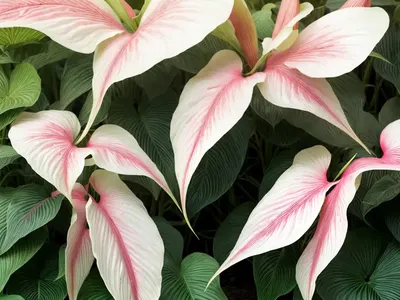
The Queen Of Sheba Vine is a captivating and vigorous climbing vine admired for its ornamental qualities, making it a valuable addition to any garden or landscape. Native to South Africa, this evergreen vine belongs to the Bignoniaceae family and is known for its profusion of striking pink trumpet-shaped flowers, which adorn its lush foliage. Its vigorous growth habit and beautiful blooms make it an ideal choice for vertical gardening, trellises, or arbors, enhancing the overall visual appeal of any outdoor space.

Advertisement

Key Takeaways – Queen Of Sheba Vine (Podranea Brycei)

Before we delve into the detailed aspects of the Queen Of Sheba Vine, let’s take a quick look at a summary of its key characteristics and requirements.

  • Family: Bignoniaceae
  • Native: South Africa
  • Common Names: Queen Of Sheba Vine, Pink Trumpet Vine, Port St. John’s Creeper
  • Growth Rate: Fast
  • Hardiness Zone: 9-10
  • Flowers: Profusion of pink trumpet-shaped blooms
  • Uses: Ornamental, Vertical Gardening, Trellis Support
  • Sunlight: Full sun to partial shade
  • Watering: Moderate
  • Soil: Well-draining, fertile soil
  • Fertilization: Balanced fertilizer during the growing season
  • Pruning: Regular to control growth and shape
  • Propagation: Softwood cuttings, seeds
  • Container Planting: Suitable for containers
  • Pests: Potential susceptibility to aphids, spider mites
  • Diseases: Minimal susceptibility to fungal diseases
  • Special Features: Bees and butterflies attractant, fragrant blooms
  • Cultural Significance: Symbolism, folklore, historical references

Now, let’s explore these key takeaways in more detail to gain a comprehensive understanding of the Queen Of Sheba Vine.

Culture

Culturally, the Queen Of Sheba Vine holds a significant place, and its charming blooms have earned it admiration across various societies. With its historical references, folklore connections, and symbolic significance, this vine transcends its role as a mere ornamental plant.

Symbolism and Cultural References

The Queen Of Sheba Vine has been associated with various cultural and symbolic meanings. In some cultures, the pink trumpet-shaped blooms symbolize grace, elegance, and beauty. Its fast-growing and climbing nature is often linked to concepts of growth, resilience, and adaptability, making it an emblem of strength and perseverance in the face of challenges.

In addition to its symbolism, the Queen Of Sheba Vine has made appearances in folklore and cultural narratives, adding to its allure and mystique. Its rich history and cultural references contribute to its appeal as a plant with a story to tell.

Uses

The Queen Of Sheba Vine serves as a versatile plant, offering a range of uses and applications, making it a desirable choice for both ornamental and practical purposes.

Ornamental Value

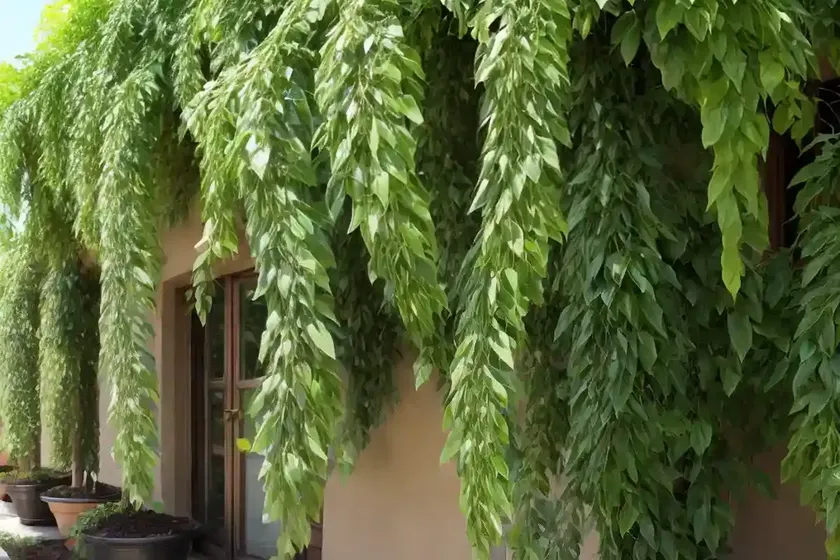
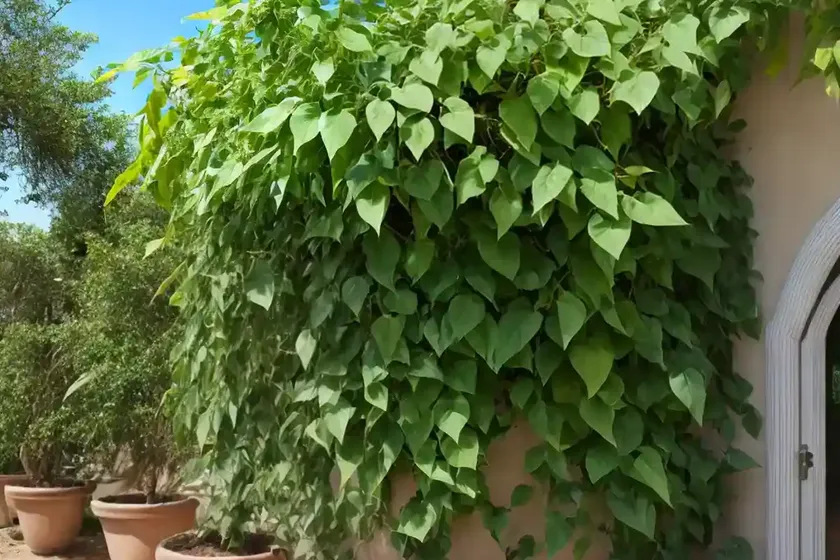
Primarily valued for its stunning visual appeal, the Queen Of Sheba Vine is often used to adorn trellises, walls, and pergolas, adding a touch of natural beauty to any outdoor setting. Its cascading growth habit and profusion of pink flowers make it a striking feature in gardens and landscapes, creating a captivating focal point.

Vertical Gardening and Trellis Support

Due to its vigorous climbing nature, the Queen Of Sheba Vine is an excellent choice for vertical gardening and as a trellis support plant. Its ability to rapidly cover vertical surfaces makes it an ideal option for adding greenery and floral beauty to areas with limited ground space.

Water

Understanding the water requirements of the Queen Of Sheba Vine is essential for ensuring its optimal growth and overall health.

Watering Needs

The Queen Of Sheba Vine thrives when provided with moderate and consistent moisture. While it is relatively adaptable to varying moisture levels, it is essential to avoid both waterlogged and extremely dry conditions. Adequate watering is particularly crucial during the initial establishment phase and periods of prolonged drought.

Sunlight

Proper sunlight exposure is vital for the Queen Of Sheba Vine to flourish and produce an abundance of blooms.

Sunlight Requirements

This vine thrives in full sun to partial shade, making it adaptable to a range of light conditions. However, to ensure prolific flowering and vigorous growth, it is best planted in a location that receives ample sunlight. Partial shade may be preferable in regions with intense heat, especially during the peak of summer.

Fertilizer

Providing adequate nutrients through fertilization is essential for sustaining the Queen Of Sheba Vine’s growth and flowering capabilities.

Fertilization Guidelines

During the growing season, a balanced fertilizer can be applied to the Queen Of Sheba Vine to support its vigorous growth and flowering. Opt for a fertilizer with balanced N-P-K (nitrogen, phosphorus, potassium) proportions, ensuring that it is applied according to the manufacturer’s recommendations. Over-fertilization should be avoided, as it can lead to excessive foliage growth at the expense of flowers.

Soil

The soil conditions in which the Queen Of Sheba Vine is planted play a crucial role in determining its overall health and vitality.

Soil Preferences

This vine thrives in well-draining, fertile soil, providing it with the necessary nutrients and moisture retention while preventing waterlogging. Amending the soil with organic matter can further enhance its fertility and moisture-holding capacity, creating an optimal growing medium for the Queen Of Sheba Vine.

Pruning

Regular pruning is an essential aspect of maintaining the Queen Of Sheba Vine’s growth and shape, ensuring its aesthetic appeal and overall health.

Pruning Practices

Pruning should be conducted to control the vine’s growth, prevent overcrowding, and shape it according to the desired form. Additionally, the removal of dead or diseased wood, as well as spent flowers, can promote new growth and flowering. Pruning can be performed during the dormant season or after the flowering period to avoid disrupting the blooming cycle.

Propagation

The propagation of the Queen Of Sheba Vine enables gardeners to expand their plant collection and share this delightful vine with others.

Propagation Methods

Softwood cuttings and seeds are popular methods for propagating the Queen Of Sheba Vine. Softwood cuttings taken during the active growing season can root quickly under favorable conditions, providing a reliable means of propagation. Alternatively, seeds can be collected and sown to produce new plants, offering an additional propagation option for enthusiasts.

Container Planting

The Queen Of Sheba Vine can thrive in containers, offering flexibility and versatility in its cultivation.

Container Considerations

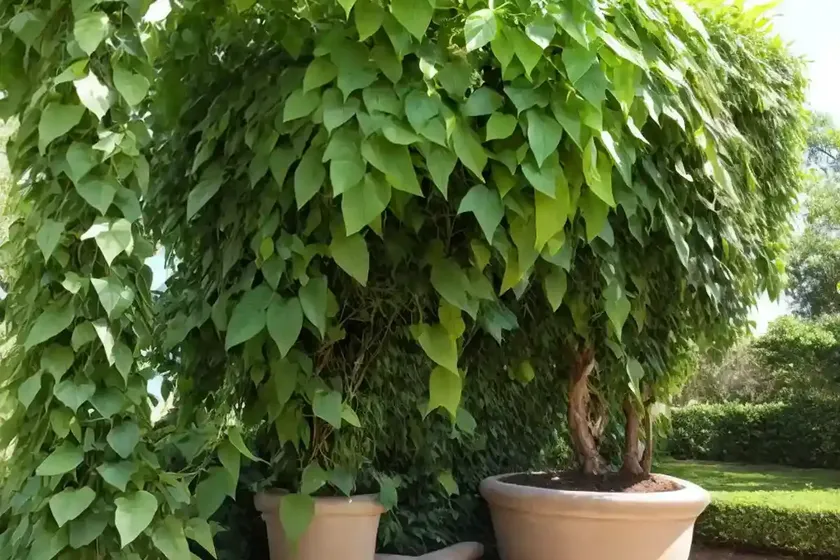
When growing this vine in containers, it is essential to choose a sufficiently large pot with proper drainage holes to facilitate healthy root development and prevent waterlogging. Additionally, providing a sturdy support structure such as a trellis within the container allows the vine to climb and flourish, making it an attractive addition to patios, balconies, and other outdoor spaces with limited ground area.

Popularity

The Queen Of Sheba Vine has gained popularity among gardeners and horticultural enthusiasts due to its enchanting blooms, vigorous growth, and adaptability.

Garden and Landscape Appeal

Its lush foliage and abundant pink flowers make the Queen Of Sheba Vine a sought-after choice for adding color and natural elegance to gardens and landscapes. Whether used as a vertical accent or allowed to sprawl along fences or arbors, this vine enhances the visual appeal of outdoor spaces, attracting admiration from all who encounter it.

Common Diseases

While generally resilient, the Queen Of Sheba Vine may be susceptible to certain diseases that can affect its overall health and appearance.

Disease Susceptibility

The Queen Of Sheba Vine is relatively resistant to most common diseases, with fungal infections being the primary concern under prolonged periods of high humidity and poor air circulation. Therefore, maintaining good cultural practices and promptly addressing any signs of disease can mitigate the risk and impact of such pathogenic infections.

Disease Diagnosis

In the event of potential disease issues, accurately diagnosing and addressing the problem is crucial for ensuring the Queen Of Sheba Vine’s recovery and long-term well-being.

Identifying Disease Symptoms

Visible symptoms such as discolored or distorted foliage, unusual spots or lesions, and stunted growth may indicate the presence of a disease. Close observation of the vine’s overall condition and thorough examination of its leaves, stems, and blooms can aid in diagnosing any underlying disease issues.

Common Pests

As with many plants, the Queen Of Sheba Vine may encounter pest challenges that require vigilance and proactive management.

Potential Pests

Aphids and spider mites are common pests that may affect the Queen Of Sheba Vine. These pests can sap the plant’s vitality by feeding on its sap, leading to distorted growth and decreased vigor. Regular monitoring and prompt intervention can help prevent pest infestations from causing significant damage.

Botanist’s Tips

As a botanist, I have gathered valuable insights and tips for growing and caring for the Queen Of Sheba Vine, which can assist enthusiasts in cultivating and appreciating this exceptional plant.

Expert Recommendations

  1. Sunlight and Temperature: Providing adequate sunlight and ensuring suitable temperature ranges are crucial for the Queen Of Sheba Vine’s overall health and blooming potential. Aim to cultivate it in a location that receives ample sunlight while protecting it from extreme heat or cold, as these factors can impact its growth and flowering.

  2. Soil and Drainage: Ensuring well-draining soil and good drainage is essential to prevent waterlogging, which can compromise the vine’s root health. Amending the soil with organic matter such as compost can enrich its fertility and enhance its moisture retention properties.

  3. Support Structure: When growing the Queen Of Sheba Vine, incorporating a sturdy support structure such as a trellis or arbor is essential to accommodate its climbing habit and encourage healthy growth. Providing a suitable framework from the outset prevents the need for disruptive repositioning as the vine establishes itself.

  4. Pruning and Maintenance: Regular pruning and maintenance practices, such as removing spent flowers and controlling the vine’s growth, are integral to promoting its vigor and ornamental appeal. Implementing a consistent pruning regimen helps shape the vine and encourages the development of new growth and flowers.

  5. Pest and Disease Management: Vigilant monitoring of potential pest and disease threats, along with prompt intervention when necessary, is fundamental to maintaining the Queen Of Sheba Vine’s well-being. Regular inspection can help identify issues early, allowing for timely and effective treatments.

Fun Facts

Let’s explore some intriguing and delightful fun facts about the Queen Of Sheba Vine, shedding light on its unique attributes and charm.

  1. Fragrant Flowers: The pink trumpet-shaped blooms of the Queen Of Sheba Vine exude a delightful fragrance, enhancing the sensory experience of encountering this captivating plant.

  2. Wildlife Attractant: Beyond its visual allure, this vine attracts beneficial wildlife such as bees and butterflies, contributing to the biodiversity and ecological vibrancy of its surroundings.

  3. Versatile Ornamental Plant: The Queen Of Sheba Vine’s adaptability and ornamental value make it a versatile choice for various landscaping and gardening applications, adding aesthetic appeal to diverse settings.

  4. Cultural Significance: With its historical and cultural references, the Queen Of Sheba Vine transcends its role as a mere ornament, carrying symbolic and narrative significance in various traditions and societies.

For further exploration and in-depth information on the Queen Of Sheba Vine, I recommend the following external resources:

As we conclude our exploration of the Queen Of Sheba Vine, it is evident that this enchanting plant offers a wealth of ornamental appeal, cultural significance, and ecological value. Whether adorning trellises, attracting wildlife, or carrying symbolic meanings, it continues to captivate plant enthusiasts and enrich outdoor spaces with its natural allure. I hope this comprehensive guide serves to deepen your appreciation for the Queen Of Sheba Vine and inspire your gardening endeavors.

With its captivating flowers, climbing habit, and cultural significance, the Queen Of Sheba Vine exemplifies the enduring charm and diversity of plants, enriching our natural surroundings and perpetuating their timeless allure.

References

  1. The Royal Horticultural Society (RHS). “Podranea brycei.” https://www.rhs.org.uk/plants/290253/Podranea-brycei/Details
  2. Missouri Botanical Garden. “Podranea brycei.” http://www.missouribotanicalgarden.org/PlantFinder/PlantFinderDetails.aspx?kempercode=d759
  3. University of Florida IFAS Extension. “Pink Trumpet Vine.” https://edis.ifas.ufl.edu/pdffiles/FP/FP16300.pdf

Advertisement

Browse Topics