Purple Coneflower (Echinacea purpurea ‘White Swan’)
Purple coneflower, also known as Echinacea purpurea ‘White Swan’, is a stunning perennial plant beloved by gardeners for its attractive white flowers and numerous medicinal properties. This plant is a member of the Asteraceae family and is native to the central United States. Its unique characteristics, including its drought tolerance and ability to attract pollinators, make it a popular choice for gardens, landscapes, and herbal remedies. In this comprehensive guide, we will explore the culture, uses, maintenance, and interesting facts about the purple coneflower, Echinacea purpurea ‘White Swan’.
Key Takeaways
- Echinacea purpurea ‘White Swan’ is a native prairie plant and a perennial garden favorite with white flowers.
- It is valued for its herbal and medicinal uses, including immune-boosting properties and natural remedies for colds.
- As a low-maintenance and drought-tolerant plant, it is an excellent choice for gardens and landscapes.
- The cultivation of Echinacea purpurea ‘White Swan’ includes considerations for water, sunlight, fertilizer, soil, pruning, propagation, and container gardening.
- This plant attracts pollinators, including butterflies and hummingbirds, and is resistant to deer and rabbits.
What is Purple Coneflower (Echinacea purpurea ‘White Swan’)?
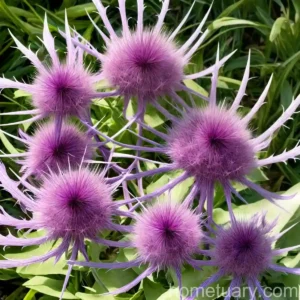
The purple coneflower, Echinacea purpurea ‘White Swan’, is a member of the Echinacea genus, which includes a diverse group of herbaceous flowering plants commonly known as coneflowers. This particular cultivar, ‘White Swan’, is known for its striking white daisy-like flowers with prominent, cone-shaped centers. It is a clump-forming perennial that typically blooms from mid to late summer, adding a burst of elegance to garden landscapes.
Echinacea purpurea ‘White Swan’ exhibits sturdy, upright stems that support its distinct blooms, making it an attractive choice for mixed borders, wildflower gardens, and naturalized landscapes. Beyond its visual appeal, the plant holds significant value in traditional and alternative medicine due to its immune-boosting and healing properties.
Culture
Cultivating Echinacea purpurea ‘White Swan’ involves understanding its specific cultural requirements, including its preferred growing conditions, soil type, water needs, and sunlight requirements. Here are the essential cultural aspects to consider when growing this exquisite coneflower:
Uses
Echinacea purpurea ‘White Swan’ possesses a diverse range of uses, making it a cherished plant for various reasons:
- Medicinal: The plant’s roots, flowers, and leaves are widely used in herbal remedies and supplements. Echinacea, known for its immune-boosting properties, is often used as a natural remedy for colds and respiratory infections.
- Gardening: As a perennial garden favorite, ‘White Swan’ contributes to the beauty of garden landscapes, attracting pollinators and adding a touch of elegance with its white flowers.
- Herbal Teas: The dried flowers can be used to prepare herbal teas, offering a delightful and health-promoting beverage option.
- Cut Flowers: Cut flowers from Echinacea purpurea ‘White Swan’ are popular for floral arrangements and home decor.
- Landscaping: The plant is valued for its ornamental qualities and contributes to mixed borders and native plant landscapes.
Water
Being a drought-tolerant plant, Echinacea purpurea ‘White Swan’ requires moderate water levels. It thrives in well-draining soils and is accustomed to the dry conditions of prairies. Adequate watering, especially during its establishment period and prolonged dry spells, is crucial for ensuring healthy growth and vibrant blooms.
Sunlight
As a sun-loving perennial, Echinacea purpurea ‘White Swan’ flourishes in full sunlight. It ideally requires at least 6-8 hours of direct sunlight each day to perform at its best and produce an abundance of flowers. Insufficient sunlight may lead to reduced blooming and overall vigor, so planting it in a sunny location is highly recommended.
Fertilizer
While Echinacea purpurea ‘White Swan’ is not excessively demanding of nutrients, providing a balanced fertilizer, low in nitrogen, can support its overall growth and flowering. A general-purpose, slow-release fertilizer applied in early spring can adequately feed the plant throughout the growing season without promoting excessive lush foliage at the expense of flowers.
Soil
The plant thrives in well-draining, moderately fertile soil. It performs best in loamy or sandy soil types with a slightly acidic to neutral pH range. Good soil drainage is essential for preventing waterlogging, which can lead to root rot and other issues. Amending heavy or poorly draining soils with organic matter can greatly improve soil structure and create a favorable environment for Echinacea purpurea ‘White Swan’.
Pruning
Pruning Echinacea purpurea ‘White Swan’ involves deadheading spent flowers to encourage continuous blooming and prevent self-seeding. Additionally, cutting back the stalks to the basal foliage at the end of the growing season helps maintain a tidy appearance and prepares the plant for the dormancy period. Pruning also allows for better air circulation around the plant, reducing the risk of diseases.
Propagation
This coneflower species can be propagated through several methods, including division, seed sowing, and root cuttings. Each propagation method offers an opportunity to grow new plants, whether for expanding the garden or sharing with fellow gardening enthusiasts. Understanding each propagation technique and its timing is essential for successful reproduction of Echinacea purpurea ‘White Swan’.
Container Popularity
Echinacea purpurea ‘White Swan’ is well-suited for container gardening, allowing individuals with limited outdoor space to enjoy its beauty and benefits. When grown in containers, the plant’s cultural needs, such as soil, water, sunlight, and fertilizer, may require slight adjustments to ensure its well-being in a restricted growing environment.
Common Diseases
Echinacea purpurea ‘White Swan’ is generally resistant to most diseases and pests, but it is not immune to certain issues that can impact its health and vitality. Understanding the common diseases affecting this coneflower cultivar, along with their symptoms and management, is essential for maintaining its robust growth and overall appearance:
Disease Diagnosis
- Powdery Mildew: Typically characterized by the powdery white growth on the leaves and stems, powdery mildew can affect the aesthetics of the plant and weaken its vigor. It often develops in conditions of high humidity and poor air circulation.
- Septoria Leaf Spot: Identified by small, dark spots with light centers on the leaves, septoria leaf spot can lead to defoliation and reduce the plant’s overall energy reserves.
- Root Rot: Overly wet and poorly drained soil can lead to root rot, manifesting as wilting foliage, stunted growth, and overall decline in the plant’s health.
- Botrytis Blight: Also known as gray mold, botrytis blight can cause brown lesions on the plant’s flowers and stems, leading to a decline in their vitality.
Common Pests
Echinacea purpurea ‘White Swan’ is relatively resistant to pests, but occasional infestations may occur and require prompt management to prevent damage. Common pests include:
- Aphids: These small, soft-bodied insects can cluster on the tender parts of the plant, sucking sap and causing distorted growth.
- Spider Mites: Spider mites can cause stippling and discoloration of the leaves, reducing the plant’s photosynthetic capacity.
- Japanese Beetles: These metallic green and copper-colored beetles can feed on the flowers and foliage, causing significant damage if left unchecked.
Botanist’s Tips
As a botanist, I have compiled a set of valuable tips for cultivating Echinacea purpurea ‘White Swan’ and ensuring its optimal growth and vitality. These tips are based on scientific knowledge and practical experience, providing valuable guidance to both novice and seasoned gardeners:
- Planting Depth: When planting Echinacea purpurea ‘White Swan’, ensure that the crown—where the stems meet the roots—is set at the soil level. Planting too deeply or too shallowly can hinder the plant’s establishment and growth.
- Overwintering: Apply a layer of organic mulch around the base of the plant in late fall to provide winter protection and insulation. This helps regulate soil temperature and prevents frost heaving.
- Deadheading: Regularly remove spent flowers to promote continuous blooming and prevent the plant from expending energy on seed production.
- Companion Planting: Pair Echinacea purpurea ‘White Swan’ with companion plants such as Rudbeckia and Agastache to create visually appealing and ecologically beneficial plant combinations.
- Natural Pest Control: Encourage beneficial insects, such as ladybugs and lacewings, to inhabit the garden to help control aphid and mite populations.
Fun Facts
- Echinacea purpurea ‘White Swan’ is named after the vibrant, purple coneflower species, despite its distinctive white blossoms.
- The plant is a favorite nectar source for butterflies and a magnet for hummingbirds, making it an excellent addition to wildlife gardens.
- Echinacea has a rich history of traditional use by Native American tribes for its medicinal properties, and it continues to be widely utilized in herbal supplements and natural remedies today.
By adhering to the cultural guidelines, understanding potential challenges, and implementing the botanist’s tips, gardeners can cultivate thriving Echinacea purpurea ‘White Swan’ plants in their landscapes, ensuring a beautiful and beneficial addition to their gardens.
Links to External Resources
For further information on Echinacea purpurea ‘White Swan’, including its cultivation, medicinal uses, and ecological significance, explore the following external resources:
- RHS Echinacea Guide
- University of Maryland Medical Center: Echinacea
- Missouri Botanical Garden: Echinacea purpurea
- American Society of Plant Biologists: Echinacea Cultivation and Uses
In conclusion, the purple coneflower, Echinacea purpurea ‘White Swan’, stands as a testament to nature’s beauty and resilience, offering an array of practical and aesthetic benefits to gardeners and herbal enthusiasts. Its timeless charm, coupled with its ecological contributions and healing properties, makes it a cherished addition to diverse landscapes and an indispensable resource in natural medicine and horticulture. Whether adorning gardens with its elegant blooms or supporting the well-being of individuals, this enchanting plant continues to captivate hearts and minds around the world.