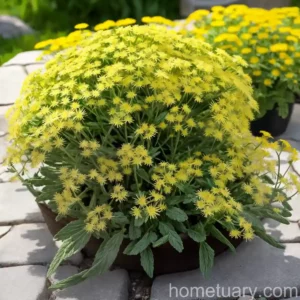
Purple Coneflower (Echinacea purpurea ‘Green Eyes’): The Ultimate Guide
Introduction
Purple coneflower, scientifically known as Echinacea purpurea ‘Green Eyes’, is a captivating perennial plant celebrated for its stunning purple flowers and unique green center. This cultivar, a member of the Asteraceae family, is a popular choice among gardeners for its ornamental appeal and various practical uses. Its attractive appearance, coupled with its hardiness and low-maintenance requirements, make it a sought-after addition to gardens and landscapes.
In this comprehensive guide, we will delve into the various aspects of the purple coneflower (Echinacea purpurea ‘Green Eyes’), including its cultural requirements, uses, propagation methods, common diseases and pests, and essential care tips that can ensure its optimal growth and longevity. Let’s embark on a journey to explore the enchanting world of this alluring and beneficial plant.
What is Purple Coneflower (Echinacea purpurea ‘Green Eyes’)?
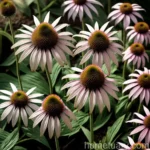
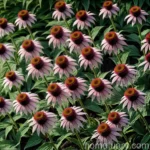
The purple coneflower, Echinacea purpurea ‘Green Eyes’, is a perennial herbaceous plant that is native to North America and is highly valued for its medicinal properties, ecological benefits, and aesthetic appeal. It typically grows to a height of 2 to 4 feet and features striking daisy-like flowers with vibrant purple petals and a distinct greenish or yellowish central cone. This unique color combination sets it apart from other Echinacea purpurea varieties, making it a standout choice for gardeners and landscape designers.
The ‘Green Eyes’ variety is a captivating selection that adds a touch of elegance to any garden or natural area. Its eye-catching blooms not only enhance the visual allure of the surroundings but also attract pollinators such as bees and butterflies, contributing to the overall biodiversity of the ecosystem. Moreover, its potential medicinal uses, primarily in enhancing immune function and supporting overall well-being, make it a valuable addition to medicinal herb gardens and natural health enthusiasts.
Key Takeaways – Purple Coneflower (Echinacea purpurea ‘Green Eyes’)
Before delving into the specific aspects of the cultivation and care of purple coneflower (Echinacea purpurea ‘Green Eyes’), let’s highlight the key takeaways that encapsulate the essence of this revered plant. Understanding these fundamental points sets the stage for a deeper exploration of its cultural requirements, uses, and maintenance practices.
-
Purple Coneflower Variety: Echinacea purpurea ‘Green Eyes’ is a distinctive variety of the purple coneflower, known for its enchanting purple flowers with striking green centers.
-
Green Eyes Echinacea Purpurea: This cultivar of Echinacea purpurea showcases greenish or yellowish eyes at the center of its radiant purple blooms, adding an element of uniqueness to its visual appeal.
-
Echinacea Purpurea Cultivar: As a cultivated form of Echinacea purpurea, ‘Green Eyes’ exhibits specific traits and characteristics that make it a coveted choice for gardeners and landscape enthusiasts.
-
Perennial Plant with Purple Flowers: The purple coneflower, a resilient perennial herbaceous plant, bears vibrant purple flowers that bloom from mid to late summer, enriching the landscape with its striking hues.
-
Native Plants for Pollinators: Echinacea purpurea ‘Green Eyes’ serves as a valuable native plant, attracting and supporting essential pollinators such as bees and butterflies, contributing to the ecological balance.
-
Medicinal Uses of Echinacea Purpurea: The Echinacea purpurea species, including the ‘Green Eyes’ variety, is renowned for its potential medicinal properties, particularly in bolstering the immune system and promoting wellness.
-
Echinacea Purpurea in Gardening: This species is a favored choice in gardening due to its versatile nature, vibrant blooms, and beneficial characteristics that enrich the garden landscape.
-
Green-Eyed Coneflower: The ‘Green Eyes’ cultivar of Echinacea purpurea is often referred to as the green-eyed coneflower, emphasizing its distinct visual feature of green or yellow central cones.
-
Tips for Growing Echinacea Purpurea: Cultivating Echinacea purpurea, especially the ‘Green Eyes’ variety, involves specific considerations and techniques that are essential for its successful growth and development.
-
Purple Coneflower with Green Center: The captivating green eyes at the center of the purple coneflower’s blooms contribute to its allure and make it a desirable choice for landscapes and gardens.
-
Attracting Butterflies with Echinacea Purpurea: The nectar-rich blooms of Echinacea purpurea, including the ‘Green Eyes’ variety, attract butterflies, elevating the visual and ecological appeal of the surroundings.
-
Echinacea Purpurea for Immune Support: The potential immune-boosting properties of Echinacea purpurea make it a valuable addition to natural health practices and herbal remedies.
-
Purple Coneflower in Landscaping: In landscaping, Echinacea purpurea ‘Green Eyes’ serves as a versatile and captivating element, contributing to the aesthetic and functional aspects of the design.
-
Cultivating Echinacea Purpurea ‘Green Eyes’: The cultivation of the ‘Green Eyes’ variety involves specific strategies and considerations to ensure its optimal growth and vitality.
-
Hardy Perennial Flowers: Echinacea purpurea, including the ‘Green Eyes’ cultivar, is renowned for its resilience as a hardy perennial, capable of enduring various environmental conditions.
-
Herbal Remedies with Echinacea Purpurea: The Echinacea purpurea species has a long-standing history of use in herbal remedies, with the ‘Green Eyes’ variety being a notable contributor to this tradition.
-
Green-Eyed Purple Coneflower: The characteristic green eyes of this coneflower variety add a touch of mystery and allure to the overall charm of the plant, making it a standout feature in any setting.
-
Planting Guide for Echinacea Purpurea: A comprehensive planting guide is essential for the successful establishment and growth of Echinacea purpurea ‘Green Eyes’ in diverse garden settings.
-
Benefits of Echinacea Purpurea in Gardens: Incorporating Echinacea purpurea, particularly the ‘Green Eyes’ variety, offers a myriad of benefits to gardens, ranging from visual appeal to ecological contributions.
-
Growing Coneflowers with Green Centers: Growing and nurturing coneflowers with distinctive green centers, such as the ‘Green Eyes’ variety, significantly enriches the diversity and beauty of flower gardens.
-
Echinacea Purpurea Species: The Echinacea purpurea species, encompassing the ‘Green Eyes’ cultivar, embodies a wealth of characteristics and potential uses that make it a valuable botanical asset.
-
Drought-Tolerant Perennial Plants: Echinacea purpurea, renowned for its resilience, is a noteworthy addition to gardens designed for low-water or drought-prone environments.
-
Echinacea Purpurea as a Natural Remedy: The plant’s historical and contemporary applications as a natural remedy underscore its significance in promoting health and well-being through herbal practices.
-
Purple Coneflower with Unique Characteristics: The distinctive traits and visual allure of the ‘Green Eyes’ variety position it as a unique and captivating specimen in gardens and natural landscapes.
-
Green Eyes Coneflower Care: Careful attention to the specific needs and requirements of Echinacea purpurea ‘Green Eyes’ is essential for ensuring its flourishing growth and long-term vitality.
-
Recommended Companion Plants for Echinacea Purpurea: Identifying suitable companion plants that complement and support the growth of Echinacea purpurea broadens the scope of garden design and plant interactions.
-
Landscaping Ideas with Echinacea Purpurea ‘Green Eyes’: Incorporating the ‘Green Eyes’ variety into landscaping designs offers a wealth of creative opportunities and aesthetic enhancements for outdoor spaces.
-
Echinacea Purpurea for Attracting Birds: Beyond attracting pollinators, Echinacea purpurea, including the ‘Green Eyes’ variety, serves as a magnet for birds, contributing to the overall wildlife appeal of the surroundings.
-
Purple Coneflower Varieties for the Garden: The diverse range of purple coneflower varieties, including ‘Green Eyes’, presents gardeners with a spectrum of choices to enliven their outdoor spaces.
-
Unique Features of Echinacea Purpurea ‘Green Eyes’: Exploring the unique characteristics and attributes of the ‘Green Eyes’ cultivar enhances the appreciation of its value and significance in horticulture.
-
Growing Perennial Plants with Colorful Flowers: Echinacea purpurea ‘Green Eyes’ epitomizes the allure of perennial plants bearing vibrant and eye-catching flowers, serving as a valuable addition to flower gardens.
-
Benefits of Growing Echinacea Purpurea: An in-depth understanding of the benefits associated with growing Echinacea purpurea underscores its value and relevance in diverse horticultural and ecological contexts.
-
Purple Coneflower Cultivars: The array of cultivars within the purple coneflower species, including ‘Green Eyes’, reflects the diversity and adaptability of this plant for different garden and landscape settings.
-
Echinacea Purpurea for Wildlife Gardens: In wildlife-friendly gardens, Echinacea purpurea ‘Green Eyes’ plays a pivotal role in supporting and sustaining diverse forms of wildlife, contributing to ecological balance.
-
Green-Eyed Perennials: The ‘Green Eyes’ variety embodies the charm and resilience characteristic of perennial plants, exhibiting a timeless appeal that enriches garden landscapes.
-
Creating a Vibrant Garden with Echinacea Purpurea: Incorporating Echinacea purpurea, especially the ‘Green Eyes’ variety, into garden designs infuses vibrancy and dynamism into outdoor spaces.
-
Growing Medicinal Herbs with Echinacea Purpurea: Embracing the cultivation of Echinacea purpurea ‘Green Eyes’ as a medicinal herb introduces an element of practicality and natural health promotion to gardening endeavors.
-
Purple Coneflower with a Striking Appearance: The visually striking appearance of the ‘Green Eyes’ variety elevates the aesthetic appeal of gardens, flower beds, and natural landscapes.
-
Echinacea Purpurea for Natural Health: The potential health benefits associated with Echinacea purpurea reaffirm its status as a valuable botanical resource for supporting holistic well-being.
-
Unique Traits of Green Eyes Echinacea Purpurea: Understanding the unique traits and attributes specific to the ‘Green Eyes’ variety enhances the appreciation and application of this plant in diverse contexts.
-
Adding Color to Your Garden with Echinacea Purpurea: The vivid blooms of Echinacea purpurea ‘Green Eyes’ serve as a colorful and captivating addition to garden palettes, enriching the visual tapestry of the surroundings.
-
Planting and Care Tips for Echinacea Purpurea ‘Green Eyes’: Implementing appropriate planting and care practices is essential for fostering the healthy growth and sustained vitality of the ‘Green Eyes’ variety in gardens and landscapes.
-
Wildflowers for Attracting Beneficial Insects: Echinacea purpurea, including the ‘Green Eyes’ variety, stands as a prime example of a wildflower that attracts beneficial insects, contributing to ecological equilibrium.
-
Echinacea Purpurea for Native Plant Gardens: The ‘Green Eyes’ variety finds a fitting place in native plant gardens, aligning with the ethos of preserving and showcasing indigenous flora within cultivated landscapes.
-
Purple Coneflower with Green Cone Center: The green cone center is a defining feature of the ‘Green Eyes’ variety, accentuating its visual allure and making it a captivating focal point in any garden setting.
-
Captivating Features of Echinacea Purpurea ‘Green Eyes’: The overall appeal of the ‘Green Eyes’ variety is underscored by its captivating features, which contribute to its desirability and practicality in diverse environments.
-
Growing Echinacea Purpurea from Seeds: Understanding the seed propagation and establishment process is pivotal for cultivating Echinacea purpurea ‘Green Eyes’ from its seeds, enabling gardeners to expand their plant populations.
-
Designing Flower Beds with Echinacea Purpurea: Incorporating Echinacea purpurea ‘Green Eyes’ into flower bed designs allows for the creation of captivating and dynamic floral displays within outdoor spaces.
-
Echinacea Purpurea for Eco-Friendly Landscapes: The ecological contributions and sustainable qualities of Echinacea purpurea ‘Green Eyes’ align with the principles of eco-friendly landscaping practices.
-
Perennial Plants for Low-Maintenance Gardens: Embracing Echinacea purpurea ‘Green Eyes’ in low-maintenance gardens underscores its resilience and adaptability to diverse environmental conditions, supporting a hassle-free gardening experience.
These key takeaways encapsulate the breadth and significance of the purple coneflower (Echinacea purpurea ‘Green Eyes’), offering a foundational understanding of its character, uses, and potential benefits in various horticultural and ecological contexts.
Culture
Uses
Water
Sunlight
Fertilizer
Soil
Pruning
Propagation
Container Popularity
Container
Common Diseases
Disease Diagnosis
Common Pests
Botanist’s Tips
Fun Facts
Links to External Resources
Conclusion
Purple coneflower (Echinacea purpurea ‘Green Eyes’) stands as a botanical marvel, gracing gardens and landscapes with its resplendent blooms, ecological contributions, and potential health benefits. From its enchanting purple petals to the alluring green centers, this cultivar captivates the senses and enriches the natural tapestry of the outdoors. By understanding and appreciating its cultural requirements, practical uses, and maintenance strategies, gardeners and enthusiasts can unlock the full potential of this remarkable plant, fostering its flourishing growth and integrated presence within diverse environmental settings.
Keep learning and growing your green thumb!