Purple Coneflower (Echinacea purpurea ‘Finale White’)
Gardening and landscaping offer a diverse array of flowering plants to choose from to create a vibrant and colorful outdoor space. One such popular and visually captivating option is the purple coneflower with the ‘Finale White’ variety. This stunning plant, scientifically known as Echinacea purpurea ‘Finale White,’ exhibits unique characteristics and brings forth a plethora of benefits to any garden or landscape. In this comprehensive guide, we will delve into the various aspects of this beautiful flowering plant including its culture, uses, care requirements, propagation, common diseases, and much more.
What is Purple Coneflower (Echinacea purpurea ‘Finale White’)?
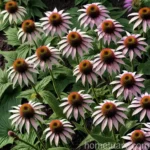
Purple coneflower is a species of flowering plant in the sunflower family, also known by its scientific name Echinacea purpurea ‘Finale White.’ It is a herbaceous perennial that is native to the eastern United States. The ‘Finale White’ variety, as the name suggests, is characterized by its distinctive white petals, adding a touch of elegance and beauty to any garden.
Key Takeaways
Before we dive into the specifics of purple coneflower ‘Finale White,’ let’s take a quick look at some key takeaways regarding this beautiful and unique plant:
- Scientific Name: Echinacea purpurea ‘Finale White’
- Common Name: Purple Coneflower ‘Finale White’
- Flower Color: White
- Plant Type: Herbaceous Perennial
- Sunlight Requirement: Full Sun to Partial Shade
- Watering Needs: Moist, Well-Draining Soil
- Soil Type: Sandy, Loamy
- Suitable for Containers: Yes
- Uses: Ornamental, Medicinal
- Attracts: Pollinators, Birds
- Common Diseases: Powdery Mildew, Aster Yellows
- Common Pests: Aphids, Japanese Beetles
Now, let’s explore the various aspects of the purple coneflower ‘Finale White’ in detail.
Culture
Understanding the cultural requirements of purple coneflower ‘Finale White’ is essential for successfully nurturing this plant in your garden or landscape. Here’s a detailed look at its cultural preferences:
Water
Purple coneflowers, including the ‘Finale White’ variety, prefer consistently moist soil, especially during the growing season. While they are relatively drought-tolerant once established, regular watering is crucial, particularly in dry conditions. Avoid overwatering, as excessive moisture can lead to root rot and other problems.
Sunlight
These plants thrive in full sunlight to partial shade. Ideally, they should receive at least 6 hours of direct sunlight per day for optimal growth and abundant flowering. In regions with hot summers, providing some afternoon shade can help protect the plants from intense heat.
Fertilizer
Purple coneflowers are not heavy feeders, and excessive fertilization can lead to leggy growth with fewer flowers. A balanced, slow-release fertilizer applied in spring as new growth emerges can provide the necessary nutrients. Additionally, incorporating organic matter into the soil during planting can promote healthy growth and profuse blooming.
Soil
Well-draining soil is crucial for the successful cultivation of purple coneflower ‘Finale White.’ It thrives in a range of soil types, including sandy and loamy soils. Amending heavy clay soils with organic matter can improve drainage and create a more suitable growing environment for these plants.
Pruning
Regular deadheading of spent flowers can encourage continuous blooming and prevent self-seeding, especially if you want to control the spread of the plant in your garden. Additionally, cutting back the stems to the basal foliage in late fall or early spring can help rejuvenate the plant and promote vigorous growth.
Uses
Purple coneflower ‘Finale White’ serves both ornamental and medicinal purposes, making it a versatile addition to any garden or landscape. Here are the primary uses of this stunning plant:
- Ornamental: The striking white petals of the ‘Finale White’ variety add a touch of elegance and visual appeal to gardens, borders, and mixed perennial plantings. They also make wonderful cut flowers, bringing their beauty indoors.
- Medicinal: Echinacea has a long history of medicinal use, particularly in Native American traditional healing practices. The roots and aerial parts of the plant are used to prepare herbal remedies known for their immune-boosting properties.
Propagation
Propagating purple coneflower ‘Finale White’ can be achieved through several methods, including division, seed sowing, and stem cuttings. Each of these methods offers its own set of advantages and considerations:
Division
Dividing established clumps of purple coneflowers is a reliable method to propagate the plants. This is best done in early spring as new growth emerges or in early fall. By carefully dividing the clumps and replanting the divisions, you can create multiple plants and rejuvenate older clumps for healthier growth and abundant flowering.
Seed Sowing
Growing purple coneflowers from seeds is a straightforward and cost-effective method of propagation. Sow the seeds in a well-prepared seedbed in fall or early spring, and ensure consistent moisture for successful germination. While seeds may take some time to mature into flowering plants, this method allows for a diverse range of new plants to be grown.
Stem Cuttings
Taking stem cuttings from healthy, established plants can also propagate purple coneflower ‘Finale White.’ Select non-flowering shoots and cut them to a suitable length, removing the lower leaves. By rooting the cuttings in a moist, well-draining medium, you can create genetically identical clones of the parent plant.
Container Popularity
The ‘Finale White’ variety of purple coneflower is well-suited for container gardening, offering a compact and visually striking option for small outdoor spaces, balconies, and patios. The plant’s adaptability, manageable size, and elegant blooms make it an ideal choice for container cultivation. When selecting a container, choose one with adequate drainage holes to ensure proper moisture management.
Container Common Diseases
While container gardening offers numerous benefits, it is essential to be aware of potential diseases that may affect purple coneflower ‘Finale White’ when grown in containers. Common diseases that can impact these plants include:
- Powdery Mildew: This fungal disease can affect the foliage, leading to a powdery white coating and diminished plant health. Proper air circulation and maintaining moderate humidity levels can help prevent powdery mildew in containers.
- Aster Yellows: This phytoplasma disease can cause abnormal growth and yellowing of the plant’s foliage. Avoid overcrowding containers, and promptly remove any infected plants to prevent the spread of aster yellows.
Disease Diagnosis
Diagnosing diseases in container-grown purple coneflower ‘Finale White’ involves careful observation of the plant’s overall health, growth patterns, and any visible symptoms. Early detection and intervention are crucial in effectively managing and treating diseases. Consult with a local gardening expert or extension service if you suspect a disease issue with your plants.
Common Pests
Container-grown plants, including purple coneflower ‘Finale White,’ may be susceptible to various pests that can impact their health and vitality. Common pests to watch out for include:
- Aphids: These small, sap-sucking insects can colonize the plant, causing distorted growth and the development of sticky honeydew on the foliage.
- Japanese Beetles: These voracious beetles can feed on the plant’s foliage and flowers, leading to visible damage and a decline in overall plant vigor.
Botanist’s Tips
As a plant scientist, I highly recommend the following tips for successfully cultivating and caring for purple coneflower ‘Finale White’:
- Pollinator Attraction: Embrace the plant’s natural ability to attract pollinators by incorporating it into pollinator-friendly gardens and landscapes. The nectar-rich flowers serve as valuable food sources for bees, butterflies, and other beneficial insects.
- Soil Preparation: Prior to planting, ensure the soil is well-prepared with adequate organic matter to promote healthy root development and overall plant vigor.
- Regular Monitoring: Keep a watchful eye on your purple coneflowers, checking for any signs of diseases, pests, or environmental stress. Early intervention can prevent issues from escalating and protect the plants’ health.
Fun Facts
To further appreciate the charm and uniqueness of purple coneflower ‘Finale White,’ here are some fun and interesting facts about this captivating plant:
- Echinacea purpurea, including the ‘Finale White’ variety, is renowned for its drought tolerance, making it an excellent choice for water-wise gardening and xeriscape landscapes.
- The vibrant white petals of the ‘Finale White’ variety create a striking contrast against the dark, cone-shaped seed heads, adding visual interest to the plant.
- Echinacea has a rich cultural and historical significance, with its usage in traditional medicine and folklore dating back centuries.
Links to External Resources
For further exploration of purple coneflower ‘Finale White’ and related topics, consider the following external resources:
- The Herb Society of America: Echinacea – An in-depth guide to the history, uses, and cultivation of Echinacea species.
- University of Vermont Extension Department of Plant and Soil Science – A comprehensive resource on the cultivation and care of Echinacea, including the ‘Finale White’ variety.
As you embark on your journey of gardening and horticulture, I hope this guide provides valuable insights into the intricate world of purple coneflower ‘Finale White.’ With its stunning white petals, versatile uses, and resilience, this plant has much to offer to both novice and experienced gardeners alike. Whether you’re seeking to enhance your landscape with its ornamental beauty or explore its medicinal attributes, purple coneflower ‘Finale White’ stands as a testament to the enduring allure of nature’s botanical wonders.