Purple Coneflower (Echinacea purpurea ‘Fatal Attraction’): A Plant Scientist’s Guide
Plants have been a source of fascination for humans for centuries. Not only do they beautify our surroundings, but they also provide essential ecosystem services and often hold medicinal and ornamental value. The Purple Coneflower (Echinacea purpurea ‘Fatal Attraction’) is a captivating perennial plant that belongs to the Asteraceae family. This plant has gained popularity not only for its stunning appearance but also for its multiple uses and benefits.
In this comprehensive guide, we will delve into the various aspects of the Purple Coneflower, from its cultural requirements and uses to its propagation and common diseases and pests. By the end of this article, you will have a holistic understanding of this captivating plant and how to care for it.
What is the Purple Coneflower (Echinacea purpurea ‘Fatal Attraction’)?
Plant Overview
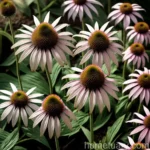
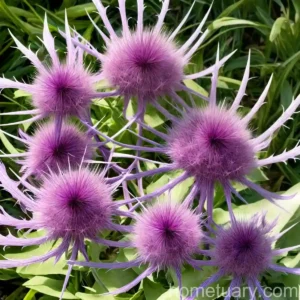
The Purple Coneflower, scientifically known as Echinacea purpurea ‘Fatal Attraction’, is a cultivar of the Echinacea purpurea species. It is renowned for its distinctive deep purple petals and prominent coppery-brown central cones, which make it a striking addition to any garden or landscape. This perennial plant is native to the eastern United States and is often found in open woodlands, dry prairies, and along the edges of forests.
The ‘Fatal Attraction’ variety of Echinacea purpurea has garnered attention for its long bloom period, making it a favorite among gardeners and landscape enthusiasts. It generally blooms from early summer through the first frosts of autumn, providing a continuous display of vibrant flowers.
Key Takeaways – Purple Coneflower (Echinacea purpurea ‘Fatal Attraction’)
- Scientific Name: Echinacea purpurea ‘Fatal Attraction’
- Common Name: Purple Coneflower
- Plant Type: Herbaceous perennial
- Bloom Time: Early summer to first frost
- Flower Color: Deep purple
- Attracts: Pollinators, such as bees and butterflies
- Uses: Medicinal, ornamental
- Hardiness Zone: 3-8
Now that we have gained an understanding of what the Purple Coneflower is, let’s explore its culture, uses, and the essential care it requires to thrive.
Culture
Cultural requirements play a vital role in the successful growth and development of any plant. Understanding the ideal conditions for the Purple Coneflower is crucial for ensuring its robust growth and prolific flowering.
Water
Purple Coneflowers are known for their drought tolerance, making them suitable for xeriscapes and water-wise gardens. While they can withstand periods of dryness, they benefit from regular watering, especially during the hot summer months. Adequate moisture promotes healthy root development and vibrant blooms. It is essential to provide well-draining soil to prevent waterlogging, which can lead to root rot.
Watering Tips:
– Water deeply but infrequently to encourage deep rooting.
– Allow the soil to dry slightly between waterings to prevent overwatering.
Sunlight
As sun-loving plants, Purple Coneflowers thrive in full sun to partial shade. They require at least 6 hours of direct sunlight each day to bloom prolifically and maintain sturdy, upright growth. Insufficient sunlight can result in leggy or floppy plants with reduced flower production.
Sunlight Requirements:
– Plant in a location that receives ample sunlight for most of the day.
– In hot climates, provide some light afternoon shade to prevent scorching.
Fertilizer
While Purple Coneflowers are relatively low-maintenance, they benefit from occasional fertilization to support healthy growth and prolific flowering. A balanced, slow-release fertilizer applied in early spring can provide the necessary nutrients for robust plant development.
Fertilization Guidelines:
– Use a fertilizer with a balanced NPK ratio, such as 10-10-10 or 5-10-5.
– Apply fertilizer sparingly, as excessive nutrients can lead to lush foliage at the expense of flowers.
Soil
Well-draining soil is essential for the Purple Coneflower, as it helps prevent waterlogged conditions and root rot. A loamy, slightly acidic to neutral soil with good fertility is ideal for this plant. Amending the soil with organic matter, such as compost, can improve its texture and nutrient content. Additionally, a soil pH of 6.0 to 7.0 is suitable for optimal growth.
Soil Preparation:
– Incorporate organic matter into the planting area to improve soil structure.
– Test the soil pH and make adjustments if necessary to achieve the ideal range for Echinacea purpurea.
Pruning
Pruning plays a crucial role in maintaining the health and appearance of Purple Coneflowers. Regular deadheading of spent blooms not only encourages continuous flowering but also prevents the plant from self-seeding excessively. Additionally, removing faded flowers can help redirect the plant’s energy towards producing new blooms rather than setting seeds.
Pruning Tips:
– Deadhead spent flowers to promote prolonged blooming.
– Cut back the plant to the basal foliage in late fall or early spring to rejuvenate growth.
Propagation
Propagating the Purple Coneflower allows you to expand your plant collection and share the beauty of this species with others. This plant can be propagated through various methods, including division, seed sowing, and cuttings.
Division
Dividing mature clumps of Echinacea purpurea is a reliable method of propagation, particularly during the early spring or early autumn. Dividing the root clumps not only creates new plants but also revitalizes the parent plant, promoting vigorous growth and flowering.
Division Steps:
1. Carefully dig up the plant, ensuring that you encompass a substantial portion of the root system.
2. Use a sharp, sterile tool to divide the root clump into sections, ensuring that each division has healthy roots and shoots.
3. Replant the divisions at the appropriate spacing, and water them thoroughly to promote establishment.
Seed Sowing
Growing Purple Coneflowers from seeds is an excellent way to introduce genetic diversity and expand the variety of colors and forms in your garden. Direct sowing seeds in the garden or starting them indoors can yield new plants with unique characteristics.
Seed Sowing Guidelines:
– Sow seeds in well-draining soil and lightly cover them with a thin layer of soil.
– Keep the soil consistently moist until the seeds germinate, which typically takes 10-20 days.
– Transplant seedlings to their permanent location once they have developed several sets of true leaves.
Cuttings
Propagating Purple Coneflowers from stem cuttings can be a rewarding way to create new plants that are genetically identical to the parent. Softwood or semi-hardwood cuttings taken from healthy, disease-free plants can root relatively quickly under the right conditions.
Cutting Propagation Steps:
1. Select a healthy stem with several sets of leaves, and make a clean cut just below a leaf node.
2. Dip the cut end in a rooting hormone to promote root development.
3. Plant the cutting in a well-draining rooting medium, and provide the appropriate humidity and warmth for rooting to occur.
Container Popularity
The allure of Purple Coneflowers extends beyond traditional garden beds, as these plants also thrive in containers. Growing them in pots and containers offers several advantages, including portability, space utilization, and the ability to create stunning focal points on patios, balconies, and rooftop gardens.
When choosing a container for Purple Coneflowers, opt for a spacious, well-draining pot that accommodates the plant’s root system and allows for adequate airflow. Terra cotta or lightweight resin containers are excellent choices for growing this species.
Container Care Guidelines:
- Use a high-quality potting mix that provides good drainage and aeration.
- Place the container in a location that receives ample sunlight, ensuring that the plant’s light requirements are met.
- Water the plant regularly, being mindful of the soil moisture levels in the container environment.
Common Diseases
Despite their overall resilience, Purple Coneflowers are susceptible to certain diseases that can affect their health and appearance. Understanding these common diseases and their potential management strategies is crucial for ensuring the longevity of your Echinacea purpurea ‘Fatal Attraction’.
Disease Diagnosis
-
Powdery Mildew: This fungal disease presents as a powdery white coating on the leaves and stems of the plant. It thrives in humid conditions and can weaken the plant over time if left untreated. Good air circulation and proper spacing between plants can help reduce the risk of powdery mildew.
-
Botrytis Blight: Also known as gray mold, botrytis blight causes brownish-gray lesions on the plant’s foliage and flowers. This disease is favored by moist conditions and poorly ventilated plantings. Removing affected plant parts and maintaining proper airflow can help manage botrytis blight.
-
Root Rot: Excessive soil moisture and poor drainage can lead to root rot, which manifests as discolored, mushy roots and wilting foliage. Avoid overwatering and ensure that the soil has adequate drainage to prevent this condition.
Common Pests
While Purple Coneflowers are relatively resistant to pest infestations, there are a few pests that may pose a threat to the plant’s health. Identifying these pests and implementing appropriate control measures can help safeguard your Echinacea purpurea ‘Fatal Attraction’ from damage.
Botanist’s Tips: Pest Management
-
Aphids: These small, soft-bodied insects often cluster on the undersides of leaves, sucking sap from the plant. A strong spray of water or insecticidal soap can help control aphid populations without harming beneficial insects.
-
Japanese Beetles: These voracious feeders can skeletonize the foliage of Purple Coneflowers, causing significant damage. Hand-picking adult beetles and using physical barriers can help manage Japanese beetle infestations.
-
Caterpillars: Certain caterpillar species, such as the common garden looper, may feed on the leaves of Purple Coneflowers. Bacillus thuringiensis (Bt) products can effectively control caterpillars without harming non-target insects.
Fun Facts
Did You Know?
- Echinacea purpurea ‘Fatal Attraction’ is often used in herbal medicine for its purported immune-boosting properties.
- The name “Echinacea” is derived from the Greek word “echinos,” which means hedgehog, referencing the spiky central cones of the plant’s flowers.
- Purple Coneflowers are valuable nectar sources for pollinators, contributing to the overall biodiversity of natural habitats.
- The vibrant flowers of Purple Coneflowers make stunning cut arrangements, adding a pop of color to floral displays.
With these cultural insights, propagation techniques, and pest and disease management strategies, you are well-equipped to cultivate and care for the Purple Coneflower (Echinacea purpurea ‘Fatal Attraction’). Whether you are a seasoned gardener or just beginning your plant journey, the allure of this captivating species can enrich your outdoor spaces and provide numerous benefits to pollinators and humans alike.
Links to External Resources
For further information and in-depth resources on purple coneflowers and Echinacea purpurea ‘Fatal Attraction’, we recommend exploring the following links:
- The Royal Horticultural Society – Echinacea purpurea ‘Fatal Attraction’
- University of Vermont Extension Department of Plant and Soil Science – Growing Echinacea
- American Botanical Council – Echinacea purpurea: Echinacea Drug Products Versus Dietary Supplements
- North Carolina State Extension – Coneflowers for the Gardener
- University of Maryland Extension – Echinacea: Growing and Using Echinacea
- Missouri Botanical Garden – Echinacea purpurea ‘Fatal Attraction’
These resources offer a wealth of knowledge on Echinacea purpurea, Purple Coneflowers, and related topics, providing valuable insights for plant enthusiasts, herbalists, and gardeners.
In conclusion, the Purple Coneflower (Echinacea purpurea ‘Fatal Attraction’) beckons with its vibrant blooms, medicinal potential, and ecological significance. By incorporating this resilient and beautiful plant into your landscape, you can contribute to the health of local ecosystems while enjoying its ornamental and functional benefits.
Remember to embrace the joy of nurturing and observing these enchanting flowers as they bloom and attract a myriad of pollinators, adding vibrancy and life to your outdoor spaces. Happy planting!
In this article, we have covered a wide array of topics related to the Purple Coneflower (Echinacea purpurea ‘Fatal Attraction’), addressing its cultural requirements, propagation methods, pest and disease management, and fun facts. We have also included links to external resources for further exploration. If you require any additional information or have specific inquiries, feel free to reach out for personalized guidance.