Purple Beech (Fagus Sylvatica (Atropurpurea Group)
The Purple Beech, scientifically known as Fagus sylvatica (Atropurpurea Group), is a captivating deciduous tree that belongs to the Fagaceae family. Known.
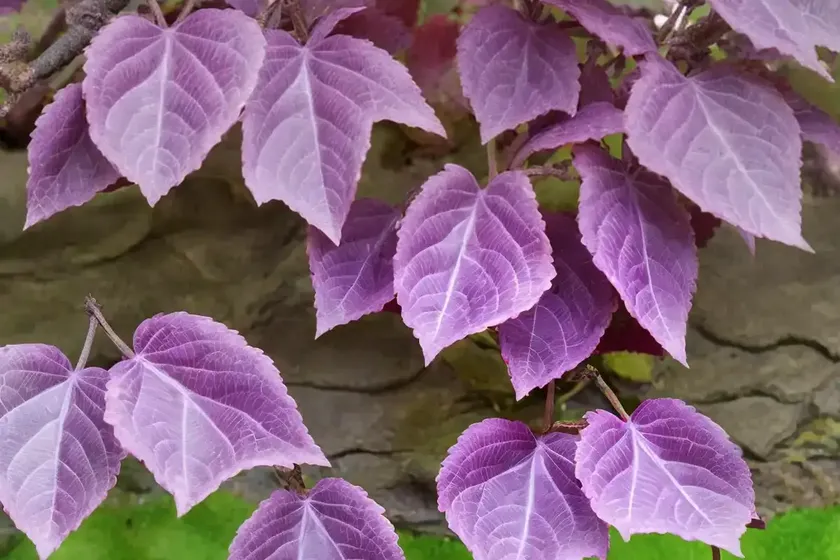
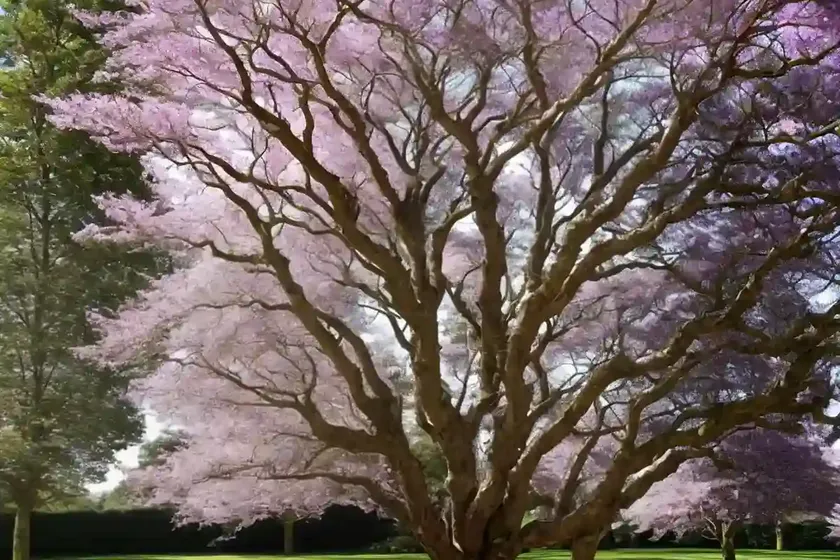
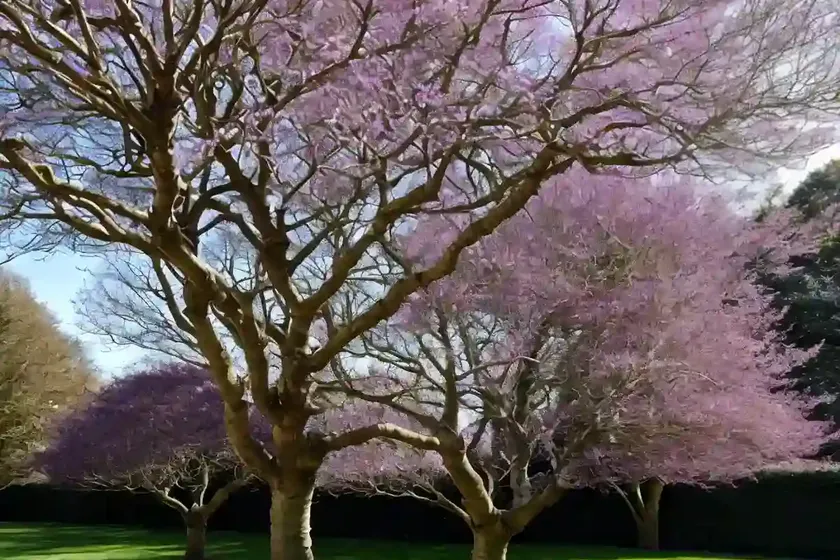
The Purple Beech, scientifically known as Fagus sylvatica (Atropurpurea Group), is a captivating deciduous tree that belongs to the Fagaceae family. Known for its striking purple foliage, the Purple Beech is a popular choice for landscaping and garden enthusiasts. In this comprehensive guide, we will delve into the various aspects of the Purple Beech, including its culture, uses, care requirements, and maintenance tips. Additionally, we will explore common diseases, pests, propagation methods, and interesting facts about this remarkable tree.
What is the Purple Beech?
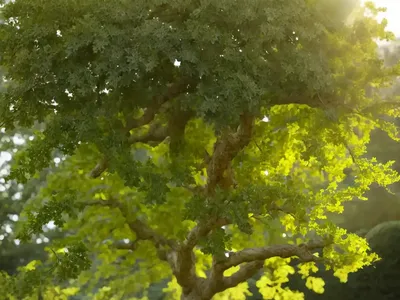
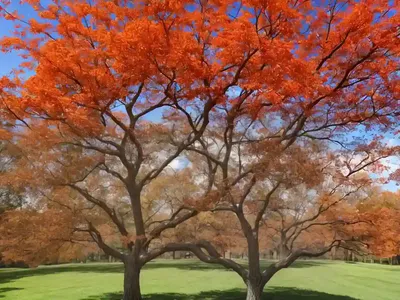
The Purple Beech, or Fagus sylvatica (Atropurpurea Group), is a cultivar of the European Beech (Fagus sylvatica). This distinctive variety is renowned for its deep purple leaves, adding a bold and dramatic element to any landscape. The Purple Beech is a medium to large-sized tree characterized by its broad, spreading crown and smooth grey bark. It typically reaches a height of 40-60 feet with a spread of 40-60 feet, forming an elegant silhouette that enhances the visual appeal of any setting.
Key Takeaways – Purple Beech (Fagus sylvatica (Atropurpurea Group))
- The Purple Beech, part of the Fagus sylvatica species, is acclaimed for its vibrant purple foliage and attractive form.
- This ornamental tree is prized for its versatility in landscaping, offering shade and aesthetic value to gardens and parklands.
- Understanding the cultural requirements, propagation methods, and common issues associated with the Purple Beech is essential for successful cultivation.
Culture
Water
Proper watering is essential for the establishment and sustenance of Purple Beech trees. It is crucial to ensure adequate moisture levels, particularly during the tree’s early stages of growth. While Purple Beech trees are relatively tolerant of drought conditions once established, consistent watering, especially during dry periods, promotes overall health and vitality. However, it is important to prevent overwatering, as this can lead to root rot and other detrimental conditions.
Sunlight
Purple Beech trees thrive in locations that offer full to partial sunlight. Adequate exposure to sunlight is imperative for the development of the tree’s characteristic purple foliage. When selecting a site for planting Purple Beech trees, it is advisable to choose an area that receives at least 4-6 hours of direct sunlight daily. While the Purple Beech exhibits a preference for sunlight, it can also tolerate partial shade, making it a versatile option for various garden settings.
Fertilizer
Applying a balanced fertilizer can significantly enhance the growth and vibrancy of Purple Beech trees. A slow-release fertilizer, specifically formulated for deciduous trees, can be applied in early spring to provide essential nutrients for healthy foliage development. Additionally, mulching around the base of the tree with organic matter such as compost or bark helps maintain soil moisture and enriches the soil with valuable nutrients.
Soil
The Purple Beech thrives in well-drained, fertile soil with a slightly acidic to neutral pH range. Ensuring good soil drainage is crucial for preventing waterlogged conditions, which can be detrimental to the tree’s root system. Before planting, it is recommended to amend the soil with organic matter to improve its structure and fertility. This establishes an optimal growing environment for the Purple Beech, supporting robust growth and vitality.
Pruning
Pruning is an essential practice for maintaining the health, form, and aesthetics of Purple Beech trees. Regular pruning helps eliminate dead or diseased branches, promotes air circulation within the canopy, and controls the tree’s size and shape. Pruning is typically conducted during the dormant season to minimize stress on the tree. Additionally, removing lower branches can elevate the canopy, creating space and visual appeal beneath the tree. It is important to use sharp, sterilized tools when pruning to prevent the spread of diseases and ensure clean, precise cuts.
Propagation
The propagation of Purple Beech trees can be achieved through various methods, including seed propagation, hardwood cuttings, and grafting.
Seed Propagation
Propagation from seeds involves collecting ripe seeds from the Purple Beech tree in the fall. The seeds are then sown in well-prepared seedbeds or containers and covered with a light layer of soil. Adequate moisture and protection from extreme temperatures are essential for successful germination. While seed propagation is an option, it is important to note that the resulting seedlings may exhibit variations in leaf color and other characteristics, as they may not be true to the parent tree.
Hardwood Cuttings
Hardwood cuttings are another viable propagation method for the Purple Beech. Selecting healthy, mature branches and taking cuttings during the dormant season can yield successful results. The cuttings are then treated with a rooting hormone and placed in a growing medium, where they develop root systems over time. This method allows for the production of new plants with characteristics closely resembling those of the parent tree.
Grafting
Grafting is a reliable technique used to propagate Purple Beech trees while preserving specific desirable traits. It involves joining a selected scion, which contains the desired characteristics, to a compatible rootstock. Grafting provides a means of reproducing trees with consistent leaf color and other ornamental features, ensuring uniformity and quality in the resulting plants.
Container Popularity
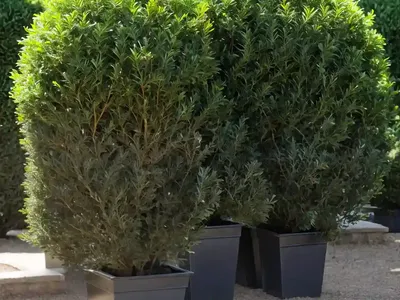
The Purple Beech is increasingly popular as a container tree, adding a touch of elegance to patios, terraces, and outdoor living spaces. Its compact form, coupled with its captivating foliage, makes it a sought-after choice for container gardening. When growing Purple Beech in containers, it is essential to select a sizable container that provides ample space for root development. Additionally, using a well-draining potting mix and implementing a regular watering and fertilization regimen are essential for container-grown Purple Beech trees.
Common Diseases
Despite its hardiness, the Purple Beech is susceptible to certain diseases that can impact its overall health and appearance. Understanding these diseases and their associated symptoms is crucial for effective management and prevention.
Beech Bark Disease
Beech Bark Disease, caused by the interaction between a scale insect and a fungus, poses a significant threat to beech trees, including the Purple Beech. This devastating disease manifests through cankers on the tree’s bark, ultimately leading to dieback and decline. Implementing preventive measures, such as promoting overall tree health and conducting regular inspections, is essential for mitigating the impact of Beech Bark Disease.
Powdery Mildew
Powdery mildew is a common fungal disease that can affect the Purple Beech, particularly in warm, humid conditions. The presence of a white powdery coating on the leaves indicates the onset of this disease. Proper air circulation, adequate sunlight exposure, and the removal of affected plant debris can help prevent and control powdery mildew.
Phytophthora Root Rot
Phytophthora root rot, caused by soil-borne pathogens, can pose a significant threat to the root system of the Purple Beech. The disease results in root decay, ultimately leading to impaired water and nutrient uptake. Implementing proper drainage measures and avoiding overwatering are critical for reducing the risk of Phytophthora root rot.
Disease Diagnosis
Accurately diagnosing diseases affecting the Purple Beech is crucial for implementing targeted management strategies. Consulting with a certified arborist or plant health specialist can provide valuable insight into identifying and addressing specific diseases. Observing and documenting symptoms such as leaf discoloration, canker formation, and unusual growth patterns enables a comprehensive assessment of the tree’s health. Additionally, conducting laboratory tests on affected plant samples can facilitate precise disease diagnosis.
Common Pests
In addition to diseases, the Purple Beech is vulnerable to certain pests that can impact its vitality and aesthetic appeal. Recognizing these pests and understanding their life cycles and habits is essential for effective pest management.
Beech Scale
Beech scale insects can infest the Purple Beech, posing a threat to its overall well-being. These small, oval-shaped insects produce a waxy coating, impacting the tree’s vigor and leading to the development of sooty mold. Implementing horticultural oils and natural predators of scale insects can aid in controlling their populations and minimizing their impact on Purple Beech trees.
Gypsy Moth
The gypsy moth, with its voracious appetite for foliage, can defoliate Purple Beech trees if left unchecked. Monitoring the presence of gypsy moth egg masses and employing integrated pest management practices, including biological controls and targeted insecticides, can help mitigate the potential damage caused by this pest.
Caterpillars
Various caterpillar species can feed on the foliage of Purple Beech trees, potentially causing significant defoliation. Regularly monitoring the tree for the presence of caterpillars and their damage enables timely intervention, such as the application of insecticidal treatments or the encouragement of natural predators to control their populations.
Botanist’s Tips
Soil Amendments
Incorporating organic matter, such as compost or well-rotted manure, into the soil can improve its structure and fertility, creating an optimal growing environment for Purple Beech trees. Additionally, the addition of organic amendments contributes to enhanced moisture retention and nutrient availability, supporting the tree’s health and growth.
Mulching
Applying a layer of mulch around the base of Purple Beech trees offers numerous benefits, including moisture retention, weed suppression, and insulation against temperature extremes. Organic mulch materials, such as shredded bark or wood chips, provide valuable nutrients as they break down, enriching the soil and promoting a healthy root environment.
Regular Inspection
Conducting regular inspections of Purple Beech trees allows for the early detection of potential issues, including diseases, pests, and environmental stressors. Close observation of the tree’s foliage, bark, and overall vitality facilitates proactive intervention, ensuring the sustained health and beauty of the tree.
Fun Facts
- The Purple Beech, with its striking purple foliage, serves as an eye-catching focal point in garden landscapes and parklands.
- Fagus sylvatica (Atropurpurea Group) is celebrated for its exquisite autumn display, transitioning from deep purple to rich coppery tones.
- The Purple Beech has a long history of cultivation, dating back to the 18th century, and continues to captivate garden enthusiasts and landscape designers worldwide.
Links to External Resources
For further information on the Purple Beech (Fagus sylvatica (Atropurpurea Group)), the following resources provide valuable insights into its cultivation, care, and ornamental value:
- Royal Horticultural Society – Fagus sylvatica ‘Atropunicea’: RHS – Fagus sylvatica ‘Atropunicea’
- Missouri Botanical Garden – Fagus sylvatica: MOBOT – Fagus sylvatica
- The Morton Arboretum – Fagus sylvatica ‘Atropurpurea’: Morton Arboretum – Fagus sylvatica ‘Atropurpurea’
In conclusion, the Purple Beech (Fagus sylvatica (Atropurpurea Group)) stands as a remarkable and esteemed addition to any landscape, offering unparalleled beauty and ornamental value. Understanding its cultural requirements, potential issues, and propagation methods empowers enthusiasts and horticulturists to cultivate and appreciate this captivating tree to its fullest potential. With its resplendent purple foliage and graceful form, the Purple Beech continues to leave an indelible impression in gardens, parks, and arboreta around the world.
By delving into the nuances of its care and appreciation, we can further enrich our horticultural experiences and embrace the enduring allure of the Purple Beech.