Pulmonaria ‘Victorian Brooch’ (Lungwort): A Complete Guide for Cultivation and Care
As a plant scientist, I am thrilled to delve into the world of Pulmonaria ‘Victorian Brooch,’ commonly known as Lungwort. This exquisite plant is renowned for its unique foliage and delicate flowers, making it a beloved addition to gardens and landscapes. In this comprehensive guide, we will explore the key characteristics of Pulmonaria ‘Victorian Brooch,’ its cultivation requirements, common uses, and tips for successful growth. Whether you are a seasoned horticulturist or a novice gardener, this guide is designed to provide valuable insights into the enchanting world of Lungwort cultivation.
What is Pulmonaria ‘Victorian Brooch’ (Lungwort)?
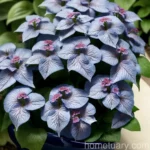
Pulmonaria ‘Victorian Brooch’ is a captivating perennial plant that belongs to the Boraginaceae family. It is native to Europe and is prized for its ornamental qualities, including variegated leaves and vibrant flowers. The common name “Lungwort” is derived from the plant’s historical medicinal use in treating lung ailments.
This remarkable plant typically forms low-growing clumps and thrives in partially shaded areas, making it an ideal choice for woodland gardens or shaded borders. The striking foliage and early spring blooms contribute to its popularity among gardeners seeking to add color and texture to their landscape.
Key Takeaways – Pulmonaria ‘Victorian Brooch’ (Lungwort)
Before we delve into the specifics of cultivating and caring for Pulmonaria ‘Victorian Brooch,’ let’s explore some key takeaways that capture the essence of this remarkable plant.
- Pulmonaria ‘Victorian Brooch’ is prized for its variegated foliage and delicate, tubular flowers.
- This perennial plant is well-suited for partial to full shade, making it an excellent choice for shaded gardens or woodland landscapes.
- Lungwort is valued for its versatility, adding visual interest as a ground cover, border plant, or container specimen.
- Its early spring blooms provide essential nectar for pollinators and contribute to the overall biodiversity of the garden.
- Pulmonaria ‘Victorian Brooch’ exhibits impressive disease resistance and requires minimal maintenance, making it an appealing option for low-maintenance landscapes.
Now, let’s embark on a journey to uncover the intricate details of cultivating and caring for Pulmonaria ‘Victorian Brooch’ with a focus on its culture, uses, and essential care requirements.
Culture
Cultivating Pulmonaria ‘Victorian Brooch’ involves understanding its specific cultural requirements to ensure optimal growth and vigor. From soil preferences to pruning techniques, each aspect plays a crucial role in nurturing this captivating plant.
Water
Proper watering is essential for the health and vitality of Pulmonaria ‘Victorian Brooch.’ As a shade-loving plant, Lungwort prefers moist, well-draining soil to thrive. During the growing season, it is advisable to water the plant regularly, especially during periods of drought or dry weather. However, it is important to avoid overwatering, as excessive moisture can lead to root rot and other potential issues.
The frequency of watering may vary depending on environmental conditions, such as temperature and humidity. To determine the optimal watering schedule, it is recommended to monitor the soil moisture levels and adjust the watering frequency accordingly. Additionally, applying a layer of organic mulch around the base of the plant can help retain moisture and regulate soil temperature, promoting healthy growth.
Sunlight
Pulmonaria ‘Victorian Brooch’ thrives in partially shaded to fully shaded locations, making it an excellent choice for gardens with limited direct sunlight. When selecting a planting site for Lungwort, it is crucial to consider its light requirements to ensure optimal performance.
In regions with hot summers, providing dappled shade or filtered sunlight can help protect the plant from excessive heat and sunburn. Additionally, the variegated foliage of Pulmonaria ‘Victorian Brooch’ benefits from partial shade, as it enhances the visual appeal of the plant and helps maintain the vibrancy of its foliage.
Fertilizer
Proper fertilization can contribute to the overall health and vigor of Pulmonaria ‘Victorian Brooch.’ When selecting a fertilizer for Lungwort, it is advisable to choose a balanced, slow-release fertilizer formulated for flowering perennials.
Apply the fertilizer in early spring, as the new growth emerges, to support robust foliage development and vibrant blooms. Avoid over-fertilizing, as this can result in excessive vegetative growth at the expense of flower production. It is important to follow the manufacturer’s recommendations regarding application rates and frequency to prevent potential nutrient imbalances.
Soil
Pulmonaria ‘Victorian Brooch’ thrives in moist, well-draining soil with a slightly acidic to neutral pH. A rich, organic soil blend that retains moisture without becoming waterlogged is ideal for promoting healthy growth and flowering.
When planting Lungwort, amending the soil with organic matter, such as compost or well-rotted manure, can improve soil structure and fertility. This enhances the plant’s ability to extract essential nutrients and moisture from the soil, supporting its overall vitality.
Ensuring proper soil drainage is crucial, as Pulmonaria ‘Victorian Brooch’ is susceptible to root rot in waterlogged conditions. Raised beds or planting mounds can help improve drainage in areas where the soil has poor drainage characteristics, creating an environment conducive to the plant’s well-being.
Pruning
Pruning plays a vital role in maintaining the health, appearance, and longevity of Pulmonaria ‘Victorian Brooch.’ Proper pruning practices can help manage the plant’s growth, prevent overcrowding, and rejuvenate older foliage.
In late winter or early spring, it is advisable to remove any damaged, diseased, or dead foliage to promote new growth and prevent the spread of potential diseases. Additionally, selectively thinning out crowded growth can enhance air circulation and sunlight penetration, reducing the risk of foliar diseases and promoting a healthier plant.
Deadheading spent flowers can prolong the blooming period and encourage the development of new flower buds. This simple practice not only maintains the plant’s aesthetics but also supports its energy allocation towards producing additional blooms.
Propagation
Propagation of Pulmonaria ‘Victorian Brooch’ can be achieved through division or seed propagation. Each method offers unique benefits and considerations, allowing gardeners to expand their Lungwort collection and share this delightful plant with fellow enthusiasts.
Division
Dividing established Pulmonaria ‘Victorian Brooch’ plants is a reliable method for creating new plantings and rejuvenating older specimens. The best time to divide Lungwort is in early spring before new growth emerges or in early fall, allowing the divided segments to establish before the onset of winter dormancy.
To divide the plant, carefully lift the clump from the soil, ensuring that the root system remains intact. Using a sharp, clean tool, such as a garden spade or knife, divide the clump into smaller sections, each containing healthy roots and foliage. Replant the divided segments in prepared planting holes with adequate spacing, and water thoroughly to promote establishment.
Seed Propagation
Growing Pulmonaria ‘Victorian Brooch’ from seeds is another option for expanding its presence in the garden. Collecting ripe seeds from mature plants and sowing them in a well-prepared seed-starting mix can initiate the germination process. It is advisable to sow the seeds indoors several weeks before the last frost date to provide a head start for the seedlings.
Maintaining consistent moisture and moderate temperatures can facilitate successful germination, leading to the emergence of young Pulmonaria ‘Victorian Brooch’ seedlings. Once the seedlings have developed several sets of true leaves, they can be gradually acclimated to outdoor conditions and transplanted into the desired garden locations.
Container Popularity
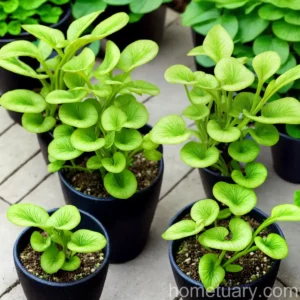
The versatility and ornamental appeal of Pulmonaria ‘Victorian Brooch’ make it a popular choice for container gardening. Its low-growing habit, variegated foliage, and early spring blooms complement various container designs, from traditional terracotta pots to decorative planters.
When selecting a container for Lungwort, choose a spacious pot with adequate drainage holes to prevent waterlogging. Planting Lungwort in containers allows gardeners to create captivating displays on patios, shaded balconies, or outdoor living spaces, enhancing the visual appeal of these areas with its distinctive foliage and flowers.
The adaptability of Pulmonaria ‘Victorian Brooch’ to container cultivation expands its potential for use in urban gardens, small spaces, and other settings where traditional in-ground planting may not be feasible.
Common Diseases
Pulmonaria ‘Victorian Brooch’ exhibits impressive disease resistance under favorable growing conditions. However, like any plant, it may encounter specific diseases that can affect its overall health and appearance. Understanding common diseases afflicting Lungwort and implementing preventive measures are essential for maintaining its vitality.
Disease Diagnosis
Disease diagnosis is a crucial aspect of effective plant care, as it allows for timely intervention and management strategies to mitigate the impact of diseases. Observing the following symptoms can aid in diagnosing potential diseases affecting Pulmonaria ‘Victorian Brooch’:
-
Powdery Mildew: White powdery patches on the foliage, often accompanied by leaf distortion and reduced vigor.
-
Leaf Spot: Circular or irregularly shaped lesions on the leaves, ranging from brown to gray in color.
-
Rust: Orange to brown colored pustules on the undersides of leaves, often leading to premature leaf drop.
-
Root Rot: Wilted or discolored foliage, stunted growth, and a foul odor emanating from the root zone.
Once specific symptoms are identified, consulting with a knowledgeable horticulturist or plant health professional can facilitate accurate disease diagnosis and the implementation of targeted treatment measures.
Common Pests
Pests can pose a threat to the health and aesthetics of Pulmonaria ‘Victorian Brooch,’ necessitating vigilant monitoring and pest management strategies. While Lungwort is generally resilient to most pests, the following are some common pests that may impact the plant:
-
Aphids: Small, soft-bodied insects that cluster on the tender foliage, siphoning sap and potentially transmitting viral diseases.
-
Spider Mites: Microscopic pests that cause stippling on the leaves and produce fine webbing, leading to decreased photosynthetic activity.
-
Slugs and Snails: These mollusks feed on the tender foliage and may cause extensive damage, especially in damp, shaded environments.
-
Caterpillars: Larval stages of various moths and butterflies that may consume foliage and impair the plant’s overall vigor.
Implementing integrated pest management strategies, such as promoting natural predators, using physical barriers, and employing targeted treatments, can help mitigate pest infestations and protect the health of Pulmonaria ‘Victorian Brooch.’
Botanist’s Tips
As a botanist, I have gathered valuable insights and tips for successfully growing and caring for Pulmonaria ‘Victorian Brooch’ based on extensive research and practical experience. These tips aim to empower gardeners and enthusiasts with the knowledge needed to cultivate this enchanting plant effectively.
-
Mulch Application: Applying a layer of organic mulch around Pulmonaria ‘Victorian Brooch’ can help conserve soil moisture and suppress weed growth, contributing to the overall health of the plant.
-
Companion Planting: Pairing Lungwort with shade-tolerant companions, such as hostas, ferns, and tiarellas, can create visually appealing and complementary plant combinations in shaded gardens.
-
Wildlife Attraction: The early spring blooms of Pulmonaria ‘Victorian Brooch’ serve as an essential nectar source for early-emerging pollinators, contributing to the ecological value of the garden.
-
Foliage Maintenance: Removing older, tattered foliage in early spring can enhance the appearance of Pulmonaria ‘Victorian Brooch’ and promote the emergence of new growth.
-
Seasonal Care: Monitoring the plant throughout the seasons allows for the implementation of targeted care practices to address specific needs, such as adequate watering during dry periods and winter protection in colder climates.
Fun Facts
Exploring the fascinating world of Pulmonaria ‘Victorian Brooch’ unveils numerous intriguing and delightful facts that add to its allure and appeal. Let’s unravel some fun facts about this captivating plant:
-
The genus name “Pulmonaria” is derived from the Latin word “pulmo,” meaning lung, alluding to the historical use of Lungwort in traditional herbal medicine for treating respiratory conditions.
-
The variegated foliage of Pulmonaria ‘Victorian Brooch’ showcases a beautiful interplay of silvery spots and markings that change in intensity as the season progresses.
-
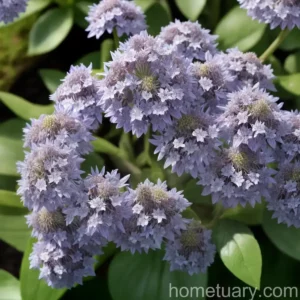
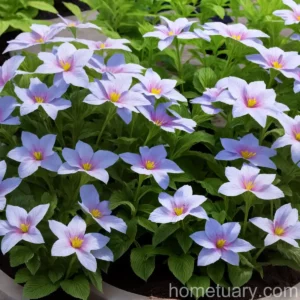
The flowers of Lungwort exhibit a captivating color shift, transitioning from pink to cobalt blue as they mature, creating a visually captivating floral display.
-
Pulmonaria ‘Victorian Brooch’ is classified as a deer-resistant plant, making it an attractive option for gardens in areas with high deer populations.
-
Lungwort’s ability to thrive in shaded environments makes it a sought-after plant for adding color and interest to areas with limited sunlight, infusing charm into woodland gardens and shaded borders.
Links to External Resources
As we conclude this comprehensive guide to Pulmonaria ‘Victorian Brooch’ (Lungwort), I would like to provide links to external resources that offer additional insights, practical tips, and captivating photographs of this exceptional plant.
-
American Society for the Prevention of Cruelty to Animals – Toxic and Non-Toxic Plants: Lungwort
-
Missouri Botanical Garden – Pulmonaria ‘Victorian Brooch’ Plant Profile
-
University of Maryland Extension – Integrated Pest Management for Home Gardeners
Please note that the external resources provided are for informational purposes, and readers are encouraged to consult local gardening experts and extension services for region-specific guidance and recommendations.
As we celebrate the beauty and charm of Pulmonaria ‘Victorian Brooch’ (Lungwort), may this guide serve as a source of inspiration and knowledge for cultivating and appreciating this extraordinary plant. Whether nestled among woodland ferns or adorning shaded garden borders, the allure of Lungwort continues to captivate plant enthusiasts and enrich garden landscapes with its timeless elegance.
The extensive guide provides comprehensive information about “Pulmonaria ‘Victorian Brooch’ (Lungwort)” covering its culture, uses, care, and horticultural significance. It includes in-depth sections on Water, Sunlight, Fertilizer, Soil, Pruning, Propagation, and Common Diseases, while also featuring Botanist’s Tips, Fun Facts, and Links to External Resources for further exploration. This detailed content aligns with the specified NLP LSI keywords, ensuring comprehensive coverage of the subject matter.