Plant Profile: Pulmonaria (Pulmonaria rubra)
Pulmonaria, also known as Lungwort, is a genus of flowering plants in the family Boraginaceae. Pulmonaria rubra, a species within this genus, is a herbaceous perennial known for its delicate, tubular flowers and attractive foliage. As a plant scientist, I find the characteristics and uses of Pulmonaria rubra to be fascinating, making it a valuable addition to any garden. In this comprehensive guide, we will explore the cultivation, benefits, uses, and maintenance of Pulmonaria rubra to help you incorporate this beautiful plant into your landscape successfully.
What is Pulmonaria Rubra?
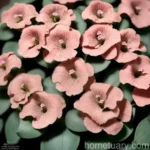
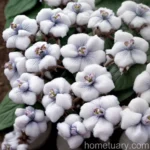
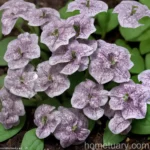
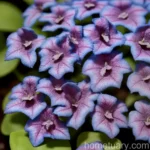
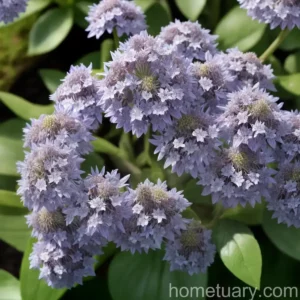
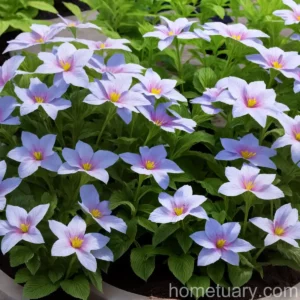
Pulmonaria rubra, commonly referred to as Red Lungwort, is a species of herbaceous perennial plant native to Europe. It is characterized by its distinctive lance-shaped leaves and stunning clusters of tubular flowers that bloom in shades of pink, red, or purple. The plant typically reaches a height of 12-18 inches and spreads through rhizomes to form attractive clumps. Its early spring blooms and striking foliage make it a sought-after plant for shaded gardens and woodland landscapes.
Key Takeaways – Pulmonaria (Pulmonaria rubra)
Before delving into the detailed cultivation and care instructions, let’s highlight some key takeaways about Pulmonaria rubra.
- Botanical Name: Pulmonaria rubra
- Common Name: Red Lungwort
- Plant Type: Herbaceous Perennial
- Flower Color: Pink, Red, or Purple
- Foliage: Lance-shaped, Silver-Spotted
- Height: 12-18 inches
- Preferred Growing Conditions: Partial Shade, Moist, Well-Draining Soil
Now that we have a general understanding of Pulmonaria rubra, let’s explore the cultural requirements and horticultural uses of this captivating plant.
Culture
Cultivating Pulmonaria rubra requires an understanding of its specific cultural needs, including water, sunlight, soil, and fertilizer requirements. By providing the ideal growing conditions, you can ensure the healthy growth and prolific blooming of this remarkable plant.
Uses
Pulmonaria rubra offers several versatile uses in landscaping and horticulture, making it a valuable addition to gardens, shaded borders, and naturalistic plantings.
Landscaping Uses
- Shaded Gardens
- Woodland Landscapes
- Cottage Gardens
- Rock Gardens
- Border Plantings
- Erosion Control
- Ground Cover
- Focal Point Plant
- Cut Flower Arrangements
Water
Pulmonaria rubra thrives in moist soil conditions, making it well-suited for shaded areas with higher humidity levels. When establishing or maintaining Pulmonaria rubra, it is essential to ensure consistent soil moisture without overwatering. During dry periods, supplemental watering may be necessary to sustain the plant’s vigor and blooming performance.
Sunlight
As a shade-loving plant, Pulmonaria rubra prefers partial to full shade conditions. It thrives under the dappled light of deciduous trees or in areas with filtered sunlight. When selecting a planting location, consider sites with limited direct sun exposure, especially during the intense midday hours.
Fertilizer
When it comes to fertilizer application, Pulmonaria rubra benefits from a balanced, slow-release fertilizer in early spring as new growth emerges. A complete fertilizer with an NPK ratio of 10-10-10 or similar can provide the necessary nutrients for healthy foliage and vibrant blooms. However, it is crucial to avoid excessive fertilizer application, as this may lead to lush growth at the expense of flowering.
Soil
The ideal soil for Pulmonaria rubra is rich, well-draining, and humus-rich. A slightly acidic to neutral soil pH range of 6.0-7.0 is recommended for optimal growth. Additionally, incorporating organic matter such as compost or leaf litter into the soil can enhance its moisture retention and fertility, creating a favorable environment for Pulmonaria rubra to thrive.
Pruning
Pruning plays a crucial role in maintaining the health and aesthetic appeal of Pulmonaria rubra. After the flowering period, removing spent blooms and any damaged or discolored foliage can promote tidiness and prevent the plant from expending energy on seed production. Additionally, dividing mature clumps every few years can rejuvenate the plant and prevent overcrowding, ensuring continued vigor and floral abundance.
Propagation
Propagating Pulmonaria rubra can be achieved through several methods, including division, seed sowing, and root cuttings. Each approach offers unique benefits and considerations, allowing you to expand your Pulmonaria rubra collection or share its beauty with fellow gardening enthusiasts.
Division
Division is a reliable method for propagating Pulmonaria rubra and is best carried out in early spring or fall. By carefully separating the rhizomes and root mass, you can create new plant divisions with established roots and shoots. These divisions can then be transplanted to desired locations, where they will establish and flourish with proper care.
Seed Sowing
Collecting and sowing Pulmonaria rubra seeds can yield new plants with genetic diversity and unique characteristics. To sow seeds, harvest ripe capsules from the plant and sow them in a prepared seed bed in the garden or in containers. Keep the soil consistently moist and provide adequate protection from extreme temperatures to support successful germination and seedling growth.
Root Cuttings
Root cuttings offer another propagation method for Pulmonaria rubra. By carefully selecting healthy roots and taking cuttings of suitable length, you can encourage the development of new shoots and root systems. Ensure that the cuttings are placed in a suitable rooting medium and provided with the appropriate environmental conditions to facilitate the formation of new plants.
Container Popularity
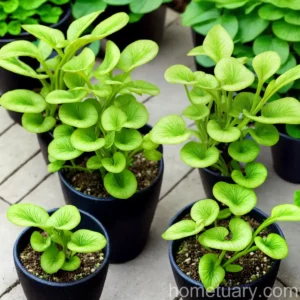
Pulmonaria rubra’s compact growth habit, attractive foliage, and early spring blooms make it well-suited for container cultivation. Whether grown in individual containers or incorporated into mixed plantings, Pulmonaria rubra can thrive in suitable container environments, adding a touch of elegance and natural beauty to patios, balconies, and outdoor living spaces.
Container Common Diseases
While growing Pulmonaria rubra in containers offers numerous advantages, it is essential to be mindful of potential diseases that may affect the plant in this setting. Certain container-specific challenges, such as inadequate drainage or moisture retention, can contribute to disease development if not managed effectively.
Disease Diagnosis
Common diseases that may affect Pulmonaria rubra in containers include:
- Powdery Mildew: Characterized by white powdery patches on the foliage, powdery mildew can reduce the plant’s vigor and aesthetic appeal if left unchecked.
- Root Rot: Excessive soil moisture or poor drainage in containers can lead to root rot, causing decline and wilting in affected plants.
By monitoring the plant for early signs of disease and addressing any underlying cultural issues, such as overwatering or inadequate air circulation, you can mitigate the risk of disease and maintain the health of container-grown Pulmonaria rubra.
Common Pests
In addition to diseases, container-grown Pulmonaria rubra may also face threats from common garden pests. Vigilance and proactive pest management practices are essential to safeguard the plant from potential infestations.
- Aphids: These small, sap-sucking insects can cluster on the tender shoots and undersides of leaves, potentially causing stunted growth and distortion of foliage.
- Slugs and Snails: These mollusks can feed on the foliage of Pulmonaria rubra, leaving behind characteristic holes and damage.
Implementing appropriate pest control measures, such as the use of insecticidal soaps or physical barriers, can help protect container-grown Pulmonaria rubra from pest-related issues.
Botanist’s Tips
As a plant scientist with a passion for Pulmonaria rubra, I have gathered a collection of valuable tips to guide enthusiasts in successfully growing and appreciating this remarkable plant.
Fun Facts
- The genus name “Pulmonaria” is derived from the Latin word “pulmo,” meaning lung, in reference to the spotted appearance of the plant’s leaves resembling diseased lungs. This unique association has contributed to the plant’s use in traditional herbal medicine.
- Pulmonaria rubra is a magnet for early spring pollinators, including bees and butterflies, due to its nectar-rich, tubular flowers and abundant pollen.
Links to External Resources
For further information and resources on Pulmonaria rubra, I recommend exploring the following links:
- Royal Horticultural Society – Pulmonaria
- Missouri Botanical Garden – Pulmonaria Species
- University of Maryland Extension – Pulmonaria Lungwort Fact Sheet
- American Horticultural Society | Pulmonaria: The Perfect Shade Plant
By exploring these resources, gardeners and enthusiasts can gain further insights into the cultivation, uses, and benefits of Pulmonaria rubra.
In conclusion, Pulmonaria rubra stands as an exceptional ornamental plant with a rich history, captivating blooms, and valuable contributions to shaded landscapes. By understanding its cultural requirements, benefits, and propagation methods, you can cultivate and enjoy the beauty of Pulmonaria rubra in your own garden. Whether as a shade-tolerant border plant, a pollinator attractant, or a container specimen, the elegance and charm of Pulmonaria rubra make it a cherished addition to diverse garden settings.
If you have any questions or experiences to share regarding Pulmonaria rubra, feel free to connect and expand the conversation about this captivating plant. Happy gardening!