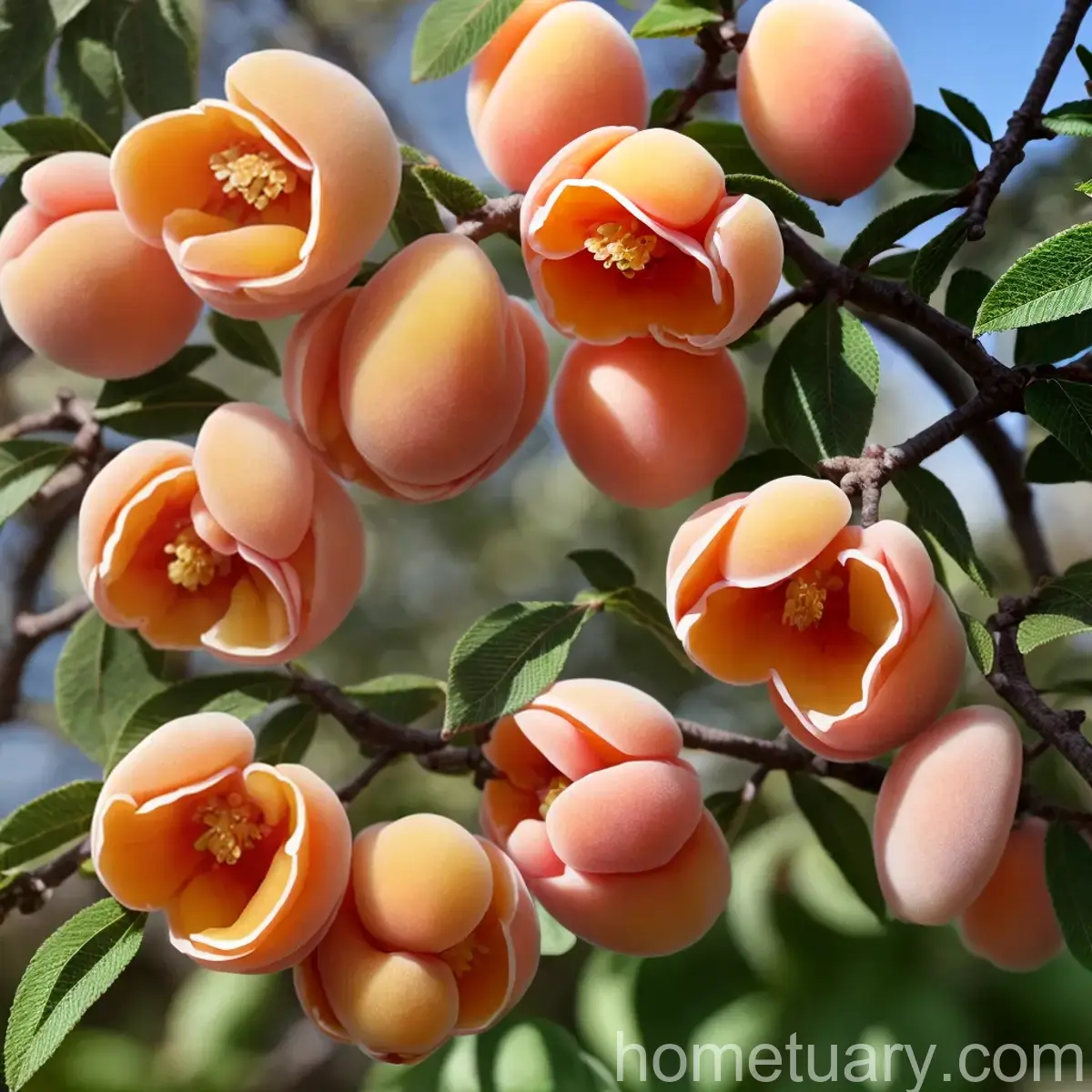
Prunus armeniaca ‘Chinese’ (Apricot)
Prunus armeniaca, commonly known as apricot, is a species of Prunus, classified with the cherry, almond, peach, and plum in the rose family (Rosaceae). The species name armeniaca refers to the species’ supposed origin in Armenia. The fruit is closely related to the plum and peach, and while classified as a drupe (a fruit with a central stone surrounding the seed), its outer fleshy part is similar to that of a peach.
The Chinese apricot, also known as Prunus armeniaca ‘Chinese’, is a specific cultivar of the apricot tree. Known for its delectable fruit, the Chinese apricot is prized by horticulturists for its exquisite flavor and delicate blossoms.
Key Takeaways – Prunus armeniaca ‘Chinese’ (Apricot)
- Scientific Name: Prunus armeniaca ‘Chinese’
- Common Name: Chinese apricot
- Family: Rosaceae
- Type: Deciduous tree
- Origin: China
- Uses: Culinary, ornamental
- Hardiness Zone: 4-9
- Mature Height: 15-20 feet
- Mature Spread: 15-20 feet
- Sunlight: Full sun
- Soil: Well-drained, fertile
- Water: Regular watering
- Fertilizer: Balanced fertilizer in spring
- Pests: Aphids, scale insects
- Diseases: Brown rot, powdery mildew
- Propagation: Grafting, seed
- Pruning: Late winter or early spring
Now, let’s delve into the various aspects of the Chinese apricot, including its culture, uses, care requirements, and interesting facts.
Culture
Uses
The Chinese apricot is primarily cultivated for its delicious, aromatic fruit. However, it also possesses ornamental value due to its lovely pink and white blossoms in spring. The fruit is used fresh, dried, or in cooking to add a sweet, subtly tart flavor to various dishes, including desserts, salads, and savory recipes.
Water
Proper watering is essential for the growth and development of Chinese apricot trees. The soil should be kept consistently moist but not waterlogged, especially during the growing season and when the tree is bearing fruit. A general guideline is to provide 1-2 inches of water per week, either through rainfall or irrigation.
Sunlight
Chinese apricot trees thrive in full sun, requiring at least 6-8 hours of direct sunlight for optimal growth and fruit production. Placing the tree in a location with ample sunlight also ensures the best display of its beautiful blossoms.
Fertilizer
To support healthy growth and fruit production, Chinese apricot trees benefit from a balanced fertilizer application in early spring, just before new growth begins. An all-purpose fertilizer with a balanced ratio of nitrogen, phosphorus, and potassium will provide the necessary nutrients for the tree’s requirements.
Soil
Well-drained and fertile soils are ideal for planting Chinese apricot trees. A slightly acidic to neutral pH range of 6.0-7.5 is suitable for optimal growth. Additionally, incorporating organic matter into the soil during planting can enhance its fertility and structure.
Pruning
Pruning plays a crucial role in maintaining the health and productivity of Chinese apricot trees. This includes removing dead, diseased, or damaged branches, as well as thinning out excessive growth to improve air circulation and sunlight penetration within the canopy. Late winter or early spring, while the tree is still dormant, is the best time for pruning to minimize stress and facilitate rapid healing of pruning wounds.
Propagation
Chinese apricot trees can be propagated through grafting or from seed. Grafting is a common method used to replicate the specific characteristics of the desired cultivar, ensuring that the new tree retains the same fruit quality and flavor. Seeds can also be used for propagation, though the resulting trees may not exhibit identical traits to the parent plant.
Container Popularity
The Chinese apricot is well-suited for container cultivation, making it an excellent choice for urban or space-limited environments. Its manageable size, beautiful blossoms, and delicious fruit make it a popular container plant for home gardeners and urban orchard enthusiasts.
Container Common Diseases
When grown in containers, Chinese apricot trees may be susceptible to certain diseases commonly associated with confined growing conditions, such as root rot and fungal infections. Maintaining proper watering and drainage, as well as providing adequate air circulation, can help mitigate the risk of these diseases.
Disease Diagnosis
Understanding common diseases that affect Chinese apricot trees is essential for timely and effective management. By monitoring the tree for symptoms such as fruit rot, leaf spots, or dieback, gardeners can promptly diagnose and address any potential disease issues. Consultation with a plant health specialist may be necessary for accurate diagnosis and treatment recommendations.
Common Pests
Chinese apricot trees are vulnerable to certain insect pests, including aphids and scale insects, which can pose a threat to the tree’s overall health and fruit production. Regular monitoring and appropriate pest management strategies can help prevent infestations and minimize potential damage.
Botanist’s Tips

As a botanist, I recommend the following tips for successfully growing and caring for Chinese apricot trees:
- Select a suitable site with well-drained soil and full sun exposure for planting.
- Prune the tree annually to remove dead or diseased wood and promote a healthy, open canopy.
- Provide regular irrigation, especially during dry periods, to support fruit development and overall tree vitality.
- Apply a balanced fertilizer in spring to supply essential nutrients for robust growth and fruit production.
- Monitor the tree for signs of pests and diseases, and implement integrated pest management practices as needed.
- Consider container cultivation for space-efficient growing and ornamental display of the Chinese apricot.
Fun Facts
- The Chinese apricot is one of the earliest fruit trees to bloom in spring, producing beautiful pink and white blossoms that add visual appeal to the landscape.
- The fruit of the Chinese apricot is rich in vitamins A and C, making it a nutritious addition to a balanced diet.
- In traditional Chinese medicine, apricot kernels are used for various health benefits, including respiratory support and skincare.
Links to External Resources
For further information on the culture, care, and uses of the Chinese apricot, explore the following resources:
- Prunus armeniaca ‘Chinese’ Fact Sheet – University of California Agriculture and Natural Resources
- Growing Apricots in the Home Garden – Texas A&M AgriLife Extension
- Apricot Cultivars, A Review – International Journal of Agriculture and Biology
- Pest Management Guidelines for Apricot – University of California Statewide Integrated Pest Management Program
In conclusion, the Chinese apricot, Prunus armeniaca ‘Chinese’, is a delightful fruit tree with both culinary and ornamental appeal. By understanding its culture, care requirements, and unique characteristics, gardeners can cultivate and appreciate this exceptional tree in their home landscapes or container gardens.
Keywords: Apricot tree, Chinese apricot, Prunus armeniaca ‘Chinese’, Chinese apricot tree, Apricot varieties, Prunus armeniaca cultivar ‘Chinese’, Chinese apricot plant, Prunus armeniaca ‘Chinese’ description, Growing Chinese apricot, Apricot tree care, Chinese apricot species, Prunus armeniaca ‘Chinese’ facts, Chinese apricot cultivation, Prunus armeniaca ‘Chinese’ characteristics, Chinese apricot garden, Prunus armeniaca ‘Chinese’ information, Chinese apricot tree size, Prunus armeniaca ‘Chinese’ benefits, Chinese apricot tree varieties, Prunus armeniaca ‘Chinese’ planting tips, Chinese apricot tree diseases, Prunus armeniaca ‘Chinese’ care guide, Chinese apricot tree pruning, Prunus armeniaca ‘Chinese’ uses, Chinese apricot tree maintenance, Prunus armeniaca ‘Chinese’ propagation, Chinese apricot tree pests, Prunus armeniaca ‘Chinese’ growing conditions, Chinese apricot tree health, Prunus armeniaca ‘Chinese’ pruning techniques, Chinese apricot tree pollination, Prunus armeniaca ‘Chinese’ harvesting time, Chinese apricot tree fertilizer, Prunus armeniaca ‘Chinese’ soil requirements, Chinese apricot tree sun exposure, Prunus armeniaca ‘Chinese’ climate tolerance, Chinese apricot tree water needs, Prunus armeniaca ‘Chinese’ disease resistance, Chinese apricot tree fruit characteristics, Prunus armeniaca ‘Chinese’ flowering season, Chinese apricot tree root system, Prunus armeniaca ‘Chinese’ propagation methods, Chinese apricot tree pruning schedule, Prunus armeniaca ‘Chinese’ benefits for wildlife, Chinese apricot tree companion plants, Prunus armeniaca ‘Chinese’ landscape uses, Chinese apricot tree aesthetics, Prunus armeniaca ‘Chinese’ medicinal properties, Chinese apricot tree blossom colors, Prunus armeniaca ‘Chinese’ fruit quality