Pregnant Onion (Albuca Bracteata)
Welcome fellow plant enthusiasts to our in-depth guide to the remarkable Pregnant Onion plant (Albuca bracteata)! In this comprehensive article, we will.
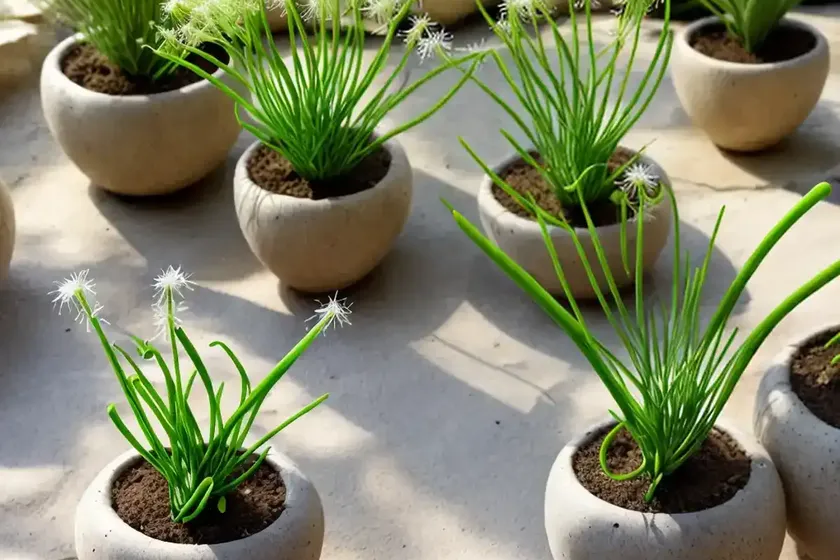
Welcome fellow plant enthusiasts to our in-depth guide to the remarkable Pregnant Onion plant (Albuca bracteata)! In this comprehensive article, we will explore everything you need to know about this unique and intriguing plant, from its cultural significance to its practical uses and cultivation requirements. Whether you are a seasoned horticulturist or a novice gardener, this guide will provide you with valuable insights into the care and propagation of the Pregnant Onion plant. So, let’s dive into the captivating world of Albuca bracteata and unlock the secrets of nurturing and enjoying this extraordinary botanical gem.
What is the Pregnant Onion (Albuca bracteata)?
Albuca bracteata, commonly known as the Pregnant Onion or False Sea Onion, is a species of flowering plant in the Asparagaceae family. Native to South Africa, this perennial herbaceous plant is renowned for its striking appearance and unique growth habit. Despite its common name, the Pregnant Onion is not a true onion (Allium spp.), but rather a member of the Albuca genus, which encompasses over 50 species of bulbs and rhizomes.
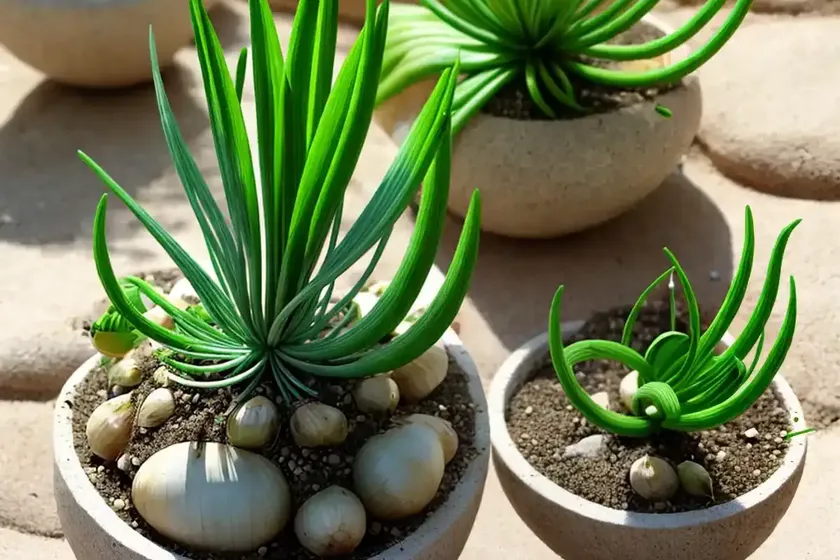
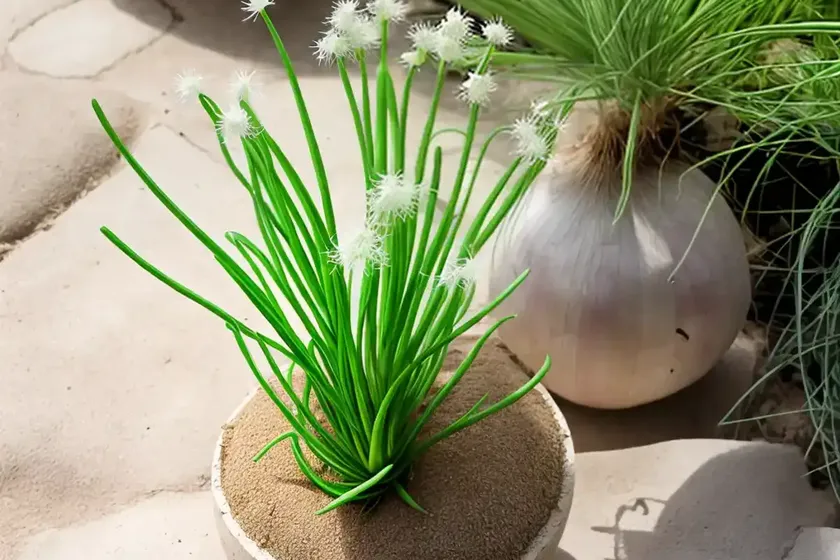
The distinctive feature that gives the Pregnant Onion its name is the production of small bulblets on the surface of its swollen, onion-like underground bulb. These bulblets resemble miniature onions or garlic cloves, creating the appearance of a “pregnant” bulb. The plant’s bulbous structure serves as a reservoir of nutrients and energy, allowing it to survive periods of dormancy and flourish with new growth during the growing season.
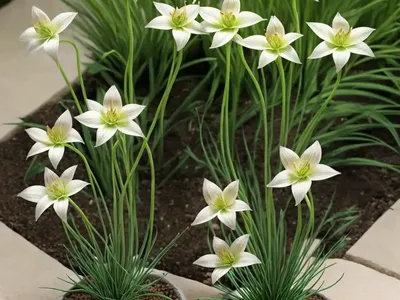
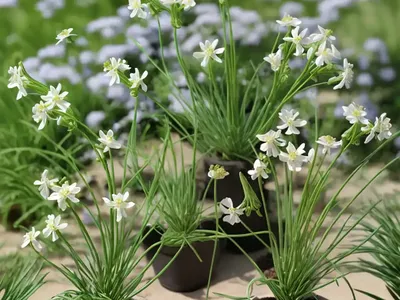
In addition to its peculiar reproductive strategy, the Pregnant Onion also boasts a cluster of long, strappy leaves that emerge from the top of its bulb. During the blooming season, the plant produces delicate, bell-shaped flowers on tall, slender stems, adding a touch of elegance to its overall aesthetic.
The unique morphology of the Pregnant Onion, coupled with its resilience and adaptability, has made it a popular choice among plant enthusiasts and collectors. Whether grown indoors as a houseplant or cultivated in outdoor gardens, Albuca bracteata never fails to captivate with its charismatic presence and intriguing life cycle.
Key Takeaways – Pregnant Onion (Albuca bracteata)
Culture
The cultural significance of the Pregnant Onion plant extends beyond its ornamental value. In various cultures, this plant holds symbolic meanings related to fertility, prosperity, and traditional medicine. Its bulbous structure and the proliferation of bulblets have led to associations with pregnancy, childbirth, and abundance, making it a cherished plant in many communities.
Uses
The Pregnant Onion has diverse practical uses, ranging from its decorative appeal to its potential medicinal properties. In landscaping, it serves as an eye-catching accent plant in rock gardens, container arrangements, and mixed borders. Moreover, some traditional medicinal systems utilize the plant’s bulb and leaves for their purported therapeutic benefits.
Now that we have gained a deeper understanding of the Pregnant Onion’s background and significance, let’s delve into the essential aspects of caring for and cultivating this remarkable plant.
Plant Care
Cultivating the Pregnant Onion requires attention to various key factors, including water, sunlight, fertilizer, soil, pruning, propagation, and container considerations. By addressing each of these elements with care and precision, you can ensure the health and vigor of your Albuca bracteata and enjoy its beauty year-round.
Water
Providing proper watering is crucial for the well-being of the Pregnant Onion plant. As with many bulbous species, Albuca bracteata has distinct moisture requirements throughout its growth cycle. During the active growing season, which typically occurs in spring and summer, the plant needs regular watering to support leaf development, flower production, and bulblet formation. However, it is essential to avoid overwatering, as excessive moisture can lead to bulb rot and other complications.
To maintain optimal soil moisture levels, it is recommended to water the Pregnant Onion when the top inch of the soil becomes dry. When watering, ensure that the excess water drains freely from the pot or planting area to prevent waterlogging. In contrast, during the plant’s dormant period in fall and winter, reduce watering significantly to mimic its natural habitat conditions.
Sunlight
The Pregnant Onion plant thrives in bright, indirect sunlight, making it well-suited for placement near a sunny window or in a partially shaded outdoor location. Adequate light exposure is essential for promoting robust growth and flowering in Albuca bracteata. However, it is important to shield the plant from harsh midday sun, especially during the peak of summer, as excessive heat and direct sunlight can scorch the leaves and compromise the plant’s health.
To ensure that your Pregnant Onion receives the right balance of light, monitor its sun exposure and adjust its placement accordingly. In indoor settings, consider rotating the plant periodically to allow uniform exposure to sunlight and prevent etiolation, while outdoor cultivation may require the strategic placement of the plant to optimize light conditions.
Fertilizer
Feeding the Pregnant Onion plant with a balanced fertilizer can enhance its growth and flowering performance. During the active growing season, apply a diluted, all-purpose liquid fertilizer to the plant every 2-4 weeks to supplement its nutrient requirements. Choose a fertilizer with a balanced NPK ratio, such as 10-10-10 or 20-20-20, to provide essential macronutrients while avoiding excessive buildup of any particular element.
Before fertilizing, ensure that the soil is adequately moist to prevent root burn and enhance nutrient uptake. Additionally, reduce or discontinue fertilization during the plant’s dormant period, as the reduced metabolic activity necessitates a decrease in nutrient supplementation.
Soil
The Pregnant Onion plant thrives in well-draining, porous soil that mimics its natural habitat conditions. A suitable potting mix for Albuca bracteata should have excellent drainage properties while retaining adequate moisture to support the plant’s growth. Consider using a combination of peat moss, perlite, and coarse sand to create a light, airy soil blend that facilitates root aeration and prevents waterlogged conditions.
When choosing a growing medium for the Pregnant Onion, prioritize a mix that promotes healthy root development and minimizes the risk of fungal diseases and root rot. Additionally, incorporating some organic matter, such as compost or well-rotted manure, can enrich the soil with essential nutrients and support the plant’s nutritional needs.
Pruning
Pruning the Pregnant Onion plant is relatively minimal and primarily focuses on deadheading spent flowers and removing any damaged or withered foliage. Deadheading, or the removal of faded blooms, encourages the plant to redirect its energy towards new growth and bulblet production, prolonging the flowering season and enhancing the plant’s aesthetic appeal.
Trimming discolored or diseased leaves also helps maintain the overall health and appearance of the plant, preventing the spread of pathogens and promoting fresh, vigorous foliage. Additionally, during the plant’s dormant phase, you can trim back the foliage to tidy up the plant and facilitate regrowth when the growing season resumes.
Propagation
Propagating the Pregnant Onion can be achieved through several methods, including division of offsets, bulb separation, and seed propagation. Each approach offers unique advantages and challenges, allowing you to expand your plant collection and share the beauty of Albuca bracteata with fellow enthusiasts.
Division of Bulblets
One of the most straightforward methods of propagating the Pregnant Onion is by separating the bulblets that develop on the parent bulb. When the bulblets have matured and developed their own root system, carefully detach them from the main bulb and plant them in individual pots or designated areas. Ensure that the soil is well-draining, and provide adequate moisture and light to support the establishment of the young bulblets.
Bulb Separation
As the Pregnant Onion matures, it may produce multiple bulbs that can be divided to create new plants. To propagate using bulb separation, gently unearth the mature bulbs during the dormancy period and separate them into individual sections, ensuring that each division has viable roots and growth points. Plant the divided bulbs in fresh soil and initiate regular watering to encourage their acclimatization and growth.
Seed Propagation
Growing the Pregnant Onion from seeds offers a rewarding and educational experience, allowing you to witness the complete life cycle of Albuca bracteata. To propagate the plant from seeds, collect mature seeds from the flower capsules and sow them in a well-draining, moist potting mix. Keep the soil consistently damp and provide the seeds with warmth and light to initiate germination. As the seedlings develop, transplant them into individual containers, and manage their care as they mature into robust plants.
Container Popularity
The Pregnant Onion is well-suited for container cultivation, making it an excellent choice for indoor and outdoor gardening. When grown in pots or containers, the plant’s unique bulbous form and elegant foliage make it a captivating addition to any botanical display. With the right container size, soil mix, and environmental conditions, you can successfully cultivate healthy and thriving Pregnant Onion specimens in various container setups, from small pots to decorative planters.
Common Diseases
Despite its resilience, the Pregnant Onion plant is susceptible to certain diseases and disorders that can affect its vitality and appearance. Understanding these common ailments and implementing preventive measures is essential for preserving the health and vigor of Albuca bracteata.
Disease Diagnosis
Identifying and diagnosing diseases in the Pregnant Onion plant involves recognizing specific symptoms and signs associated with plant pathogens, environmental stress, or cultural issues. Common disease indicators include leaf spots, stem rots, yellowing foliage, wilting, and stunted growth. By closely monitoring the plant and conducting regular inspections, you can promptly address any emerging issues and mitigate their impact on the overall health of the Pregnant Onion.
Common Pests
In addition to diseases, the Pregnant Onion may encounter various pests that can compromise its well-being. Common pests known to affect Albuca bracteata include aphids, spider mites, thrips, and mealybugs, which can feed on the plant’s leaves, stems, and flowers. To combat pest infestations, employ integrated pest management strategies, such as insecticidal soaps, horticultural oils, and cultural controls, to minimize pest populations and safeguard the plant from damage.
Botanist’s Tips
As botanists and plant enthusiasts, we recognize the importance of providing targeted care and support for the health and growth of the Pregnant Onion. Here are some valuable tips and guidelines for successfully cultivating and enjoying Albuca bracteata:
- Monitor Watering Closely: Pay close attention to the plant’s watering needs, adjusting the frequency and volume of irrigation based on its growth stage and environmental conditions.
- Optimize Light Exposure: Ensure that the Pregnant Onion receives adequate, indirect sunlight, and protect it from harsh midday sun to prevent leaf scorching and stress.
- Promote Balanced Nutrition: Use a balanced fertilizer to provide essential nutrients to the plant, and avoid overfertilization, especially during periods of reduced growth.
- Implement Pest Monitoring: Regularly inspect the plant for signs of pest activity, and respond promptly to prevent pest populations from escalating.
- Rotate Container Plants: If growing the Pregnant Onion in containers, rotate the pots periodically to promote uniform growth and prevent leaning or stretching.
Fun Facts
Intriguing and captivating, the Pregnant Onion plant is accompanied by a set of enchanting and enlightening fun facts that reveal its unique attributes:
- As a member of the Asparagaceae family, the Pregnant Onion is related to other popular ornamental plants, including asparagus ferns, Sansevieria, and Dracaena species.
- In its native habitat of South Africa, Albuca bracteata is found in diverse environments, from grasslands and scrublands to rocky outcrops and mountainous regions.
- The folklore and mythology surrounding the Pregnant Onion plant have inspired numerous cultural tales and beliefs, highlighting its symbolic significance and mystical allure.
- The bulbils produced by the Pregnant Onion can be harvested and replanted to propagate new plants, making it a self-perpetuating and generous botanical specimen.
Links to External Resources
Expanding your knowledge and understanding of the Pregnant Onion plant (Albuca bracteata) and related topics can be achieved through a wealth of external resources and authoritative references. The following links provide valuable insights and in-depth information on Albuca bracteata care, propagation, cultural significance, and more:
- Royal Horticultural Society – Albuca bracteata
- University of California Agriculture & Natural Resources – Growing Bulbs in Southern California
- Missouri Botanical Garden – Albuca bracteata
By exploring these resources, you can deepen your appreciation for the complexity and diversity of the plant kingdom while honing your skills as a passionate gardener and caretaker of nature’s wonders.
In conclusion, the Pregnant Onion (Albuca bracteata) represents a captivating and multifaceted addition to the world of horticulture, offering a blend of ornamental beauty, cultural significance, and practical uses. By embracing the art of growing and nurturing this remarkable plant, you can embark on a rewarding journey of discovery and enrichment, savoring each stage of its growth and marveling at its captivating attributes.
With this comprehensive guide as your companion, you are well-equipped to embark on your journey of cultivating and caring for the extraordinary Pregnant Onion, unlocking the secrets of its growth, propagation, and timeless allure. Happy gardening and may your Albuca bracteata thrive and flourish in your care!
Plant Name: Pregnant Onion (Albuca bracteata)
Keywords: Albuca bracteata care, Pregnant onion plant propagation, Growing Albuca bracteata indoors, Albuca bracteata bulbs, Pregnant onion plant varieties, Albuca bracteata watering needs, How to grow Pregnant onion from seeds, Albuca bracteata soil requirements, Pregnant onion plant care tips, Albuca bracteata light conditions, Growing Pregnant onion in pots, Albuca bracteata pests and diseases, Tips for maintaining Pregnant onion plant, Albuca bracteata foliage features, Pregnant onion plant health benefits, Albuca bracteata temperature preferences, Repotting Albuca bracteata plants, How to prune Pregnant onion plant, Albuca bracteata flowering season, Pregnancy symbolism of the onion plant, Essential nutrients for Pregnant onion growth, Albuca bracteata container gardening, Tackling common issues with Pregnant onion, Albuca bracteata natural habitat, Benefits of growing Albuca bracteata, Pregnant onion plant arrangement ideas, Albuca bracteata companion plants, Understanding the lifecycle of Pregnant onions, Albuca bracteata water propagation method, How to divide Pregnant onion bulbs, Albuca bracteata in traditional medicine, Preventing pests on Pregnant onion plants, Albuca bracteata decorative uses, Pruning techniques for Pregnant onion plant, Albuca bracteata growth stages, How to store Pregnant onion bulbs, Albuca bracteata culinary uses, Replicating natural conditions for Pregnant onions, Methods of Albuca bracteata plant reproduction, Prolonging Albuca bracteata flowering period, Soil preparation for growing Pregnant onion, Albuca bracteata as a natural air purifier, Creative uses for Pregnant onion leaves, Albuca bracteata in folklore and mythology, Optimizing light conditions for Pregnant onion growth, Albuca bracteata growth habits, Preventing diseases in Pregnant onion plants, Albuca bracteata as an ornamental plant, Harvesting and storing Pregnant onion seeds, Albuca bracteata and sustainable gardening practices.