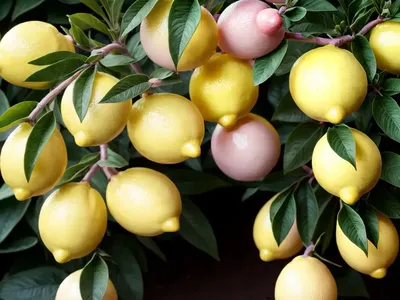
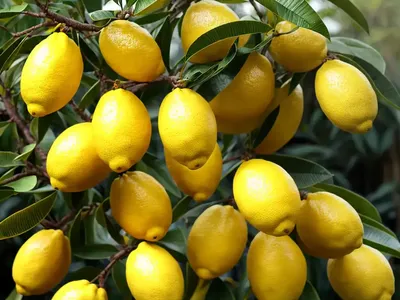
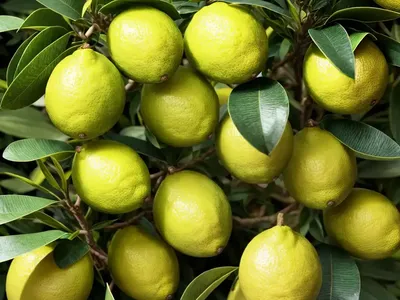
Pomelo Tree (Citrus Maxima)
Pomelo trees, scientifically known as Citrus maxima, are among the most beloved and widely cultivated citrus trees. Renowned for their sweet and tangy.
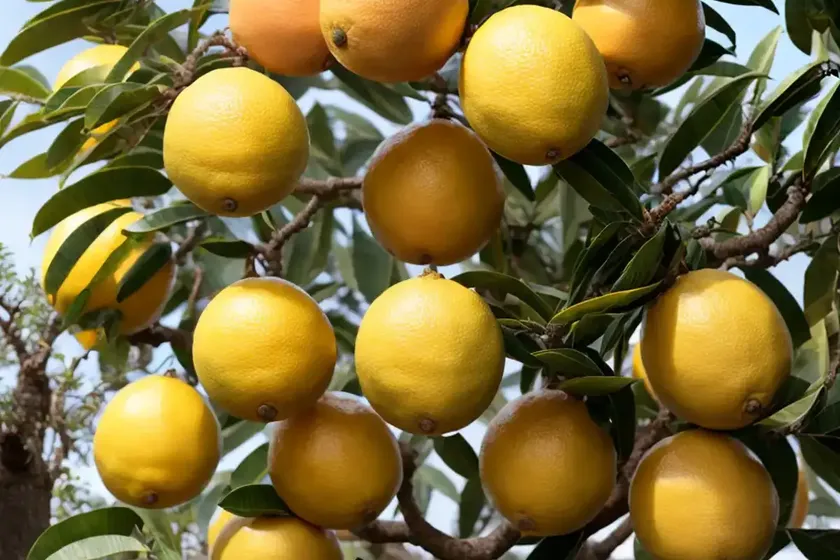
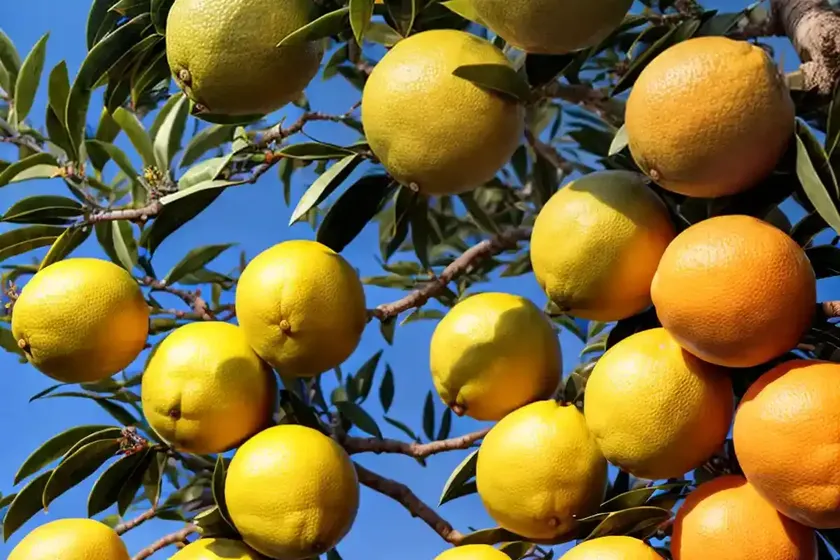
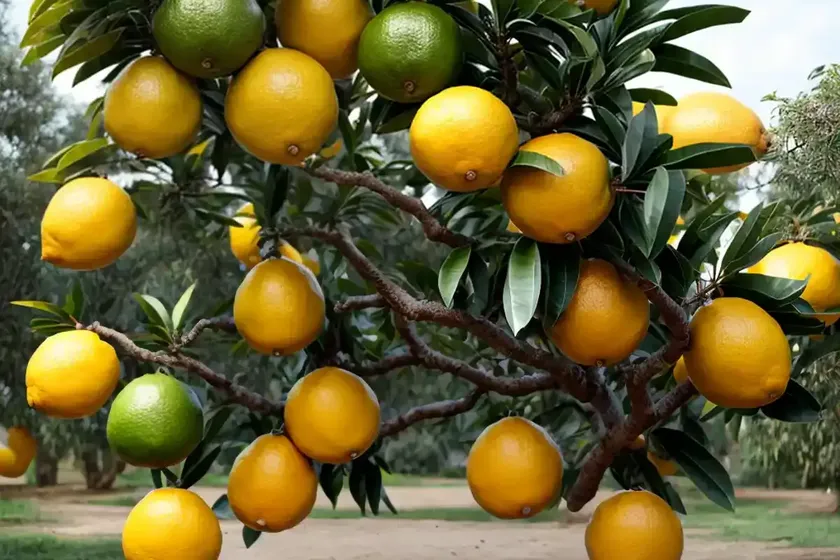
Pomelo trees, scientifically known as Citrus maxima, are among the most beloved and widely cultivated citrus trees. Renowned for their sweet and tangy fruit, these trees are a favorite among home gardeners and commercial farmers alike. In this comprehensive guide, we will delve deep into the world of pomelo trees, covering everything from cultivation and maintenance to propagation and common pests and diseases. Moreover, we will explore the cultural significance, uses and health benefits of this remarkable citrus tree.
What is a Pomelo Tree?
The pomelo tree is a subtropical, evergreen tree belonging to the Rutaceae family. Native to Southeast Asia, particularly in countries like China, Malaysia, and Thailand, it has been cultivated for centuries for its delicious and nutritious fruit. The pomelo fruit itself is the largest citrus fruit, often resembling a large grapefruit, and can range in color from pale green to yellow when ripe. Its thick rind encases segments filled with juicy, slightly acidic, and sweet flesh.
Pomelo trees are known for their glossy green leaves and fragrant white flowers, which contribute to their ornamental value in addition to their fruit-bearing capabilities. With the right care, these trees can thrive and produce ample harvests, making them a valuable addition to any garden or orchard.
Key Takeaways – Pomelo Tree (Citrus Maxima)
Before diving into the specifics of pomelo tree care and maintenance, let’s highlight some key takeaways about this remarkable citrus tree.
Culture
- Scientific Name: Citrus Maxima
- Family: Rutaceae
- Genus: Citrus
- Origin: Southeast Asia
- Cultural Significance: The pomelo tree holds cultural significance in various countries in Southeast Asia, where it is often used in traditional celebrations and offerings.
Uses
- Fruit: The pomelo fruit is the primary product of the tree and is consumed fresh, in juices, or used in culinary dishes and desserts.
- Ornamental Value: Apart from its fruit, the pomelo tree is also valued for its attractive appearance, with glossy green foliage and fragrant flowers.
Water
- Watering Needs: Pomelo trees require regular watering, particularly during dry periods and when fruit is forming.
- Well-Draining Soil: It is essential to plant pomelo trees in well-draining soil to prevent waterlogging, which can be detrimental to their health.
Sunlight
- Sun Exposure: Pomelo trees thrive in full sun, requiring at least 6-8 hours of direct sunlight daily to ensure healthy growth and fruit production.
Fertilizer
- Nutrient Requirements: Like most citrus trees, pomelo trees benefit from regular feeding with a balanced citrus fertilizer to support their growth and fruit development.
Soil
- pH Level: Pomelo trees prefer slightly acidic to neutral soil with a pH range of 6.0 to 7.5.
- Well-Draining: Well-draining soil is crucial for avoiding waterlogged conditions that can lead to root rot.
Pruning
- Maintenance Pruning: Regular pruning helps maintain the shape of the tree, remove dead or diseased branches, and improve air circulation within the canopy.
Propagation
- Methods: Pomelo trees can be propagated through various methods including grafting, air layering, and seed propagation.
- Grafting: Grafting onto compatible rootstocks is a common method used in commercial pomelo tree propagation.
Container Popularity
- Container Cultivation: Pomelo trees can be grown in containers, making them suitable for urban gardens and patios.
- Dwarf Varieties: Dwarf pomelo tree varieties are particularly well-suited for container cultivation.
Common Diseases
- Citrus Canker: This bacterial disease can affect pomelo trees, causing lesions on leaves, stems, and fruit.
- Citrus Black Spot: Another fungal disease that can impact pomelo trees, leading to dark, sunken lesions on the fruit and foliage.
Disease Diagnosis
- Leaf Symptoms: Symptoms of disease in pomelo trees can manifest as spots, lesions, and discoloration on the leaves and fruit.
- Professional Diagnosis: In cases of suspected disease, it is advisable to seek professional assistance to accurately diagnose and treat the issue.
Common Pests
- Asian Citrus Psyllid: This pest can transmit the devastating citrus greening disease, which affects the overall health of pomelo trees and their fruit production.
- Citrus Root Weevils: These pests can damage the roots of pomelo trees, impacting their ability to absorb nutrients and water.
Botanist’s Tips
- Consistent Care: Providing consistent care, including proper watering, fertilization, and pest management, is key to the health and productivity of pomelo trees.
- Observation: Regularly inspecting the tree for signs of pests, diseases, and nutrient deficiencies can help in early detection and effective management.
Fun Facts
- Symbolism: In some Asian cultures, the pomelo is a symbol of prosperity and good fortune, often exchanged as gifts during Lunar New Year celebrations.
- Culinary Uses: Pomelo fruit is used in various culinary preparations, from salads and desserts to preserves and marmalades.
With these key takeaways in mind, we can now delve deeper into the intricacies of cultivating and caring for pomelo trees, exploring their unique characteristics and the best practices for ensuring their health and productivity.
Pomelo Variety
Pomelo trees belong to the Citrus maxima species and are known for producing the largest citrus fruit. They are available in several cultivars, each with its distinct fruit characteristics, such as size, flavor, and rind thickness. Some popular pomelo varieties include:
1. Chandler Pomelo: Known for its sweet flavor and thick rind, the Chandler pomelo is a favored variety among home growers and commercial producers.
2. Hirado Buntan: Originating from Japan, this pomelo variety has a sweet, mild flavor and is often used in traditional Japanese New Year celebrations.
3. Red Pomelo: As the name suggests, this variety yields fruit with a distinctive red blush on the peel, making it visually appealing in addition to its delicious taste.
4. Pink Pomelo: This cultivar produces fruit with pink flesh and a sweet, slightly acidic flavor, making it a popular choice for fresh consumption and culinary uses.
5. White Pomelo: The white pomelo variety is known for its pale yellow to greenish rind and white flesh, offering a balance of sweetness and tartness.
Pomelo Cultivation
Cultivating pomelo trees requires an understanding of their specific requirements, from soil and water to sunlight and temperature. Here are some essential cultivation tips for ensuring the successful growth and fruiting of pomelo trees:
Pomelo Tree Care
Pomelo Tree Size
Pomelo trees are known for their vigorous growth and can reach heights of 15-20 feet, with a spread that matches their height. However, some dwarf varieties are available that are more suitable for smaller spaces and container cultivation. Understanding the ultimate size of the pomelo tree is essential for selecting the right planting location in the garden or determining the appropriate container size for potted specimens.
Pomelo Tree Pruning
Pruning plays a crucial role in maintaining the health and productivity of pomelo trees. Proper pruning helps in shaping the tree, removing dead or diseased wood, and improving air circulation within the canopy. Additionally, it assists in controlling the size of the tree and promoting the development of sturdy branches capable of supporting the weight of the fruit.
Pruning Considerations:
- Timing: Prune pomelo trees in late winter or early spring before the onset of new growth.
- Tools: Use sharp, sterilized pruning tools to make clean cuts and minimize the risk of introducing infections.
- Techniques: Remove dead, damaged, or crossing branches, and thin out crowded areas to allow sunlight and air to penetrate the canopy.
Citrus Maxima Varieties
Aside from the common pomelo fruit, which showcases varying levels of sweetness and acidity across different varieties, there are lesser-known Citrus maxima varieties that are valued for their unique characteristics. These may include ornamental cultivars favored for their fragrant flowers and attractive foliage, as well as wild or hybrid varieties that present interesting genetic traits.
Citrus Maxima Health Benefits
Citrus Maxima Nutrition
Pomelo fruit is a rich source of essential vitamins and minerals, making it a valuable addition to a healthy diet. Some key nutritional components of pomelo include:
- Vitamin C: Pomelo fruit is renowned for its high vitamin C content, which supports the immune system and promotes overall health.
- Dietary Fiber: The fiber content in pomelo aids in digestion and helps maintain healthy cholesterol levels.
- Antioxidants: Pomelo contains antioxidants that protect the body from oxidative stress and inflammation.
Pomelo Tree Planting
When planting a pomelo tree, several factors must be taken into account to ensure its successful establishment and long-term health. Proper planting techniques promote healthy root development and contribute to the overall vigor of the tree. Here are some essential considerations for planting pomelo trees:
Pomelo Tree Soil Requirements
Pomelo trees thrive in well-draining, moderately fertile soil that provides a stable foundation for their root system. When selecting a planting site or preparing a container mix for potted specimens, consider the following soil requirements:
- Texture: Opt for a soil mix that is well-draining and loamy, providing a balance of water retention and aeration to the roots.
- pH Level: Pomelo trees prefer slightly acidic to neutral soil with a pH range of 6.0 to 7.5, creating an optimal environment for nutrient uptake.
Pomelo Tree Watering
Maintaining proper soil moisture is essential for the health and productivity of pomelo trees, particularly during periods of active growth and fruit development. Adequate watering supports robust root growth and ensures the tree’s ability to absorb essential nutrients from the soil. Consider the following guidelines for effectively watering pomelo trees:
- Frequency: Water newly planted pomelo trees deeply once or twice per week, allowing the soil to dry slightly between waterings.
- Consistency: During the flowering and fruiting stages, maintain consistent soil moisture to support the development of plump, juicy fruit.
Citrus Maxima Climate Requirements
Pomelo trees thrive in subtropical to tropical climates, where they can experience warm, humid summers and mild winters. While they are relatively adaptable to varying growing conditions, understanding their specific climate requirements can aid in providing the optimal environment for robust growth and fruit production.
Pomelo Tree Maintenance
Maintaining the health and vigor of pomelo trees involves regular care and attention to their needs. From nutrient management to pest control, proactive maintenance contributes to the overall well-being of the tree and the quality of its fruit. Here are some essential aspects of pomelo tree maintenance:
Pomelo Tree Fertilizer
Fertilizing pomelo trees supports their growth, flowering, and fruiting, providing essential nutrients that may be lacking in the soil. Applying a balanced citrus fertilizer at the right time and in appropriate quantities ensures that the tree has access to the nutrients it needs to thrive.
- Timing: Feed pomelo trees in early spring before new growth begins and again in late summer to replenish nutrients lost during the fruiting season.
- Nutrient Content: Select a fertilizer specifically formulated for citrus trees, providing essential macronutrients (nitrogen, phosphorus, and potassium) alongside micronutrients.
Pomelo Tree Sunlight Needs
Pomelo trees thrive in full sun, requiring a minimum of 6-8 hours of direct sunlight daily to support healthy growth, flowering, and fruit development. Adequate sun exposure ensures that the tree has ample energy for photosynthesis, which is essential for producing high-quality fruit.
Pomelo Tree Pests and Diseases
Pomelo Tree Pests
Pomelo trees are susceptible to various pests that can impact their overall health and fruit quality. Managing these pests through proactive measures and timely intervention helps protect the tree and ensure its productivity. Some common pests that affect pomelo trees include:
- Asian Citrus Psyllid (ACP): Known for transmitting the bacterium that causes citrus greening disease, ACP can severely impact the health and fruit production of pomelo trees.
- Citrus Root Weevils: The larvae of these weevils feed on the roots of pomelo trees, affecting their ability to absorb water and nutrients from the soil.
Citrus Maxima Diseases
In addition to pest pressures, pomelo trees are susceptible to certain diseases that can affect their foliage, fruit, and overall vigor. Understanding the symptoms and management strategies for these diseases is important in maintaining the health of the tree. Some common diseases that affect pomelo trees include:
- Citrus Canker: This bacterial disease causes raised lesions on leaves, stems, and fruit, leading to defoliation and reduced fruit quality.
- Citrus Black Spot: A fungal disease that results in dark, sunken lesions on the fruit and leaves, impacting the tree’s overall health and productivity.
Citrus Maxima Disease Control
Disease Diagnosis
Diagnosing diseases in pomelo trees involves careful observation of symptoms and, in some cases, seeking professional assistance for accurate identification and treatment. The following steps can aid in disease diagnosis and management:
- Symptom Recognition: Familiarize yourself with common disease symptoms, including leaf spots, lesions, and changes in fruit appearance.
- Professional Consultation: If you suspect a disease is affecting your pomelo tree, seek guidance from a horticulture professional or plant pathologist for an accurate diagnosis.
Pomelo Tree Pest Management
Proactive pest management is essential for protecting pomelo trees from damaging insect infestations. Implementing integrated pest management (IPM) practices can help mitigate pest pressures while minimizing the use of chemical controls. Consider the following strategies for effective pest management:
- Monitoring: Regularly inspect your pomelo tree for signs of pests and their damage, such as distorted leaves, sticky honeydew, or the presence of adult insects.
- Biological Controls: Encourage natural predators of pest insects, such as ladybugs and lacewings, to help keep populations in check.
Pomelo Tree Pruning Schedule
Implementing a consistent pruning schedule is vital for maintaining the structure and health of pomelo trees. Regular pruning helps in shaping the tree, removing weak or dead branches, and promoting robust fruit production. Consider the following pruning schedule for pomelo trees:
- Annual Pruning: Conduct severe pruning during the tree’s dormant period in late winter to early spring, removing up to one-third of the canopy to stimulate new growth.
- Maintenance Pruning: Throughout the growing season, perform maintenance pruning as needed to remove crossing or damaged branches and maintain an open canopy structure.
Citrus Maxima Propagation Methods
Propagation is the process of creating new pomelo trees from existing plants, allowing for the expansion of orchards and the perpetuation of valued cultivars. Several methods can be employed to propagate pomelo trees, each with its unique advantages and challenges. Some common propagation methods include:
Pomelo Tree Propagation from Seeds
Growing pomelo trees from seeds is a straightforward and accessible method of propagation, particularly for home gardeners and enthusiasts. While seed-grown trees may take longer to reach fruit-bearing age compared to other propagation methods, they offer the opportunity to explore genetic diversity and select desirable traits. Here’s how to propagate pomelo trees from seeds:
Seed Germination:
- Collect mature pomelo seeds from fresh fruit, ensuring they are clean and free of disease.
- Prepare a seed-starting mix of equal parts peat moss, vermiculite, and perlite in small pots or seedling trays.
- Plant the seeds 1 inch deep in the moistened seed-starting mix.
- Place the pots in a warm, bright location, maintaining consistent moisture and warmth to encourage germination.
Citrus Maxima Grafting
Grafting is a common method used in commercial pomelo tree propagation, enabling the production of trees with desirable characteristics and rootstock compatibility. By joining a scion (desired cultivar) with a compatible rootstock, growers can create new trees that exhibit specific traits, such as dwarfing, disease resistance, or enhanced fruit quality.
Grafting Steps:
- Select a healthy, disease-free rootstock and scion for the grafting process.
- Make a clean, angled cut on both the rootstock and scion, ensuring they match up accurately for successful graft union.
- Secure the union with grafting tape or a rubber band and apply a sealing compound to aid in the healing process.
- Provide appropriate care and monitoring as the grafted tree establishes itself and begins to grow.
Pomelo Tree Fruit Quality
The quality of pomelo fruit is influenced by various factors, including tree health, environmental conditions, and cultural practices. By implementing sound management strategies and selecting optimal varieties, growers can achieve high-quality fruit with excellent flavor, color, and texture. Factors that contribute to pomelo tree fruit quality include:
- Fruit Size: Pomelo fruit can vary in size, with some varieties producing larger specimens prized for their impressive appearance and generous portions of juicy flesh.
- Flavor Profile: The flavor of pomelo fruit can range from sweet to slightly acidic, with aromatic undertones that enhance its overall appeal.
- Peel Thickness: Some pomelo varieties have thick, easy-to-peel rinds, making them more convenient for fresh consumption and culinary uses.
Pomelo Tree Lifespan
Pomelo trees are known for their longevity, with some individuals living for several decades under favorable growing conditions. By providing consistent care and addressing their needs for water, sunlight, and nutrients, growers can optimize the lifespan of pomelo trees, ensuring many years of fruitful harvests.
Citrus Maxima Harvesting
Harvesting pomelo fruit at the right time ensures optimal flavor, juiciness, and overall quality. By paying attention to visual and tactile indicators, growers can determine when the fruit is ripe and ready for picking. Here are some key considerations for harvesting pomelo fruit:
- Ripeness Indicators: Look for color changes in the fruit’s skin, as well as slightly softening when gently pressed, indicating ripeness.
- Harvesting Time: In most cases, pomelo fruit is ready for harvest in late fall to early winter, depending on the specific variety and climate conditions.
Pomelo Tree Winter Care
Winter care is essential for protecting pomelo trees from potential cold damage and ensuring their readiness for the growing season ahead. By implementing proactive measures, such as frost protection and insulation, growers can safeguard their trees from harsh winter conditions. Here are some key aspects of winter care for pomelo trees:
- Frost Protection: Provide frost protection in regions where temperatures can drop below freezing, using frost blankets or portable heating devices to shield the trees.
- Insulation: Mulch the root zone of pomelo trees with a thick layer of organic mulch to insulate the soil and protect the roots from temperature fluctuations.
Pomelo Tree Flowering
The flowering stage of pomelo trees is an exciting time, marking the transition from bloom to fruit formation. Understanding the factors that influence flowering, such as age, pruning, and environmental conditions, can aid in supporting robust bloom cycles and ultimately, bountiful fruit harvests.
Factors Influencing Flowering:
- Tree Maturity: Pomelo trees typically begin to flower and fruit when they reach 3-5 years of age, varying