Pleated Cereus (Cereus Jamacaru)
Plants are an integral part of our environment, providing us with oxygen, food, and a connection to nature. One particularly striking plant is the Pleated.
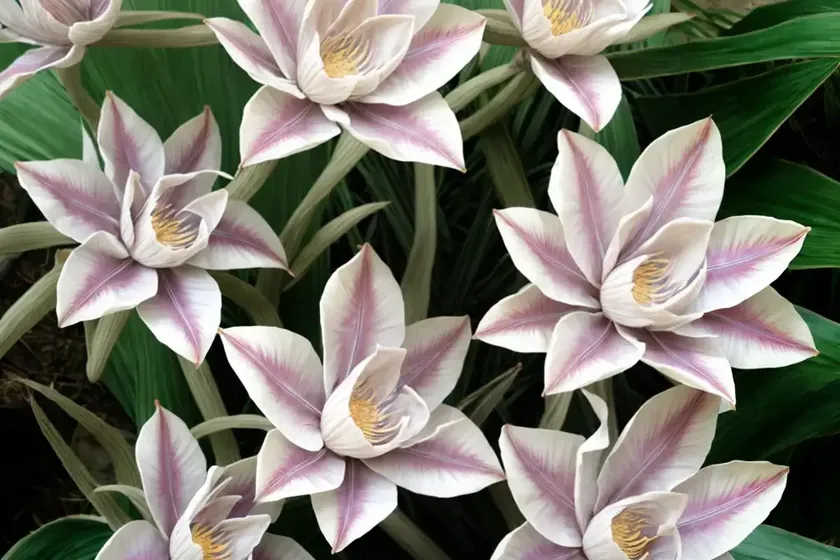
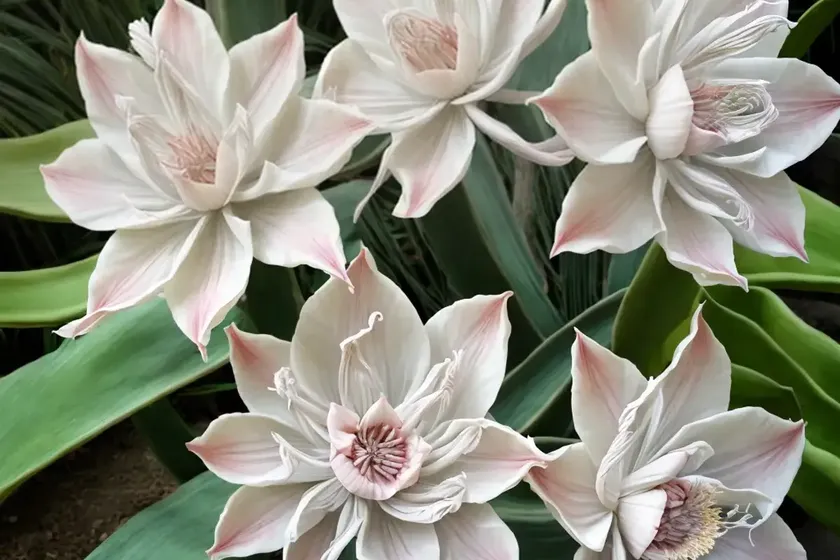
Plants are an integral part of our environment, providing us with oxygen, food, and a connection to nature. One particularly striking plant is the Pleated Cereus, scientifically known as Cereus Jamacaru. This unique plant has gained popularity among plant enthusiasts due to its intriguing characteristics and relatively low maintenance requirements. In this comprehensive guide, we will explore the culture, uses, care, and propagation of the Pleated Cereus.
What is Pleated Cereus (Cereus Jamacaru)?
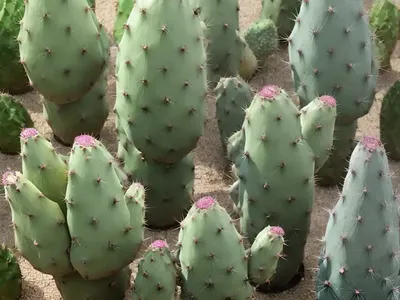
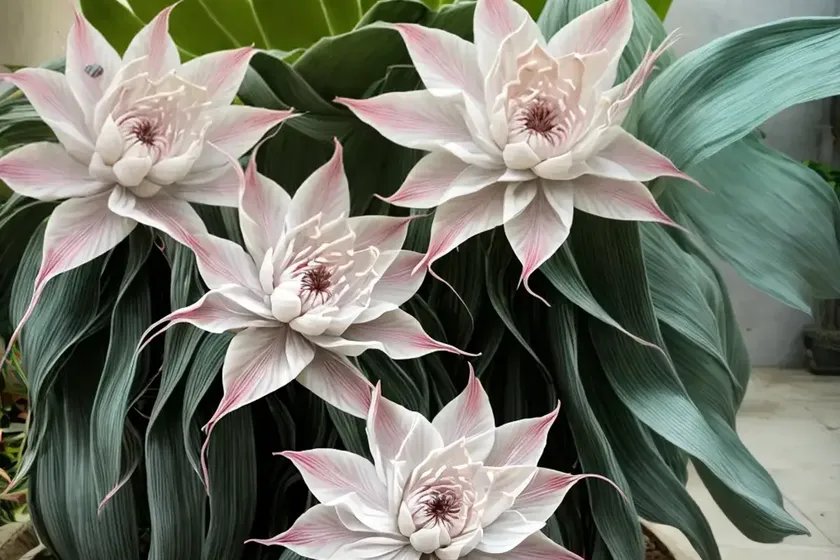
The Pleated Cereus, or Cereus Jamacaru, is a species of cactus native to South America. It belongs to the Cactaceae family and is known for its columnar growth habit and ribbed, pleated stems. The plant can reach heights of up to 20 feet and is adorned with large, white, nocturnal flowers that emit a sweet fragrance. Due to its unique appearance and stunning blooms, the Pleated Cereus is a popular choice for both indoor and outdoor cultivation.
Key Takeaways – Pleated Cereus (Cereus Jamacaru)
Before delving into the specifics of cultivating the Pleated Cereus, let’s highlight the key takeaways regarding this fascinating plant.
- Scientific Name: Cereus Jamacaru
- Family: Cactaceae
- Common Names: Pleated Cereus, Jamacaru, Mandacaru
- Growth Habit: Columnar, ribbed stems
- Flowers: Large, white, nocturnal, fragrant
- Native Region: South America
- Popularity: Increasing interest in indoor and outdoor cultivation
Now that we have a basic understanding of the Pleated Cereus, let’s explore its culture, uses, and care requirements in detail.
Culture
Cultivating the Pleated Cereus involves understanding its environmental needs, including water, sunlight, fertilizer, soil, and pruning requirements.
Water
- Watering Schedule: The Pleated Cereus is a drought-tolerant plant and should be watered sparingly, especially during the winter months.
- Soil Moisture: Ensure that the soil is well-draining to prevent waterlogging, which can lead to root rot.
- Signs of Overwatering: Yellowing or wilting of the stems may indicate excessive watering.
Sunlight
- Sun Exposure: The Pleated Cereus thrives in full sunlight and should ideally receive at least 6-8 hours of direct sunlight per day.
- Indoor Cultivation: If grown indoors, place the plant near a south-facing window to ensure adequate sunlight exposure.
- Sunburn Protection: During the hottest part of the day, provide some protection from intense sunlight to prevent sunburn on the stems.
Fertilizer
- Fertilization Frequency: During the growing season (spring and summer), apply a balanced cactus or succulent fertilizer every 4-6 weeks.
- Reduced Fertilization: Reduce or cease fertilization during the winter months when the plant is in its dormant phase.
Soil
- Well-Draining Soil: Use a well-draining cactus or succulent potting mix to ensure proper aeration and prevent water retention around the roots.
- Soil pH: The Pleated Cereus prefers slightly acidic to neutral soil with a pH range of 6.0-7.0.
Pruning
- Pruning Needs: Minimal pruning is required for the Pleated Cereus, primarily to remove dead or damaged stems and encourage a tidy growth habit.
- Tools: Use clean, sharp pruning shears to make precise cuts and minimize the risk of introducing infections.
Uses
The Pleated Cereus serves both ornamental and practical purposes, making it a versatile addition to gardens and indoor spaces.
- Ornamental Value: The striking appearance of the Pleated Cereus, coupled with its large, fragrant flowers, makes it a desirable ornamental plant for landscaping and indoor décor.
- Habitat Creation: In its native habitat, the Pleated Cereus provides food and shelter for various wildlife, including birds and insects.
- Medicinal Uses: Some traditional medicinal practices involve using extracts from certain cactus species, although scientific evidence supporting these uses is limited and requires caution.
Continued…