Pinus Wallichiana (Bhutan Pine)
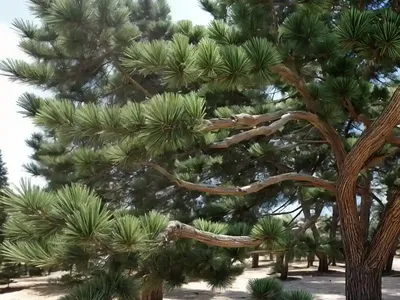
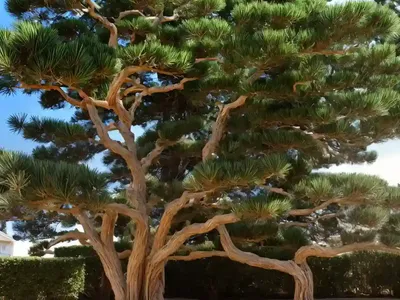
Pinus wallichiana, commonly known as the Bhutan pine, is a majestic evergreen conifer that is celebrated for its ornamental value, ecological importance.
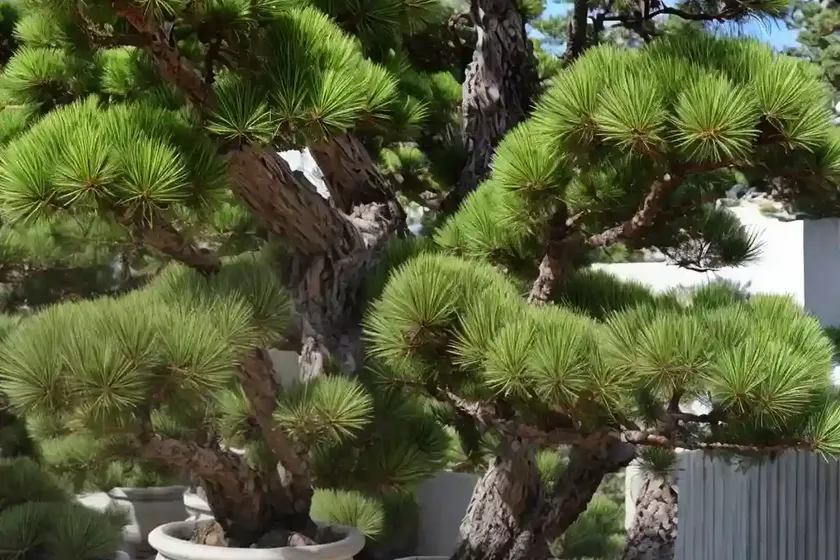
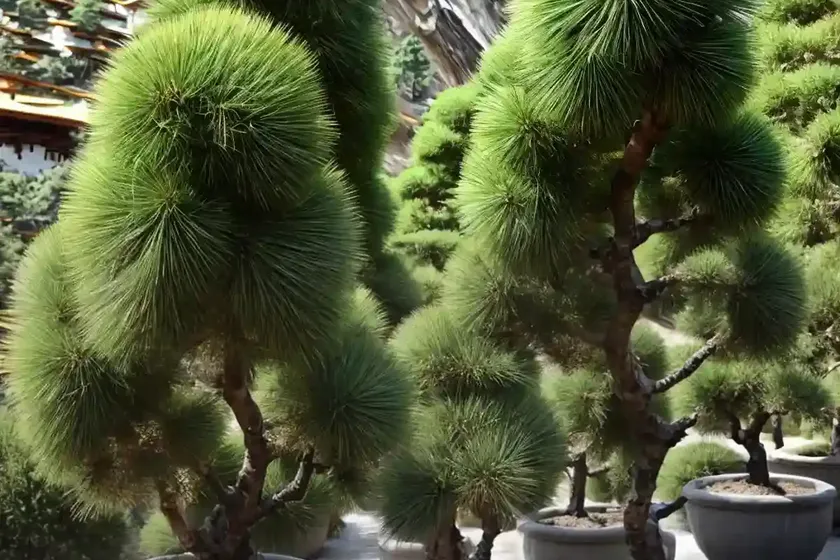
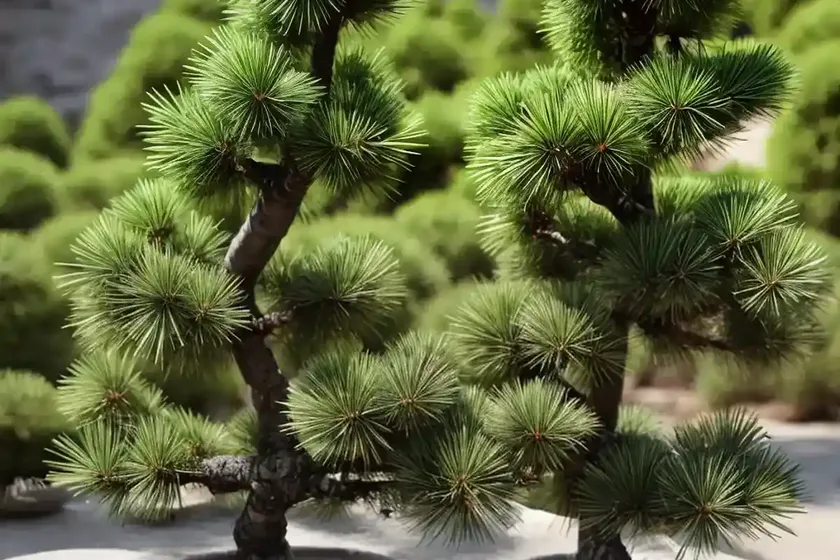
Pinus wallichiana, commonly known as the Bhutan pine, is a majestic evergreen conifer that is celebrated for its ornamental value, ecological importance, and cultural significance. This resilient tree is native to the Himalayan region and has captured the fascination of plant enthusiasts, botanists, and conservationists worldwide. In this comprehensive guide, we will delve into the characteristics, cultivation tips, care guide, uses, diseases, and much more to unravel the essence of Pinus wallichiana.
Key Takeaways – Pinus wallichiana (Bhutan Pine)
Before delving into the detailed aspects of Pinus wallichiana, let’s take a brief look at the key takeaways of this fascinating tree:
- Characteristics: Pinus wallichiana, or Bhutan pine, is a towering evergreen conifer adorned with long, slender needles and large, distinctive cones. It is known for its graceful form and ornamental appeal.
- Cultivation Tips: This species thrives in well-drained soil, and it flourishes in full sun. It exhibits adaptability to various climatic conditions and is relatively low-maintenance.
- Uses: The Bhutan pine serves as an excellent choice for landscape design, offering both aesthetic and functional benefits. Additionally, it harbors ecological importance and holds cultural significance in several regions.
- Diseases and Pests: While generally resilient, Pinus wallichiana is susceptible to certain diseases and pests. Understanding these issues is crucial for effective management and care of the tree.
Now, let’s embark on a detailed exploration of Pinus wallichiana, uncovering its ecological role, cultural significance, and its vital role in contributing to the landscape and biodiversity.
What is Pinus wallichiana (Bhutan Pine)?
Pinus wallichiana, commonly known as the Bhutan pine, is a species of pine native to the Himalayas. It is named after Dr. Nathaniel Wallich, a Danish botanist who worked as a superintendent of the Calcutta Botanical Garden in the early 19th century. This impressive tree is characterized by its tall, upright form, gracefully drooping branches, and long, slender needles. It typically reaches heights of 30-60 meters, making it a prominent presence in mountainous landscapes.
The Bhutan pine is valued not only for its aesthetic appeal but also for its ecological contributions. As an evergreen conifer, it provides year-round visual interest and serves as an important habitat and food source for various wildlife species. Furthermore, it plays a crucial role in stabilizing soil and mitigating erosion in its native mountainous habitats.
Culture of Pinus wallichiana
Understanding the cultural significance of Pinus wallichiana sheds light on the deep-rooted connections between this majestic tree and the communities that have coexisted with it for centuries. The Bhutan pine holds a revered place in the folklore, traditions, and spiritual beliefs of the Himalayan region, where it is native.
Myth and Folklore
In many Himalayan cultures, the Bhutan pine is surrounded by myths and folklore that highlight its symbolic importance. It is often associated with strength, resilience, and longevity, embodying the enduring spirit of the mountains. Stories and legends featuring the Bhutan pine are passed down through generations, further intertwining the tree with the cultural tapestry of the region.
Symbolic Meaning
The Bhutan pine holds symbolic significance in various cultural contexts. It is often revered as a symbol of wisdom, endurance, and eternal life, reflecting the timeless nature of the mountain landscapes where it thrives. Its towering presence is evocative of strength and stoicism, inspiring a sense of awe and reverence.
Cultural Practices
Across the Himalayan region, the Bhutan pine features in cultural practices, rituals, and traditional festivities. Its branches and cones are used in decorative arrangements during festivals and celebrations, adding a touch of natural beauty to cultural events.
Conservation Efforts
The cultural significance of Pinus wallichiana has contributed to conservation efforts aimed at preserving its natural habitats. Local communities, environmental organizations, and governmental bodies recognize the intrinsic link between the tree and the region’s cultural heritage, fostering initiatives to safeguard its future.
Uses of Pinus wallichiana
Pinus wallichiana, or Bhutan pine, offers a diverse range of uses, incorporating both practical and aesthetic dimensions. Its adaptability, ornamental value, and ecological contributions make it a valuable asset in various contexts.
Landscape Design
The graceful form and striking appearance of the Bhutan pine make it an appealing choice for landscape design. It adds a touch of elegance to gardens, parks, and public spaces, particularly in mountainous and alpine environments. Its evergreen nature ensures year-round visual impact, while its adaptability to different soil and climatic conditions broadens its landscape potential.
Wildlife Support
As a native species in the Himalayan region, Pinus wallichiana provides essential habitat and food for diverse wildlife. Birds, small mammals, and other fauna depend on the tree for nesting sites, shelter, and a source of nourishment. Preserving and incorporating Bhutan pine stands into natural landscapes supports biodiversity and promotes ecological balance.
Ecological Importance
The ecological significance of Pinus wallichiana extends beyond wildlife support. Its robust root system helps prevent soil erosion in mountainous terrain, stabilizing slopes and safeguarding fragile ecosystems. Furthermore, its role in nutrient cycling and carbon sequestration contributes to the overall health of forested landscapes.
Timber and Wood Properties
The wood of Pinus wallichiana is valued for its quality and versatility. It is utilized in various construction and woodworking applications, where its straight grain and moderate strength make it suitable for a range of purposes. The timber is used in building materials, furniture, and crafts, reflecting the practical utility of the Bhutan pine beyond its aesthetic appeal.
Medicinal Properties and Essential Oils
In certain traditional medicinal practices, parts of the Bhutan pine, such as the resin and needles, are used for their purported therapeutic properties. Additionally, the tree yields essential oils that are utilized in aromatherapy and fragrance applications, contributing to its multifaceted uses.
Pinus wallichiana’s Requirements
To effectively cultivate and care for Pinus wallichiana, it is crucial to understand its specific requirements in terms of water, sunlight, soil, fertilizer, and maintenance practices. By fulfilling these needs, the tree can thrive and fulfill its potential in both ornamental and ecological settings.
Water
- Initial Watering: Newly planted Pinus wallichiana trees require consistent moisture to establish their root systems. Adequate watering during the first year after planting is essential to support healthy growth.
- Established Trees: Once established, Bhutan pine trees exhibit moderate drought tolerance and do not require frequent watering. They are well-adapted to the natural precipitation patterns of their native habitats.
Sunlight
- Full Sun: Pinus wallichiana thrives in full sun and benefits from ample sunlight exposure. It should be planted in locations where it can receive direct sunlight for a significant portion of the day to support optimal growth and development.
Fertilizer
- Minimal Fertilization: Mature Pinus wallichiana trees generally do not require regular fertilization. They are adapted to nutrient-poor mountain soils and can thrive without the need for supplemental fertilizers in natural, forested settings.
- Young Trees: If planting in nutrient-deficient soils or containers, young Bhutan pine trees may benefit from a light application of balanced, slow-release fertilizer during the growing season to support initial establishment.
Soil
- Well-Drained Soil: Pinus wallichiana prefers well-drained soil with a slightly acidic to neutral pH range. It is crucial to ensure good drainage to prevent waterlogging, which can be detrimental to the tree’s root system.
- Native Habitat: The tree is well-suited to rocky, mountainous soils with good aeration and drainage, reflecting its natural habitat preferences.
Pruning
- Minimal Pruning: Pinus wallichiana typically requires minimal pruning for maintenance purposes. Removal of dead, damaged, or diseased branches can be undertaken to promote tree health and aesthetic appeal.
- Formative Pruning: Young trees may benefit from formative pruning to shape their growth and encourage a desirable structure from an early stage.
Propagation
- Seed Propagation: Pinus wallichiana can be propagated from seeds, which should be sown in well-drained, sandy soil in a nursery setting. Young seedlings can be transplanted to their permanent locations after reaching a suitable size.
Container Popularity
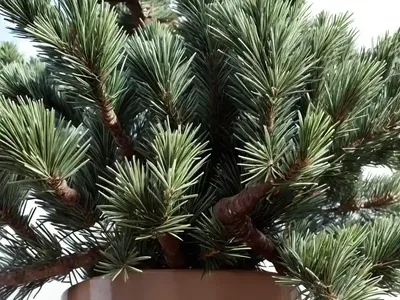
- Ornamental Containers: Pinus wallichiana is popular as an ornamental tree in container plantings. Its elegant form, evergreen foliage, and adaptability to large containers make it a favored choice for adding vertical interest to outdoor spaces.
Common Diseases
- Needle Blight: Some species of fungi can cause needle blight in Pinus wallichiana, leading to the browning and shedding of needles. Proper cultural practices and maintenance can help minimize the risk of this disease.
- Root Rot: Excessive soil moisture and poor drainage can contribute to root rot in Bhutan pine trees. It is essential to ensure proper soil drainage and avoid overwatering to prevent this condition.
Disease Diagnosis
- Visual Symptoms: Diagnosis of diseases in Pinus wallichiana often involves careful observation of visual symptoms, such as discoloration or distortion of needles, dieback of branches, or changes in overall tree health. Seeking professional assistance can aid in accurate diagnosis and treatment.
Common Pests
- Pine Sawfly: The larvae of pine sawflies can feed on the needles of Pinus wallichiana, potentially causing defoliation if left uncontrolled. Monitoring for pest activity and implementing appropriate pest management measures can help protect the tree from damage.
Bhutan Pine: Botanist’s Tips
As a botanist, it is essential to appreciate the natural history, ecological role, and cultivation requirements of Pinus wallichiana to effectively study and advocate for the tree’s conservation and sustainable use. Here are some key tips for botanists and plant enthusiasts interested in exploring the world of Bhutan pine:
- Habitat Exploration: Engage in field studies to observe and document the natural habitats of Pinus wallichiana, gaining insights into its ecological interactions and adaptations.
- Cultural Context: Explore the cultural significance of the Bhutan pine through interdisciplinary research, recognizing its intertwined relationship with local traditions and beliefs.
- Conservation Advocacy: Advocate for the conservation of Pinus wallichiana and its natural habitats, collaborating with local communities, conservation organizations, and governmental agencies to promote its protection.
- Ecological Research: Contribute to ecological research on Bhutan pine forests, examining their role in biodiversity conservation, carbon sequestration, and sustainable land management.
- Public Engagement: Share the beauty and ecological importance of Pinus wallichiana through public outreach and education, fostering appreciation and support for the conservation of this iconic tree.
Fun Facts About Pinus wallichiana
Exploring the fascinating world of Pinus wallichiana unveils a treasure trove of intriguing facts and insights that capture the imagination. Here are some fun facts about the Bhutan pine:
- Needle Arrangement: Pinus wallichiana features needles that are arranged in bundles of five, distinguishing it from some other pine species that have needles in bundles of two or three.
- Cone Characteristics: The cones of Bhutan pine are notably large and cylindrical, often measuring 12-30 centimeters in length and exhibiting a distinctive appearance.
- Mountain Majesty: This majestic tree thrives in high-altitude environments, ascending to elevations of 2,400-4,000 meters in its native Himalayan range.
- Resilience: Pinus wallichiana demonstrates hardiness in harsh mountain climates, enduring snow, wind, and fluctuating temperatures with remarkable adaptability.
Links to External Resources
To further expand your knowledge and understanding of Pinus wallichiana, here are some valuable external resources that provide in-depth insights into the Bhutan pine:
- Flora of Pakistan – Pinus wallichiana
- Himalayan Plants – Botanical Information on Pinus wallichiana
- IUCN Red List – Pinus wallichiana Status
- Royal Botanic Garden Edinburgh – Bhutan Pine Conservation
Conclusion
In conclusion, Pinus wallichiana, or the Bhutan pine, embodies a rich tapestry of ecological, cultural, and practical significance. Its towering presence in the mountain landscapes of the Himalayas symbolizes resilience, strength, and enduring beauty. From its ecological role in supporting wildlife and stabilizing slopes to its ornamental allure in gardens and parks, the Bhutan pine stands as a testament to the harmonious intersection of nature and culture.
As we continue to explore and appreciate the diverse contributions of Pinus wallichiana, it is essential to recognize the need for conservation and sustainable management to ensure the perpetuation of its legacy for generations to come. By understanding its growth habits, ecological importance, uses, and cultivation requirements, we can forge a path towards the preservation and celebration of this iconic tree.
Pinus wallichiana benefits | Bhutan Pine characteristics | Pinus wallichiana growth habits | Bhutan Pine cultivation tips | Pinus wallichiana care guide | Bhutan Pine planting instructions | Pinus wallichiana species information | Bhutan Pine tree facts | Pinus wallichiana classification | Bhutan Pine natural habitat | Pinus wallichiana uses | Bhutan Pine wood properties | Pinus wallichiana ecological importance | Bhutan Pine landscape design | Pinus wallichiana diseases and pests | Bhutan Pine pruning techniques | Pinus wallichiana propagation methods | Bhutan Pine medicinal properties | Pinus wallichiana symbolic meaning | Bhutan Pine ornamental value | Pinus wallichiana climate requirements | Bhutan Pine adaptability | Pinus wallichiana conservation efforts | Bhutan Pine native distribution | Pinus wallichiana common names | Bhutan Pine endangered status | Pinus wallichiana myth and folklore | Bhutan Pine gardening tips | Pinus wallichiana wildlife support | Bhutan Pine timber industry | Pinus wallichiana landscape uses | Bhutan Pine seed germination | Pinus wallichiana pollination process | Bhutan Pine foliage characteristics | Pinus wallichiana evergreen features | Bhutan Pine cone structure | Pinus wallichiana needle arrangement | Bhutan Pine growth rate | Pinus wallichiana shade tolerance | Bhutan Pine soil preferences | Pinus wallichiana habitat restoration | Bhutan Pine cultural significance | Pinus wallichiana climate change resilience | Bhutan Pine seed collection | Pinus wallichiana timber properties | Bhutan Pine windbreak uses | Pinus wallichiana height and spread | Bhutan Pine landscape benefits | Pinus wallichiana essential oils | Bhutan Pine pollinator attraction