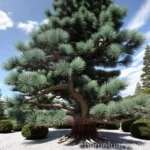
Pinus strobus (Eastern White Pine) – A Comprehensive Guide
Pinus strobus, commonly known as the Eastern White Pine, is a majestic coniferous tree native to North America. With its tall stature, soft, flexible needles, and attractive cones, this species has earned a special place in the hearts of plant enthusiasts, gardeners, and naturalists. In this comprehensive guide, we will delve deep into the characteristics, cultivation, uses, and ecological significance of Pinus strobus, exploring every aspect of this remarkable tree.
What is Pinus strobus (Eastern White Pine)?
Pinus strobus, also known as the Eastern White Pine, is a large, fast-growing evergreen tree belonging to the Pinaceae family. It is the state tree of Maine and Michigan in the United States and the Provincial tree of Ontario in Canada. This species has a rich history of uses, ranging from construction and furniture making to medicinal purposes. Eastern White Pine trees are also valued for their ecological contributions, providing habitats and resources for numerous wildlife species.
Eastern White Pine Characteristics
- Scientific Name: Pinus strobus
- Common Name: Eastern White Pine
- Family: Pinaceae
- Type: Evergreen tree
- Native Range: Eastern North America
- Height: Up to 50-80 meters (165-262 feet)
- Lifespan: 200-400 years
- Growth Rate: Fast
- Foliage Color: Bluish-green
- Cone Shape: Cylindrical
- Climate Preference: Cold to temperate climates
- Soil Requirement: Well-drained, moist soils
Now, let’s explore the key takeaways, cultivation practices, uses, and maintenance considerations related to Pinus strobus.
Key Takeaways – Pinus strobus (Eastern White Pine)
Eastern White Pine Facts
- Habitat: Found in mixed hardwood forests, often alongside other conifer species.
- Uses: Valued for timber, landscaping, and ecological contributions.
- Conservation Status: Considered secure, but conservation efforts are ongoing.
- Growth Rate: Known for its fast growth, especially when young.
- Ecological Importance: Provides habitats for various wildlife species and contributes to forest ecosystems.
- Historical Significance: Played a vital role in the colonial history of North America, especially in shipbuilding.
With these key takeaways in mind, let’s proceed to explore the cultivation and care requirements of Eastern White Pine.
Culture
Cultivating Eastern White Pine requires an understanding of its habitat preferences, growth habits, and environmental requirements. By aligning the planting and maintenance practices with the natural tendencies of this species, gardeners and landowners can promote healthy growth and vitality in their Eastern White Pine trees.
Growth Habits of Pinus strobus
Pinus strobus exhibits several distinctive growth habits that are important to consider when cultivating this species:
- Fast Growth: Especially noticeable in early years, making it well-suited for reforestation and timber production.
- Tall Stature: Can reach impressive heights, making it a prominent feature in landscapes.
- Flexible Foliage: The soft, flexible needles are 2.5 to 5 inches long, giving the tree a graceful appearance.
- Conical Shape: Younger trees have a more conical form while older specimens develop a broader, irregular crown.
Understanding these growth habits is essential for planning the placement and long-term management of Eastern White Pine trees in various settings.
Eastern White Pine Uses
The versatility of Pinus strobus extends to a range of practical and ecological uses, making it a valuable species for both human and environmental benefit.
Timber Production
Eastern White Pine has been historically valued for its wood, known for its lightness, straight grain, and relatively minor shrinkage. As a result, it has been extensively used in:
– Construction: Lumber for building houses, furniture, and interior finishes.
– Boat Building: Historically, the tall, straight trunks of Eastern White Pine were used in shipbuilding, especially during the colonial era.
– Cabinetry and Woodworking: The fine grain and ease of working make it a preferred wood for detailed carpentry.
Landscaping and Ecological Contributions
Beyond its economic uses, Eastern White Pine plays a crucial role in landscaping and ecological conservation:
– Aesthetic Value: The graceful form and soft foliage make it a popular choice for ornamental landscaping in parks and large gardens.
– Wildlife Habitat: Provides nesting sites and shelter for various bird species, including eagles and ospreys, and is a valuable food source for wildlife.
– Soil Stabilization: The extensive root system and litter from Eastern White Pine contribute to soil stabilization and erosion control in forested areas.
By understanding the multiple uses of Pinus strobus, landowners and conservationists can make informed decisions regarding its cultivation and management.
Eastern White Pine Cultivation
Successful cultivation of Eastern White Pine involves providing optimal growing conditions to support its vigor and health. Key factors to consider include water requirements, sunlight preferences, soil composition, fertilizer needs, and pruning practices.
Water
Proper water management is crucial for the establishment and long-term health of Eastern White Pine trees.
- Establishment Phase: Newly planted Eastern White Pine trees require regular watering, especially during dry periods, to support root development.
- Mature Trees: Once established, Eastern White Pine trees are generally drought-tolerant, but they benefit from occasional deep watering during prolonged dry periods.
Balancing moisture and ensuring good drainage are essential to prevent waterlogged conditions, which can be detrimental to the root system.
Sunlight
Eastern White Pine thrives in full sun, although it can tolerate partial shade, particularly when young.
- Optimal Conditions: Planting Eastern White Pine in open, sunny locations promotes robust growth and full development of its characteristic conical form.
- Shade Tolerance: Young trees can tolerate partial shade, but they may exhibit reduced growth rates compared to those in full sun.
Understanding the species’ sunlight preferences guides the selection of planting sites and the design of landscapes that incorporate Eastern White Pine.
Fertilizer
In most cases, Eastern White Pine trees growing in their natural habitat do not require additional fertilization. However, in urban or managed landscapes, soil conditions may warrant supplementation.
- Soil Testing: Conducting soil tests to assess nutrient levels can help determine if fertilizer application is necessary.
- Balanced Formulations: If fertilizer is deemed necessary, a balanced, slow-release fertilizer suitable for acid-loving plants can be applied in early spring.
Care should be taken to avoid over-fertilization, which can result in excessive foliage growth and reduced cold hardiness.
Soil
The success of Eastern White Pine cultivation is closely tied to soil quality and composition.
- Well-Drained Soils: Eastern White Pine thrives in well-drained, moist soils with a somewhat acidic pH.
- Avoid Waterlogged Conditions: Soggy or waterlogged soils can lead to root rot and other health issues.
- Mulching: Applying a layer of mulch around the base of the tree helps conserve soil moisture and maintain a more consistent soil temperature.
By providing suitable soil conditions, gardeners and landowners can encourage strong and vigorous growth in Eastern White Pine.
Pruning
Proper pruning practices are essential for maintaining the health, shape, and structural integrity of Eastern White Pine trees.
Young Tree Training
- Leader Development: Encouraging the development of a central leader during the early years helps establish a strong, well-structured crown.
- Selective Pruning: Removing competing leaders and any damaged or crossed branches contributes to a balanced and resilient tree structure.
Mature Tree Maintenance
- Minimal Pruning: Established Eastern White Pine trees generally require minimal pruning, primarily to remove dead or diseased branches.
- Precautions: Care should be taken to avoid excessive pruning, as this can disrupt the natural form and increase the risk of stress-related issues.
Understanding the principles of pruning and timing interventions appropriately supports the long-term vitality and aesthetics of Eastern White Pine.
Propagation
The propagation of Eastern White Pine involves various methods, each with its advantages and considerations.
Seed Propagation
- Seed Collection: Mature cones are collected in the fall and stored until they release their seeds.
- Preparation: Scarification or stratification may be necessary to promote germination.
- Sowing: Seeds are sown in containers or directly in the ground, depending on the scale of propagation.
Vegetative Propagation
- Cuttings: Softwood or semi-hardwood cuttings can be taken from healthy, vigorous shoots for propagation.
- Grafting: Various grafting techniques are used to propagate specific cultivars or maintain desirable genetic traits.
By understanding the various propagation methods and their applicability, enthusiasts and growers can expand their Eastern White Pine populations effectively.
Container Popularity
Eastern White Pine’s adaptability and ornamental value contribute to its popularity as a container plant for patios, decks, and gardens.
Main Reasons for Container Planting
- Landscape Flexibility: Containers enable Eastern White Pine to be positioned strategically in various outdoor settings, adapting to changing aesthetics and spatial limitations.
- Ornamental Accent: The soft foliage, graceful form, and architectural presence of Eastern White Pine add a distinctive character to container plantings.
- Urban Gardening: For urban and suburban gardeners, container planting allows the cultivation of Eastern White Pine in smaller outdoor spaces.
Satisfying the species’ water, sunlight, and soil requirements is essential for the successful container cultivation of Eastern White Pine.
Common Diseases
Pinus strobus is susceptible to a range of diseases that can impact its overall health and vitality.
Disease Diagnosis
- Needle Casts: Foliar diseases characterized by browning or discoloration of needles, often caused by various fungal pathogens.
- Blights: Can cause dieback and visible lesions on shoots and stems.
- Root Rot: Soil-borne pathogens can lead to root decay and subsequent decline in the tree’s health.
- Rusts: Affect the needles and stem, causing discoloration and reduced vigor.
Prompt diagnosis and treatment are essential in managing and mitigating the impact of diseases on Eastern White Pine trees.
Common Pests
In addition to diseases, Eastern White Pine is susceptible to various pests that can affect its growth and vitality.
Main Pests
- Pine Sawflies: Larvae of sawflies can defoliate trees, leading to reduced photosynthesis and growth.
- Weevils: Adult weevils feed on foliage, causing notching and leaf distortion.
- Adelgids: Small, sucking insects that can cause needle yellowing and premature drop.
Early detection and appropriate pest control methods are crucial for preventing significant damage to Eastern White Pine trees.
Botanist’s Tips
For those passionate about cultivating and conserving Pinus strobus, the following tips can enhance their success and satisfaction:
- Observe Natural Habits: Understanding the natural growth patterns, habitat preferences, and ecological roles of Eastern White Pine informs more successful cultivation and management.
- Conservation Involvement: Engaging in efforts to conserve and protect natural populations of Eastern White Pine supports the species’ long-term viability and diversity.
- Collaborative Learning: Sharing experiences and knowledge about Eastern White Pine with fellow enthusiasts and experts contributes to a deeper understanding of its ecology and cultivation.
By incorporating these tips, enthusiasts and conservationists can make meaningful contributions to the well-being and conservation of Eastern White Pine.
Fun Facts
Delving into the unique and fascinating aspects of Pinus strobus can reveal many engaging and surprising details:
- Tallest Specimen: The tallest recorded Eastern White Pine, located in Itasca State Park, Minnesota, stands at an impressive 42.2 meters (138 feet) tall.
- Historical Significance: Eastern White Pine played a central role in colonial history, with the species being sought after for ship masts, contributing to legal disputes and even being featured on a coin.
- State Tree: Eastern White Pine is the state tree of Maine and Michigan in the United States and the Provincial tree of Ontario in Canada, reflecting its cultural and ecological significance.
It is these engaging and intriguing characteristics that contribute to the enduring appeal of Eastern White Pine among plant enthusiasts and naturalists.
Links to External Resources
- Eastern White Pine – USDA Forest Service
- Pinus strobus – Missouri Botanical Garden
- Growing Eastern White Pine – The Spruce
By exploring these external resources, enthusiasts and cultivators can deepen their knowledge and appreciation of Eastern White Pine, further enriching their experience with this remarkable species.
In conclusion, the Eastern White Pine (Pinus strobus) stands as a magnificent and culturally significant species with a rich history of uses, ecological value, and inherent beauty. By understanding its characteristics, cultivation practices, uses, and ecological relationships, enthusiasts and conservationists can foster a deeper appreciation for this iconic tree and contribute to its continued success and conservation.