Pinus resinosa (Red Pine): A Comprehensive Guide
Red Pine, scientifically known as Pinus resinosa, is a species of pine native to North America. Known for its commercial and ecological importance, this majestic tree has been a vital part of human culture for centuries. In this comprehensive guide, we will delve into the various aspects of Red Pine, including its cultural significance, uses, care requirements, and ecological role.
What is Pinus resinosa (Red Pine)?
Pinus resinosa, commonly referred to as Red Pine, is a large coniferous tree belonging to the Pinaceae family. In its natural habitat, Red Pine can reach remarkable heights, often towering over 100 feet. The species is characterized by its unique, reddish-brown bark and distinctive needle-like leaves. Red Pine is native to North America, specifically the Great Lakes region and the northeastern United States.
Key Takeaways – Pinus resinosa (Red Pine)
Here are some key takeaways about Pinus resinosa:
- Red Pine tree
- Pinus resinosa benefits
- Red Pine description
- Characteristics of Pinus resinosa
- Red Pine uses
- Pinus resinosa facts
Culture
Habitat and Distribution
Red Pine thrives in a variety of habitats, from dry, sandy soils to rocky outcrops. Its natural range extends from eastern Canada to the northeastern United States, where it forms extensive forests. The species has also been successfully introduced in other parts of North America and beyond, owing to its adaptability to different environmental conditions.
Ecology and Environmental Importance
As a dominant species in many forest ecosystems, Red Pine plays a crucial role in maintaining biodiversity and ecological balance. Its dense foliage provides habitat and shelter for various wildlife species, contributing to the overall health and resilience of forest communities. In addition, Red Pine forests contribute to carbon sequestration, helping mitigate the effects of climate change.
Conservation Efforts
Due to the historical significance and ecological value of Red Pine, conservation efforts have been undertaken to protect and restore its natural habitats. Conservation organizations and forestry agencies have recognized the importance of preserving Red Pine ecosystems and implementing sustainable management practices to ensure the species’ long-term survival.
Uses
Commercial Uses
Red Pine has been a valuable resource for various industries, primarily due to its high-quality timber. The wood of Red Pine is prized for its straight grain, durability, and resistance to decay, making it ideal for construction, furniture, and utility poles. The tree’s rapid growth and ability to thrive in diverse environments have also made it a popular choice for reforestation and commercial forestry operations.
Landscaping and Ornamental Value
In addition to its commercial uses, Red Pine is valued for its aesthetic appeal in landscaping and ornamental plantings. The tree’s towering stature and distinctively colored bark make it a striking addition to parks, gardens, and larger properties. Its adaptability to various soil types and climates further enhances its appeal as a landscaping specimen.
Cultivation
Climate Requirements
Red Pine exhibits a preference for cool, moist climates, and is well-suited to regions with cold winters and moderate precipitation. While the species can tolerate a range of soil conditions, it thrives in well-drained, acidic soils. When planting Red Pine, it is essential to consider its climatic requirements and ensure that the chosen location provides the necessary environmental conditions for optimal growth.
Water
Established Red Pine trees generally have moderate water needs and are tolerant of dry periods once they are well-rooted. However, during the initial establishment phase, young trees may require regular watering to support healthy growth and root development. Proper irrigation practices, particularly during drought periods, can help maintain the vigor and vitality of Red Pine stands.
Sunlight
Red Pine is classified as a sun-loving species, thriving in full sunlight and developing its characteristic form and density under such conditions. When selecting planting sites or designing forest management plans, ensuring adequate exposure to sunlight is essential for promoting the healthy growth and development of Red Pine stands.
Fertilizer
In natural forest settings, Red Pine often derives the necessary nutrients from the soil and decaying organic matter. However, in managed landscapes or plantations, supplemental fertilization may be beneficial, especially in nutrient-poor soils. Care should be taken to use fertilizers specifically formulated for conifers and to follow recommended application rates to avoid nutrient imbalances or environmental impacts.
Plant Care
Soil
Red Pine prefers acidic soils with a pH range of 4.5 to 6.5, and it demonstrates good adaptability to various soil textures, including sandy, loamy, and rocky substrates. When cultivating Red Pine in landscapes or reforestation projects, it is important to conduct soil tests and amend the soil as needed to create favorable growing conditions for the species.
Pruning
Pruning of Red Pine trees is typically minimal, as the species naturally maintains a narrow, upright growth habit. However, selective pruning may be carried out to remove dead or damaged branches, improve tree form, or manage stand density in commercial forestry operations. Proper pruning techniques, such as making clean cuts and avoiding excessive limb removal, are essential for maintaining tree health.
Propagation
Red Pine can be propagated from seeds, which are contained within the cones borne by mature trees. When collecting seeds for propagation, it is important to gather from healthy, genetically diverse sources to ensure the vigor and adaptability of the resulting seedlings. Seedlings are typically grown in nurseries under controlled conditions before being transplanted to their intended planting sites.
Container Popularity
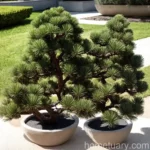
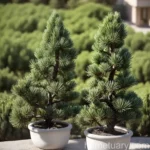
In horticultural and landscaping contexts, Red Pine is often propagated and sold in containers to be used as ornamental trees in residential and commercial settings. Container-grown specimens offer the advantage of being easily transportable and can be planted throughout the year, provided adequate care and watering are maintained during establishment.
Common Diseases
Red Pine is susceptible to several diseases, including:
Needle Blight
Cause: Fungal pathogens such as Lophodermium pini-mughus and Bifusella linearis
Symptoms: Browning and shedding of needles, reduced growth
Management: Prune affected branches, promote tree vigor, and consider fungicidal treatments in severe cases
Diplodia Tip Blight
Cause: Diplodia sapinea fungus
Symptoms: Dieback and discoloration of branch tips, resinous lesions
Management: Prune infected branches, maintain tree health, and consider fungicidal treatments as a preventive measure
Root Rot
Cause: Soil-borne fungi, including Armillaria mellea and Phytophthora cinnamomi
Symptoms: Wilting, poor growth, and dieback
Management: Improve soil drainage, avoid overwatering, and consider fungicidal treatments in severe cases
Disease Diagnosis
Diagnosing diseases in Red Pine trees often involves careful observation of symptoms, including changes in foliage color, presence of lesions, and overall growth patterns. In cases where diseases are suspected, consulting with plant pathologists or certified arborists can help accurately identify the underlying issues and develop appropriate management strategies.
Common Pests
Red Pine is susceptible to various insect pests, including:
Pine Sawfly
Description: Larvae that feed on pine needles, causing defoliation
Management: Pruning infested branches, introducing natural predators, and using targeted insecticidal treatments
Pine Bark Beetles
Description: Insects that bore into the bark, disrupting nutrient and water transport
Management: Monitoring tree health, removing infested trees, and implementing preventative measures such as maintaining tree vigor and promoting diversity in forest ecosystems
Pine Needle Scale
Description: Scale insects that feed on needles, leading to yellowing and premature shedding
Management: Pruning affected branches, promoting tree health, and utilizing horticultural oils or insecticidal treatments if necessary
Botanist’s Tips
-
Species Selection: When selecting Red Pine for planting or restoration projects, consider the species’ adaptability to local environmental conditions, as well as its ecological value in supporting wildlife and ecosystem functioning.
-
Conducting Soil Tests: Prior to planting Red Pine, conduct thorough soil tests to assess soil pH, nutrient levels, and drainage characteristics. Amending the soil based on test results can create a more favorable growing environment for Red Pine.
-
Timely Pruning: If selective pruning is necessary, ensure that it is carried out during the appropriate seasons to minimize stress on the tree and promote wound healing.
Fun Facts
-
Red Pine trees are known for their longevity, with some specimens living for several centuries in their natural habitats.
-
The resin of Red Pine has been traditionally used for various purposes, including waterproofing and adhesive applications by indigenous cultures.
-
The straight, tall trunks of Red Pine have made them a preferred choice for timber production and utility poles.
Links to External Resources
For further information about Red Pine, its ecology, and management, consider exploring the following resources:
- USDA Forest Service – Red Pine
- Minnesota Department of Natural Resources – Red Pine
- The Nature Conservancy – Red Pine Forests
In conclusion, Pinus resinosa (Red Pine) represents an iconic and ecologically significant species that holds both cultural and commercial value. By understanding its habitat preferences, care requirements, and ecological roles, individuals and organizations can contribute to the conservation and sustainable management of this remarkable tree species.
Plant Name: Pinus resinosa (Red Pine)
As a plant scientist, the exploration of Red Pine has been both enlightening and inspiring. The intricate ecological relationships and the species’ resilience in various landscapes highlight the importance of comprehensive conservation efforts and sustainable land management practices. Whether in commercial forestry operations, landscaping projects, or conservation initiatives, Red Pine continues to captivate with its inherent beauty and ecological significance.