Pinus mugo ‘Humpy’ (Dwarf Mountain Pine): A Comprehensive Guide
Plants play an essential role in creating a thriving ecosystem and beauty in our surroundings. From improving air quality to adding aesthetic appeal to landscapes, plants contribute significantly to our overall well-being. Among the plethora of plant species, one that stands out for its distinct characteristics is the Pinus mugo ‘Humpy’, commonly known as the Dwarf Mountain Pine. In this comprehensive guide, we will delve into the various aspects of this fascinating plant, including its cultural requirements, uses, propagation methods, common diseases, and much more. By the end of this guide, you will have a deep understanding of how to care for and utilize the Pinus mugo ‘Humpy’ in various settings.
What is Pinus mugo ‘Humpy’ (Dwarf Mountain Pine)?
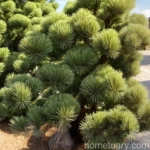
The Pinus mugo ‘Humpy’, a cultivar of the species Pinus mugo, is a unique and captivating conifer that is highly valued for its ornamental appeal and adaptability. This slow-growing, dwarf evergreen shrub features a dense, compact form with a mounded structure, making it an excellent choice for small gardens, rockeries, and even containers. It hails from the mountainous regions of Central and Southern Europe, where it thrives in harsh alpine conditions. The ‘Humpy’ cultivar is specifically cherished for its distinctive, irregularly shaped form that adds an interesting dimension to garden landscapes.
Key Takeaways – Pinus mugo ‘Humpy’ (Dwarf Mountain Pine)
Let’s explore the key takeaways associated with the Pinus mugo ‘Humpy’, encompassing its cultural requirements, uses, propagation, common ailments, and much more.
Culture
- The Pinus mugo ‘Humpy’ thrives in well-drained soil and prefers acidic to neutral pH levels.
- It is a low-maintenance plant that requires minimal intervention once established.
- This plant is known for its high adaptability to diverse climatic conditions, making it suitable for a wide range of environments.
Uses
- Landscaping purposes: The ‘Humpy’ cultivar is utilized to add visual interest to small gardens, rock gardens, and alpine or Japanese gardens due to its unique form and texture.
- Erosion control: Its dense growth habit makes it effective for erosion control on slopes and embankments.
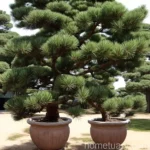
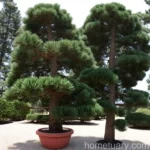
- Container planting: Owing to its compact size, the ‘Humpy’ is an ideal candidate for container gardening, adding a touch of greenery to patios, balconies, and small spaces.
Water
- The Pinus mugo ‘Humpy’ prefers moderate moisture levels and is relatively drought-tolerant once established.
- It is crucial to avoid waterlogging, as excessively wet soil can lead to root rot and other issues.
Sunlight
- Thrives in full sun to partial shade, with at least 6 hours of direct sunlight per day being ideal for optimal growth and density.
Fertilizer
- Minimal fertilization is required, and it is best to use a balanced slow-release fertilizer in spring if necessary.
- Excessive fertilization can lead to rapid, weak growth, and thus should be avoided.
Soil
- Well-drained, slightly acidic to neutral soils are preferred, though the ‘Humpy’ can adapt to a variety of soil types.
- Loamy or sandy soils with good drainage are ideal for promoting healthy root development.
Pruning
- Limited pruning is necessary, mainly for cosmetic shaping or to remove dead or damaged branches.
- Pruning should be carried out in early spring to avoid excessive sap flow and stress on the plant.
Propagation
- The Pinus mugo ‘Humpy’ can be propagated from seeds or through semi-hardwood cuttings taken in late summer to early autumn.
- When propagating from seeds, it is crucial to stratify them in a cold, moist environment for several weeks to induce germination.
Container Popularity
- Widely popular as a container plant for its compact form and adaptability to container environments.
- Suited for use in small gardens, patio planters, and urban landscapes to add greenery without taking up excessive space.
Container Common Diseases
- While relatively resilient, the ‘Humpy’ may be susceptible to root rot and other fungal diseases in overly moist conditions.
- Proper soil drainage, good air circulation, and moderation in watering can help prevent such issues in container settings.
Disease Diagnosis
- Common diseases that can affect the Pinus mugo ‘Humpy’ include needle cast, rust, and various fungal infections.
- Diagnosis should involve thorough observation of symptoms such as discoloration, wilting, or abnormal growth, followed by appropriate treatment based on the specific disease.
Common Pests
- The ‘Humpy’ is relatively resistant to pests, but it may occasionally encounter issues with spider mites, scale insects, and bark beetles.
- Regular inspection and maintenance can help detect and prevent pest infestations before they become widespread.
Botanist’s Tips
- When planting the Pinus mugo ‘Humpy’, ensure proper soil preparation, including loosening compacted soil and amending with organic matter to enhance drainage and fertility.
- Incorporating a layer of mulch around the base of the plant can help retain moisture and regulate soil temperature, promoting overall health and vigor.
Fun Facts
- The scientific name Pinus mugo is derived from the Latin “mugus,” meaning “thick or bushy,” aptly describing the compact growth habit of the species as a whole.
- The ‘Humpy’ variety earned its name from its uniquely irregular and hump-like form, setting it apart from other cultivars of Pinus mugo.
Now that we have covered the fundamental aspects of the Pinus mugo ‘Humpy’, let’s further explore these aspects in detail.
Pinus mugo ‘Humpy’ Care Tips
Maintaining the health and vitality of the Pinus mugo ‘Humpy’ involves adhering to some crucial care tips. These tips encompass various aspects of its cultural requirements, disease prevention, and best practices for promoting optimal growth and aesthetics.
Dwarf Mountain Pine Varieties
The Pinus mugo species encompasses several distinct cultivars, each with its unique characteristics and growth habits. Some notable varieties of the Dwarf Mountain Pine include:
- ‘Mops’: A compact and dense cultivar with a rounded growth habit, perfect for small landscapes and rock gardens.
- ‘Ophir’: Known for its golden-yellow new growth that adds vibrant color to garden settings, creating a striking visual contrast.
Pinus mugo ‘Humpy’ Characteristics
- Compact form: The ‘Humpy’ exhibits a mounded and irregular growth habit, creating an eye-catching focal point in garden landscapes.
- Evergreen foliage: It retains its dark green needles throughout the year, providing year-round visual interest and texture.
- Slow growth rate: The ‘Humpy’ grows at a gradual pace, requiring minimal pruning and maintenance once established.
Pinus mugo ‘Humpy’ Size
- Mature height: Typically reaches a height of 2-3 feet, with a similar spread, making it an excellent choice for small gardens or confined spaces.
- Slow growth: Its slow growth rate ensures that it maintains a compact form and does not outgrow its designated space too quickly.
How to Grow Pinus mugo ‘Humpy’
- Site selection: Choose a location with well-drained soil and ample sunlight, ensuring good air circulation around the plant.
- Planting: Dig a hole slightly wider and as deep as the root ball, backfill with soil, and water thoroughly to establish the plant.
Pinus mugo ‘Humpy’ Pruning Techniques
- Minimal intervention: Pruning should be limited to the removal of dead or damaged branches and shaping for aesthetic purposes.
- Timing: Perform pruning in early spring before the onset of new growth to minimize stress on the plant.
Pinus mugo ‘Humpy’ Disease Resistance
- Resilient nature: The ‘Humpy’ exhibits a good level of resistance to common pine diseases, especially when grown in optimal conditions.
- Preventative care: Proper cultural practices such as adequate watering, balanced nutrition, and adequate spacing can help bolster disease resistance.
Dwarf Mountain Pine Landscaping Ideas
- Rock gardens: The unique form and texture of the ‘Humpy’ make it an ideal candidate for rock gardens, adding visual interest and structure to the landscape.
- Alpine gardens: Incorporate the ‘Humpy’ into alpine garden settings to mimic its native mountainous habitat, creating a natural and cohesive visual appeal.
Pinus mugo ‘Humpy’ Growth Habit
- Compact and irregular: Its growth habit features a mounded, hump-like form, lending a distinct sculptural quality to garden landscapes.
- Slow and steady: The ‘Humpy’ grows at a leisurely pace, maintaining its compact shape without becoming overly aggressive.
Pinus mugo ‘Humpy’ Foliage Color
- Deep green needles: The evergreen foliage retains its dark green hue year-round, providing a reliable backdrop for seasonal flowers and ornamental plants.
- Seasonal variations: New growth in spring may exhibit a lighter green tint, adding subtle color contrast to the overall appearance.
Pinus mugo ‘Humpy’ Winter Hardiness
- Cold tolerance: The ‘Humpy’ demonstrates excellent winter hardiness, withstanding freezing temperatures and snowfall without significant damage.
- Evergreen appeal: Its ability to retain foliage throughout winter ensures that it maintains visual interest in the colder months.
Pinus mugo ‘Humpy’ Soil Requirements
- Well-drained soil: Ensure that the planting site offers adequate drainage, especially in regions with heavy clay or compacted soils.
- pH preference: While adaptable, the ‘Humpy’ thrives in slightly acidic to neutral soils, typically in the pH range of 5.5 to 7.0.
Propagating Pinus mugo ‘Humpy’
- Seed propagation: Collect seeds from mature cones and subject them to cold stratification to break dormancy before sowing in a prepared nursery bed.
- Cutting propagation: Take semi-hardwood cuttings in late summer to early autumn, using rooting hormone and providing a warm and humid environment for propagation.
Pinus mugo ‘Humpy’ Water Requirements
- Moderate moisture: Consistent watering is essential during the establishment phase, after which the ‘Humpy’ demonstrates good drought tolerance.
- Avoid waterlogging: Prevent excessive soil moisture, especially in poorly drained or container environments, to mitigate the risk of root rot.
Pinus mugo ‘Humpy’ Planting Guide
- Spacing: Plant individual specimens at least 3-4 feet apart to allow for adequate air circulation and room for growth.
- Mulching: Apply a layer of organic mulch around the base of the plant, maintaining a distance from the stem to prevent moisture retention and potential rot.
Best Companion Plants for Pinus mugo ‘Humpy’
- Ornamental grasses: Pair the ‘Humpy’ with low-growing ornamental grasses such as Festuca or Carex for a textural contrast and dynamic visual appeal.
- Alpine perennials: Include compact alpine perennials like Aubrieta, Saxifraga, or Lewisia to create a cohesive mountain-inspired garden.
Pinus mugo ‘Humpy’ Sun Exposure
- Full sun: Thrives in ample sunlight, though it can also tolerate partial shade, especially in regions with intense summer heat.
- Southern exposure: In cooler climates, a southern exposure can provide the warmth and light necessary for robust growth.
Pinus mugo ‘Humpy’ Container Gardening
- Size considerations: Choose a spacious container with adequate drainage holes to accommodate the ‘Humpy’s root system and allow for healthy growth.
- Container mix: Utilize a well-draining potting mix with added perlite or coarse sand to ensure proper aeration and moisture management.
Pinus mugo ‘Humpy’ Landscape Design
- Texture and form: Incorporate the ‘Humpy’ as a focal point or accent plant to provide a sculptural element and unique texture within the landscape.
- Contrast and cohesion: Use the ‘Humpy’ to create visual contrast among other garden elements, such as flowering shrubs, perennials, and hardscapes.
Pinus mugo ‘Humpy’ Wildlife Habitat
- Shelter and nesting: The dense, compact growth habit of the ‘Humpy’ can provide shelter and nesting sites for small birds and wildlife.
- Ecosystem support: Incorporating the ‘Humpy’ into naturalized landscapes can contribute to the overall biodiversity and ecological balance of the habitat.
Pinus mugo ‘Humpy’ Native Range
- European origins: The species Pinus mugo is native to the mountainous regions of Central and Southern Europe, including the Alps and Carpathian Mountains.
- Alpine habitats: Thrives in high-altitude environments with well-drained, rocky soils and cool, moist conditions typical of alpine ecosystems.
Pinus mugo ‘Humpy’ Seasonal Interest
- Year-round appeal: The ‘Humpy’ maintains visual interest throughout the seasons, with its evergreen foliage providing a reliable backdrop for seasonal changes in the garden.
- Winter beauty: In winter, the ‘Humpy’ stands out with its vibrant green foliage against the backdrop of snow and dormant plantings.
Pinus mugo ‘Humpy’ Drought Tolerance
- Established resilience: Once the ‘Humpy’ is well-established, it exhibits good drought tolerance, requiring minimal supplemental watering in most regions.
- Dry conditions: Thrives in regions with periodic dry spells and low rainfall, showcasing its adaptability to challenging environmental conditions.
Pinus mugo ‘Humpy’ Root System
- Shallow roots: The ‘Humpy’ has a shallow and spreading root system, making it important to provide mulch to maintain soil moisture and prevent competition from weeds.
- Root boundaries: When planting near structures or walkways, ensure that the ‘Humpy’ has ample space to extend its roots without causing disruptions.
Pinus mugo ‘Humpy’ Pest Control
- Vigilance: Regular inspection for pest activity, including spider mites, scale insects, and bark beetles, can aid in early detection and control.
- Natural predators: Encourage the presence of beneficial insects and birds that predate on common pests to help maintain natural pest control.
Pinus mugo ‘Humpy’ Needle Retention
- Retained foliage: The ‘Humpy’ holds its dark green needles for several years before shedding, contributing to its year-round visual appeal and low maintenance needs.
- Needle drop: Normal shedding of older needles occurs gradually, and it is typically not a cause for concern unless excessive needle loss is observed.
Pinus mugo ‘Humpy’ Fall Color
- Seasonal changes: While evergreen, the ‘Humpy’ may exhibit subtle color changes in autumn, with newer growth displaying a lighter, yellowish-green hue in some settings.
- Visual interest: The interplay of new and mature foliage can add a dynamic element to the garden as the seasons transition.
Pinus mugo ‘Humpy’ Ornamental Value
- Aesthetic appeal: The architectural form and dense, textured foliage of the ‘Humpy’ contribute to its significant ornamental value in garden and landscape settings.
- Versatile uses: Whether as a standalone specimen, accent plant, or foundation shrub, the ‘Humpy’ adds visual interest and structure to the overall design.
Pinus mugo ‘Humpy’ Pollinator-Friendly
- Pollen source: The male cones of the ‘Humpy’ serve as a source of pollen for various pollinators, including bees and wind-borne pollenating insects.
- Ecological support: By attracting pollinators, the ‘Humpy’ contributes to the pollination of surrounding plants, supporting a healthier garden ecosystem.
Pinus mugo ‘Humpy’ Pruning Schedule
- Minimal intervention: Generally, the ‘Humpy’ requires little pruning, with occasional light shaping and removal of dead or damaged growth being sufficient.
- Early spring: Perform any necessary pruning in early spring to coincide with the plant’s natural growth cycle.
Pinus mugo ‘Humpy’ Wildlife Garden
- Habitat provision: Integrate the ‘Humpy’ into wildlife-friendly garden designs to create shelter and foraging opportunities for birds, small mammals, and beneficial insects.
- Biodiversity support: The inclusion of plants such as the ‘Humpy’ helps promote biodiversity and ecological resilience within the garden ecosystem.
Pinus mugo ‘Humpy’ Growth Rate
- Slow pace: The ‘Humpy’ grows at a leisurely pace, adding only a few inches of new growth per year, contributing to its compact and manageable form.
- Longevity: Its slow growth rate also contributes to its longevity, making it an enduring and reliable element in garden landscapes.
Pinus mugo ‘Humpy’ Bark Texture
- Textural interest: While often overshadowed by its dense foliage, the bark of the ‘Humpy’ can add subtle interest, often exhibiting a textured and weathered surface over time.
- Winter prominence: In winter, the bark may become a more prominent feature, especially when set against a backdrop of snow.
Pinus mugo ‘Humpy’ Natural Habitat
- Alpine ecosystems: The species Pinus mugo inhabits high-altitude regions with rocky, well-drained soils, variable moisture levels, and cool temperatures.
- Ecological niche: Adapted to harsh alpine conditions, the ‘Humpy’ demonstrates resilience and a unique set of adaptations suited to its natural habitat.
Pinus mugo ‘Humpy’ Winter Interest
- Evergreen appeal: In winter, the ‘Humpy’ retains its dark green foliage, providing a stark contrast against the snow and dormant landscape.
- Architectural form: Its irregular growth habit and mounded shape stand out against the winter backdrop, adding structure and visual appeal.
Pinus mugo ‘Humpy’ Soil pH Requirements
- Acidic to neutral: The ‘Humpy’ thrives in slightly acidic to neutral soils, typically with pH levels ranging from 5.5 to 7.0.
- Soil adaptability: While it prefers certain pH ranges, the ‘Humpy’ can adapt to slightly alkaline or acidic soils within reasonable limits.
Pinus mugo ‘Humpy’ Companion Shrubs
- Low-growing perennials: Pair the ‘Humpy’ with compact, low-growing shrubs such as heathers, lavender, or dwarf rhododendrons to create a cohesive and harmonious display.
- Textural contrasts: Choose companion shrubs with contrasting textures, foliage colors, or flowering patterns to create dynamic interplays within the garden.
Pinus mugo ‘Humpy’ Deer-Resistant
- Natural deterrent: The resinous nature of the ‘Humpy’s needles and branches makes it unpalatable to deer and other browsing wildlife, providing natural protection.
- Considerations: While deer-resistant, it is important to consider local conditions and wildlife behavior, especially in regions with heavy deer populations.
Pinus mugo ‘Humpy’ Ground Cover Ideas
- Slope stabilization: Use the ‘Humpy’ to help stabilize sloped or uneven terrain, providing erosion control and a naturalistic ground cover solution.
- Underplanting: Combine the ‘Humpy’ with low-growing ground covers such as creeping thyme or sedum to create a cohesive and visually appealing ground layer.
Pinus mugo ‘Humpy’ Low Maintenance
- Self-sufficiency: Once established, the ‘Humpy’ requires minimal intervention and is largely self-sustaining, making it an ideal plant for low-maintenance landscapes.
- Occasional care: Basic maintenance, such as watering during extended dry spells and light pruning as needed,